By Crystal Cassandra · Updated 2026-10-01
Crystal Healing Expert
What is the July birthstone?
The July birthstone is ruby, the red variety of corundum that measures 9 on the Mohs scale. Ruby has anchored July from the traditional lists through the 1912 Jewelers of America standard. In the modern birthstone tradition it stands alone as the month's single official stone.
July does not do subtle, and neither does its stone. Ruby is the red the eye checks twice, chromium burning inside corundum, and the finest examples carry a glow the trade calls pigeon's blood, a color that seems lit from within even in shade. Set one on a windowsill at noon and watch it gather the day; rubies fluoresce in sunlight, actually returning more red than falls on them. I love handing a ruby to someone seeing one properly for the first time, because the reaction is never analytical. Sanskrit lapidaries ranked it above every other gem as ratnaraj, the king, and Burmese tradition credited rubies with courage in ways the old texts describe vividly. For July souls, the lesson I take from the stone is permission: warmth at full volume, held inside something almost impossible to scratch.
Every stone named on this page links to its full profile in the crystal encyclopedia, and if you want your whole birth date read at once, zodiac, birthstone, and life-path number together, the Crystal Birthday Pairing tool does exactly that.
The July Birthstone: Ruby
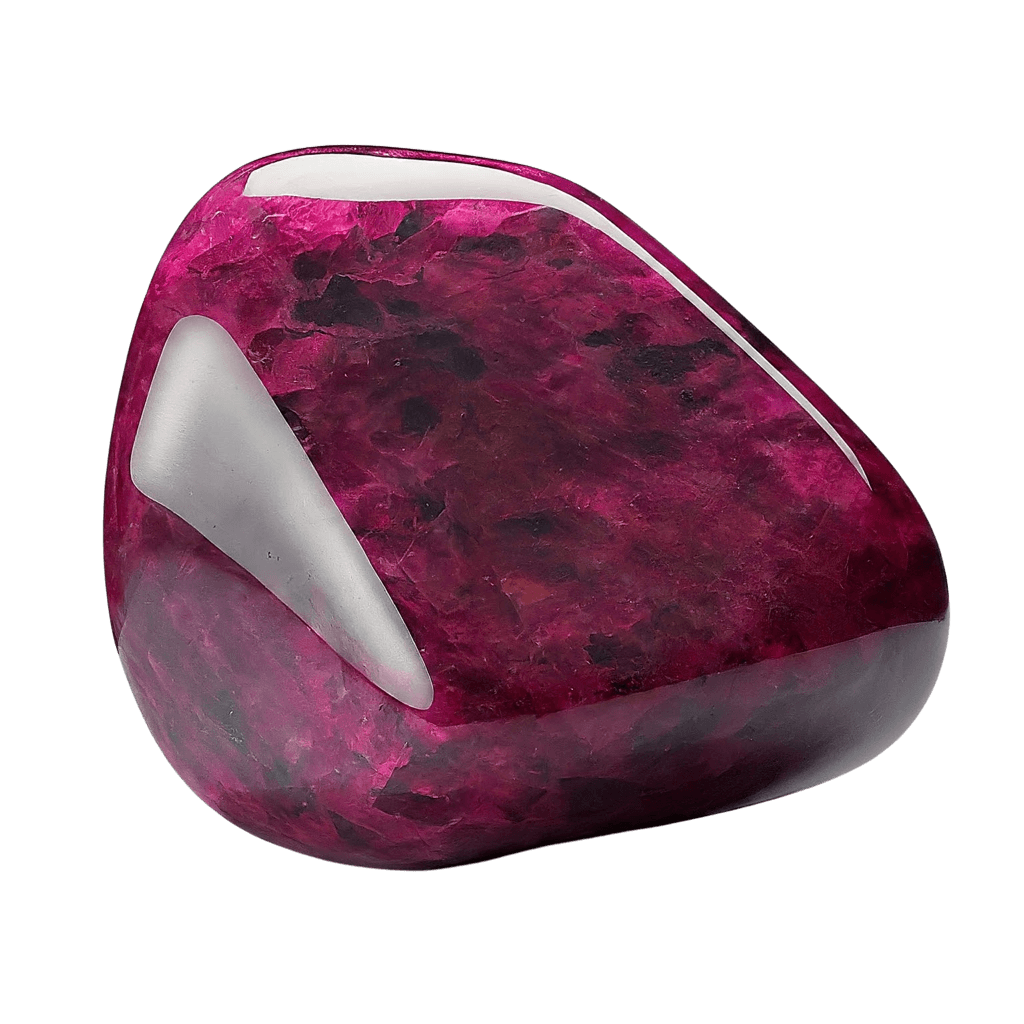
Ruby holds July the way July holds the year: at full heat, without apology. The gem is corundum colored by chromium, the same element that greens an emerald, here turned to flame, and at 9 on the Mohs scale only diamond outranks it. Sanskrit texts called ruby ratnaraj, king of gems, and the calendar seated the king in the month of high summer.
Heat treatment is routine and accepted for ruby; untreated stones of fine color command extraordinary premiums.
Other July Stones Across the Traditions
Several of the older month tables seat onyx in July, a cool black answer to the month's heat that survives mostly in antique jewelry references.
Carnelian appears for July in a number of traditional lists, and its sunset orange chalcedony remains the month's most affordable kindred stone.
Kunz's 1913 zodiacal table gives emerald to Cancer, the sign ruling July 1 to 22, which lends most of the month a documented green alternative.
Where the July Birthstone Comes From
Ruby's July seat is among the oldest and least disputed on the calendar. The red corundum appears for July in the traditional European tables, keeps the month in the 1870 Tiffany and Company birthstone poems, and passed through the 1912 Kansas City standardization untouched, a tenure no later revision questioned. The older lists kept different company around it: several breastplate derived tables placed onyx in July, and carnelian recurs for the month in traditional sources, while Kunz's 1913 zodiacal table gave emerald to Cancer, the sign holding most of the month. Ruby's own paper trail is regal. Sanskrit texts named it ratnaraj, king of gems, Burma's Mogok valley supplied the benchmark stones for centuries, and the Jyotish tradition assigns ruby to the Sun itself, which makes the July pairing read less like an assignment and more like a coronation.
How to Choose Your July Stone
July's choice is between the king and the kin. Fine ruby costs serious money, and honest routes around the price exist: lab grown ruby is chemically identical and increasingly excellent, while garnet and carnelian carry deep red and bright flame for very little, with carnelian holding actual traditional July credentials. Birthdays July 1 to 22 sit in Cancer and may claim moonstone or pearl by the sign's lunar tradition; birthdays from the twenty third join Leo and inherit ruby's solar logic twice over. Whatever you choose, see it in daylight first. Ruby's fluorescence is half the purchase.
How the July Birthstone Is Worn
Ruby is the July birthstone built for hands that refuse to be careful: at 9 on the Mohs scale it takes daily rings, door handles, and dish sinks without complaint, which is why it rivals sapphire as the great heirloom ring stone. Yellow gold makes the red roar; platinum makes it formal. At the counter, three words matter. Treated: nearly all commercial rubies are heat treated, an accepted practice a seller should volunteer. Origin: Burmese stones from the Mogok valley command the steepest premiums, with Mozambique now supplying much of the fine market. Glass filled: composite rubies stuffed with lead glass sell cheap and fail fast, and the label is legally required. Hold a ruby next to a red garnet in shade and notice which one keeps burning; that afterglow is the fluorescence you are paying for.
Frequently Asked Questions
What is the birthstone for July?
The birthstone for July is ruby, the red chromium colored corundum, and no other stone has ever officially shared the month with it. The 1912 Jewelers of America list simply confirmed what the traditional tables already said.
Why are rubies red?
Rubies are corundum colored by traces of chromium, which both creates the red and makes the stone fluoresce, returning extra red light in sunshine. More chromium generally means a richer, more valuable color.
What are affordable alternatives to ruby for July?
Substitute July birthstones at friendlier prices include garnet and carnelian for the color, and lab grown ruby for the identical mineral at a fraction of mined cost. Carnelian also appears for July in several traditional lists.
Is ruby harder than other gems?
Ruby measures 9 on the Mohs scale, second only to diamond among classic gems, which makes it one of the most practical stones for daily rings. Very little in ordinary life will scratch it.
What does ratnaraj mean?
Ratnaraj is Sanskrit for king of gems, the title ancient Indian lapidaries gave ruby. The name reflects the stone's rank in South Asian gem tradition long before the Western lists existed.
Share Your Result
Vertical 9:16 format, perfect for Instagram Stories or TikTok. Opens in a new tab; long-press or right-click to save.
The Birthstone Reference
Crystal Cassandra's free guide: all three birthstone lists, modern, traditional, and zodiac, set side by side with the disagreements marked, and how to choose the right list when the stone is a gift.
We respect your inbox. Unsubscribe anytime.