What is the Love and Relationships sector?
The Love sector in Feng Shui (愛情, Ài Qíng) is the southwest corner of any space, governed by the Earth element and the trigram 坤 Kun (Receptive Earth). Activating this sector with pairs of objects, soft pink and earth tones, and stones like rose quartz and rhodonite is traditionally said to support partnership, intimacy, and self-love.
Key Takeaways
- Compass direction: Southwest (Compass School / 理氣 Lǐ Qì).
- BTB position: Far-right corner from the front door entry (BTB Feng Shui / Lin Yun lineage).
- Trigram: 坤 Kūn (The Receptive / Earth), element Earth (土).
- Activating colors: pink, red, earth tones, soft yellow.
- Top crystals: Rose Quartz, Rhodonite, Morganite.
- Family member association: Mother.
- Compass Direction
- Southwest
- Element (Wu Xing)
- Earth (土)
- Trigram
- 坤 Kūn ☷
- Body correspondence
- Abdomen, in the classical Bagua correspondence
What is the Love and Relationships Sector?
The Love sector (愛情 Ài Qíng) is the southwest corner of any space and is governed by the Kun trigram (坤 Kūn), receptive Earth, the maternal principle, and the foundation of all relational qi. In classical Compass School feng shui, this is the sector traditionally associated with romantic partnership, marriage, emotional intimacy, and the gentler nurturing aspects of all close relationships. The classical sources, particularly Lillian Too's Practical Feng Shui, describe the southwest as the most reliably impactful sector for couples and for people seeking healthy partnership. The classical reading shows that activating this sector with pairs of objects, soft pink and earth tones, and Earth-element stones like rose quartz and rhodonite supports the Kun trigram's qi of patient, receptive love.
The classical reference is well-documented: Yuan Hai Zi Ping describes the Kun trigram (坤) as 'the moist field that nourishes ten thousand things' (己土卑濕), receptive, fertile, patient. The Kun trigram is the maternal principle and the foundation of all relational qi in classical Chinese metaphysics. In the modern lineage, Master Wei Lin draws on Joey Yap's Feng Shui for Homebuyers and Lillian Too's Practical Feng Shui as the most accessible modern English-language treatments of the love and relationships sector, both grounded in the Compass School (理氣 Lǐ Qì) tradition.
Compass School vs BTB Feng Shui
The two major Feng Shui schools disagree on which physical area of your home corresponds to the love and relationships sector, but they agree on the trigram, element, and activating materials. This is one of the most important distinctions in modern Western feng shui practice.
Compass School (理氣)
Joey Yap · Lillian Too · Master Raymond Lo
Maps the love and relationships sector to the physical southwest of your home, measured with a compass or luopan (羅盤). This is the classical Chinese method.
BTB Feng Shui (Black Hat)
Lin Yun · Stephen Skinner · Lillian Too (popular)
Maps the love and relationships sector to the far-right corner from the front door entry, regardless of compass direction. Popularized in the West.
Activating the Love and Relationships Sector
According to classical Compass School practice, the love and relationships sector responds to a small number of well-chosen additions rather than dense decoration. The 坤 Kūn trigram's qi is fed by pink, red, earth tones, soft yellow colors and ceramic, earthenware, soft textiles materials.
Recommended design choices
- Place items in pairs, two pillows, two candles, two pieces of small art, to reinforce partnership qi in the southwest.
- Use pink, soft red, and warm earth tones in this sector.
- Display a rose quartz cluster or polished heart-shaped stone, Lillian Too's most-cited recommendation for the love sector.
- If single and seeking partnership, keep this corner uncluttered and inviting; a small bowl with two rose-quartz tumbled stones is a traditional activation.
Objects traditionally placed here
- Pairs of objects (two birds, two candles, two pillows)
- Rose quartz cluster or polished stone
- Romantic art or photography
- Heart-shaped stones or symbols (used sparingly, not kitsch)
Crystals for the Love and Relationships Sector
The classical Chinese stone pairings combine color, element, and trigram resonance. Each of these stones is traditionally placed in the southwest corner of any space, on a shelf, desk, or windowsill, in clean light. Author Master Wei Lin describes these as foundations rather than guaranteed effects: the classical sources note the right stone supports the right direction.
Rose Quartz
Place in the southwest (earth element)
Rose quartz is the universal love stone in both classical and modern crystal practice. Its soft pink supports the Kun trigram's receptive Earth qi, and Lillian Too describes rose quartz as the single highest-leverage stone for the southwest sector.
Rhodonite
Place in the southwest (earth element)
Rhodonite is the 'rescue stone' for relationship work, supporting compassion, forgiveness, and the patient repair that long partnerships require. Classical Chinese stone lore pairs rhodonite with the maternal Kun trigram's nurturing qi.
Morganite
Place in the southwest (earth element)
Morganite carries divine-feminine pink Beryl energy. Modern crystal practice associates morganite with attracting partnership grounded in mutual respect rather than infatuation. Joey Yap notes morganite is particularly useful for those seeking long-term, marriage-quality connection.
Suggested Bundle
Love Sector Trio
A curated set of 3 crystals chosen to activate the love and relationships sector (愛情 Ài Qíng). Place together in the southwest corner of your space, the classical Compass School arrangement for the 坤 Kūn trigram.
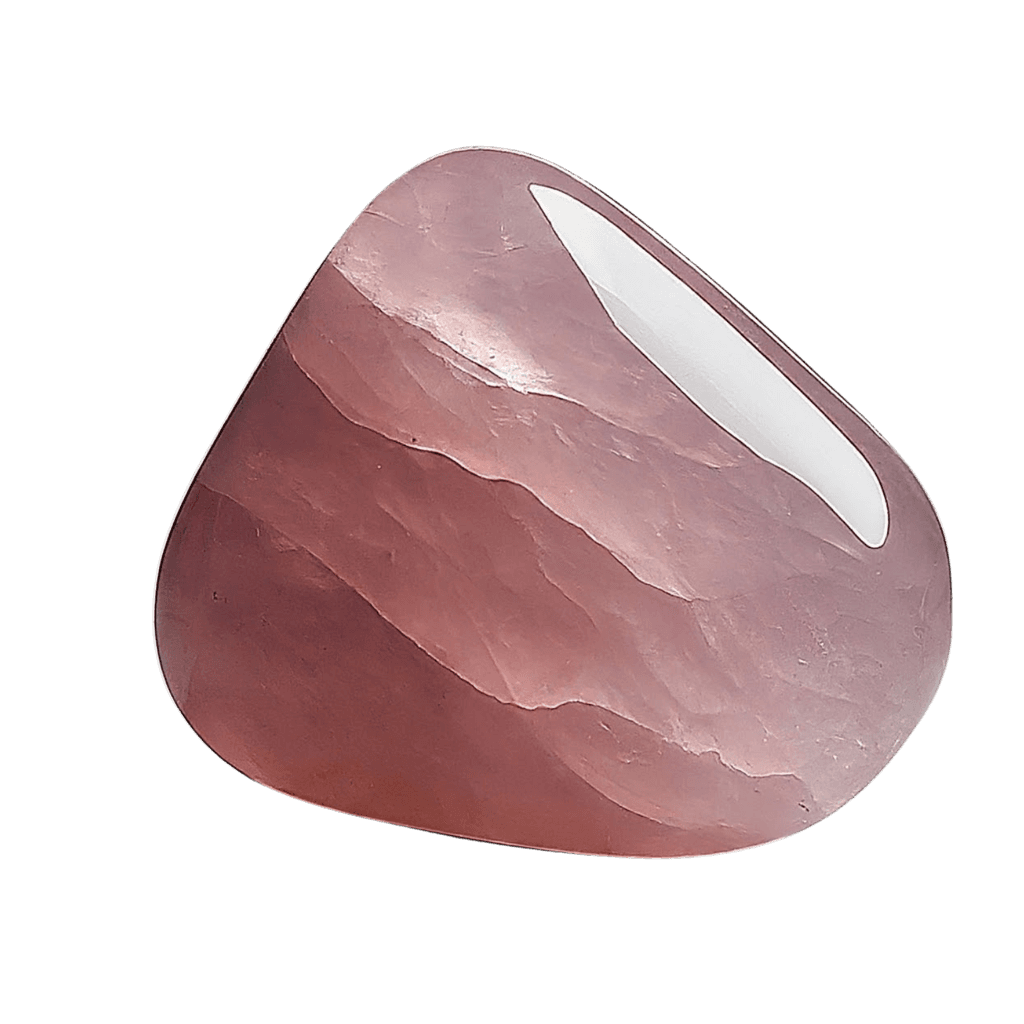
Rose Quartz
Primary heart stone
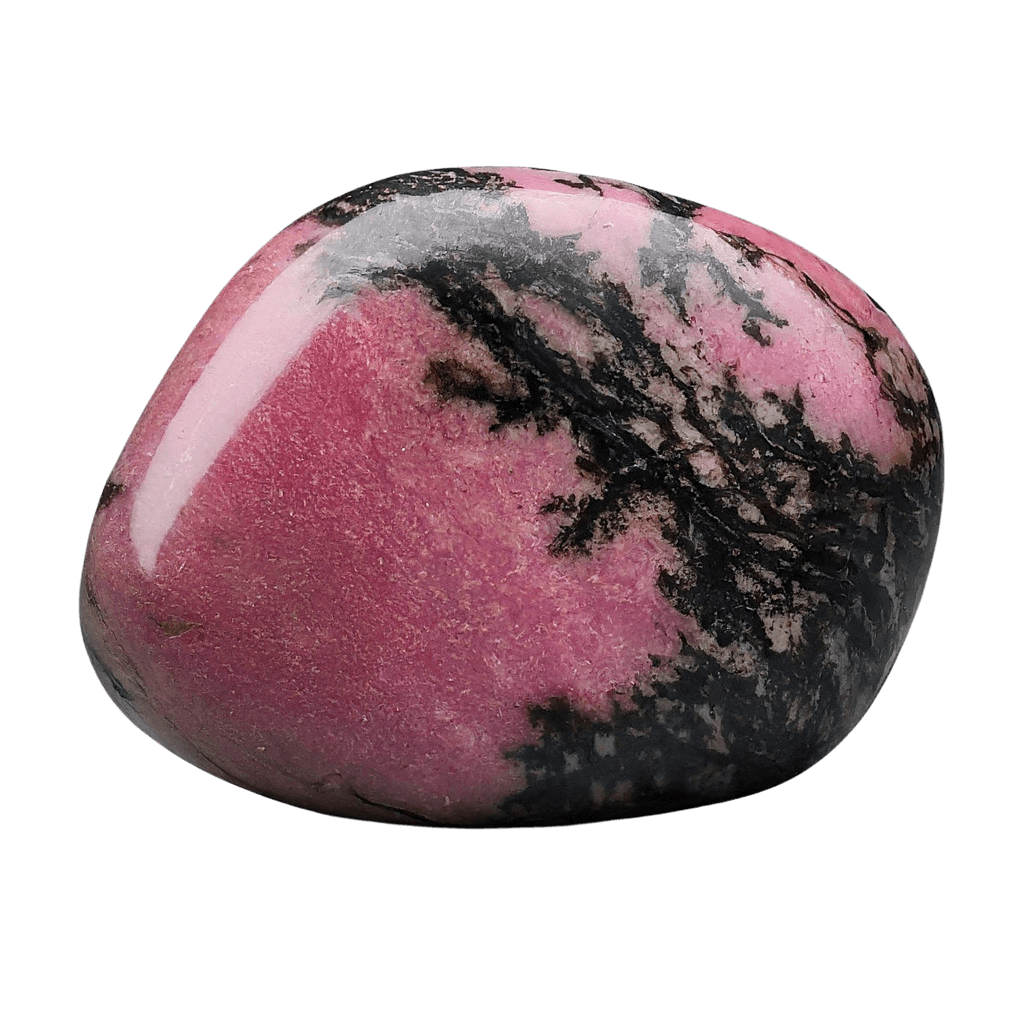
Rhodonite
Supporting amplifier
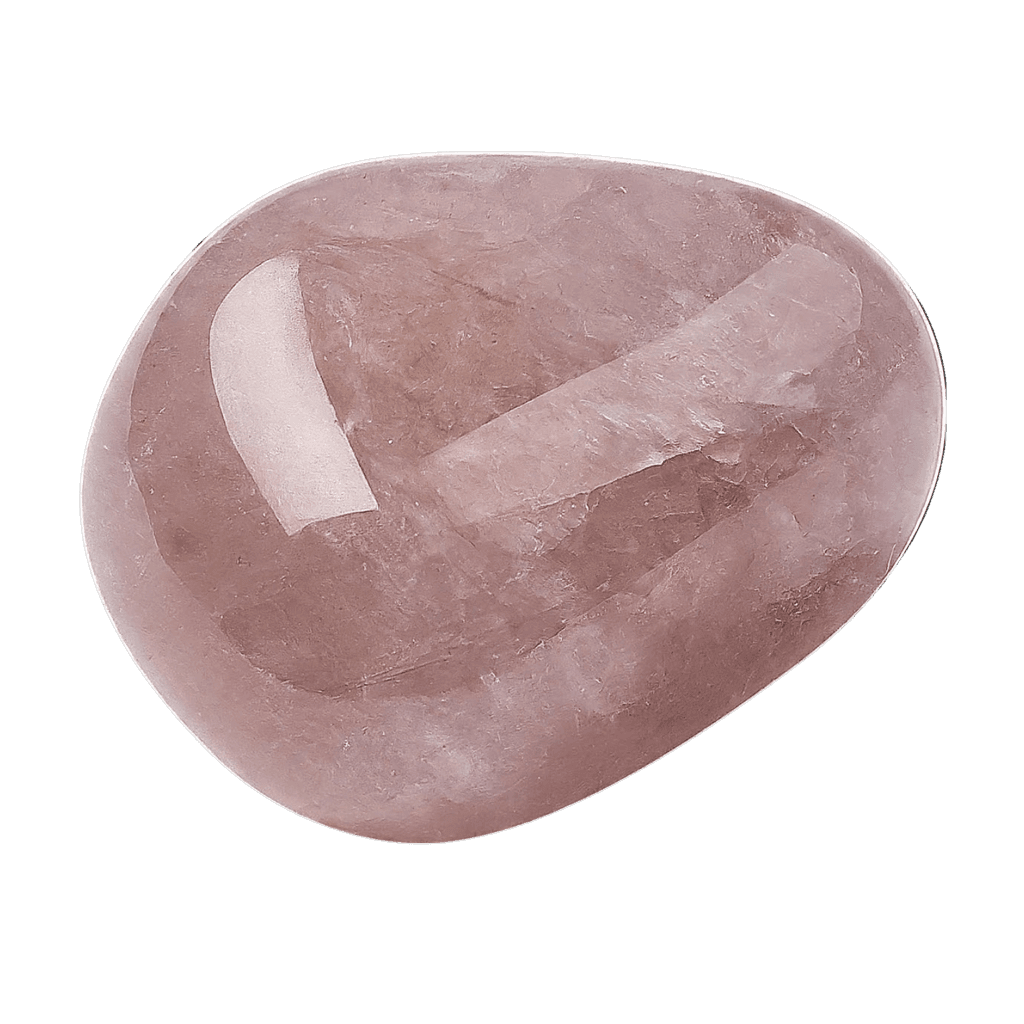
Morganite
Anchoring stone
The CrystalStones.com crystal store is not open yet. These stones are not for sale here.
To work these stones as one arrangement, build a crystal grid for the love and relationships sector, laid out in sacred geometry and set in the southwest corner.
What to Avoid in the Love and Relationships Sector
Joey Yap describes feng shui mistakes in this sector as more consequential than missed opportunities, the right stones in the wrong corner mostly do nothing, but the wrong objects in the right corner can actively block the sector's qi. Classical sources name these specific avoidances:
By Room
The love and relationships sector behaves differently in different rooms, the classical sources describe each space as having its own qi pattern that interacts with the sector's trigram.
In the bedroom
The love sector in a bedroom is the highest-leverage feng shui sector for partnership work. Place rose quartz or rhodonite on the dresser or nightstand, use pairs of decorative items (two pillows, two lamps), and avoid mirrors that reflect the bed, Compass School considers this destabilizing for partnership qi.
In the office or workspace
Even in an office, the southwest corner benefits from receptive Earth qi, a small piece of rose quartz or a soft pink object supports the kind of compassionate self-relationship that sustains professional resilience. Not for romantic activation per se, but for self-care.
In the living room
A living room's love sector benefits from comfortable seating in pairs, soft warm lighting, and gentle art. Lillian Too recommends keeping this corner inviting and uncluttered, somewhere two people can sit and talk easily.
Related Bagua Sectors
The eight Bagua sectors form a unified system, Lillian Too describes the Bagua as a single integrated map where each sector interacts with the others. These are the related sectors most often tended alongside the love and relationships corner:
About Master Wei Lin
Master Wei Lin (魏霖) is a stylized editorial persona representing a composite of classical Chinese metaphysics scholarship, drawn from Yuan Hai Zi Ping, Zi Ping Zhen Quan, the I-Ching, and the modern lineage of Joey Yap, Master Raymond Lo, Lillian Too, and Stephen Skinner. The content is written for educational reflection, with cultural safeguards: Chinese terms are introduced with 漢字 + pinyin + English, school differences are disclosed, and ritual prescriptions are described historically rather than instructed.
Frequently Asked Questions
Which compass direction is the love sector?
In Compass School Feng Shui, the love sector is the Southwest (西南 Xī Nán). In BTB Feng Shui, the love sector is the far-right corner from the front door entry. Both schools agree the trigram is Kun (坤) and the element is Earth.
Does the love sector work if I'm already married?
Yes, the love sector supports existing partnerships as much as new ones. The classical sources describe it as the sector that protects relational qi over time. Lillian Too recommends couples refresh their southwest sector annually around the Lunar New Year.
What's the best crystal for finding a partner?
Classical and modern feng shui consensus: rose quartz. It's the most widely recommended single addition to the southwest sector for those seeking partnership. Rhodonite and morganite are common additions, each adds a slightly different relational dimension.
Is it bad if my bathroom is in the love sector?
Classical sources do flag this as a challenging layout, water draining out of the love sector is traditionally said to drain partnership qi. Joey Yap recommends keeping the bathroom door closed, the toilet lid down, and a small rose quartz cluster on the bathroom counter as mitigation. It's not a curse, just a pattern to design around.
Should single people activate this sector?
Yes, and many feng shui teachers describe self-love work as the foundation of partnership work. Activating the southwest with rose quartz, soft colors, and pairs of comfortable items is as much about cultivating one's own receptive Earth qi as it is about 'attracting' anyone external.
Share Your Result
Vertical 9:16 format, perfect for Instagram Stories or TikTok. Opens in a new tab; long-press or right-click to save.
Notes from Master Wei Lin
No newsletter and no schedule. Master Wei Lin writes occasionally on BaZi, the five phases and feng shui, with the classical sources named. One reply removes you.
We respect your inbox. Unsubscribe anytime.
Explore More Tools
Kua Number Calculator
Find your personal feng shui directions and trigram.
Open →Chinese Zodiac Calculator
Find your zodiac animal, Wu Xing element, and crystal.
Open →Chinese Metaphysics Hub
Wu Xing, BaZi, Feng Shui, and the 12 Zodiac introduced.
Open →Knowledge and Self-Cultivation Sector
The knowledge and self-cultivation sector, northeast corner.
Open →