Quick Answer
Auralite is a purple crystal used in modern crystal healing for meditation, spiritual awakening, and intuition. It measures 7 on the Mohs hardness scale and typically costs $14 to $60 for a tumbled stone. In the chakra tradition, Auralite is associated with the Crown and Third Eye chakras.
Worth knowing: Promoters credit it with as many as 23 included minerals and a vast Precambrian age; the verifiable core is more modest and still appealing, a distinctively crowded Canadian amethyst with a rust-red crown.
“A rare amethyst-based crystal from Canada carrying many mineral inclusions, used for deep meditation.”
- Chakra
- Crown (Sahasrara), Third Eye (Ajna)
- Zodiac
- Pisces ♓, Scorpio ♏
- Element
- Spirit ✨, Air 💨
- Planet
- Jupiter ♃
- Hardness
- 7 / 10 (Mohs)
- Colors
- Purple, Red, Smoky, Grey
- Origin
- Canada
- Availability
- Not sold here yet
Care + Safety
Auralite at a glance
- Water: brief rinse safe
- Sun: fades in prolonged direct sun
- Mohs hardness: 7 (durable for daily-wear jewelry)
What is Auralite?
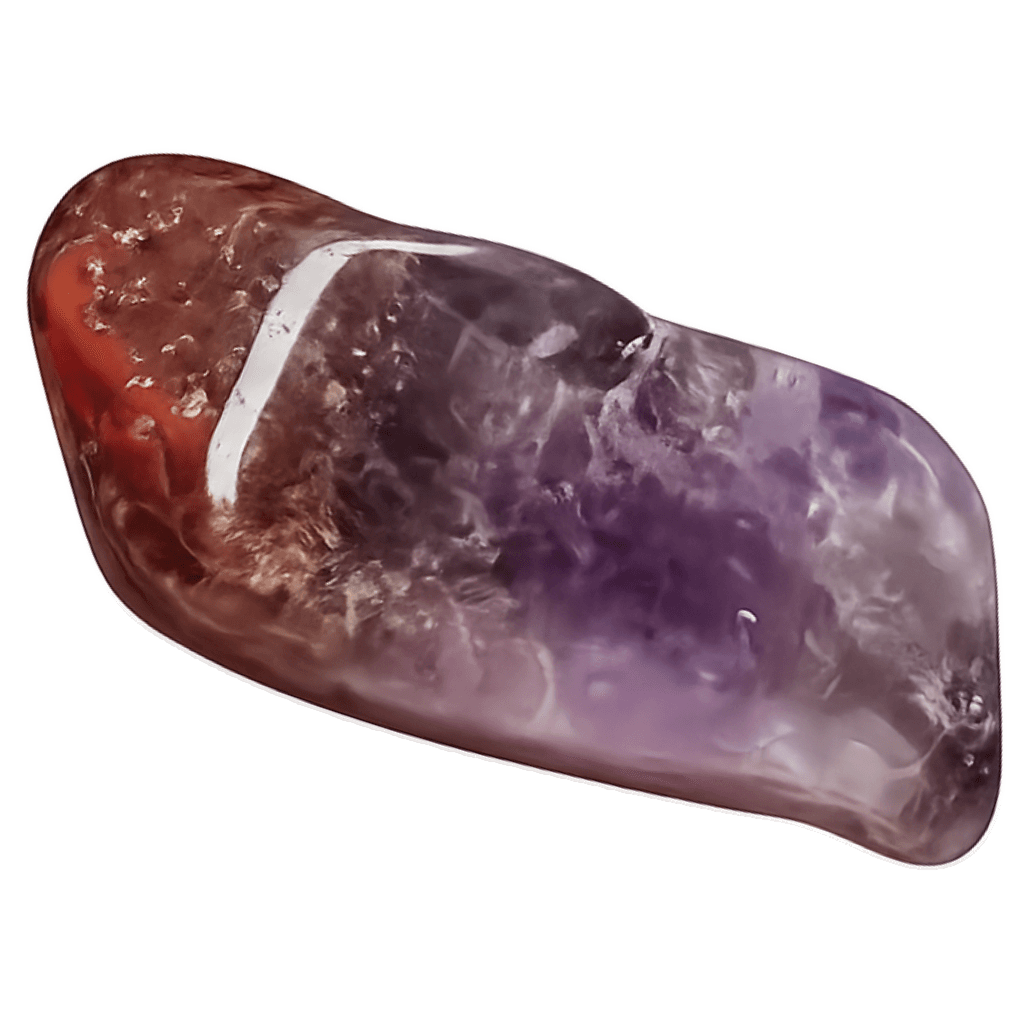
Auralite 23 is a trade name coined for inclusion-rich amethyst from veins north of Thunder Bay, Ontario, ordinary quartz at Mohs 7, typically wearing a rusty hematite-stained cap that explains its other alias, red cap amethyst.
Auralite measures 7 on the Mohs scale and shows purple, red, or smoky coloring. Quiet practice is its native ground; the catalog files it with the contemplative stones and hands it meditation, spiritual awakening, and intuition as its brief.
The stone connects primarily to the Crown (Sahasrara) and Third Eye (Ajna) chakras, carrying Spirit and Air energy. Sources include Canada; deposit matters more than beginners expect, and collectors learn to recognize where a piece of Auralite was mined by its color depth and pattern.
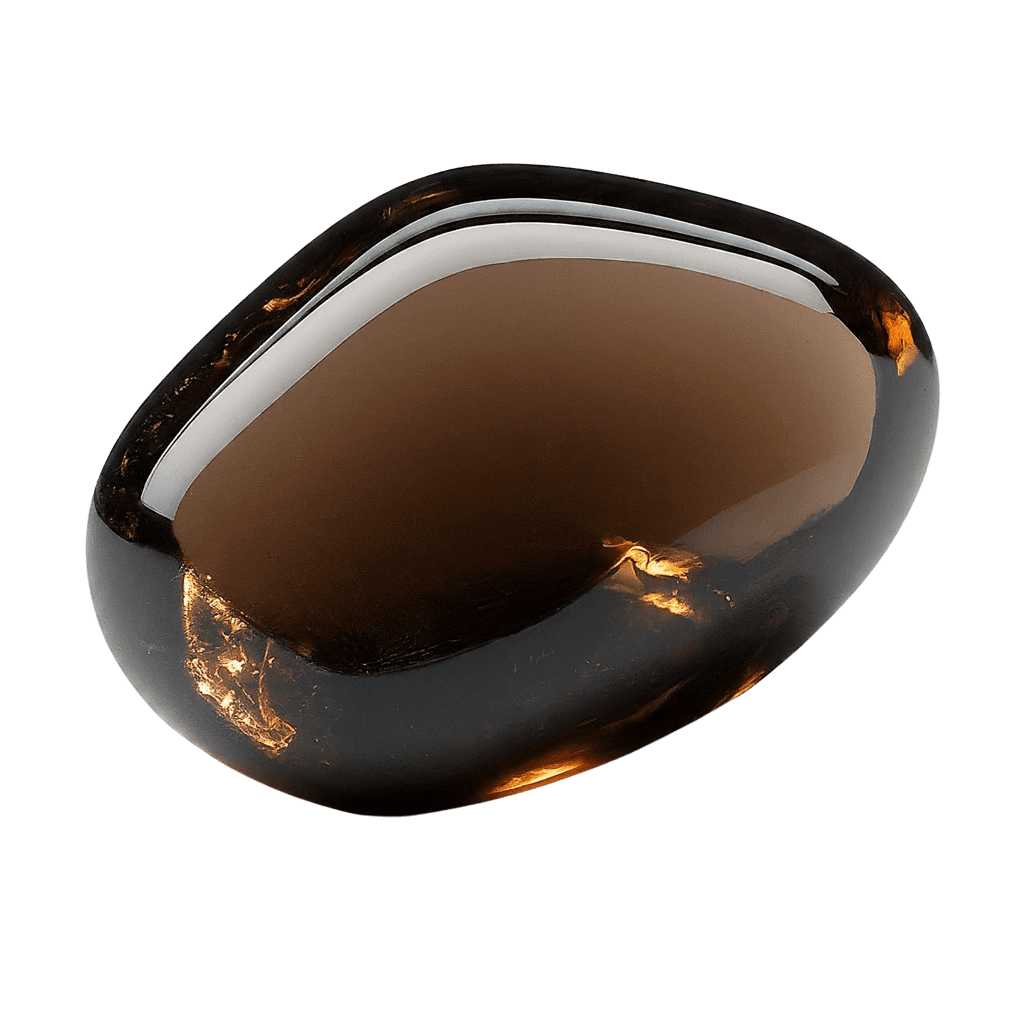
Auralite, often sold as Auralite 23, is a natural amethyst-based crystal from a single deposit north of Lake Superior in Ontario, Canada, formed well over a billion years ago and threaded with inclusions of minerals such as hematite, rutile, and others that give its reddish caps and smoky bands. Hold this stone to the brow and notice a quiet, almost deep-water stillness. In the crystal-healing tradition Auralite is treated as a powerful meditation and spiritual-awakening stone. As a quartz-family crystal it is durable, though I keep amethyst out of long sun so the purple does not fade.
Also catalogued as Auralite 23 and Red Cap Amethyst, this is a stone that rewards regular handling more than display. Give Auralite a week of meditation duty in the pocket before deciding what it is for.
History and Mythology
There is no credible ancient chapter to tell about Auralite. The species was described by modern science, and its associations with meditation were assigned by contemporary practitioners reading its color, structure, and feel. What the stone lacks in legend it makes up in geology, which asks for no embellishment; deposits worked today lie in Canada.
Astrologically minded practitioners file Auralite under Pisces and Scorpio and give Jupiter ♃ the rulership. The pairing is a 20th century convention rather than an ancient decree, and it is read as favoring meditation work.
Whatever the age of the name, the geology is patient: every piece of Auralite took shape over geological timescales, arriving at its Mohs 7 hardness through slow heat, pressure, and chemistry long before any hand reached for it.
Auralite Meaning and Metaphysical Properties
First Touch
Auralite announces itself through temperature: a cool, purple, glass-polished weight at Mohs 7 that warms deliberately, not instantly, inside a closed palm. Close your eyes for the first minute of contact; the contemplative stones report in images and half-thoughts more than in sensations, so give them a quiet channel.
Primary Properties
Stillness is the condition for everything on the Auralite list: meditation, spiritual awakening, intuition, and calm. These qualities belong to the contemplative family and surface where attention is unpressed, the morning sit, the dream journal, the silence before the house wakes. Give the stone a seat in that part of your life, not a place in your rush.
How Crystal Energy Works
At the top of the map is the Crown, the gate between personal energy and the larger field, and tradition keeps Auralite there for meditation. A light touch is the whole method: brief sessions, gentle attention, and meditation, spiritual awakening, and intuition understood as the work of seasons rather than afternoons. Judy Hall classes the contemplative stones with the third eye and crown and gives the whole family one instruction: seated work, short sessions, no forcing.
Amplification Through Intention
Auralite is assigned to Spirit, the fifth element in the modern Western system, the connective layer where meditation work begins and ends. Use it at the edges of practice, the minute before meditation and the minute after.
Healing Benefits
Emotional Support
Auralite attends the slow-surfacing feelings: meditation, spiritual awakening, and intuition, the states that only show themselves in quiet. Give it the processing hours, the journal, the sit, the unplugged walk, where emotion wants room instead of repair. As with all crystal healing, meditation support from a stone is reflective practice rather than medicine; significant emotional concerns deserve qualified human help.
Spiritual Connection
Auralite is one of the stones tradition reserves for the listening practices: meditation, dream journaling, the long silence where your own counsel becomes audible. It does not supply answers; it keeps you seated long enough to hear the ones already forming.
Physical Presence
Physically, tradition gives Auralite the lightest touch of all the elements: presence rather than program. Hold it when you want to feel quietly accompanied through meditation work; the comfort is real, and it is not a medical claim.
Chakra Connection
Auralite resonates most strongly with the Crown (Sahasrara), the energy center traditionally drawn in violet / white and the traditional seat of this stone's meditation work. When this center runs clear, the classical markers are spiritual connection, divine wisdom, and unity; meditation, spiritual awakening, and intuition are what Auralite is most often asked to bring to it.
Lying down, keep Auralite clear of the head altogether, near hair rather than against skin; crown placements sit at the body's edge, and soft attention rather than any measured stretch of it is the traditional meditation session.
Auralite also keeps a working line to the Third Eye (Ajna), which widens its range in layouts; let the primary placement lead, and add the second position once the first feels familiar.
Zodiac and Astrological Connection
In the modern correspondence tables Auralite is assigned to Pisces ♓ (Feb 19 to Mar 20) and Scorpio ♏ (Oct 23 to Nov 21); a Sun, Moon, or rising placement there is read as a head start with this stone, nothing more.
The gate, though, stands open: you do not need a Pisces Sun to work with Auralite, and a genuine pull toward the stone outweighs its paper assignments.
Jupiter ♃ rules Auralite in this tradition, so practitioners time their longer sessions to that planet's active periods, especially for meditation.
How to Use Auralite
These are the five ways of working with Auralite I suggest most often. Begin wherever your attention goes first; the sequence matters far less than starting.
- 1
Meditation Hold
Take up Auralite and register the first cool touch; a glassy stone at Mohs 7 warms slowly, and tracking that gradual change is a meditation in itself.
- 2
Body Placement
Crown placements sit off the body entirely: lying down, keep Auralite clear of the head rather than against it. Edge placement is the crown's convention, and soft attention rather than duration is what the tradition describes for meditation.
- 3
Sleep Companion
At night, park Auralite on the nightstand rather than working it; its job is the day's meditation, and ending the day cleanly is how tomorrow's session starts well.
- 4
Carry With You
Carry Auralite on the deciding days and touch it when you catch yourself rehearsing other people's opinions; the contact is a prompt to consult your own meditation first.
- 5
Crystal Grid Anchor
Set Auralite at the center of a grid built for meditation and ring it with Amethyst and Clear Quartz at the points. Speak the intention once as you place each stone; a grid is a sentence written in minerals, and saying the meditation aloud is the punctuation.
How to Cleanse and Charge
Keeping Auralite energetically clear is essential, a crystal that's holding too much absorbed energy becomes less effective, like a sponge that's full. For the full water-safe / sun-safe / salt-safe profile, the recommended cleansing cadence, and the hands-on storage instructions I give my clients, see the dedicated Auralite care guide.
- 1
Moonlight
Set Auralite on a windowsill or ledge under the full moon and collect it in the morning. Moonlight is the gentlest cleanse in the tradition, safe for every stone in the collection and impossible to overdo.
- 2
Selenite
Overnight on selenite is the lowest-maintenance cleanse Auralite can get: set it down at bedtime, pick it up cleared in the morning.
- 3
Sage
For a deeper reset, hold Auralite in sage smoke and name out loud what the stone has been carrying; the naming is half the cleanse.
- 4
Sound
Hold Auralite near a singing bowl, bell, or tuning fork and let a full minute of tone wash over it; sound reaches stones that water, salt, and sun cannot safely touch.
How often to cleanse
Monthly is the floor for Auralite; step the cadence up whenever the stone is in daily rotation or the season is emotionally loud. With practice you will feel the tell yourself, a worked stone reads heavier and flatter in the palm.
Charging after cleansing
Once it is cleansed, recharge Auralite by setting it on a selenite plate overnight or bathing it in full moonlight; cleansing empties the stone, charging refills it.
The Crystal Starter Library
A free guide from Crystal Cassandra: the twelve stones that cover almost everything, a one page care matrix for water, sun and salt, and how to build a first intention practice.
We respect your inbox. Unsubscribe anytime.
Crystal Pairings
Subtlety pairs with subtlety where Auralite is concerned; the traditional partners are chosen to deepen silence, never to puncture it. Think meditation-room sets, assembled for stillness and meditation. Add companions singly, a week between introductions, and let the quality of your sits make the final cut.
How to Spot Real vs Fake Auralite
The market in Auralite has grown faster than its honesty, and purple pieces are easy to imitate on a screen. Here is how to check one before you pay for it:
Temperature: genuine Auralite feels distinctly cool at first touch and gives that coolness up slowly; resin copies feel warm almost immediately, which is the quickest tell there is.
Weight: real Auralite should feel like stone rather than plastic pretending; if a palm-sized piece feels nearly weightless, walk away from it.
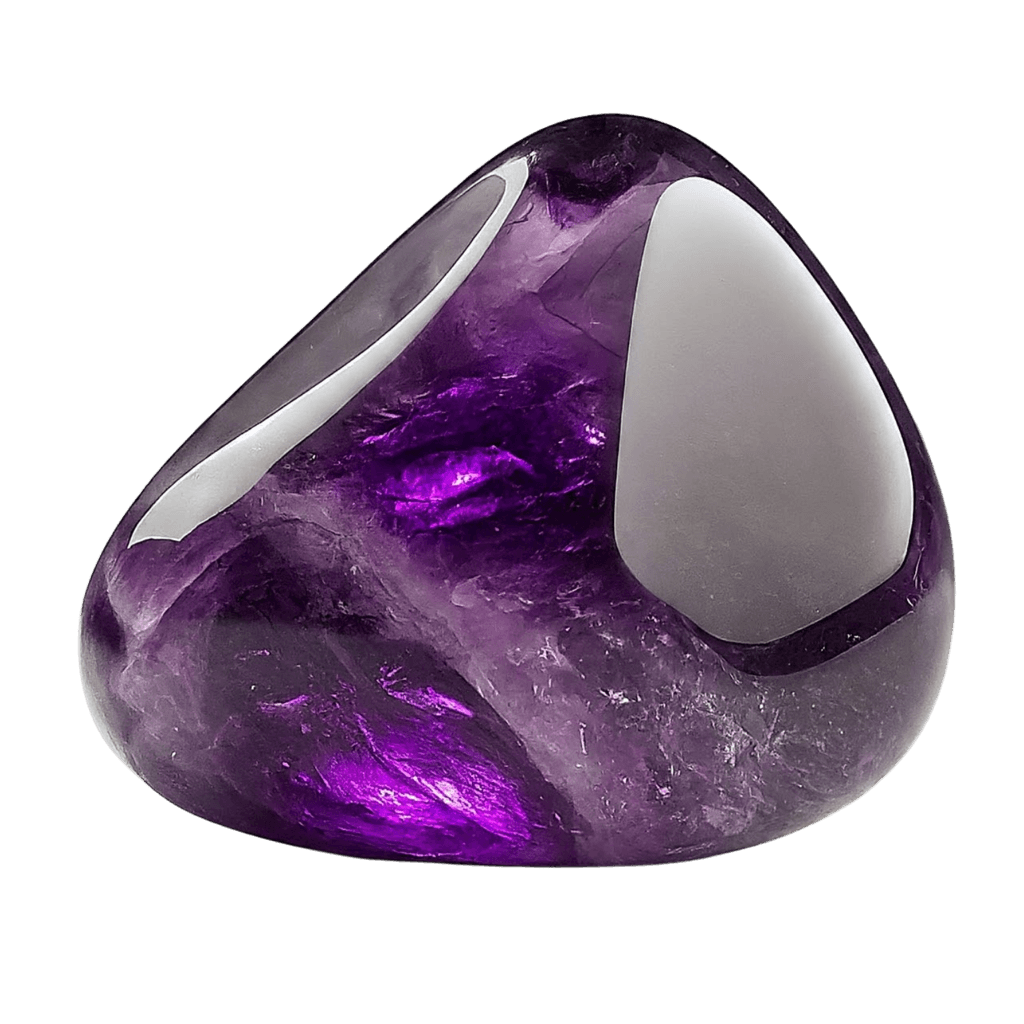
Color: expect purple, red, or smoky with honest variation, banding, zoning, the odd inclusion; a batch where every stone matches exactly came out of a factory, not the ground.
Price reality: the fair range for Auralite sits near $14 to $60 at palm size; below that, assume treatment or imitation until the seller proves otherwise.
Trust your source: buy Auralite from sellers who can name the mine or region behind their purple stock and who disclose treatments without being chased. A seller who volunteers that information before you ask is the one worth returning to.
Sourcing
Buying Auralite well
The CrystalStones.com crystal store is not open yet, so we do not sell Auralite here. What we can give you is the part that matters most: how to tell a genuine piece from a treated or dyed one, and how to care for it once it is yours.
Frequently Asked Questions
What is Auralite good for?
Auralite is traditionally associated with meditation, spiritual awakening, intuition, and calm. Many people find it supportive for meditation and for working with the Crown and Third Eye chakras.
Can Auralite go in water?
Yes. Auralite is water-safe at Mohs 7, so a brief rinse under cool running water is a perfectly good cleanse. Towel the stone off afterward and treat soaking as off the menu; brief contact is the whole agreement.
Can Auralite be in the sun?
Treat sun as a risk for Auralite: short incidental light does no harm, but hours of direct exposure will cost the purple tones their depth. Default to moonlight.
What chakra is Auralite?
Auralite is primarily associated with the Crown (Sahasrara) and Third Eye (Ajna) chakras. Edge placement is the rule here: the stone stays off the body rather than on it, whether seated or lying down, in keeping with crown-center meditation practice.
What zodiac sign is Auralite for?
Auralite is traditionally connected to Pisces and Scorpio. That said, the zodiac correspondence is an invitation rather than a requirement; any chart can work with Auralite, and attraction to the stone matters more than the calendar.
How do I cleanse Auralite?
The best methods for Auralite are Moonlight, Selenite, and Sage. Amethyst-based quartz, durable. Brief rinse is fine; the amethyst color fades in prolonged sun, so keep off sunny sills.
Is Auralite real or fake, how can I tell?
Genuine Auralite feels cool at first touch and warms slowly; at Mohs 7 it also resists the pocket scratches that mark softer fakes. A fair tumbled piece sits near $14 to $60 and shows honest variation across the purple range; flawless uniformity at a bargain price is the tell worth trusting.
What’s Next?
A few thoughtful next steps if Auralite is calling to you.
Explore More Tools
Crystal Quiz
Discover which crystal matches your energy right now.
Open →Chakra Test
Find which chakras need attention and the crystals to balance them.
Open →Crystal Cleansing Guide
Learn how to safely cleanse and charge your crystals.
Open →Crystals by Intention
Find the perfect crystal for what you need right now.
Open →