Quick Answer
Aventurine is a green crystal used in modern crystal healing for abundance, prosperity, and heart healing. It measures 7 on the Mohs hardness scale. In the chakra tradition, Aventurine is associated with the Heart chakra.
Worth knowing: Aventurine names an optical effect rather than a material, which is why aventurescent feldspar, the stone the trade sells as sunstone, carries the same name as green aventurine while sharing neither its mineralogy nor its rock type.
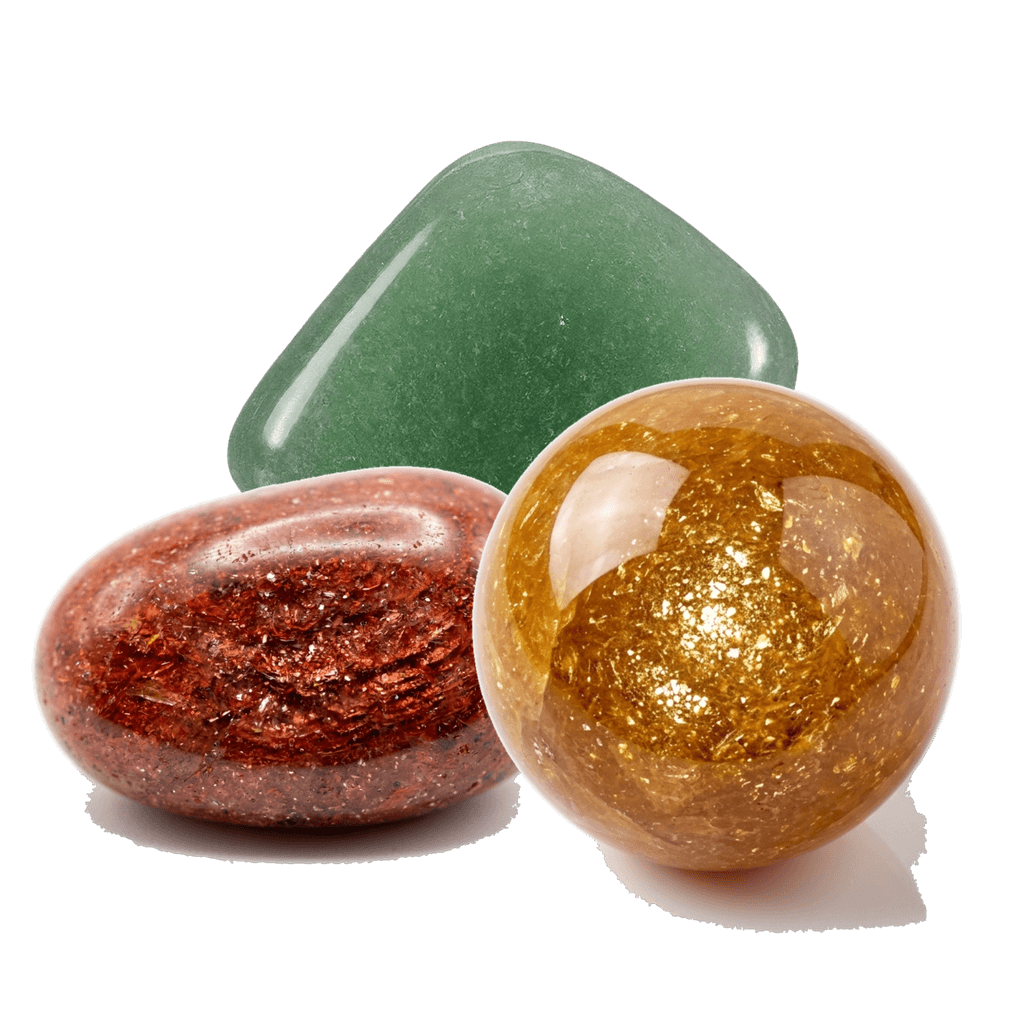
“Translucent quartzite that sparkles from included mica, and the parent of three catalog varieties whose colour comes from three different minerals.”
- Chakra
- Heart (Anahata)
- Zodiac
- Taurus ♉, Virgo ♍
- Element
- Earth 🌍
- Planet
- Venus ♀
- Hardness
- 7 / 10 (Mohs)
- Colors
- Green, Red, Orange, Yellow, Brown, Grey, Silver
- Origin
- India, Brazil, Russia, Tanzania, Spain
- Availability
- Not sold here yet
Care + Safety
Aventurine at a glance
- Water: brief rinse safe
- Sun: fades in prolonged direct sun
- Mohs hardness: 7 (durable for daily-wear jewelry)
What is Aventurine?
Aventurine is a rock plus an optical effect, and neither half is a mineral species. The Geology.com definition runs: a variety of translucent quartz or quartzite carrying abundant small plate shaped or flake shaped inclusions, and describes the sparkle those flakes throw back when light strikes them as aventurescence. Which mineral is doing the sparkling decides the colour, and the three aventurines in this catalog answer that question three different ways: fuchsite, a chromium rich green mica, makes green aventurine, while Geology.com attributes the pink, orange, red and brown material to hematite and goethite, the grey, yellowish and silvery grades to muscovite and ilmenite, and pink to purple material to flakes of lepidolite mica. Hardness runs 6.5 to 7, with a caveat that matters in daily wear: a lower apparent hardness is observed where the mica inclusions are abundant.
Aventurine measures 7 on the Mohs scale and shows green, red, or orange coloring. It is grouped with the prosperity stones and put to work on abundance, prosperity, and heart healing, always alongside real-world follow-through.
The stone connects primarily to the Heart (Anahata) chakra, carrying Earth energy. Commercial material comes from India, Brazil, Russia, Tanzania, and Spain, and provenance shows: pieces from different deposits vary in saturation, veining, and clarity, which is why no two specimens of Aventurine read quite alike.
Aventurine is an effect with a rock attached. The name describes a sparkle, not a substance, and the three aventurines in the CrystalStones.com catalog are the same translucent quartzite carrying three different guest minerals. Tilt one slowly under a lamp and notice that the glitter travels: it rolls across the surface as the angle changes rather than sitting still like a flaw, because you are watching light bounce off thousands of flat mineral flakes suspended in the quartz. That rolling sparkle is the whole family in one gesture, and a piece that does not do it has no business carrying the name.
Also catalogued as Aventurine Quartz, Aventurine Quartzite, and Indian Jade, Aventurine earns its place in a working collection by being usable: start with abundance, the job it is best known for, and let the stone widen its own brief from there.
The aventurine name covers 3 stones in this catalog, each with its own entry: Green Aventurine, Red Aventurine, Yellow Aventurine.
History and Mythology
Aventurine's history is a history of one word doing too much work. Because the name records an appearance rather than a substance, it was attached to unrelated materials before anyone tried to be precise, and one of those collisions is still live in shop windows today. Geology.com notes that oligoclase and plagioclase feldspars carrying inclusions of hematite or copper are known as aventurescent feldspars, under the more popular name sunstone. Sunstone and green aventurine can both be sold as aventurine, and they are not the same mineral, not the same rock, and not even close relatives.
The trade then added a misnomer of its own. Green aventurine has been sold as Indian jade for well over a century, on the strength of colour, translucency and a shared Indian supply chain and nothing else. Aventurine is quartzite. Jade is either nephrite or jadeite, and neither has anything in common with it beyond looking green across a counter. The habit is old enough that Indian jade still appears on labels written by people who are not trying to deceive anybody.
The supply has been concentrated in one country for as long as the stone has been commercial. Geology.com records India as by far the most important producer of aventurine, with Brazil in second place, and the southern Indian deposits are where most of the world's green material has come from.
Aventurine Meaning and Metaphysical Properties
First Touch
The first touch of Aventurine is cooler than you expect, and the green polish is slick as bottle glass. Mohs 7 stones hold their temperature, and that slow warming is part of their character. Watch your own thinking while the stone sits nearby; the prosperity family is known for nudging attention toward one concrete action rather than the wish.
Primary Properties
Prosperity work is where the Aventurine property list lives: abundance, prosperity, heart healing, confidence, and vitality. Tradition frames every entry as support for spotting the opening and doing the work, never as a coupon for luck. Give the stone one specific goal; vague wishes give it nothing to mark.
How Crystal Energy Works
Traditional practice routes Aventurine through the Heart center, the crossroads of the chakra map, where its abundance work is done. Heart-center practice is breath-paced, stone at the heart center, attention resting on abundance, prosperity, and heart healing, nothing forced. The prosperity stones enter the modern literature, in Melody's Love Is in the Earth and Hall's Crystal Bible alike, as stones of intention and follow-through rather than windfall, a framing this site keeps.
Amplification Through Intention
Earth stones such as Aventurine are traditionally treated as keel rather than sail; they hold a abundance course. Give the assignment once, clearly, and then let routine carry it.
Healing Benefits
Emotional Support
Aventurine works the emotional ground beneath abundance, prosperity, and heart healing: the scarcity stories, the deserving question. Hold it while naming one thing you are ready to receive; the saying matters more than the stone, and the stone is what gets you to say it. These are traditional abundance associations rather than medical claims; for anything heavy or persistent, a qualified professional belongs in the picture alongside any stone.
Spiritual Connection
Gratitude is the spiritual engine of the prosperity family, and Aventurine is traditionally the stone that holds the daily practice of naming what is already sufficient. Without that naming, the old caution goes, the whole pursuit curdles into appetite.
Physical Presence
Physically, Aventurine belongs to the slow systems: steady meals, regular sleep, the unglamorous maintenance that abundance actually rests on. Keep it where the routines happen as a quiet vote for keeping them; anything clinical belongs with clinicians.
Chakra Connection
Aventurine resonates most strongly with the Heart (Anahata), the energy center traditionally drawn in green / pink and the traditional seat of this stone's abundance work. When this center runs clear, the classical markers are softness without collapse, generosity of feeling, and ease in giving and receiving love; abundance, prosperity, and heart healing are what Aventurine is most often asked to bring to it.
Lie down with Aventurine at the heart center, letting the breath rock it; a quiet unmeasured stretch of that is the oldest heart-stone session in the book, and abundance is the usual request.
Zodiac and Astrological Connection
Astrological tradition links Aventurine with Taurus ♉ (Apr 20 to May 20) and Virgo ♍ (Aug 23 to Sep 22), and practitioners often suggest the stone meets Taurus placements with the least friction.
Correspondence is a suggestion, not a bouncer; plenty of devoted Aventurine keepers have no Taurus in their chart at all, and being drawn to the stone is the credential that matters.
The assigned ruler is Venus ♀; in practice that means Aventurine comes out when that planet is prominent in the sky or in your chart, and abundance is the work it is handed.
How to Use Aventurine
Here are five ways I recommend working with Aventurine. Start with whichever feels most natural, there's no wrong entry point.
- 1
Meditation Hold
Take up Aventurine and register the first cool touch; a glassy stone at Mohs 7 warms slowly, and tracking that gradual change is a meditation in itself.
- 2
Body Placement
Heart-center layouts hand the pacing to the breath: Aventurine rides the rise and fall while you lie still. Watch the stone rise and settle, and let the watching be the entire practice. In my own sessions the noticing is what stays with me long after the stone has gone back on the shelf. The request the old charts attach here is abundance.
- 3
Sleep Companion
At night, park Aventurine on the nightstand rather than working it; its job is the day's abundance, and ending the day cleanly is how tomorrow's session starts well.
- 4
Carry With You
Station Aventurine among the working tools, wallet, laptop bag, order book, so the accidental touches keep arriving; each one re-asks the abundance question, which is always the same, what is the next concrete step?
- 5
Crystal Grid Anchor
Use Aventurine as the heart of a small grid for abundance, with Green Aventurine and Red Aventurine alternating on the spokes. Place the stones slowly and set the last one down with the abundance intention named out loud.
How to Cleanse and Charge
Keeping Aventurine energetically clear is essential, a crystal that's holding too much absorbed energy becomes less effective, like a sponge that's full. For the full water-safe / sun-safe / salt-safe profile, the recommended cleansing cadence, and the hands-on storage instructions I give my clients, see the dedicated Aventurine care guide.
- 1
Moonlight
Set Aventurine on a windowsill or ledge under the full moon and collect it in the morning. Moonlight is the gentlest cleanse in the tradition, safe for every stone in the collection and impossible to overdo.
- 2
Sage
For a deeper reset, hold Aventurine in sage smoke and name out loud what the stone has been carrying; the naming is half the cleanse.
- 3
Selenite
Overnight on selenite is the lowest-maintenance cleanse Aventurine can get: set it down at bedtime, pick it up cleared in the morning.
- 4
Earth
Bury Aventurine in clean garden soil or a pot of earth for a full day; the tradition holds burial to be the deepest reset, returning the stone to the element it came from.
- 5
Sound
Sound-cleanse Aventurine by striking a bowl or bell, letting each tone fade completely before the next; the vibration does the clearing, and no contact is needed.
How often to cleanse
Give Aventurine a clearing at least every month, and sooner after hard weeks or heavy daily use. The stone will teach you its own signal in time; most people describe it as dullness, weight, or a sense the stone has gone quiet.
Charging after cleansing
Once it is cleansed, recharge Aventurine by setting it on a selenite plate overnight or bathing it in full moonlight; cleansing empties the stone, charging refills it.
The Crystal Starter Library
A free guide from Crystal Cassandra: the twelve stones that cover almost everything, a one page care matrix for water, sun and salt, and how to build a first intention practice.
We respect your inbox. Unsubscribe anytime.
Crystal Pairings
Blind spots decide the pairings for Aventurine: vision needs ground under it, ambition needs heart beside it. Each traditional partner supplies one of those counterweights to the abundance effort. Station the pair at the desk or workbench, anywhere but a drawer.
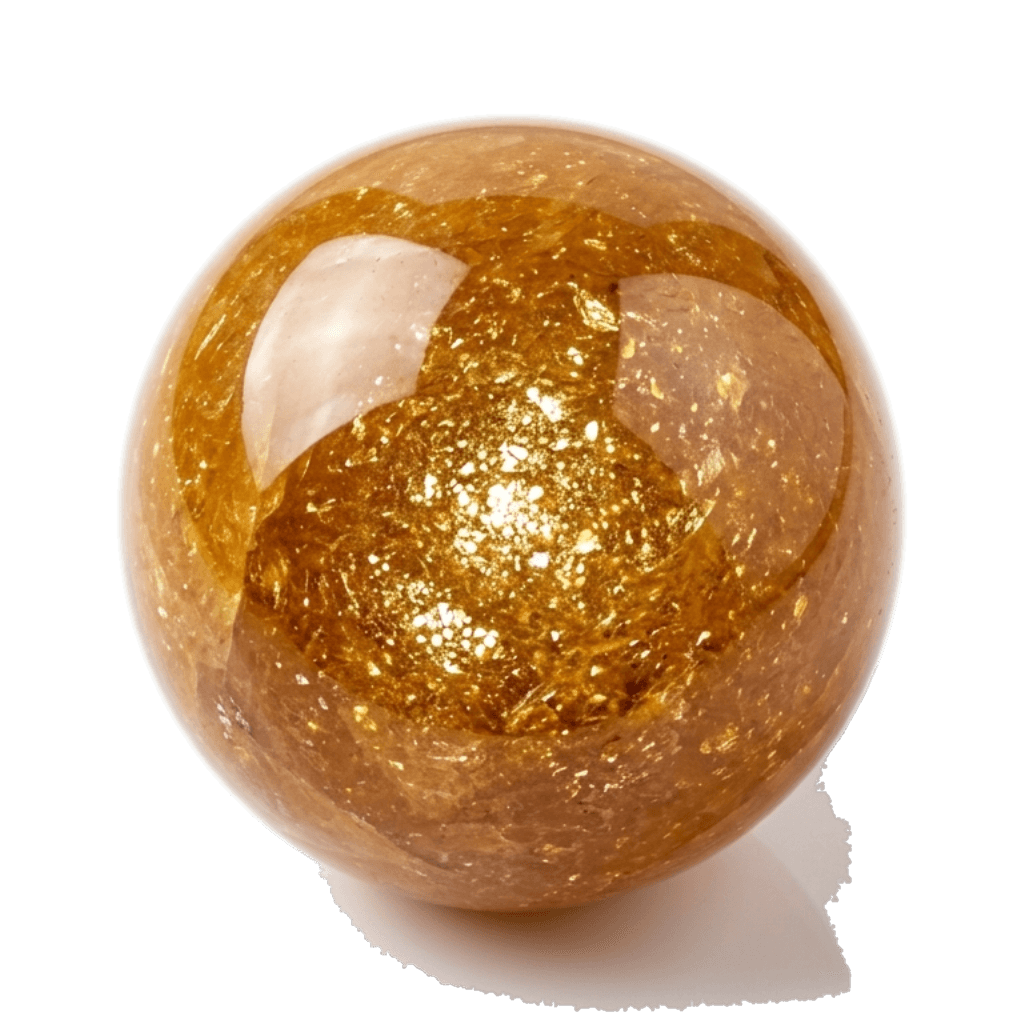
Buying Aventurine: Price, Quality, and Jewelry
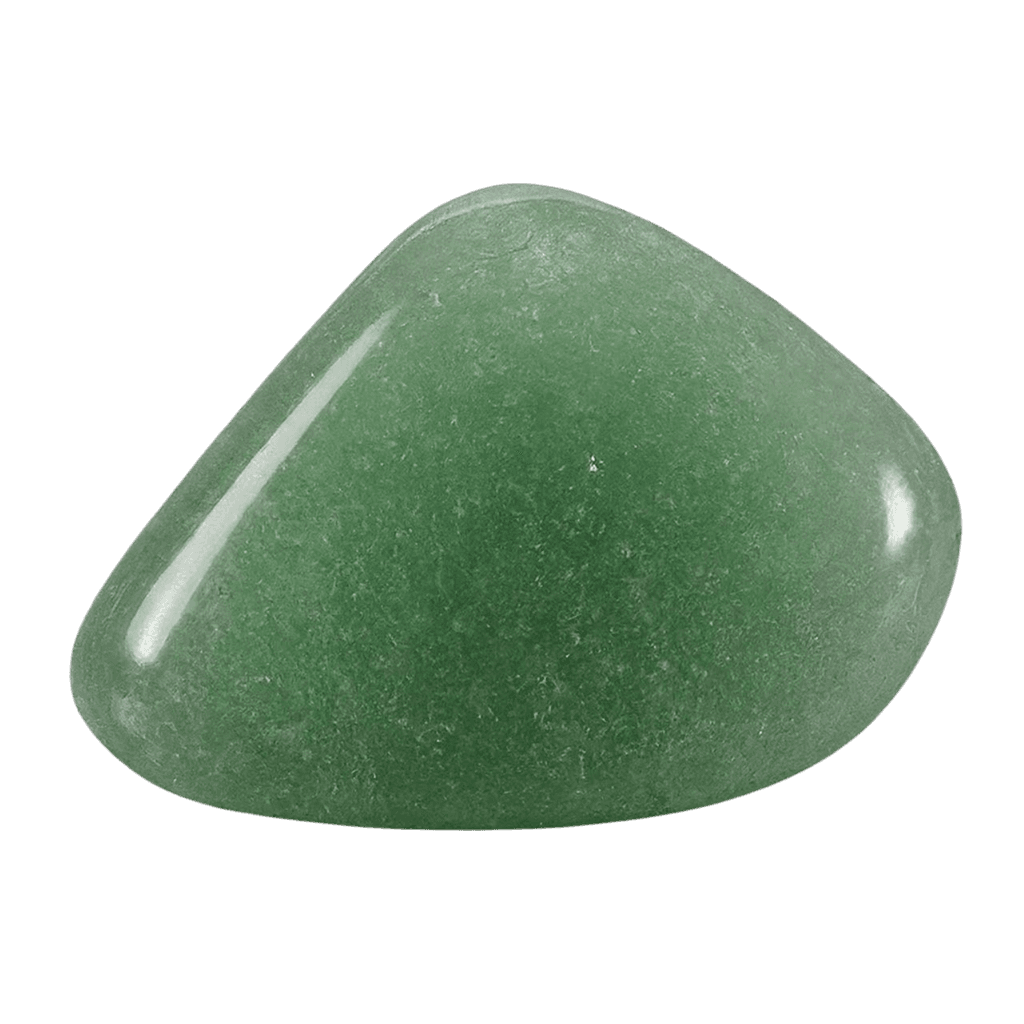
Start with the sparkle, because the sparkle is the definition. Tilt the piece under a single light source and watch whether the glitter moves across the face. Material sold as aventurine with no visible aventurescence is simply green quartzite, and a good deal of what reaches the tumbled bins is exactly that.
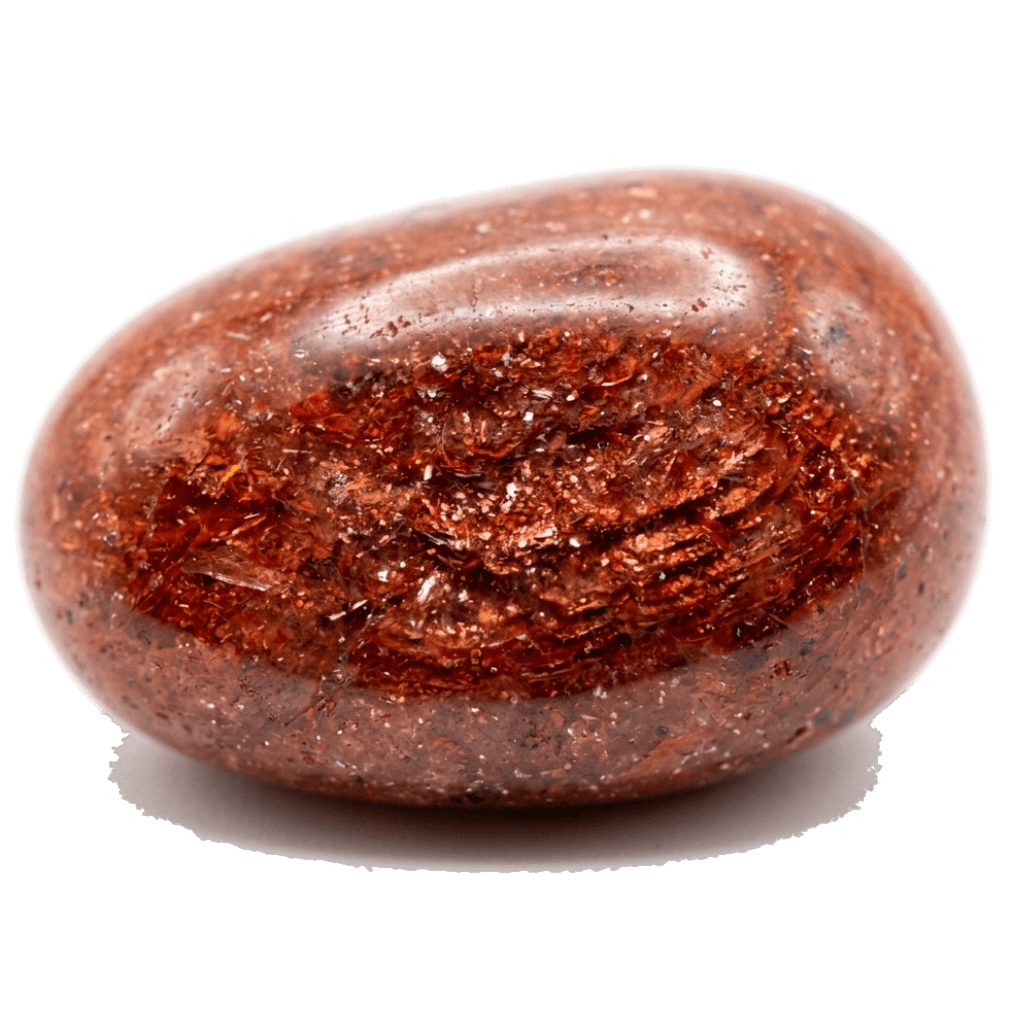
Then choose by what put the colour there, because in this family that is the only real difference. Green is fuchsite and it is the archetype, the one the whole name is built on. Red, orange and brown are iron oxide, hematite or goethite, giving a warmer and usually coarser glitter. Yellow and silvery grey come from muscovite and ilmenite and read as metallic rather than green. Those three colours are three different guest minerals in one host rock, not three grades of one stone.
The honesty question here is dye, and it has a simple test. Vivid blue and peach aventurine are the two shades to slow down on, because Geology.com states that aventurine and translucent quartz without aventurescence are often dyed bright colours. Natural aventurine colour is muted, slightly uneven, and always has a visible cause you can point at, namely the flakes. Dyed material tends to be theatrically even, and more tellingly it is often bright without being sparkly at all, which is colour with nothing behind it. The other impostor is not stone at all, and it is covered on the goldstone page: copper spangled glass, which sparkles far too regularly to be mistaken for mica once you have seen both.
Market figures, for orientation only. The CrystalStones.com store is not open, so nothing here is an offer. Aventurine is one of the least expensive stones in the polished trade, because India produces it in volume, it cuts easily and it takes a good polish without special handling, so tumbled pieces sit in the low single digit dollars and palm stones and spheres in the low tens. What moves a price, in order: how strongly the aventurescence shows, evenness of natural colour, translucency, size and intactness of a carved piece, and honest labelling. In my practice the caution worth more than any of those is the plainest one: aventurine priced like aventurine but coloured like dyed glass is dyed glass money you are about to spend.
How to Spot Real vs Fake Aventurine
The market in Aventurine has grown faster than its honesty, and green pieces are easy to imitate on a screen. Here is how to check one before you pay for it:
Temperature: genuine Aventurine feels distinctly cool at first touch and gives that coolness up slowly; resin copies feel warm almost immediately, which is the quickest tell there is.
Weight: real Aventurine should feel like stone rather than plastic pretending; if a palm-sized piece feels nearly weightless, walk away from it.
Color and pattern: natural Aventurine runs green, red, or orange, with variation from piece to piece; perfectly uniform color across a whole tray is the classic mark of dye or synthetics.
Trust your source: provenance beats any hands-on check; ask where the Aventurine was mined and whether the green material is treated, and expect straight answers rather than adjectives.
Frequently Asked Questions
What is Aventurine good for?
Aventurine is traditionally associated with abundance, prosperity, heart healing, and confidence. Many people find it supportive for abundance and for working with the Heart chakra.
Can Aventurine go in water?
It can. Aventurine handles brief water contact without trouble at Mohs 7, and a short rinse under cool water makes a sound regular cleanse. Dry it afterward and skip long soaks, which no tumbled stone loves.
Can Aventurine be in the sun?
Keep it brief. Prolonged direct sun can fade the green coloring of Aventurine, so a few morning minutes are fine but moonlight is the safer charging method.
What chakra is Aventurine?
Aventurine is primarily associated with the Heart (Anahata) chakra. Let it ride at the heart center during lying-down practice, moved by the breath; that station is the traditional seat of its abundance work.
What zodiac sign is Aventurine for?
Aventurine is traditionally connected to Taurus and Virgo. Astrological correspondence is one tradition among several, and nothing about your chart disqualifies you; people without a Taurus placement work with Aventurine all the time.
How do I cleanse Aventurine?
The best methods for Aventurine are Moonlight, Sage, and Selenite. Two family wide cautions, and both come from the mica rather than the quartz. Colour first: the green grades fade in prolonged direct sun, so moonlight or earth is the family default and a sunny windowsill is the one place aventurine should not live. Hardness second: Geology.com notes that a lower apparent hardness is observed where mica inclusions are abundant, which means the sparkliest pieces are also the easiest to scratch. Brief water is fine; store away from harder stones.
Is Aventurine real or fake, how can I tell?
Genuine Aventurine feels cool at first touch and warms slowly; at Mohs 7 it also resists the pocket scratches that mark softer fakes. There is no single Aventurine price, because each variety carries its own market; judge a piece against its own variety and expect visible variation rather than uniformity.
Is aventurine a real crystal or a rock?
Aventurine is a rock rather than a mineral species. Geology.com defines it as a variety of translucent quartz or quartzite carrying abundant plate shaped or flake shaped inclusions, which makes it an aggregate of quartz grains plus guest minerals rather than a single crystal. The name describes the sparkle those inclusions produce, so aventurine is closer in kind to a rock name such as granite than to a mineral name such as quartz.
What is the difference between aventurine and jade?
Aventurine and jade are unrelated materials that share a colour. Aventurine is quartzite, a quartz rock that sparkles because of included mica flakes, while jade is either nephrite or jadeite, two entirely different minerals with an interlocking fibrous structure that makes real jade extraordinarily tough. Green aventurine has been sold as Indian jade for over a century, but the trade name reflects colour and supply route rather than any mineralogical relationship.
Is blue or peach aventurine natural?
Blue and peach aventurine are the two shades most likely to be treated. Geology.com states plainly that aventurine and translucent quartz without aventurescence are often dyed bright colours, and those two shades are where the practice concentrates. The test specific to this family is simpler than looking for dye: natural aventurine colour has a visible cause, namely the mineral flakes, and those flakes make the surface glitter roll as the stone tilts. Bright colour with no sparkle behind it has nothing holding it up.
What is aventurescence?
Aventurescence is the rolling glitter that defines the aventurine family. Light entering the translucent quartz strikes thousands of flat mineral flakes suspended inside it and reflects back, so the sparkle appears to travel across the surface as the stone is tilted. It differs from the milky sheen of moonstone, which is adularescence, and from the flashing colour of labradorite, which is labradorescence; all three are separate optical effects with separate causes.
Which aventurine should a beginner start with?
Green aventurine is the sensible first aventurine, since it is the archetype the family name was built around, the most widely stocked, and the cheapest to find honestly labelled. Pick it up under a lamp before buying and check that the glitter actually moves. Choose red or yellow aventurine instead if you want to see the same rock with a different guest mineral doing the sparkling, since those two are iron oxide and muscovite rather than fuchsite.
What’s Next?
A few thoughtful next steps if Aventurine is calling to you.
Explore More Tools
Crystal Quiz
Discover which crystal matches your energy right now.
Open →Chakra Test
Find which chakras need attention and the crystals to balance them.
Open →Crystal Cleansing Guide
Learn how to safely cleanse and charge your crystals.
Open →Crystals by Intention
Find the perfect crystal for what you need right now.
Open →