
Quick Answer
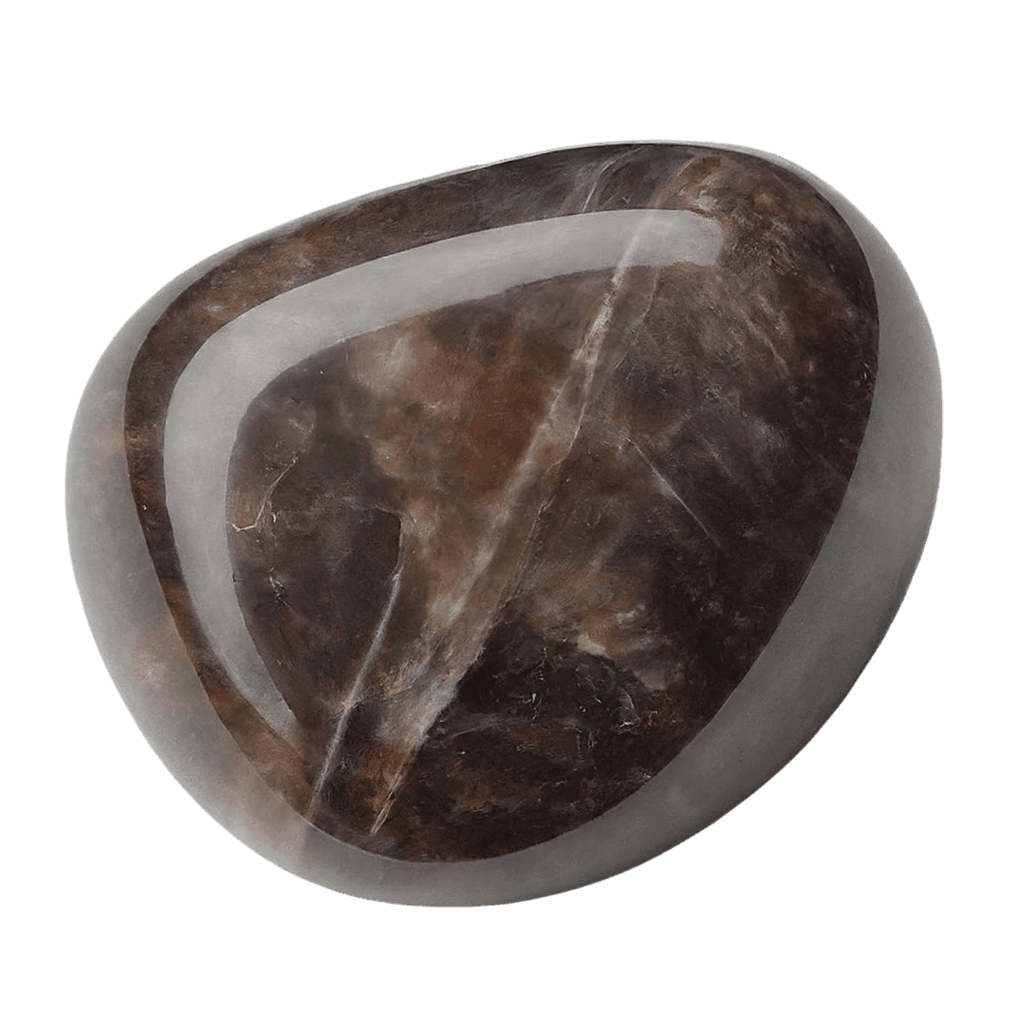
Axinite is a clove brown crystal used in modern crystal healing for grounding, focus, and meditation. It measures 6.75 on the Mohs hardness scale and typically costs $14 to $45 for a tumbled stone. In the chakra tradition, Axinite is associated with the Root and Third Eye chakras.
Worth knowing: The benchmark specimens come from Bourg d'Oisans in the French Alps, the locality that supplied the material first described and named in the 1790s.
“A wedge-shaped clove-brown silicate of grounded perception and earth alignment.”
- Chakra
- Root (Muladhara), Third Eye (Ajna)
- Zodiac
- Taurus ♉, Capricorn ♑
- Element
- Earth 🌍
- Planet
- Saturn ♄
- Hardness
- 6.75 / 10 (Mohs)
- Colors
- Clove brown, Violet brown, Honey
- Origin
- France, Russia, Pakistan
- Availability
- Not sold here yet
Care + Safety
Axinite at a glance
- Water: brief rinse safe
- Sun: tolerates sunlight charging
- Mohs hardness: 6.75 (occasional wear only)
What is Axinite?
Axinite crystallizes in knife-edged clove-brown wedges so distinctive that the Greek word for axe became its name. A complex calcium borosilicate near 6.5 to 7 in hardness, it is a classic of Alpine mineral collecting.
Axinite measures 6.75 on the Mohs scale and shows clove brown, violet brown, or honey coloring. By temperament it is a keeper stone, the guarding end of the collection, and grounding, focus, and meditation are what it is most often handed.
The stone connects primarily to the Root (Muladhara) and Third Eye (Ajna) chakras, carrying Earth energy. Commercial material comes from France, Russia, and Pakistan, and provenance shows: pieces from different deposits vary in saturation, veining, and clarity, which is why no two specimens of Axinite read quite alike.
Axinite forms in distinctive wedge-shaped clove-brown crystals; the name comes from the Greek word for axe. Hold this stone and notice a stable, earthward attention. The classical sources describe Axinite as a stone of attunement to the earth and to the practical, of bringing intuition into the body.
Also catalogued as Iron Axinite, this is a stone that rewards regular handling more than display. Give Axinite a week of grounding duty in the pocket before deciding what it is for.
History and Mythology
Axinite is a modern entry in the crystal canon. Its mineral identity was established in the scientific era, the healing vocabulary around it dates to recent decades, and any claim of ancient ritual use should be met with a raised eyebrow. The stone itself, formed in deposits now mined in France, Russia, and Pakistan, is of course older than every book ever written about it.
Astrologically minded practitioners file Axinite under Taurus and Capricorn and give Saturn ♄ the rulership. The pairing is a 20th century convention rather than an ancient decree, and it is read as favoring grounding work.
Whatever the age of the name, the geology is patient: every piece of Axinite took shape over geological timescales, arriving at its Mohs 6.75 hardness through slow heat, pressure, and chemistry long before any hand reached for it.
Axinite Meaning and Metaphysical Properties
First Touch
Axinite meets the hand cool and composed: at Mohs 6.75 it takes a glass-bright polish, and that first chill lingers a while before your warmth wins. Attend to heaviness rather than to tingling. Ballast is the quality this family is traditionally read for, so that is the thing worth giving your attention to.
Primary Properties
Protection is the through-line in the Axinite properties: grounding, focus, meditation, and clarity. Stones of this family work like good walls, defining rather than confining, and their gift is the slower breath of feeling contained. Treat the traditional list as a sketch; the steadiness you actually need is the version worth practicing.
How Crystal Energy Works
In traditional crystal healing Axinite is read through the Root center, the body's claim to ground, and grounding is the quality it is most often asked to bring there. Root work is low and slow, seated practice, feet flat, with grounding, focus, and meditation as the standing assignment. Melody's Love Is in the Earth describes the grounding stones through the root connection, the energetic cord she pictures running from the base of the spine into the earth itself.
Amplification Through Intention
Axinite is classed as an Earth stone, patient, bodily, hard to knock over, which sets the pace of its grounding work. Prefer routines over ceremonies, the same pocket, the same desk corner, and let consistency do for grounding, focus, and meditation what intensity cannot.
Healing Benefits
Emotional Support
Axinite works the defended-and-rooted layer of feeling: grounding, focus, and meditation are its traditional emotional assignments. Keep it near on the porous days, the ones where every mood in the room seems to walk straight in. Tradition, not treatment: grounding work with a stone sits beside professional support, never in place of it.
Spiritual Connection
Axinite holds the doorkeeper post in spiritual practice: tradition gives it the opening breath before inner work and the deliberate landing afterward. For this family, a well-kept boundary is itself a form of devotion.
Physical Presence
Tradition reads Earth stones like Axinite through the soles of the feet: stance, weight, the felt fact of standing somewhere while you work on grounding. Try standing barefoot with the stone in hand when the day goes abstract; the practice is awareness, not medicine.
Chakra Connection
Axinite resonates most strongly with the Root (Muladhara), the energy center traditionally drawn in red and the traditional seat of this stone's grounding work. When this center runs clear, the classical markers are steadiness, physical security, and a settled sense of ground; grounding, focus, and meditation are what Axinite is most often asked to bring to it.
Work it seated and slow; put Axinite on the floor where your gaze lands, feet flat, and breathe down toward it. Root work is the least dramatic chakra work there is, which is exactly why grounding grows well in it.
Because Axinite is also associated with the Third Eye (Ajna), it moves well in multi-stone layouts: one stone, two stations, worked on different days.
Zodiac and Astrological Connection
In the modern correspondence tables Axinite is assigned to Taurus ♉ (Apr 20 to May 20) and Capricorn ♑ (Dec 22 to Jan 19); a Sun, Moon, or rising placement there is read as a head start with this stone, nothing more.
The gate, though, stands open: you do not need a Taurus Sun to work with Axinite, and a genuine pull toward the stone outweighs its paper assignments.
In the planetary layer of the system, Saturn ♄ holds the rulership, and that planet's prominent transits are the traditional windows for deeper grounding work with Axinite.
How to Use Axinite
These are the five ways of working with Axinite I suggest most often. Begin wherever your attention goes first; the sequence matters far less than starting.
- 1
Meditation Hold
Begin the sit with Axinite against the skin and use its coolness as the focus; at Mohs 6.75 it holds that freshness for a while before giving in to body heat.
- 2
Body Placement
Hip level when reclining, floor level when seated, that is where the chakra charts kept a Root stone like Axinite. Nothing here is meant to be strenuous. Set the stone down, stay a while, and see where your attention keeps going back to. The grounding heading belongs to the tradition, and it stays a tradition rather than a promise.
- 3
Sleep Companion
Axinite can still earn the nightstand even though its brief is grounding rather than rest: setting the stone down as you set the day down marks the switch from doing to sleeping.
- 4
Carry With You
For the loud days, packed trains, hard meetings, difficult rooms, Axinite earns its pocket space. The brief touch becomes a perimeter check, a reminder that grounding is portable.
- 5
Crystal Grid Anchor
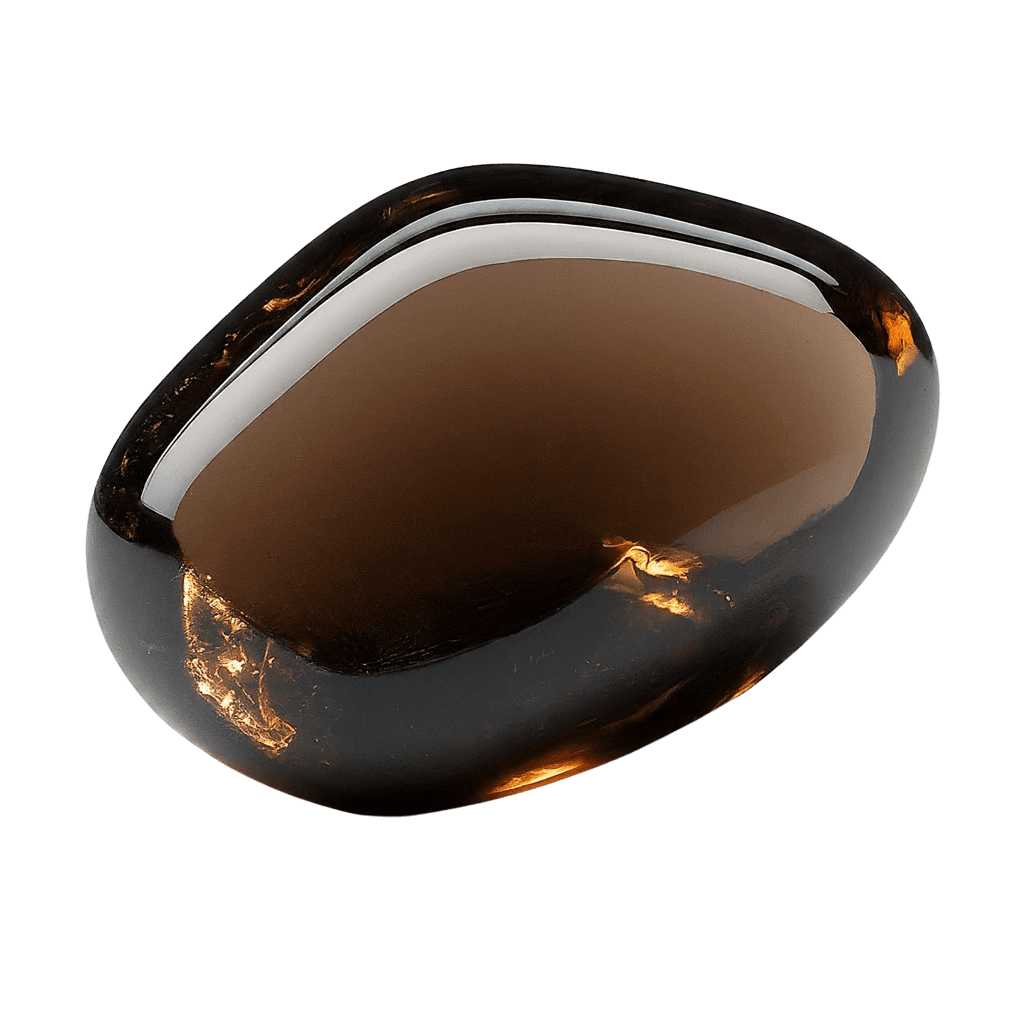
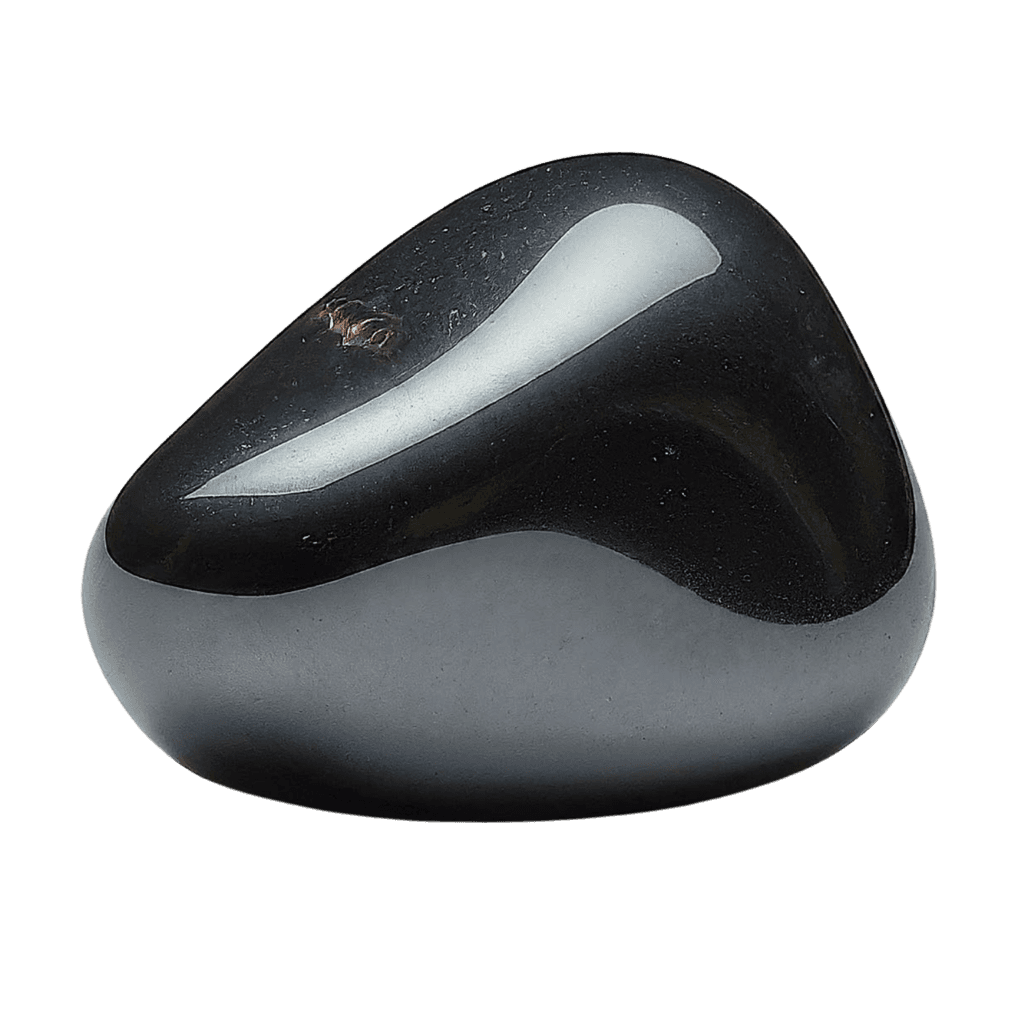
For grid work, give Axinite the anchor position and run Smoky Quartz and Hematite on the outer points, all matched to a single grounding intention. Rebuild it when it goes stale; a grounding grid you have stopped seeing has stopped working.
How to Cleanse and Charge
Axinite works best when it is cleansed on a rhythm; tradition pictures a stone absorbing what it meets, and a saturated stone has nothing left to give. The complete water, sun, and salt safety profile, plus the storage instructions I give my clients, lives in the dedicated Axinite care guide.
- 1
Water
Hold Axinite under cool running water for a minute or two, picturing the stream carrying off what the stone has absorbed, then pat it fully dry with a soft cloth.
- 2
Moonlight
Set Axinite on a windowsill or ledge under the full moon and collect it in the morning. Moonlight is the gentlest cleanse in the tradition, safe for every stone in the collection and impossible to overdo.
- 3
Sage
Pass Axinite through the smoke of white sage or rosemary for about thirty seconds, turning it so the smoke wraps every face, while you hold a clear intention of release.
- 4
Sound
A minute inside strong, sustained tone, bowl, chime, even a steady hum, resets Axinite without physical risk, which makes sound the safest deep cleanse for fragile stones.
- 5
Earth
Rest Axinite overnight in a shallow pocket of potting soil when it needs grounding, then brush it clean rather than washing it; the earth does the drawing-out.
How often to cleanse
Give Axinite a clearing at least every month, and sooner after hard weeks or heavy daily use. The stone will teach you its own signal in time; most people describe it as dullness, weight, or a sense the stone has gone quiet.
Charging after cleansing
Once it is cleansed, recharge Axinite by placing it in morning sunlight for 30 minutes; cleansing empties the stone, charging refills it.
The Crystal Starter Library
A free guide from Crystal Cassandra: the twelve stones that cover almost everything, a one page care matrix for water, sun and salt, and how to build a first intention practice.
We respect your inbox. Unsubscribe anytime.
Crystal Pairings
Think of pairing Axinite as staffing a gate: something heavy to hold the line, something quick to keep watch. The traditional companions split exactly that work, boundary on one side, vigilance on the other. Before settling on a pair, hold both for a moment; comfort in the hand is the yes.
How to Spot Real vs Fake Axinite
Imitations of Axinite exist because demand does. A few hands-on checks separate genuine clove brown material from glass, resin, and dye:
Temperature: genuine Axinite feels distinctly cool at first touch and gives that coolness up slowly; resin copies feel warm almost immediately, which is the quickest tell there is.
Weight and density: resin fakes run light for their size, while genuine Axinite at Mohs 6.75 carries honest mineral density; weigh it in the palm against any real tumbled stone you own.
Color and pattern: natural Axinite runs clove brown, violet brown, or honey, with variation from piece to piece; perfectly uniform color across a whole tray is the classic mark of dye or synthetics.
Price reality: quality Axinite runs roughly $14 to $45 for palm-sized pieces from reputable sellers; a price far below that range is usually answering a question you should have asked.
Trust your source: a seller who knows where a clove brown stone like this came from and says so plainly is worth more than every test on this list. Vagueness about origin is itself an answer.
Sourcing
Buying Axinite well
The CrystalStones.com crystal store is not open yet, so we do not sell Axinite here. What we can give you is the part that matters most: how to tell a genuine piece from a treated or dyed one, and how to care for it once it is yours.
Frequently Asked Questions
What is Axinite good for?
Axinite is traditionally associated with grounding, focus, meditation, and clarity. Many people find it supportive for grounding and for working with the Root and Third Eye chakras.
Can Axinite go in water?
Yes. Axinite is water-safe at Mohs 6.75, so a brief rinse under cool running water is a perfectly good cleanse. Dry it afterward and skip long soaks, which no tumbled stone loves.
Can Axinite be in the sun?
Sun is fine for Axinite. A half hour of direct morning light both cleanses and charges it, and the clove brown tones are stable enough to take it.
What chakra is Axinite?
Axinite is primarily associated with the Root (Muladhara) and Third Eye (Ajna) chakras. Traditional use keeps it near the ground: at the hips, or set between the feet during seated practice, the root station for grounding.
What zodiac sign is Axinite for?
Axinite is traditionally connected to Taurus and Capricorn. Astrological correspondence is one tradition among several, and nothing about your chart disqualifies you; people without a Taurus placement work with Axinite all the time.
How do I cleanse Axinite?
Stick to Water, Moonlight, and Sage for Axinite; those are the methods its care profile recommends. Water stays available for a quick rinse at Mohs 6.75, though the listed methods carry the monthly routine.
Is Axinite real or fake, how can I tell?
Genuine Axinite feels cool at first touch and warms slowly; at Mohs 6.75 it also resists the pocket scratches that mark softer fakes. Expect natural variation in its clove brown coloring and a price near $14 to $45 for tumbled pieces; uniform color at a bargain price is the classic warning sign.
What’s Next?
A few thoughtful next steps if Axinite is calling to you.
Explore More Tools
Crystal Quiz
Discover which crystal matches your energy right now.
Open →Chakra Test
Find which chakras need attention and the crystals to balance them.
Open →Crystal Cleansing Guide
Learn how to safely cleanse and charge your crystals.
Open →Crystals by Intention
Find the perfect crystal for what you need right now.
Open →