Quick Answer
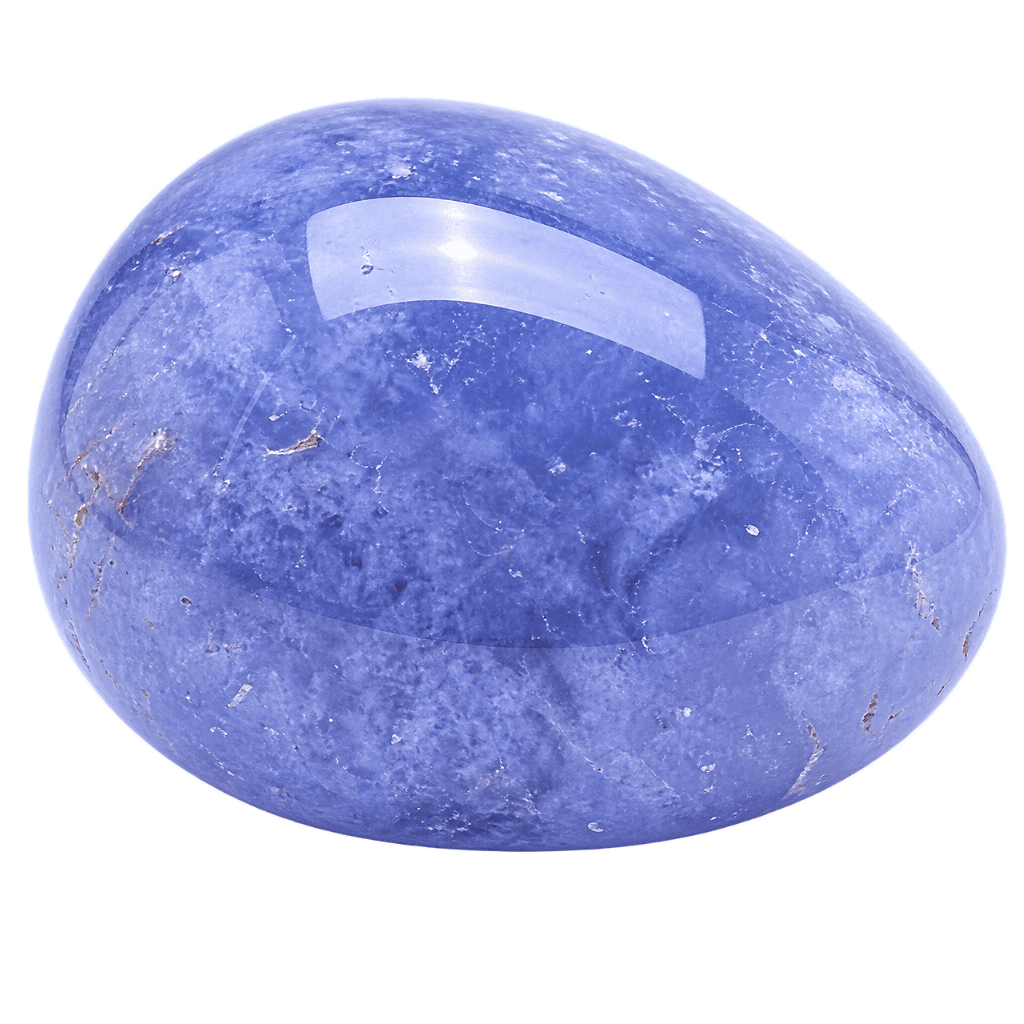
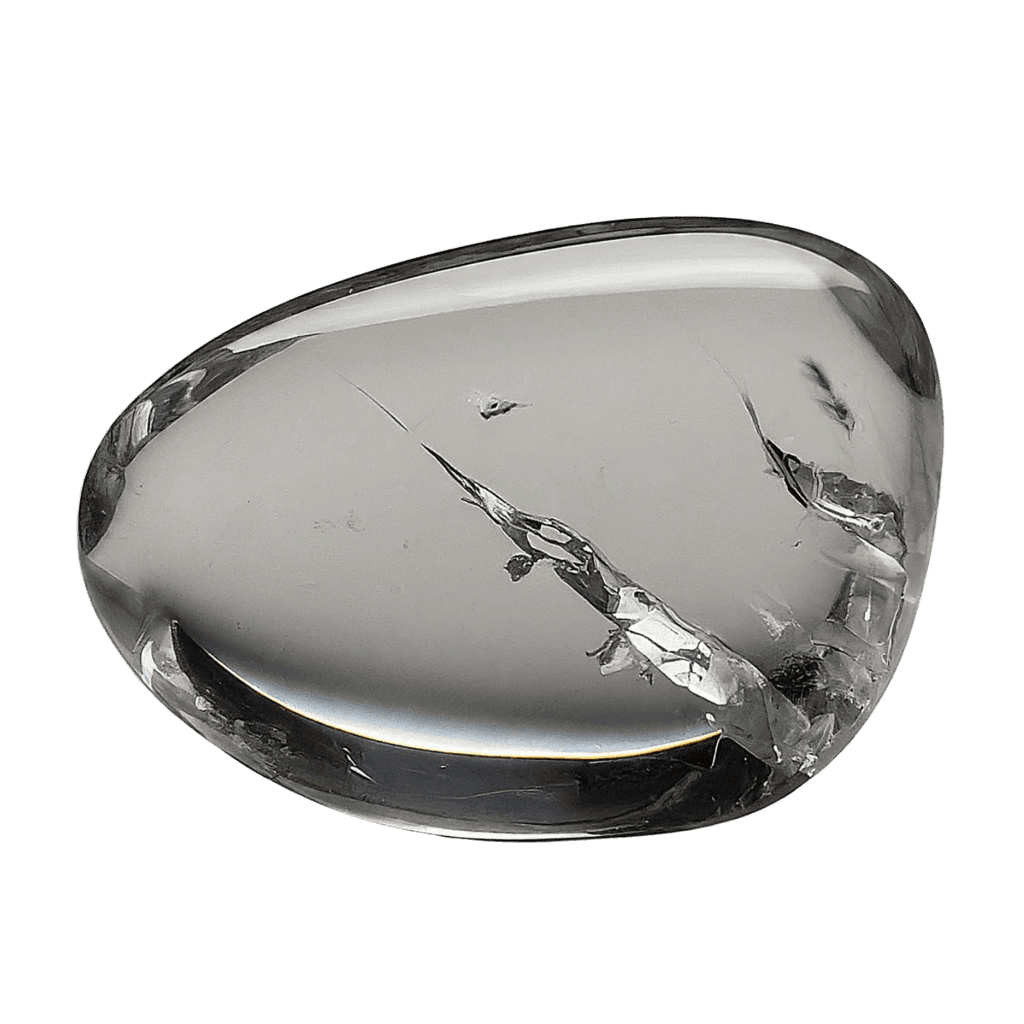
Chalcedony is a blue-grey crystal used in modern crystal healing for communication, calm, and friendship. It measures 6.75 on the Mohs hardness scale and typically costs $8 to $30 for a tumbled stone. In the chakra tradition, Chalcedony is associated with the Throat chakra.
Worth knowing: Chalcedony appears in the Book of Revelation as the third of the twelve foundation stones of New Jerusalem, a biblical pedigree that made it a fixture of medieval lapidary texts.
“The pale blue-grey microcrystalline quartz of soft speech, calm, and goodwill.”
- Chakra
- Throat (Vishuddha)
- Zodiac
- Cancer ♋, Sagittarius ♐
- Element
- Water 💧
- Planet
- Moon 🌙
- Hardness
- 6.75 / 10 (Mohs)
- Colors
- Blue-grey, Pale blue, Lavender, White
- Origin
- Turkey, Namibia, USA, India
- Availability
- Not sold here yet
Care + Safety
Chalcedony at a glance
- Water: brief rinse safe
- Sun: fades in prolonged direct sun
- Mohs hardness: 6.75 (occasional wear only)
What is Chalcedony?
Chalcedony forms where silica-laden groundwater lines cavities at low temperature, building translucent grape-like and stalactitic masses from quartz fibers only micrometers across. The soft blue-gray of classic material comes from light scattering within that fine microstructure, and well-known blue chalcedony is mined in Namibia, Turkey, and Malawi.
Chalcedony measures 6.75 on the Mohs scale and shows blue-grey, pale blue, or lavender coloring. Most of its assignments happen at desks and in conversations; communication, calm, and friendship are its catalog entries, all of them about clearing the air.
The stone connects primarily to the Throat (Vishuddha) chakra, carrying Water energy. Today the material is drawn from Turkey, Namibia, USA, and India. Hold pieces from two different sources side by side and the differences in the blue-grey material, tone, translucency, pattern, become obvious fast.
Chalcedony is microcrystalline quartz, the same family that makes agate, carnelian, and onyx, and in its plain form it shows as soft, milky blue-grey to lavender botryoidal masses. Keep it in a pocket through a difficult afternoon and notice its gentle, diplomatic softness, the register of words chosen kindly. In the crystal-healing tradition Chalcedony is used for warm communication, calm, and goodwill between people. As a quartz it is durable, though I give it only a brief rinse and keep it out of harsh sun to protect any subtle color.
Also catalogued as Blue Chalcedony and Botryoidal Chalcedony, whether it is your first stone or your fiftieth, Chalcedony tends to find its role quickly, and communication is the natural place to begin.
History and Mythology
Chalcedony was worked, worn, and traded in the pre-modern world, and that documented continuity is part of its character. Where most stones in the modern catalog were named in the last two centuries, this one carried meaning before the printing press. Sources from antiquity onward treat it as a stone worth setting, carving, and keeping, and today's pieces are sourced from Turkey, Namibia, and USA.
In modern astrological correspondence Chalcedony is linked with Cancer and Sagittarius, with Moon 🌙 named as its planetary ruler. Practitioners who keep these tables often work the stone hardest during those sun-sign seasons, especially for communication.
Whatever the age of the name, the geology is patient: every piece of Chalcedony took shape over geological timescales, arriving at its Mohs 6.75 hardness through slow heat, pressure, and chemistry long before any hand reached for it.
Chalcedony Meaning and Metaphysical Properties
First Touch
Chalcedony announces itself through temperature: a cool, blue-grey, glass-polished weight at Mohs 6.75 that warms deliberately, not instantly, inside a closed palm. A sharpening of the visual field is the classic first report with clarity stones, the room coming into slightly better focus, so watch what your eyes do.
Primary Properties
The property list for Chalcedony is a thinking list: communication, calm, friendship, and stress relief. This is the family for desk work and hard conversations, anywhere fog needs to lift before words can land. Use the stone as a session marker, same place, same task, and let repetition build the association.
How Crystal Energy Works
Chalcedony is read through the Throat center, the channel between inner knowing and spoken word, and the bridge is asked here to carry communication. Throat practice is brief and honest: one true sentence about communication, calm, and friendship, said aloud with the stone in hand. Judy Hall groups the clarity stones with the throat and brow centers, and her entries for the family read like study aids: focus, articulation, honest speech.
Amplification Through Intention
The Water designation on Chalcedony is permission to go slowly; this element does its communication work through feeling rather than effort. Hold the stone when emotions need room, not fixing.
Healing Benefits
Emotional Support
The emotional gift of Chalcedony is composure: communication, calm, and friendship. It is a stone for tangled-thread days, when the feeling is real but the words for it keep slipping out of reach. Tradition, not treatment: communication work with a stone sits beside professional support, never in place of it.
Spiritual Connection
Truth-telling is the spiritual lane Chalcedony runs in: the unflinching journal, the conversation that finally happens. Tradition assigns it to the practices of honest seeing and honest saying, worked at the Throat center.
Physical Presence
Tradition pairs Water stones like Chalcedony with the body's tides: rest, hydration, the wind-down hour that makes room for communication. Let it sit on the night table as a cue for the evening glass of water and the earlier lights-out; gentle cues, never medicine.
Chakra Connection
Chalcedony resonates most strongly with the Throat (Vishuddha), the energy center traditionally drawn in blue and the traditional seat of this stone's communication work. When this center runs clear, the classical markers are honest speech, easy listening, and expression that does not need rehearsing; communication, calm, and friendship are what Chalcedony is most often asked to bring to it.
Worn short at the throat, or touched once before you speak, Chalcedony works the bridge between knowing and saying; small repeated contact serves communication better than one long session.
Zodiac and Astrological Connection
Chalcedony appears under Cancer ♋ (Jun 21 to Jul 22) and Sagittarius ♐ (Nov 22 to Dec 21) in the standard correspondence tables; if those signs are loud in your chart, expect the introduction to feel familiar.
None of this is exclusionary. If Chalcedony keeps catching your eye, that interest counts for more than whether Cancer appears anywhere in your chart.
Moon 🌙 rules Chalcedony in this tradition, so practitioners time their longer sessions to that planet's active periods, especially for communication.
How to Use Chalcedony
These are the five ways of working with Chalcedony I suggest most often. Begin wherever your attention goes first; the sequence matters far less than starting.
- 1
Meditation Hold
Begin the sit with Chalcedony against the skin and use its coolness as the focus; at Mohs 6.75 it holds that freshness for a while before giving in to body heat.
- 2
Body Placement
Set Chalcedony at the throat's lowest point while you lie back, and let the jaw go slack. Stay as long as staying is easy, and stop when it stops being easy, which is the only measure the old guidance offers. That low seat is the throat's traditional station, and the work assigned to it is communication.
- 3
Sleep Companion
Chalcedony can still earn the nightstand even though its brief is communication rather than rest: setting the stone down as you set the day down marks the switch from doing to sleeping.
- 4
Carry With You
Take Chalcedony into the marathon meetings and the stubborn drafts, and touch it deliberately whenever the thread knots; the two-second reset compounds, and in a few weeks it has become a working communication habit.
- 5
Crystal Grid Anchor
Use Chalcedony as the heart of a small grid for communication, with Agate Blue Lace and Aquamarine alternating on the spokes. Place the stones slowly and set the last one down with the communication intention named out loud.
How to Cleanse and Charge
Chalcedony works best when it is cleansed on a rhythm; tradition pictures a stone absorbing what it meets, and a saturated stone has nothing left to give. The complete water, sun, and salt safety profile, plus the storage instructions I give my clients, lives in the dedicated Chalcedony care guide.
- 1
Moonlight
Set Chalcedony on a windowsill or ledge under the full moon and collect it in the morning. Moonlight is the gentlest cleanse in the tradition, safe for every stone in the collection and impossible to overdo.
- 2
Selenite
Overnight on selenite is the lowest-maintenance cleanse Chalcedony can get: set it down at bedtime, pick it up cleared in the morning.
- 3
Sage
For a deeper reset, hold Chalcedony in sage smoke and name out loud what the stone has been carrying; the naming is half the cleanse.
- 4
Sound
Sound-cleanse Chalcedony by striking a bowl or bell, letting each tone fade completely before the next; the vibration does the clearing, and no contact is needed.
- 5
Water
A short rinse cleanses Chalcedony: cool water, gentle rotation, sixty seconds, towel dry. Keep it brief; even water-safe stones prefer not to soak.
How often to cleanse
Give Chalcedony a clearing at least every month, and sooner after hard weeks or heavy daily use. The stone will teach you its own signal in time; most people describe it as dullness, weight, or a sense the stone has gone quiet.
Charging after cleansing
After cleansing, charge Chalcedony by setting it on a selenite plate overnight or bathing it in full moonlight. This restores its energetic vitality.
The Crystal Starter Library
A free guide from Crystal Cassandra: the twelve stones that cover almost everything, a one page care matrix for water, sun and salt, and how to build a first intention practice.
We respect your inbox. Unsubscribe anytime.
Crystal Pairings
Chalcedony pairs functionally: think desk set, not jewelry box. Partners are chosen the way tools are chosen, one for focus, one for voice, one for nerve. Two stones to one communication task is the working maximum; clarity hates clutter.
How to Spot Real vs Fake Chalcedony
The market in Chalcedony has grown faster than its honesty, and blue-grey pieces are easy to imitate on a screen. Here is how to check one before you pay for it:
Temperature: genuine Chalcedony feels distinctly cool at first touch and gives that coolness up slowly; resin copies feel warm almost immediately, which is the quickest tell there is.
Weight and density: resin fakes run light for their size, while genuine Chalcedony at Mohs 6.75 carries honest mineral density; weigh it in the palm against any real tumbled stone you own.
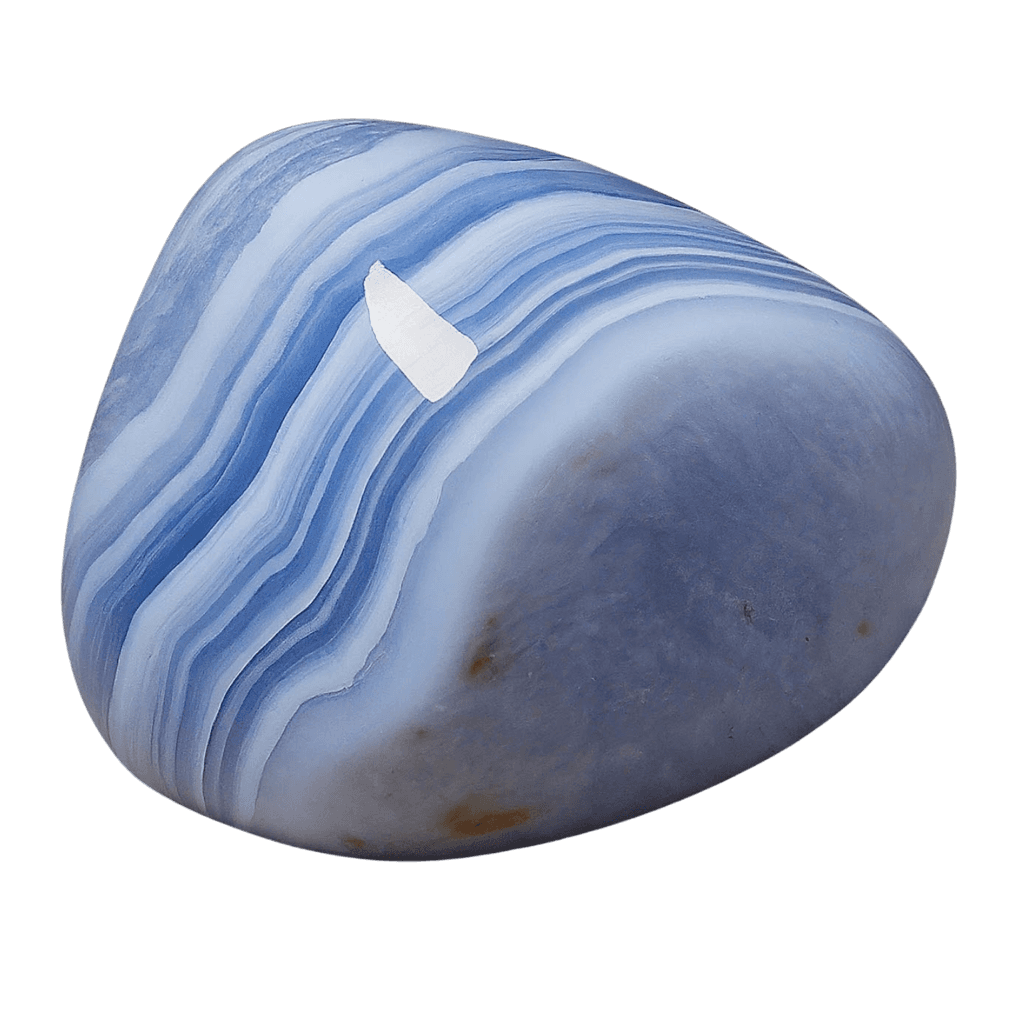
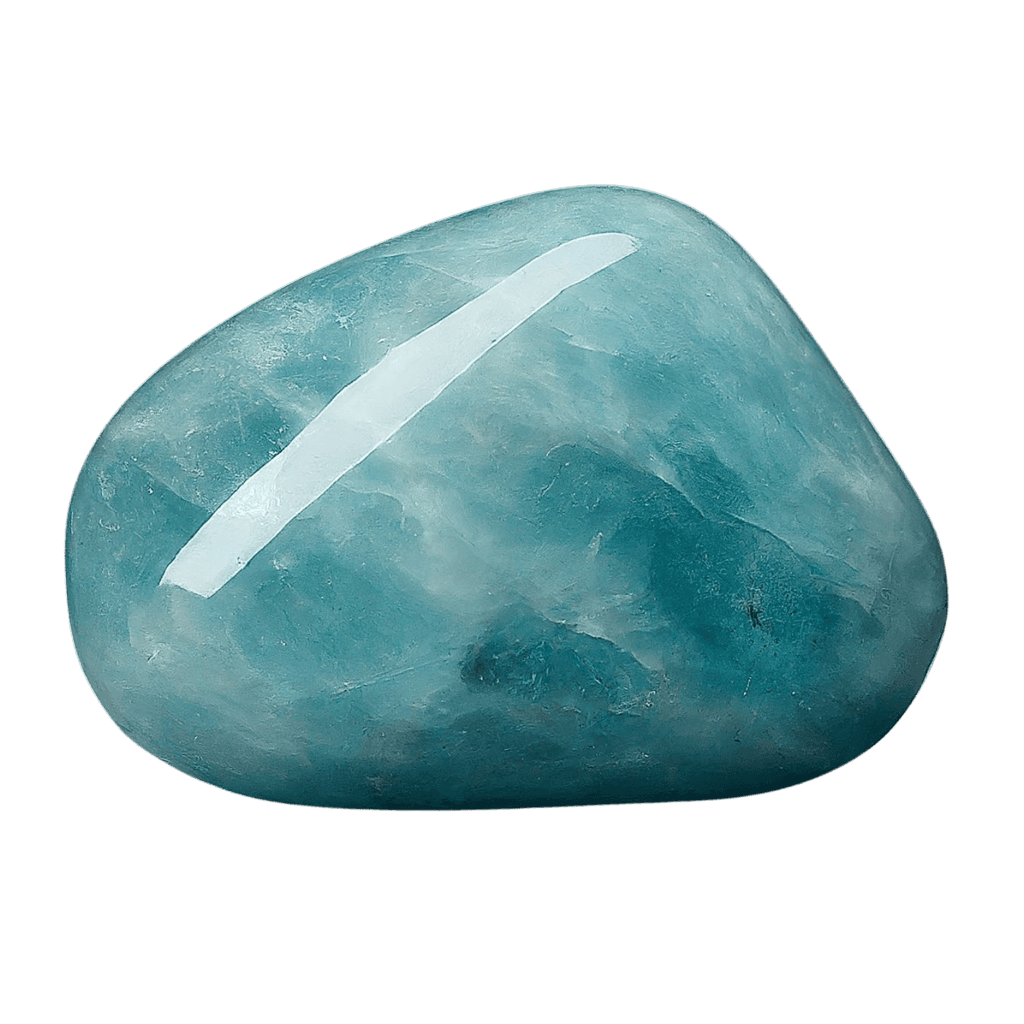
Color: expect blue-grey, pale blue, or lavender with honest variation, banding, zoning, the odd inclusion; a batch where every stone matches exactly came out of a factory, not the ground.
Price: expect $8 to $30 for a decent tumbled or palm piece of Chalcedony; dramatic discounts mean dye, resin, or mislabeling more often than they mean luck.
Trust your source: buy Chalcedony from sellers who can name the mine or region behind their blue-grey stock and who disclose treatments without being chased. A seller who volunteers that information before you ask is the one worth returning to.
Sourcing
Buying Chalcedony well
The CrystalStones.com crystal store is not open yet, so we do not sell Chalcedony here. What we can give you is the part that matters most: how to tell a genuine piece from a treated or dyed one, and how to care for it once it is yours.
Frequently Asked Questions
What is Chalcedony good for?
Chalcedony is traditionally associated with communication, calm, friendship, and stress relief. Many people find it supportive for communication and for working with the Throat chakra.
Can Chalcedony go in water?
It can. Chalcedony handles brief water contact without trouble at Mohs 6.75, and a short rinse under cool water makes a sound regular cleanse. Dry it afterward and skip long soaks, which no tumbled stone loves.
Can Chalcedony be in the sun?
Keep it brief. Prolonged direct sun can fade the blue-grey coloring of Chalcedony, so a few morning minutes are fine but moonlight is the safer charging method.
What chakra is Chalcedony?
Chalcedony is primarily associated with the Throat (Vishuddha) chakra. Wear it short at the throat, or let it rest at the throat station during lying-down sessions; both placements serve the traditional communication assignment.
What zodiac sign is Chalcedony for?
Chalcedony is traditionally connected to Cancer and Sagittarius. If your signs differ, work with Chalcedony anyway; resonance in the hand outranks resonance on paper in every practical tradition.
How do I cleanse Chalcedony?
Stick to Moonlight, Selenite, and Sage for Chalcedony; those are the methods its care profile recommends. Because the stone is water-tolerant at Mohs 6.75, an occasional rinse can supplement the list, with the named methods doing the steady monthly work.
Is Chalcedony real or fake, how can I tell?
Genuine Chalcedony feels cool at first touch and warms slowly; at Mohs 6.75 it also resists the pocket scratches that mark softer fakes. Expect natural variation in its blue-grey coloring and a price near $8 to $30 for tumbled pieces; uniform color at a bargain price is the classic warning sign.
What’s Next?
A few thoughtful next steps if Chalcedony is calling to you.
Explore More Tools
Crystal Quiz
Discover which crystal matches your energy right now.
Open →Chakra Test
Find which chakras need attention and the crystals to balance them.
Open →Crystal Cleansing Guide
Learn how to safely cleanse and charge your crystals.
Open →Crystals by Intention
Find the perfect crystal for what you need right now.
Open →