Quick Answer
Garden Quartz is a clear crystal used in modern crystal healing for meditation, spiritual awakening, and manifestation. It measures 7 on the Mohs hardness scale and typically costs $14 to $50 for a tumbled stone. In the chakra tradition, Garden Quartz is associated with the Heart and Crown chakras.
Worth knowing: Lodolite is not a recognized mineral species; the scenes are ordinary minerals like chlorite and hematite trapped at different growth stages, so each specimen is a one-of-a-kind record of the vein's changing chemistry.
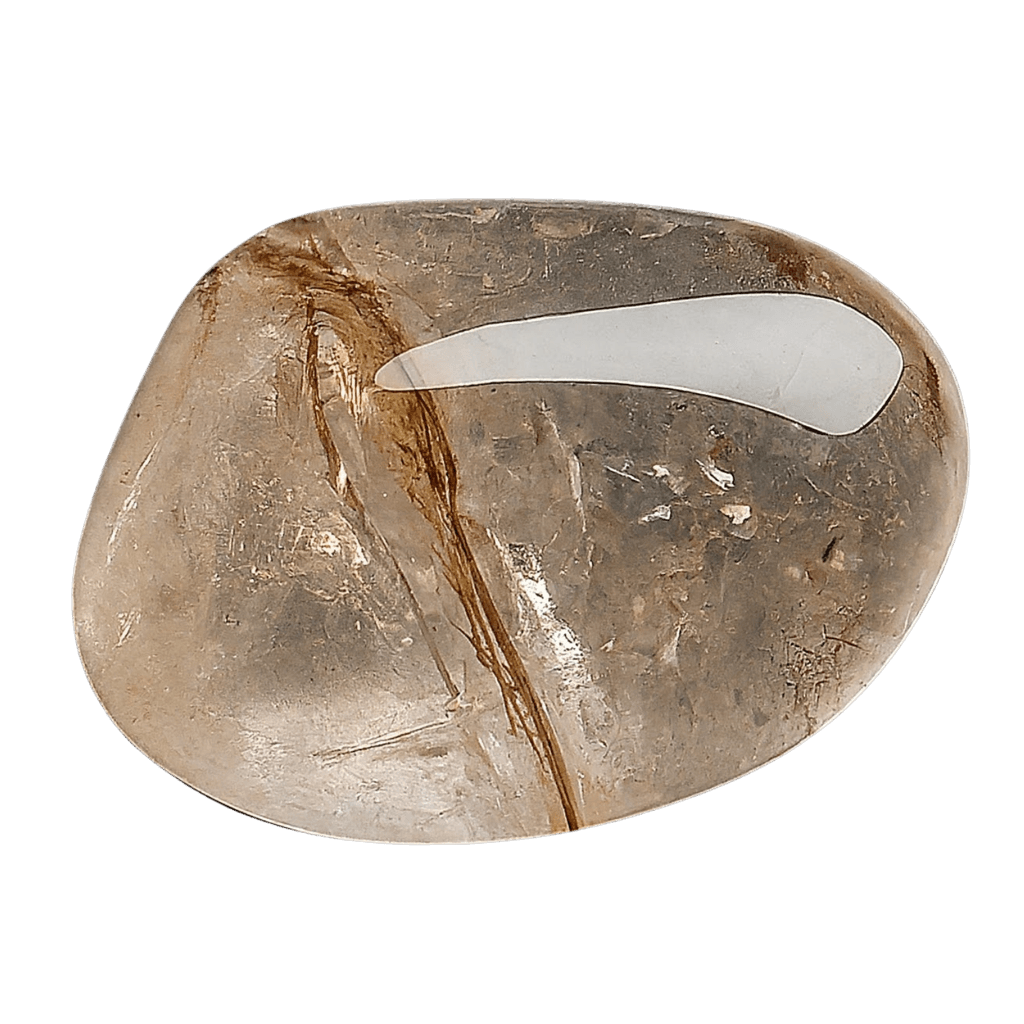
“Clear quartz containing chlorite, hematite, and feldspar that form miniature landscapes inside.”
- Chakra
- Heart (Anahata), Crown (Sahasrara)
- Zodiac
- Pisces ♓, Scorpio ♏
- Element
- Spirit ✨, Earth 🌍
- Planet
- Neptune ♆
- Hardness
- 7 / 10 (Mohs)
- Colors
- Clear, Green, Red, White inclusions
- Origin
- Brazil, Madagascar
- Availability
- Not sold here yet
Care + Safety
Garden Quartz at a glance
- Water: brief rinse safe
- Sun: tolerates sunlight charging
- Mohs hardness: 7 (durable for daily-wear jewelry)
What is Garden Quartz?
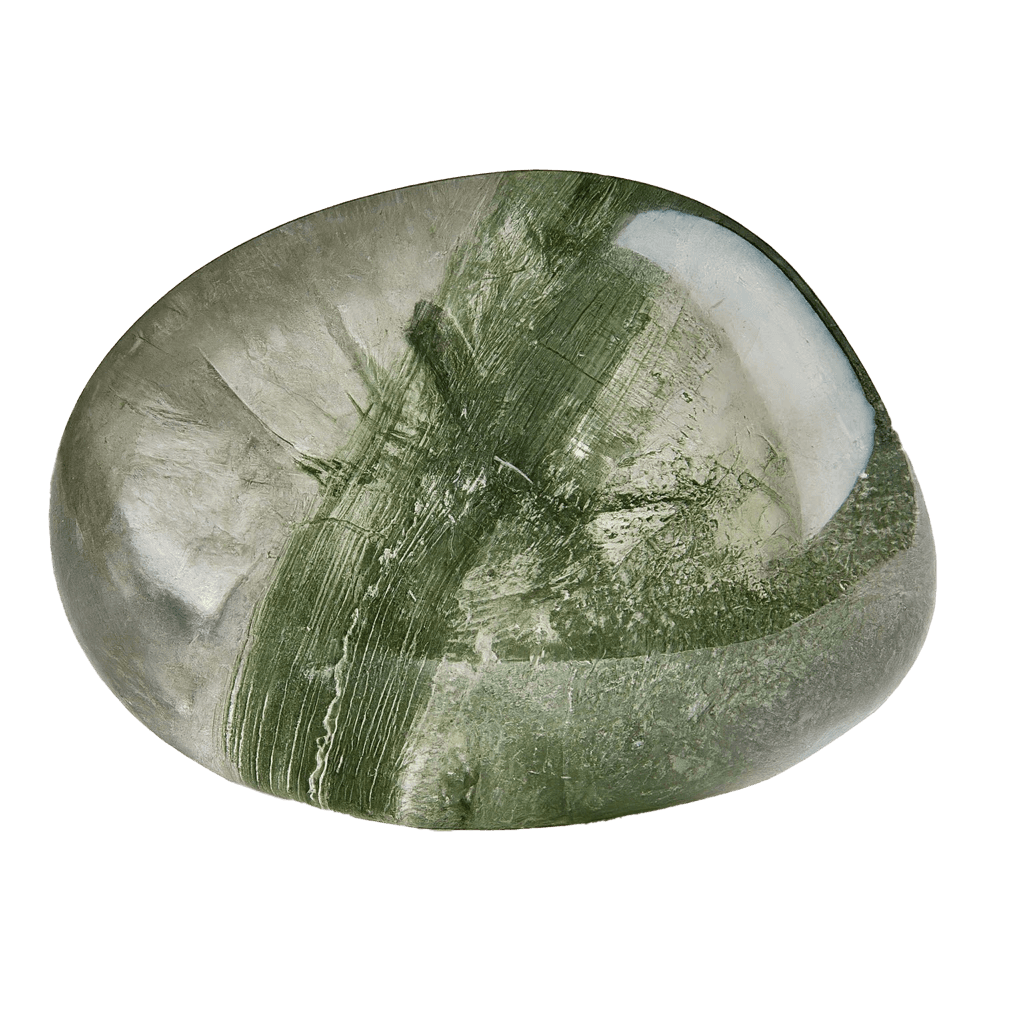
Garden quartz is rock crystal that engulfed chlorite, iron oxides, and feldspar as it grew, a trade material mined mainly from the quartz veins of Minas Gerais, Brazil. Many of its inner scenes are phantoms: dustings of green chlorite that settled on a crystal face during a pause in growth and were then sealed beneath new layers of quartz.
Garden Quartz measures 7 on the Mohs scale and shows clear, green, or red coloring. In the catalog it stands with the contemplative stones, the ones taken up in stillness when meditation, spiritual awakening, and manifestation are the work.
The stone connects primarily to the Heart (Anahata) and Crown (Sahasrara) chakras, carrying Spirit and Earth energy. Sources include Brazil and Madagascar; deposit matters more than beginners expect, and collectors learn to recognize where a piece of Garden Quartz was mined by its color depth and pattern.
Garden Quartz, also called Lodolite, is clear quartz with mineral inclusions that look like miniature underwater gardens or landscapes inside the stone. Hold this stone in light and notice how the inner scene draws meditative attention. The classical sources describe Garden Quartz as a stone of journeying within, of meditation that meets the inner world halfway.
Also catalogued as Lodolite, Scenic Quartz, and Inclusion Quartz, whether it is your first stone or your fiftieth, Garden Quartz tends to find its role quickly, and meditation is the natural place to begin.
History and Mythology
The history of Garden Quartz is short and honestly so. The name comes from the trade, coined to describe a distinctive material from Brazil and Madagascar, and the metaphysical profile was assembled by modern hands. Treat it as a contemporary working stone, and let the geology, which is genuinely deep time, supply the gravitas.
In modern astrological correspondence Garden Quartz is linked with Pisces and Scorpio, with Neptune ♆ named as its planetary ruler. Practitioners who keep these tables often work the stone hardest during those sun-sign seasons, especially for meditation.
However young or old the human story, the stone outruns it: Garden Quartz formed over deep time, and the Mohs 7 piece on your shelf is the newest chapter of a very old book.
Garden Quartz Meaning and Metaphysical Properties
First Touch
Garden Quartz meets the hand cool and composed: at Mohs 7 it takes a glass-bright polish, and that first chill lingers a while before your warmth wins. Let the eyes rest shut while you make first contact; contemplative stones tend to speak in pictures and half-formed thoughts, and those need stillness to surface.
Primary Properties
Garden Quartz holds its properties in the quiet register: meditation, spiritual awakening, manifestation, and intuition. The contemplative family pays out in stillness, during meditation, around dreams, in the slow minutes before the day begins. Station the stone where you practice rather than where you hurry.
How Crystal Energy Works
Garden Quartz works through the Heart center in the traditional map, the middle station where the lower and upper energies cross, and meditation is its assignment there. Let the breath set the tempo, stone resting over the heart, meditation, spiritual awakening, and manifestation held softly in mind, with nothing pushed. In Judy Hall's classification the contemplative family belongs to the third eye and crown, and her guidance for it stays constant: sit, keep it short, force nothing.
Amplification Through Intention
Garden Quartz is assigned to Spirit, the fifth element in the modern Western system, the connective layer where meditation work begins and ends. Use it at the edges of practice, the minute before meditation and the minute after.
Healing Benefits
Emotional Support
Garden Quartz attends the slow-surfacing feelings: meditation, spiritual awakening, and manifestation, the states that only show themselves in quiet. Give it the processing hours, the journal, the sit, the unplugged walk, where emotion wants room instead of repair. Tradition, not treatment: meditation work with a stone sits beside professional support, never in place of it.
Spiritual Connection
Tradition reserves Garden Quartz for the practices built around listening, sitting meditation, the morning dream log, silence held long enough for inner counsel to become audible. Expect no answers from the stone itself; expect it to keep you seated while the forming ones finish.
Physical Presence
Physically, tradition gives Garden Quartz the lightest touch of all the elements: presence rather than program. Hold it when you want to feel quietly accompanied through meditation work; the comfort is real, and it is not a medical claim.
Chakra Connection
Garden Quartz resonates most strongly with the Heart (Anahata), the energy center traditionally drawn in green / pink and the traditional seat of this stone's meditation work. When this center runs clear, the classical markers are love, compassion, and emotional openness; meditation, spiritual awakening, and manifestation are what Garden Quartz is most often asked to bring to it.
Lie down with Garden Quartz at the heart center, letting the breath rock it; a quiet unmeasured stretch of that is the oldest heart-stone session in the book, and meditation is the usual request.
Garden Quartz also keeps a working line to the Crown (Sahasrara), which widens its range in layouts; let the primary placement lead, and add the second position once the first feels familiar.
Zodiac and Astrological Connection
Garden Quartz appears under Pisces ♓ (Feb 19 to Mar 20) and Scorpio ♏ (Oct 23 to Nov 21) in the standard correspondence tables; if those signs are loud in your chart, expect the introduction to feel familiar.
The gate, though, stands open: you do not need a Pisces Sun to work with Garden Quartz, and a genuine pull toward the stone outweighs its paper assignments.
Neptune ♆ rules Garden Quartz in this tradition, so practitioners time their longer sessions to that planet's active periods, especially for meditation.
How to Use Garden Quartz
These are the five ways of working with Garden Quartz I suggest most often. Begin wherever your attention goes first; the sequence matters far less than starting.
- 1
Meditation Hold
Take up Garden Quartz and register the first cool touch; a glassy stone at Mohs 7 warms slowly, and tracking that gradual change is a meditation in itself.
- 2
Body Placement
Center-chest is the station the chakra charts give Garden Quartz: lie back, set it over the heart, and let each breath rock it gently. Keep the attention on the stone rather than on yourself, which is harder than it sounds and is most of the skill. The standing association at this center is meditation.
- 3
Sleep Companion
At night, park Garden Quartz on the nightstand rather than working it; its job is the day's meditation, and ending the day cleanly is how tomorrow's session starts well.
- 4
Carry With You
Pocket Garden Quartz for the deciding days, and let a touch interrupt the moment you notice yourself polling everyone else's opinions; the stone's job is to send the question inward, to your own meditation, before anywhere else.
- 5
Crystal Grid Anchor
Use Garden Quartz as the heart of a small grid for meditation, with Clear Quartz and Chlorite Phantom Quartz alternating on the spokes. Place the stones slowly and set the last one down with the meditation intention named out loud.
How to Cleanse and Charge
Garden Quartz works best when it is cleansed on a rhythm; tradition pictures a stone absorbing what it meets, and a saturated stone has nothing left to give. The complete water, sun, and salt safety profile, plus the storage instructions I give my clients, lives in the dedicated Garden Quartz care guide.
- 1
Water
Hold Garden Quartz under cool running water for a minute or two, picturing the stream carrying off what the stone has absorbed, then pat it fully dry with a soft cloth.
- 2
Moonlight
Set Garden Quartz on a windowsill or ledge under the full moon and collect it in the morning. Moonlight is the gentlest cleanse in the tradition, safe for every stone in the collection and impossible to overdo.
- 3
Selenite
Keep a selenite dish where you empty your pockets and drop Garden Quartz there at day's end; the resting place does the cleansing while you sleep.
- 4
Sage
For a deeper reset, hold Garden Quartz in sage smoke and name out loud what the stone has been carrying; the naming is half the cleanse.
- 5
Sound
Sound-cleanse Garden Quartz by striking a bowl or bell, letting each tone fade completely before the next; the vibration does the clearing, and no contact is needed.
How often to cleanse
Monthly is the floor for Garden Quartz; step the cadence up whenever the stone is in daily rotation or the season is emotionally loud. With practice you will feel the tell yourself, a worked stone reads heavier and flatter in the palm.
Charging after cleansing
After cleansing, charge Garden Quartz by placing it in morning sunlight for 30 minutes. This restores its energetic vitality.
The Crystal Starter Library
A free guide from Crystal Cassandra: the twelve stones that cover almost everything, a one page care matrix for water, sun and salt, and how to build a first intention practice.
We respect your inbox. Unsubscribe anytime.
Crystal Pairings
Keep the company around Garden Quartz subtle: its traditional partners are the ones that thicken quiet instead of breaking it. These combinations belong to the meditation room, where stillness and meditation set the agenda. One new stone per week is plenty, and your own sits are the judges.

How to Spot Real vs Fake Garden Quartz
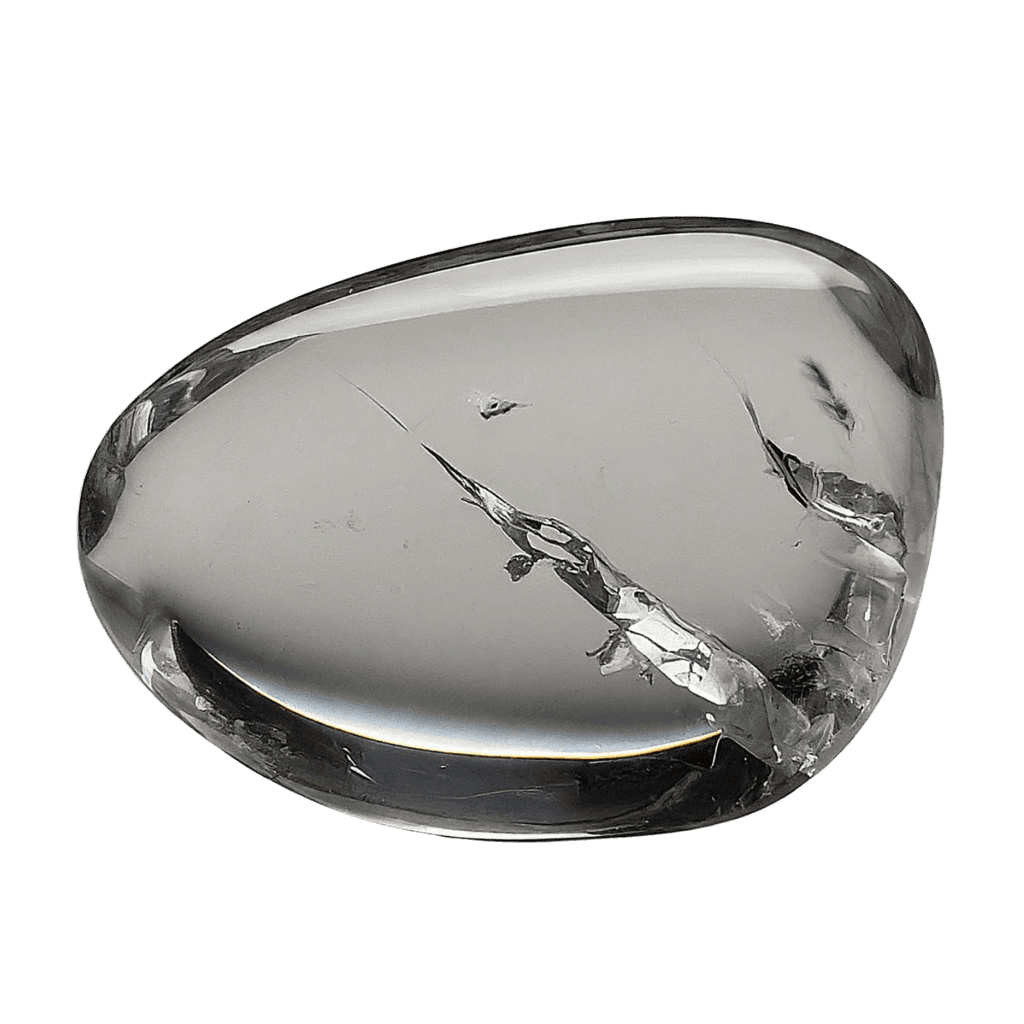
Imitations of Garden Quartz exist because demand does. A few hands-on checks separate genuine clear material from glass, resin, and dye:
Temperature: genuine Garden Quartz feels distinctly cool at first touch and gives that coolness up slowly; resin copies feel warm almost immediately, which is the quickest tell there is.
Weight: real Garden Quartz should feel like stone rather than plastic pretending; if a palm-sized piece feels nearly weightless, walk away from it.
Color and pattern: the real range is clear, green, or red; treat neon saturation or flawless uniformity as a question for the seller, because nature rarely manages either.
Price: expect $14 to $50 for a decent tumbled or palm piece of Garden Quartz; dramatic discounts mean dye, resin, or mislabeling more often than they mean luck.
Trust your source: buy Garden Quartz from sellers who can name the mine or region behind their clear stock and who disclose treatments without being chased. A seller who volunteers that information before you ask is the one worth returning to.
Sourcing
Buying Garden Quartz well
The CrystalStones.com crystal store is not open yet, so we do not sell Garden Quartz here. What we can give you is the part that matters most: how to tell a genuine piece from a treated or dyed one, and how to care for it once it is yours.
Frequently Asked Questions
What is Garden Quartz good for?
Garden Quartz is traditionally associated with meditation, spiritual awakening, manifestation, and intuition. Many people find it supportive for meditation and for working with the Heart and Crown chakras.
Can Garden Quartz go in water?
Yes. Garden Quartz is water-safe at Mohs 7, so a brief rinse under cool running water is a perfectly good cleanse. Dry it afterward and skip long soaks, which no tumbled stone loves.
Can Garden Quartz be in the sun?
Yes. Garden Quartz is one of the sun-tolerant stones, so use morning light freely to charge the clear material; just bring it in rather than leaving it out for whole days at a time.
What chakra is Garden Quartz?
Garden Quartz is primarily associated with the Heart (Anahata) and Crown (Sahasrara) chakras. In placement practice it belongs over the heart center, rocked gently by the breath while you lie still, the station tradition reserves for meditation.
What zodiac sign is Garden Quartz for?
Garden Quartz is traditionally connected to Pisces and Scorpio. Astrological correspondence is one tradition among several, and nothing about your chart disqualifies you; people without a Pisces placement work with Garden Quartz all the time.
How do I cleanse Garden Quartz?
The best methods for Garden Quartz are Water, Moonlight, and Selenite. Garden quartz seals its mineral scene under a polished solid surface; cleanse with any common method.
Is Garden Quartz real or fake, how can I tell?
Genuine Garden Quartz feels cool at first touch and warms slowly; at Mohs 7 it also resists the pocket scratches that mark softer fakes. A fair tumbled piece sits near $14 to $50 and shows honest variation across the clear range; flawless uniformity at a bargain price is the tell worth trusting.
What’s Next?
A few thoughtful next steps if Garden Quartz is calling to you.
Explore More Tools
Crystal Quiz
Discover which crystal matches your energy right now.
Open →Chakra Test
Find which chakras need attention and the crystals to balance them.
Open →Crystal Cleansing Guide
Learn how to safely cleanse and charge your crystals.
Open →Crystals by Intention
Find the perfect crystal for what you need right now.
Open →