Quick Answer
Inca Jade is a green crystal used in modern crystal healing for heart healing, calm, and meditation. It measures 3.75 on the Mohs hardness scale and typically costs $10 to $28 for a tumbled stone. In the chakra tradition, Inca Jade is associated with the Heart and Root chakras.
Worth knowing: The name serpentine derives from the Latin serpentinus, meaning snake-like, coined because the rock's mottled and banded green surface reminded early observers of snakeskin, a fitting tag for this scaled-looking Peruvian stone.
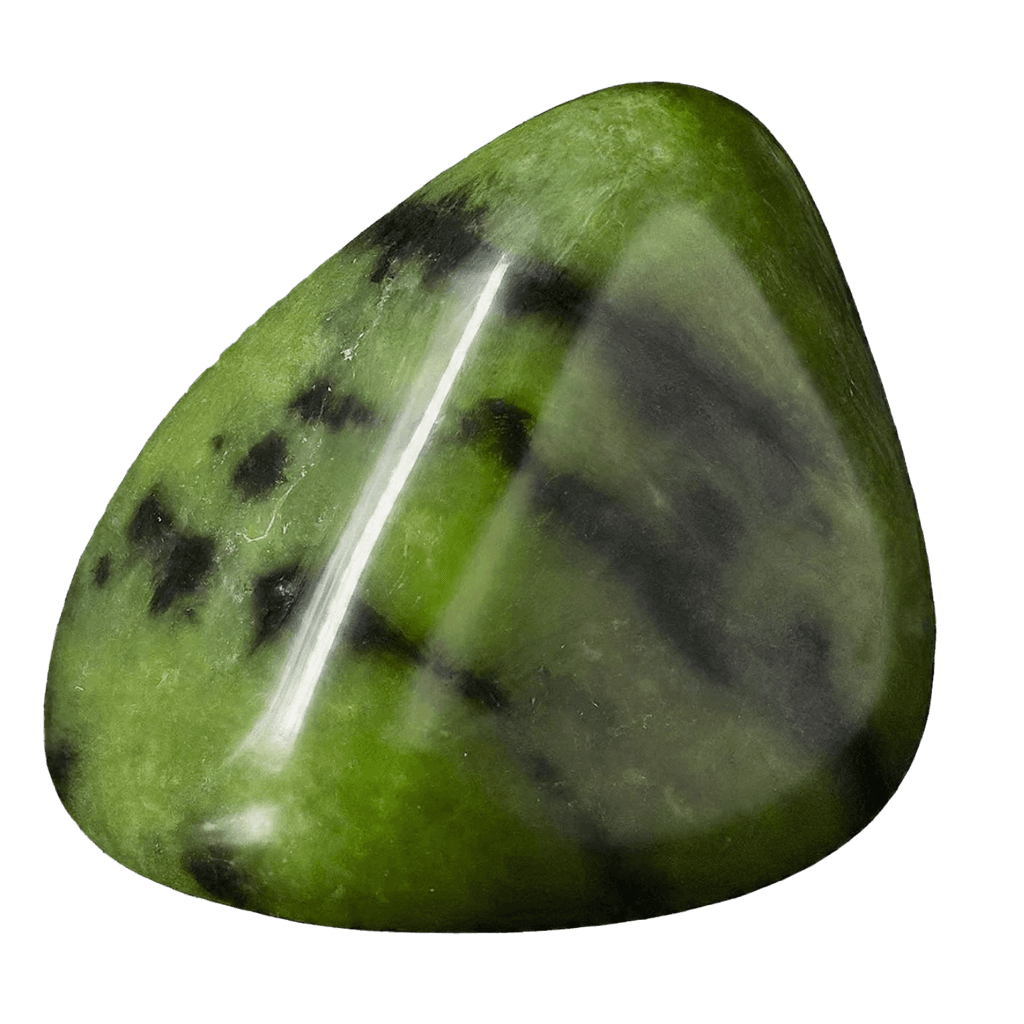
“A green-grey banded Peruvian serpentine, of ancestral wisdom and quiet heart steadying.”
- Chakra
- Heart (Anahata), Root (Muladhara)
- Zodiac
- Taurus ♉, Capricorn ♑
- Element
- Earth 🌍
- Planet
- Saturn ♄
- Hardness
- 3.75 / 10 (Mohs)
- Colors
- Green, Grey, Banded
- Origin
- Peru
- Availability
- Not sold here yet
Care + Safety
Inca Jade at a glance
- Water: avoid, may damage or leach
- Sun: tolerates sunlight charging
- Mohs hardness: 3.75 (display + meditation only)
What is Inca Jade?
Inca jade is a banded serpentine from Peru, a hydrous magnesium silicate rock created when water infiltrates and transforms olivine-rich rock deep in the crust, a process called serpentinization. It joins a long list of regional trade jades, like Korean jade and new jade, that are serpentine rather than jadeite or nephrite.
Inca Jade measures 3.75 on the Mohs scale and shows green, grey, or banded coloring. It is filed with the heart stones, and the work it is most often asked to do is relational: heart healing, calm, and meditation.
The stone connects primarily to the Heart (Anahata) and Root (Muladhara) chakras, carrying Earth energy. Sources include Peru; deposit matters more than beginners expect, and collectors learn to recognize where a piece of Inca Jade was mined by its color depth and pattern.
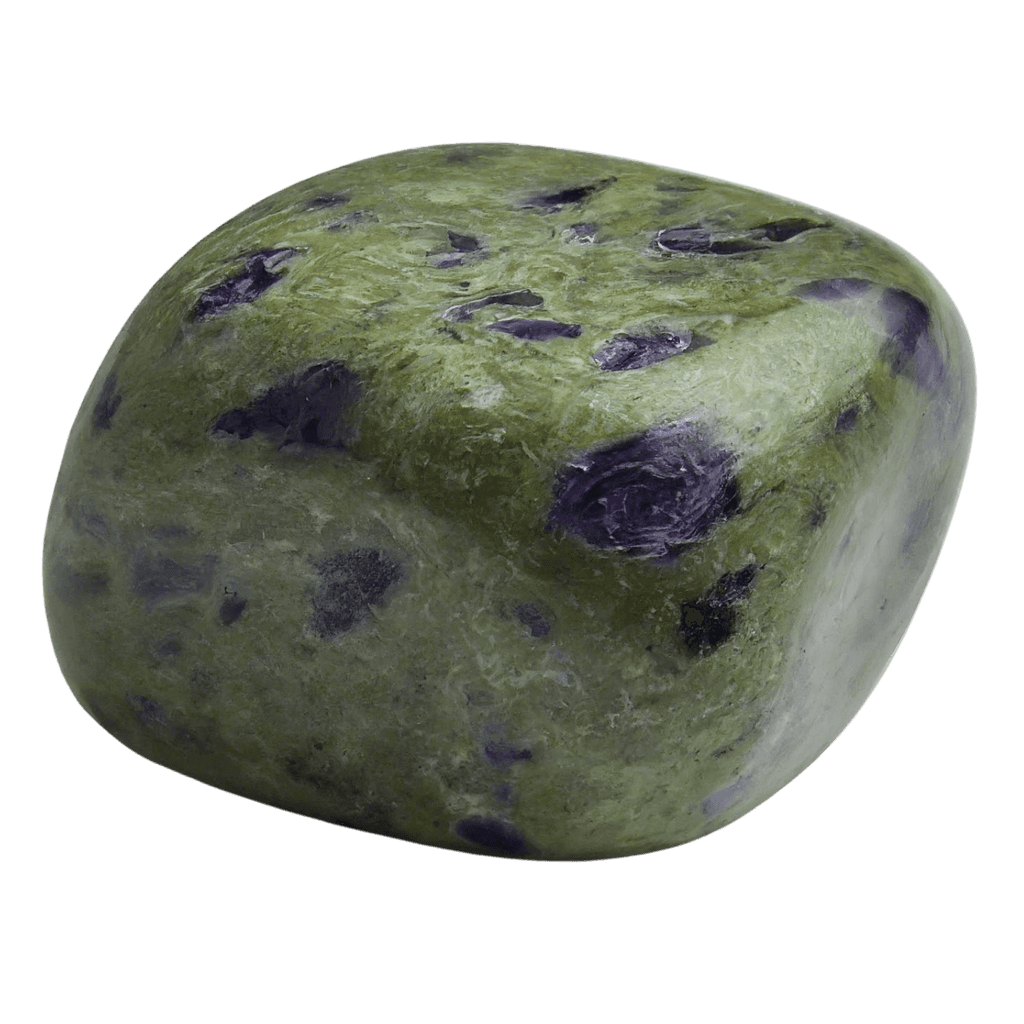
Inca Jade is a banded green and grey Peruvian serpentine, sold as jade but technically not a true jade. Hold this stone and notice a still, ancestral steadiness. The classical sources describe Inca Jade as a stone of ancestral wisdom; because it is a serpentine, handle polished pieces only.
Also catalogued as Ricolite Jade and Peruvian Serpentine, this is a stone that rewards regular handling more than display. Give Inca Jade a week of heart healing duty in the pocket before deciding what it is for.
The Jade family page lists all 7.
History and Mythology
Inca Jade is a lapidary trade name, a label coined by the modern stone trade rather than a species recognized by mineralogy. The material is real and the minerals inside it are ancient, but the name and the lore both date to living memory. We flag that openly: a stone does not need a borrowed past to be worth working with, and this one, sourced from Peru, stands on its own.
Astrologically minded practitioners file Inca Jade under Taurus and Capricorn and give Saturn ♄ the rulership. The pairing is a 20th century convention rather than an ancient decree, and it is read as favoring heart healing work.
Hold the two timescales side by side, centuries of human use at most against epochs of formation behind every Mohs 3.75 specimen of Inca Jade; the deep time is the one part no marketing can inflate.
Inca Jade Meaning and Metaphysical Properties
What the Hand Learns First
In the hand Inca Jade reads as gentle before you know anything else about it. Mohs 3.75 hardness means it gives up its coolness quickly, and the green polish carries a waxy, candle-like glow. As you hold it, track the chest rather than the head; the heart stones are traditionally listened for there, whatever does or does not arrive.
Primary Properties
Every entry on the Inca Jade property sheet points toward connection: heart healing, calm, meditation, and grounding. The heart stones specialize in easing rather than driving, and many people find the first shift shows up in their own self-talk. Hold the list loosely; it is a place to start, not a guarantee.
How Crystal Energy Works
Inca Jade works through the Heart center in the traditional map, the middle station where the lower and upper energies cross, and heart healing is its assignment there. Let the breath set the tempo, stone resting over the heart, heart healing, calm, and meditation held softly in mind, with nothing pushed. In Judy Hall's The Crystal Bible the heart family is treated as relationship territory, with the recurring note that compassion turned inward comes before compassion shared.
Amplification Through Intention
The Earth designation means Inca Jade favors repetition: daily handling, a fixed home on the shelf, the heart healing intention restated in plain words. That steadiness is the whole method.
Healing Benefits
Emotional Support
In emotional work Inca Jade is turned toward heart healing, calm, and meditation: the tender, relational layer. Hold it when you want to stay soft in a conversation that tempts you to armor up, and let it mark the difference between guarded and present. As with all crystal healing, heart healing support from a stone is reflective practice rather than medicine; significant emotional concerns deserve qualified human help.
Spiritual Connection
Inca Jade serves the devotional side of connection: tradition brings it into loving-kindness style meditation to keep the Heart center engaged while the practice moves person by person. The heart family treats love as something practiced, not awarded.
Physical Presence
Tradition reads Earth stones like Inca Jade through the soles of the feet: stance, weight, the felt fact of standing somewhere while you work on heart healing. Try standing barefoot with the stone in hand when the day goes abstract; the practice is awareness, not medicine.
Chakra Connection
Inca Jade resonates most strongly with the Heart (Anahata), the energy center traditionally drawn in green / pink and the traditional seat of this stone's heart healing work. When this center runs clear, the classical markers are softness without collapse, generosity of feeling, and ease in giving and receiving love; heart healing, calm, and meditation are what Inca Jade is most often asked to bring to it.
Worn over the heart on a longer chain, or held flat to the chest before hard conversations, Inca Jade keeps the heart center company through the day's heart healing work.
Because Inca Jade is also associated with the Root (Muladhara), it moves well in multi-stone layouts: one stone, two stations, worked on different days.
Zodiac and Astrological Connection
Astrological tradition links Inca Jade with Taurus ♉ (Apr 20 to May 20) and Capricorn ♑ (Dec 22 to Jan 19), and practitioners often suggest the stone meets Taurus placements with the least friction.
None of this is exclusionary. If Inca Jade keeps catching your eye, that interest counts for more than whether Taurus appears anywhere in your chart.
Saturn ♄ rules Inca Jade in this tradition, so practitioners time their longer sessions to that planet's active periods, especially for heart healing.
How to Use Inca Jade
Here are five ways I recommend working with Inca Jade. Start with whichever feels most natural, there's no wrong entry point.
- 1
Meditation Hold
Hold Inca Jade for the length of your sit and notice the moment it stops feeling like an object and starts feeling like part of the hand; for a Mohs 3.75 stone, that shift comes early.
- 2
Body Placement
Center-chest is the station the chakra charts give Inca Jade: lie back, set it over the heart, and let each breath rock it gently. Keep the attention on the stone rather than on yourself, which is harder than it sounds and is most of the skill. The standing association at this center is heart healing.
- 3
Sleep Companion
Inca Jade can still earn the nightstand even though its brief is heart healing rather than rest: setting the stone down as you set the day down marks the switch from doing to sleeping.
- 4
Carry With You
Pocket Inca Jade for the days that involve other people's hearts: the visit, the apology, the date. One touch before you speak and one after turns the stone into a quiet heart healing checkpoint.
- 5
Crystal Grid Anchor
Use Inca Jade as the heart of a small grid for heart healing, with Serpentine and Jade alternating on the spokes. Place the stones slowly and set the last one down with the heart healing intention named out loud.
How to Cleanse and Charge
Inca Jade works best when it is cleansed on a rhythm; tradition pictures a stone absorbing what it meets, and a saturated stone has nothing left to give. The complete water, sun, and salt safety profile, plus the storage instructions I give my clients, lives in the dedicated Inca Jade care guide.
- 1
Moonlight
Once a month, let Inca Jade sit overnight in moonlight, on the full moon if you can manage it. Nothing in the cabinet is harmed by this method, which is why it anchors most cleansing routines.
- 2
Selenite
Keep a selenite dish where you empty your pockets and drop Inca Jade there at day's end; the resting place does the cleansing while you sleep.
- 3
Sage
Pass Inca Jade through the smoke of white sage or rosemary for about thirty seconds, turning it so the smoke wraps every face, while you hold a clear intention of release.
- 4
Sound
Sound-cleanse Inca Jade by striking a bowl or bell, letting each tone fade completely before the next; the vibration does the clearing, and no contact is needed.
How often to cleanse
I recommend cleansing Inca Jade at least once a month, more frequently if you're using it daily or during emotionally intense periods. You'll also learn to feel when a stone needs cleansing; it may feel heavier, duller, or simply “off.”
Charging after cleansing
Follow every cleansing with a charge: for Inca Jade that means placing it in morning sunlight for 30 minutes. A cleared stone is neutral, a charged one is ready.
The Crystal Starter Library
A free guide from Crystal Cassandra: the twelve stones that cover almost everything, a one page care matrix for water, sun and salt, and how to build a first intention practice.
We respect your inbox. Unsubscribe anytime.
Crystal Pairings
Inca Jade pairs by temperament: heart stones want company that softens rather than sharpens. Each traditional partner adds what the stone lacks alone, ground under the tenderness or light over it. Test a pair by holding both a while; the pair you keep reaching back for is the one.
How to Spot Real vs Fake Inca Jade
Imitations of Inca Jade exist because demand does. A few hands-on checks separate genuine green material from glass, resin, and dye:
Temperature: at Mohs 3.75, genuine Inca Jade warms in the hand noticeably faster than glass; an imitation in glass stays cold and slick well past the first minute.
Weight and density: resin fakes run light for their size, while genuine Inca Jade at Mohs 3.75 carries honest mineral density; weigh it in the palm against any real tumbled stone you own.
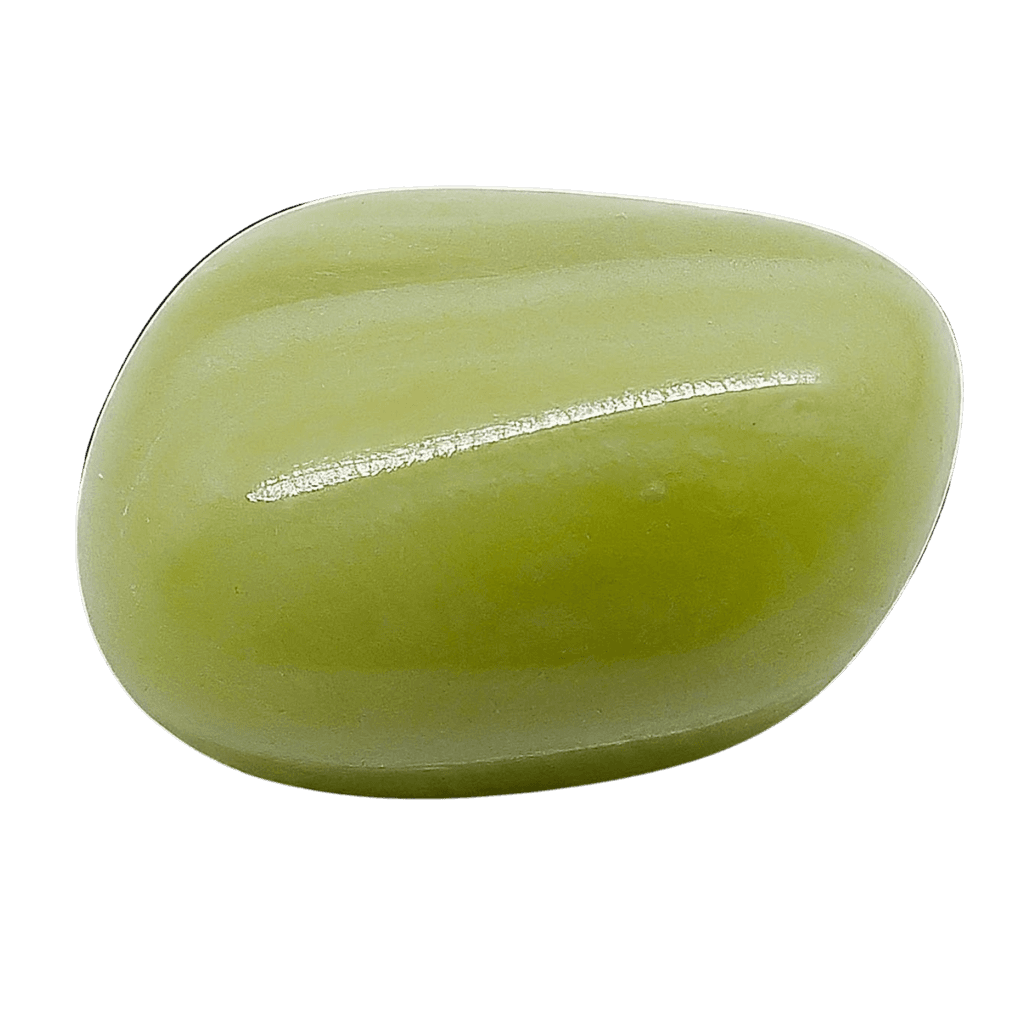
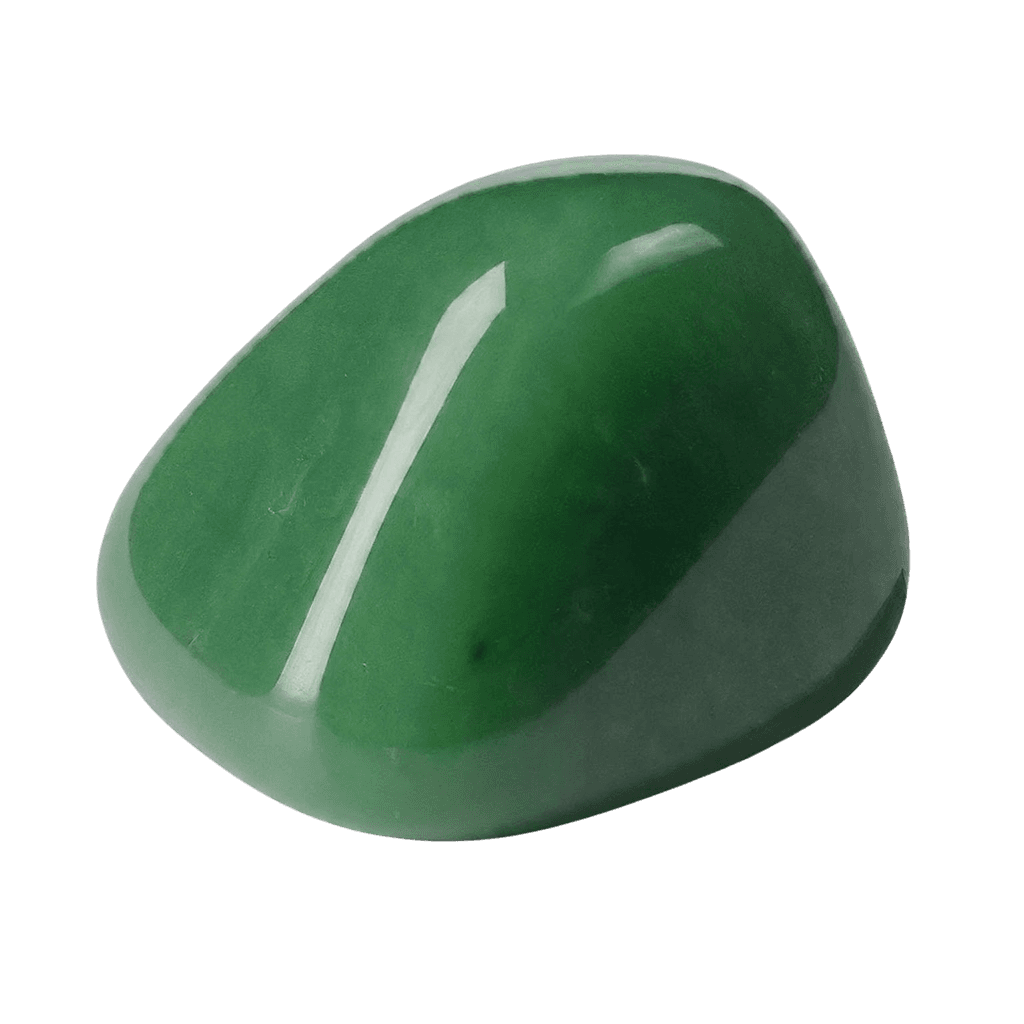
Color and pattern: the real range is green, grey, or banded; treat neon saturation or flawless uniformity as a question for the seller, because nature rarely manages either.
Price reality: quality Inca Jade runs roughly $10 to $28 for palm-sized pieces from reputable sellers; a price far below that range is usually answering a question you should have asked.
Trust your source: a seller who knows where a green stone like this came from and says so plainly is worth more than every test on this list. Vagueness about origin is itself an answer.
Sourcing
Buying Inca Jade well
The CrystalStones.com crystal store is not open yet, so we do not sell Inca Jade here. What we can give you is the part that matters most: how to tell a genuine piece from a treated or dyed one, and how to care for it once it is yours.
Frequently Asked Questions
What is Inca Jade good for?
Inca Jade is traditionally associated with heart healing, calm, meditation, and grounding. Many people find it supportive for heart healing and for working with the Heart and Root chakras.
Can Inca Jade go in water?
No, water and Inca Jade do not mix; moisture can compromise the surface or the structure itself. Serpentine family. Polished pieces only; do not grind. Wash hands after handling raw pieces.
Can Inca Jade be in the sun?
Sun is fine for Inca Jade. A half hour of direct morning light both cleanses and charges it, and the green tones are stable enough to take it.
What chakra is Inca Jade?
Inca Jade is primarily associated with the Heart (Anahata) and Root (Muladhara) chakras. In placement practice it belongs over the heart center, rocked gently by the breath while you lie still, the station tradition reserves for heart healing.
What zodiac sign is Inca Jade for?
Inca Jade is traditionally connected to Taurus and Capricorn. Astrological correspondence is one tradition among several, and nothing about your chart disqualifies you; people without a Taurus placement work with Inca Jade all the time.
How do I cleanse Inca Jade?
Stick to Moonlight, Selenite, and Sage for Inca Jade; those are the methods its care profile recommends. Every method on that list is dry by design, which suits this stone's chemistry exactly.
Is Inca Jade real or fake, how can I tell?
Genuine Inca Jade warms quickly in the hand at Mohs 3.75, while glass imitations stay cold longer and feel slick rather than satiny. Expect natural variation in its green coloring and a price near $10 to $28 for tumbled pieces; uniform color at a bargain price is the classic warning sign.
What’s Next?
A few thoughtful next steps if Inca Jade is calling to you.
Explore More Tools
Crystal Quiz
Discover which crystal matches your energy right now.
Open →Chakra Test
Find which chakras need attention and the crystals to balance them.
Open →Crystal Cleansing Guide
Learn how to safely cleanse and charge your crystals.
Open →Crystals by Intention
Find the perfect crystal for what you need right now.
Open →