Quick Answer
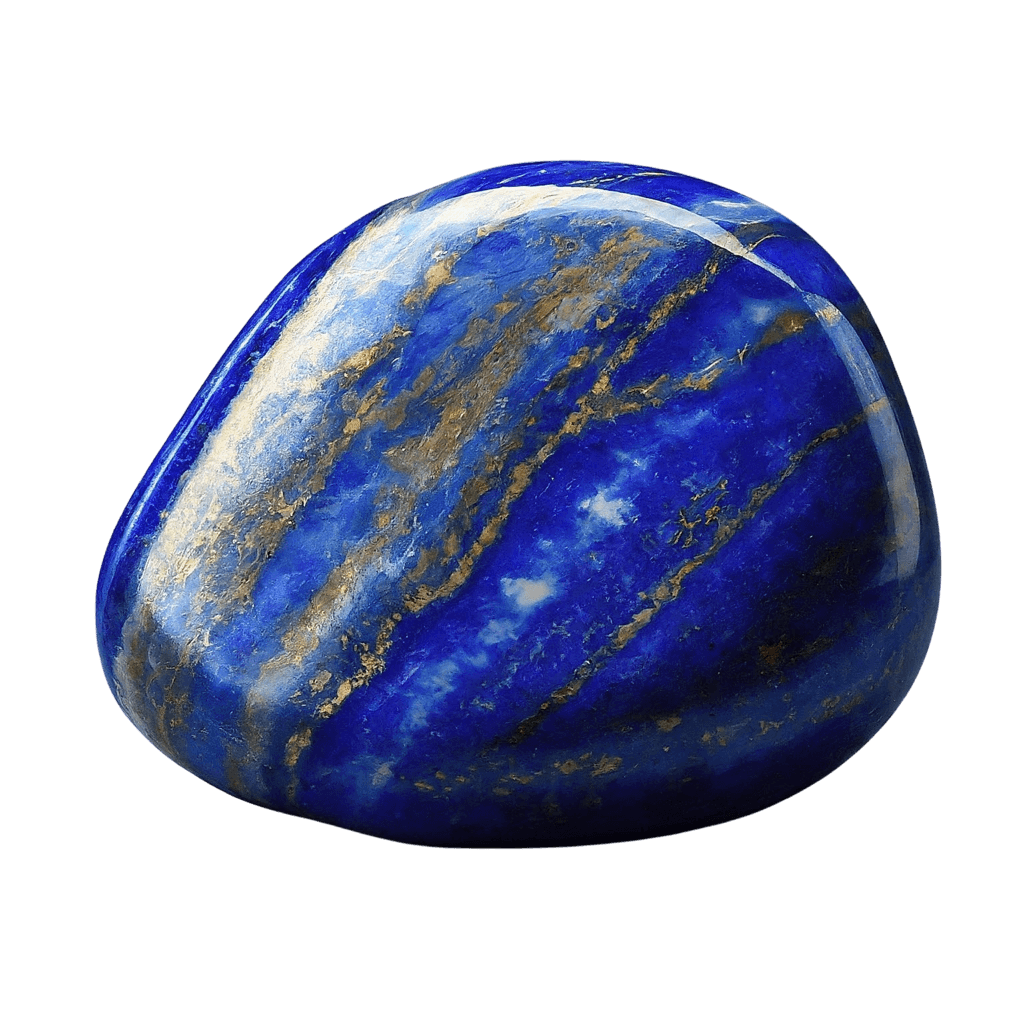
Lapis Lazuli is a deep blue crystal used in modern crystal healing for truth speaking, intuition, and clarity. It measures 5.5 on the Mohs hardness scale and typically costs $15 to $30 for a tumbled stone. In the chakra tradition, Lapis Lazuli is associated with the Throat and Third Eye chakras.
Worth knowing: Renaissance ultramarine was ground lapis lazuli, a pigment that at times cost more than its weight in gold, and the blue of Vermeer's Girl with a Pearl Earring came from Afghanistan's 6,000-year-old Sar-i-Sang mines.
“A deep blue stone of truth, wisdom, and inner vision.”
- Chakra
- Throat (Vishuddha), Third Eye (Ajna)
- Zodiac
- Sagittarius ♐
- Element
- Water 💧
- Planet
- Jupiter ♃
- Hardness
- 5.5 / 10 (Mohs)
- Colors
- Deep blue, Indigo, Royal blue with gold flecks
- Origin
- Afghanistan, Chile, Russia
- Availability
- Not sold here yet
Care + Safety
Lapis Lazuli at a glance
- Water: avoid, may damage or leach
- Sun: tolerates sunlight charging
- Mohs hardness: 5.5 (occasional wear only)
Worried it's fake?
How to spot real Lapis Lazuli
Lapis Lazuli is one of the most-counterfeited stones on the consumer market. In my practice, the combination of two or three hands-on tests is usually enough to separate authentic from substitute.
See Cassandra's Lapis Lazuli authenticity guide →What is Lapis Lazuli?
Lapis Lazuli is not a single mineral but a rock: deep blue lazurite veined with white calcite and spangled with brassy pyrite. The finest material has come from the Sar-i-Sang valley of Afghanistan for over 6,000 years, and at Mohs 5 to 5.5 it is carved more often than faceted.
Lapis Lazuli measures 5.5 on the Mohs scale and shows deep blue, indigo, or royal blue with gold flecks coloring. Call it a desk stone: the catalog assigns it truth speaking, intuition, and clarity, the work of lifting fog before words or decisions land.
The stone connects primarily to the Throat (Vishuddha) and Third Eye (Ajna) chakras, carrying Water energy. Today the material is drawn from Afghanistan, Chile, and Russia. Hold pieces from two different sources side by side and the differences in the deep blue material, tone, translucency, pattern, become obvious fast.
Lapis Lazuli carries the night sky within it, flecks of gold pyrite like stars against deep indigo. Sit with the gold pyrite flecked across that deep indigo, a night sky in miniature, and let the truer sentence be the one that surfaces. This is the stone of authentic expression, traditionally associated with royalty and wisdom.
Also catalogued as Stone of Wisdom and Royal Blue Stone, Lapis Lazuli earns its place in a working collection by being usable: start with truth speaking, the job it is best known for, and let the stone widen its own brief from there.
History and Mythology
Lapis Lazuli has been mined from one place longer than almost any gem on Earth: the Sar-i-Sang valley in Afghanistan's Badakhshan province, worked for more than 6,000 years and still producing. Egypt imported it across two and a half thousand miles of caravan route; the eyebrows and eye-rims of Tutankhamun's gold funerary mask are inlaid with it. Its second career was as a color. Medieval workshops ground the stone, kneaded it with wax and lye, and washed out ultramarine, 'from beyond the sea', the most expensive pigment in European art, at times trading above its weight in gold and rationed for the robes of the Virgin Mary. Vermeer ignored the rationing: the headscarf of Girl with a Pearl Earring is painted with it, an extravagance often blamed for the debts his family was left holding. When the French chemist Jean-Baptiste Guimet synthesized ultramarine in 1826, the pigment price collapsed, yet the stone never followed it down. Lay a polished piece against your wrist on a warm afternoon; it keeps the cool of deep water longer than it should.
Lapis Lazuli Meaning and Metaphysical Properties
What the Hand Learns First
In the hand Lapis Lazuli reads as gentle before you know anything else about it. Mohs 5.5 hardness means it gives up its coolness quickly, and the deep blue polish carries a waxy, candle-like glow. Look up from the stone after a minute and check the room; many people working with clarity stones describe edges firming and attention narrowing to a single point.
Primary Properties
Clear thinking is the thread tying the Lapis Lazuli properties together: truth speaking, intuition, clarity, and communication. The family earns its keep at the desk and in the hard talk, wherever language needs a clean runway. Set the stone out at the start of each session and put it away at the end; the repetition is the method.
How Crystal Energy Works
Lapis Lazuli is read through the Throat center, the channel between inner knowing and spoken word, and the bridge is asked here to carry truth speaking. Throat practice is brief and honest: one true sentence about truth speaking, intuition, and clarity, said aloud with the stone in hand. Judy Hall groups the clarity stones with the throat and brow centers, and her entries for the family read like study aids: focus, articulation, honest speech.
Amplification Through Intention
The Water designation on Lapis Lazuli is permission to go slowly; this element does its truth speaking work through feeling rather than effort. Hold the stone when emotions need room, not fixing.
Healing Benefits
Emotional Support
Lapis Lazuli steadies the emotional weather around truth speaking, intuition, and clarity. It suits the days when the thread keeps knotting, when what you feel is perfectly real and what to call it keeps escaping. As with all crystal healing, truth speaking support from a stone is reflective practice rather than medicine; significant emotional concerns deserve qualified human help.
Spiritual Connection
In spiritual practice Lapis Lazuli keeps company with honesty: the journal entry written straight, the talk no longer postponed. The tradition sites this work at the Throat center and treats clear speech as its own discipline.
Physical Presence
Physically, Lapis Lazuli keeps company with the soft systems, rest and recovery, the long exhale after effort toward truth speaking. Its honest job is reminding you to downshift; anything medical belongs with medical professionals.
Chakra Connection
Lapis Lazuli resonates most strongly with the Throat (Vishuddha), the energy center traditionally drawn in blue and the traditional seat of this stone's truth speaking work. When this center runs clear, the classical markers are words that match what you mean and a voice you recognize as your own; truth speaking, intuition, and clarity are what Lapis Lazuli is most often asked to bring to it.
Lying down, settle Lapis Lazuli at the throat with the jaw soft, counting nothing; that is the traditional throat station, and the session is aimed at truth speaking.
Lapis Lazuli also keeps a working line to the Third Eye (Ajna), which widens its range in layouts; let the primary placement lead, and add the second position once the first feels familiar.
Zodiac and Astrological Connection
Astrological tradition links Lapis Lazuli with Sagittarius ♐ (Nov 22 to Dec 21), and practitioners often suggest the stone meets Sagittarius placements with the least friction.
Correspondence is a suggestion, not a bouncer; plenty of devoted Lapis Lazuli keepers have no Sagittarius in their chart at all, and being drawn to the stone is the credential that matters.
The assigned ruler is Jupiter ♃; in practice that means Lapis Lazuli comes out when that planet is prominent in the sky or in your chart, and truth speaking is the work it is handed.
How to Use Lapis Lazuli
Here are five ways I recommend working with Lapis Lazuli. Start with whichever feels most natural, there's no wrong entry point.
- 1
Meditation Hold
Take up Lapis Lazuli as you settle in; at Mohs 5.5 it takes on your warmth within a minute or two, and that slow merge is a useful anchor whenever the mind wanders.
- 2
Body Placement
Set Lapis Lazuli at the throat's lowest point while you lie back, and let the jaw go slack. Stay as long as staying is easy, and stop when it stops being easy, which is the only measure the old guidance offers. That low seat is the throat's traditional station, and the work assigned to it is truth speaking.
- 3
Sleep Companion
At night, park Lapis Lazuli on the nightstand rather than working it; its job is the day's truth speaking, and ending the day cleanly is how tomorrow's session starts well.
- 4
Carry With You
Carry Lapis Lazuli into the long meetings and the hard drafts. A deliberate touch when the thread tangles is a two-second reset, and over weeks it builds a dependable truth speaking habit.
- 5
Crystal Grid Anchor
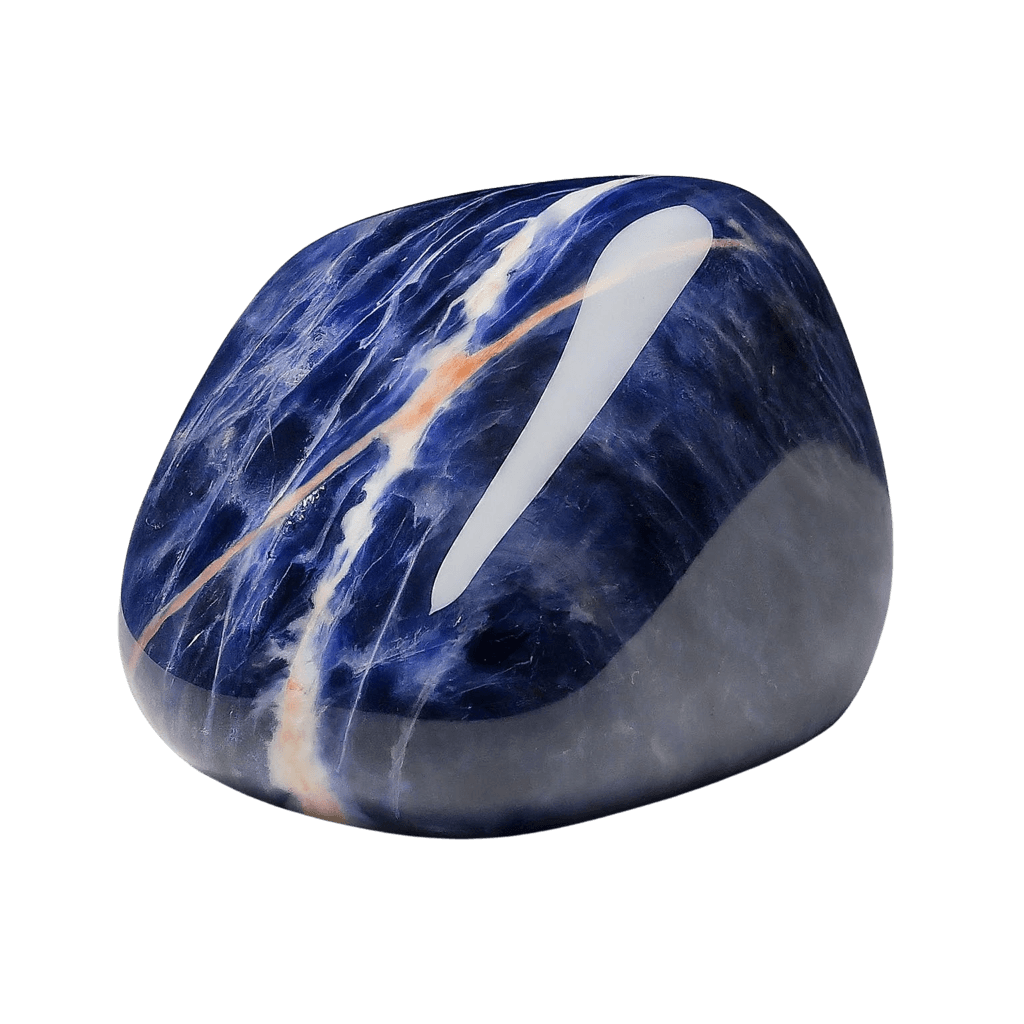
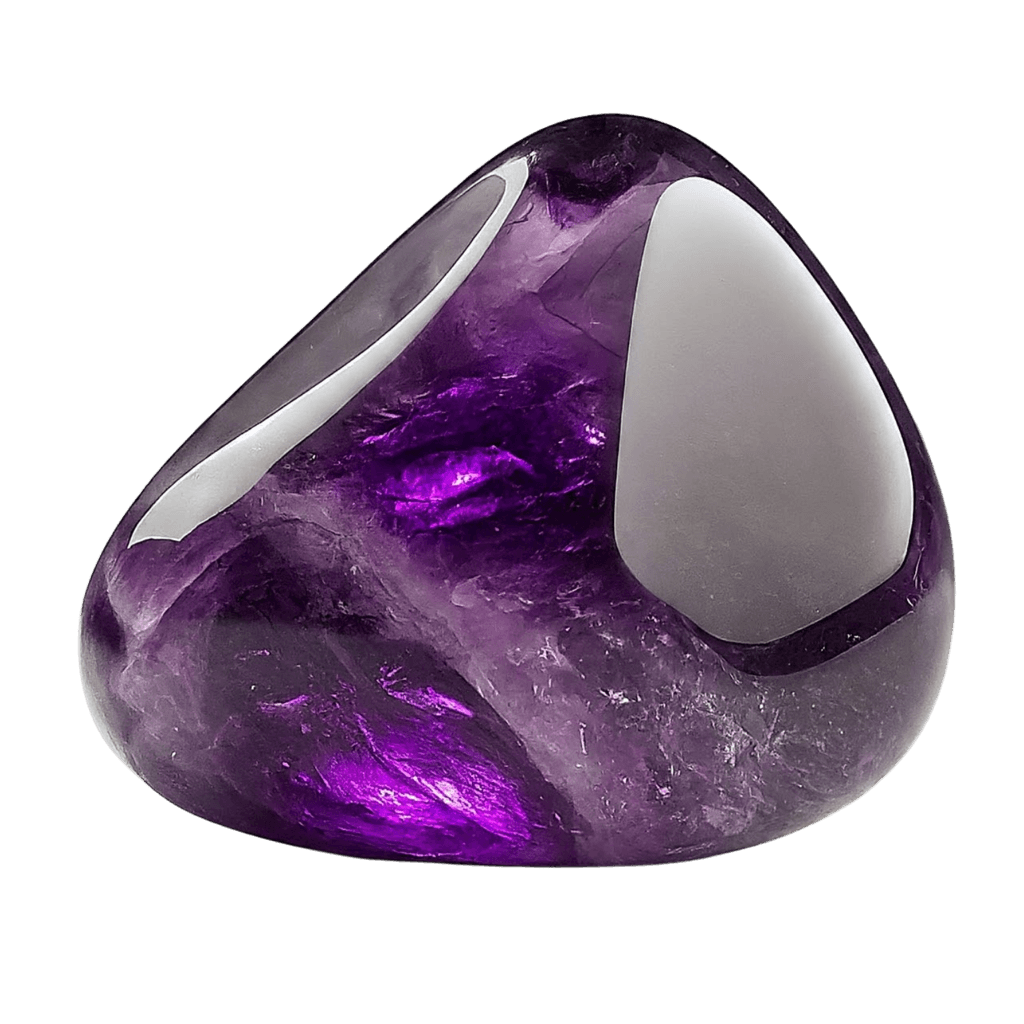
Set Lapis Lazuli at the center of a grid built for truth speaking and ring it with Sodalite and Amethyst at the points. Speak the intention once as you place each stone; a grid is a sentence written in minerals, and saying the truth speaking aloud is the punctuation.
How to Cleanse and Charge
Keeping Lapis Lazuli energetically clear is essential, a crystal that's holding too much absorbed energy becomes less effective, like a sponge that's full. For the full water-safe / sun-safe / salt-safe profile, the recommended cleansing cadence, and the hands-on storage instructions I give my clients, see the dedicated Lapis Lazuli care guide.
- 1
Moonlight
Set Lapis Lazuli on a windowsill or ledge under the full moon and collect it in the morning. Moonlight is the gentlest cleanse in the tradition, safe for every stone in the collection and impossible to overdo.
- 2
Sage
Smoke-cleanse Lapis Lazuli: light the sage, let it settle to a smolder, and move the stone through the rising smoke until your sense of it lightens, usually under a minute.
- 3
Selenite
Lay Lapis Lazuli on a selenite plate or alongside a selenite wand overnight; selenite is the tradition's self-cleaning shelf, no effort, no risk to the stone.
- 4
Sound
Sound-cleanse Lapis Lazuli by striking a bowl or bell, letting each tone fade completely before the next; the vibration does the clearing, and no contact is needed.
How often to cleanse
Give Lapis Lazuli a clearing at least every month, and sooner after hard weeks or heavy daily use. The stone will teach you its own signal in time; most people describe it as dullness, weight, or a sense the stone has gone quiet.
Charging after cleansing
Once it is cleansed, recharge Lapis Lazuli by placing it in morning sunlight for 30 minutes; cleansing empties the stone, charging refills it.
The Crystal Starter Library
A free guide from Crystal Cassandra: the twelve stones that cover almost everything, a one page care matrix for water, sun and salt, and how to build a first intention practice.
We respect your inbox. Unsubscribe anytime.
Crystal Pairings
Lapis Lazuli pairs functionally: think desk set, not jewelry box. Partners are chosen the way tools are chosen, one for focus, one for voice, one for nerve. Two stones to one truth speaking task is the working maximum; clarity hates clutter.
Lapis Lazuli and Tarot
Featured in Tarot
Lapis Lazuli appears as the crystal pairing for 3 cards in our tarot guide, hold the stone while you draw or study these archetypes.
Buying Lapis Lazuli: Price, Quality, and Jewelry
Color carries the lapis lazuli meaning of truth-telling and royal wisdom, and color is exactly what you pay for: the grade climbs with deep, even royal blue, minimal white calcite, and a fine dusting of pyrite, with stone from the historic Afghan mines still topping the market. Heavy white veining drags prices down sharply; grey-blue 'denim lapis' is the honest budget tier. Expect $15 to $30 for quality tumbled stones, more for beads and carvings of even color. The classic fake is dyed howlite: a cotton swab of acetone lifts blue dye but leaves genuine lapis untouched, and real pyrite glints metallic gold rather than glitter-paint. Porous and only Mohs 5 to 5.5, lapis belongs in pendants and earrings rather than daily rings, and it should never meet water, salt, or perfume.
How to Spot Real vs Fake Lapis Lazuli
The market in Lapis Lazuli has grown faster than its honesty, and deep blue pieces are easy to imitate on a screen. Here is how to check one before you pay for it:
Temperature: at Mohs 5.5, genuine Lapis Lazuli warms in the hand noticeably faster than glass; an imitation in glass stays cold and slick well past the first minute.
Weight: real Lapis Lazuli should feel like stone rather than plastic pretending; if a palm-sized piece feels nearly weightless, walk away from it.
Color and pattern: natural Lapis Lazuli runs deep blue, indigo, or royal blue with gold flecks, with variation from piece to piece; perfectly uniform color across a whole tray is the classic mark of dye or synthetics.
Price: expect $15 to $30 for a decent tumbled or palm piece of Lapis Lazuli; dramatic discounts mean dye, resin, or mislabeling more often than they mean luck.
Trust your source: a seller who knows where a deep blue stone like this came from and says so plainly is worth more than every test on this list. Vagueness about origin is itself an answer.
Sourcing
Buying Lapis Lazuli well
The CrystalStones.com crystal store is not open yet, so we do not sell Lapis Lazuli here. What we can give you is the part that matters most: how to tell a genuine piece from a treated or dyed one, and how to care for it once it is yours.
Frequently Asked Questions
What is Lapis Lazuli good for?
Lapis Lazuli is traditionally associated with truth speaking, intuition, clarity, and communication. Many people find it supportive for truth speaking and for working with the Throat and Third Eye chakras.
Can Lapis Lazuli go in water?
No, water and Lapis Lazuli do not mix; moisture can compromise the surface or the structure itself. Porous stone, avoid water and salt. Moonlight and sage are safest.
Can Lapis Lazuli be in the sun?
Yes. Lapis Lazuli is one of the sun-tolerant stones, so use morning light freely to charge the deep blue material; just bring it in rather than leaving it out for whole days at a time.
What chakra is Lapis Lazuli?
Lapis Lazuli is primarily associated with the Throat (Vishuddha) and Third Eye (Ajna) chakras. Either of two stations works: the throat in placement practice, or a short chain that keeps it there all day, each serving its truth speaking role.
What zodiac sign is Lapis Lazuli for?
Lapis Lazuli is traditionally connected to Sagittarius. That said, the zodiac correspondence is an invitation rather than a requirement; any chart can work with Lapis Lazuli, and attraction to the stone matters more than the calendar.
How do I cleanse Lapis Lazuli?
The best methods for Lapis Lazuli are Moonlight, Sage, and Selenite. Porous stone, avoid water and salt. Moonlight and sage are safest.
Is Lapis Lazuli real or fake, how can I tell?
Genuine Lapis Lazuli warms quickly in the hand at Mohs 5.5, while glass imitations stay cold longer and feel slick rather than satiny. Natural deep blue material varies piece to piece and runs about $15 to $30 tumbled, so perfectly matched stones at a suspicious discount deserve a second look.
Is lapis lazuli a rock or a mineral?
Lapis lazuli is a rock, not a single mineral. To carry the name, the material must be distinctly blue and at least 25 percent lazurite, the feldspathoid mineral that supplies the color. The white is calcite and the gold flecks are pyrite. More lazurite means deeper blue. Pale, calcite-heavy stone is graded as denim lapis. That mixed makeup sets the care rules: never rinse or soak lapis, because the calcite running through it is only Mohs 3.
Is lapis lazuli dyed?
Much of the inexpensive lapis lazuli on the market is dyed, usually to mask white calcite. Geology.com describes lapis as frequently dyed after cutting, then waxed or oiled to lift the luster, so treated material is common at the budget end. Dyed howlite is an imitation, and so is the dyed jasper the trade has long sold as Swiss lapis. The standard bench check is acetone on a cotton swab, which lifts blue dye and leaves genuine lapis untouched.
What is the difference between lapis lazuli and sodalite?
Lapis lazuli is a rock and sodalite is a single mineral, and the fastest tell is pyrite: lapis carries brassy gold flecks and sodalite carries none. Geology.com's sodalite entry separates the two by exactly that missing pyrite. Sodalite is slightly harder at Mohs 5.5 to 6 against lapis at 5 to 5.5, and both can show white veining, so veining alone settles nothing. The two look alike because lazurite, the blue in lapis, belongs to the sodalite mineral group.
What’s Next?
A few thoughtful next steps if Lapis Lazuli is calling to you.
Explore More Tools
Crystal Quiz
Discover which crystal matches your energy right now.
Open →Chakra Test
Find which chakras need attention and the crystals to balance them.
Open →Crystal Cleansing Guide
Learn how to safely cleanse and charge your crystals.
Open →Crystals by Intention
Find the perfect crystal for what you need right now.
Open →