Quick Answer
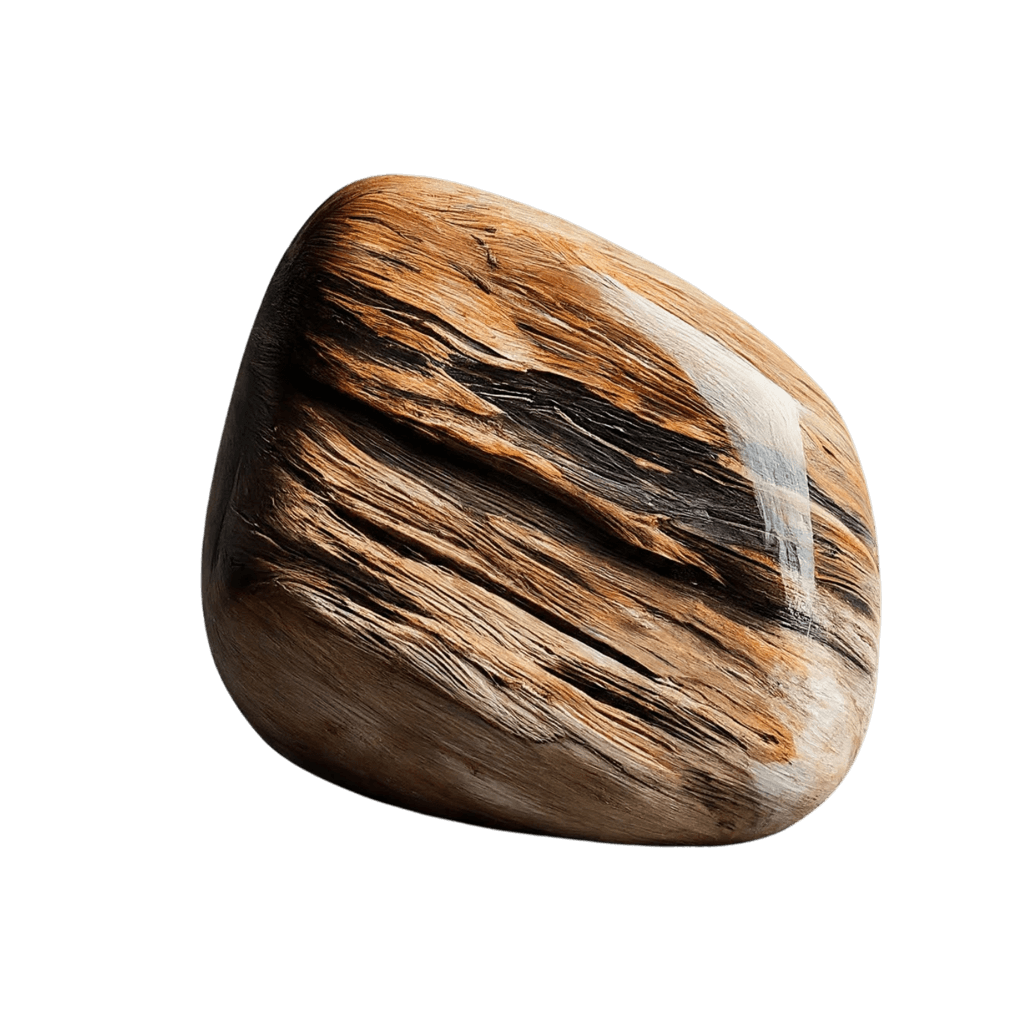
Petrified Wood is a brown crystal used in modern crystal healing for grounding, calm, and stress relief. It measures 7 on the Mohs hardness scale and typically costs $10 to $30 for a tumbled stone. In the chakra tradition, Petrified Wood is associated with the Root chakra.
Worth knowing: Logs in Arizona's Petrified Forest National Park are about 225 million years old, Late Triassic conifers that washed into river channels and now lie as jasper-bright stone trunks up to several feet thick.
“Ancient tree fossilized into stone, carrying deep grounding, patience, and ancestral wisdom.”
- Chakra
- Root (Muladhara)
- Zodiac
- Leo ♌, Virgo ♍
- Element
- Earth 🌍
- Planet
- Saturn ♄
- Hardness
- 7 / 10 (Mohs)
- Colors
- Brown, Tan, Rust, Ringed patterns
- Origin
- USA (Arizona), Indonesia, Madagascar
- Availability
- Not sold here yet
Care + Safety
Petrified Wood at a glance
- Water: brief rinse safe
- Sun: tolerates sunlight charging
- Mohs hardness: 7 (durable for daily-wear jewelry)
What is Petrified Wood?
Petrified wood is a fossil of ancient forests in which silica-rich groundwater gradually permineralized buried logs, preserving growth rings and cell walls in chalcedony and opal. The rainbow colors are trace chemistry: iron oxides give reds and yellows, manganese purples and blacks, and chromium an occasional green.
Petrified Wood measures 7 on the Mohs scale and shows brown, tan, or rust coloring. By temperament it is a keeper stone, the guarding end of the collection, and grounding, calm, and stress relief are what it is most often handed.
The stone connects primarily to the Root (Muladhara) chakra, carrying Earth energy. Sources include USA (Arizona), Indonesia, and Madagascar; deposit matters more than beginners expect, and collectors learn to recognize where a piece of Petrified Wood was mined by its color depth and pattern.
Petrified Wood was once a living tree, over millions of years, mineral-rich water replaced its cellular structure with silica, atom by atom. What's left is wood-shaped stone, holding the slow patience of geologic time. Hold it when modern life feels too fast. This stone teaches that real strength is built slowly.
Also catalogued as Stone of Patience and Fossilized Wood, whether it is your first stone or your fiftieth, Petrified Wood tends to find its role quickly, and grounding is the natural place to begin.
History and Mythology
The human relationship with Petrified Wood predates chemistry. Classical sources describe it by appearance and use rather than formula, and it moved along trade routes as a valued material centuries before anyone could say what it was made of. The modern metaphysical vocabulary around grounding is younger, but the habit of keeping this stone close is not; present-day material comes from USA (Arizona), Indonesia, and Madagascar.
The correspondence tables used by today's practitioners assign Petrified Wood to Leo and Virgo under the rulership of Saturn ♄. In that system, work centered on grounding is said to land best while those signs are in season.
Whatever the age of the name, the geology is patient: every piece of Petrified Wood took shape over geological timescales, arriving at its Mohs 7 hardness through slow heat, pressure, and chemistry long before any hand reached for it.
Petrified Wood Meaning and Metaphysical Properties
First Touch
The first touch of Petrified Wood is cooler than you expect, and the brown polish is slick as bottle glass. Mohs 7 stones hold their temperature, and that slow warming is part of their character. Attend to heaviness rather than to tingling. Ballast is the quality this family is traditionally read for, so that is the thing worth giving your attention to.
Primary Properties
The working properties of Petrified Wood cluster at the protective end: grounding, calm, stress relief, and transformation. This family teaches containment, a settled spine, a slower breath, a clear sense of where you end and the room begins. The list is traditional shorthand; the stone meets whatever version of steadiness you actually need.
How Crystal Energy Works
Petrified Wood belongs to the Root center in the traditional reading, the body's anchor point, where grounding is the standing request. Sessions at this center stay low and slow-paced, seated comfortably, and grounding, calm, and stress relief name the long assignment. The image Melody uses for the grounding family in Love Is in the Earth is a rooted one, an energy cord running from the base of the spine into the earth itself.
Amplification Through Intention
Earth stones such as Petrified Wood are traditionally treated as keel rather than sail; they hold a grounding course. Give the assignment once, clearly, and then let routine carry it.
Healing Benefits
Emotional Support
Emotionally, Petrified Wood is traditionally associated with grounding, calm, and stress relief, the felt sense of being defended and rooted. Many people keep it close on the days when other people's weather gets in too easily. These are traditional grounding associations rather than medical claims; for anything heavy or persistent, a qualified professional belongs in the picture alongside any stone.
Spiritual Connection
Petrified Wood holds the doorkeeper post in spiritual practice: tradition gives it the opening breath before inner work and the deliberate landing afterward. For this family, a well-kept boundary is itself a form of devotion.
Physical Presence
Tradition reads Earth stones like Petrified Wood through the soles of the feet: stance, weight, the felt fact of standing somewhere while you work on grounding. Try standing barefoot with the stone in hand when the day goes abstract; the practice is awareness, not medicine.
Chakra Connection
Petrified Wood resonates most strongly with the Root (Muladhara), the energy center traditionally drawn in red and the traditional seat of this stone's grounding work. When this center runs clear, the classical markers are safety, stability, and groundedness; grounding, calm, and stress relief are what Petrified Wood is most often asked to bring to it.
Work it seated and slow; put Petrified Wood on the floor where your gaze lands, feet flat, and breathe down toward it. Root work is the least dramatic chakra work there is, which is exactly why grounding grows well in it.
Zodiac and Astrological Connection
Astrological tradition links Petrified Wood with Leo ♌ (Jul 23 to Aug 22) and Virgo ♍ (Aug 23 to Sep 22), and practitioners often suggest the stone meets Leo placements with the least friction.
None of this is exclusionary. If Petrified Wood keeps catching your eye, that interest counts for more than whether Leo appears anywhere in your chart.
In the planetary layer of the system, Saturn ♄ holds the rulership, and that planet's prominent transits are the traditional windows for deeper grounding work with Petrified Wood.
How to Use Petrified Wood
Here are five ways I recommend working with Petrified Wood. Start with whichever feels most natural, there's no wrong entry point.
- 1
Meditation Hold
Begin the sit with Petrified Wood against the skin and use its coolness as the focus; at Mohs 7 it holds that freshness for a while before giving in to body heat.
- 2
Body Placement
Floor and hip are the two Root stations in the old placement charts, and Petrified Wood takes either one: by the feet during seated work, at the hips when lying back. In my practice the interesting part is never the position itself but what you catch yourself noticing once you stop expecting anything from it, which is how the tradition's grounding work was meant to be entered.
- 3
Sleep Companion
Petrified Wood can still earn the nightstand even though its brief is grounding rather than rest: setting the stone down as you set the day down marks the switch from doing to sleeping.
- 4
Carry With You
Bring Petrified Wood along when the calendar promises crowds, noise, or rooms you would rather skip. Each touch-check restates the boundary, two seconds of contact saying that grounding travels with you.
- 5
Crystal Grid Anchor
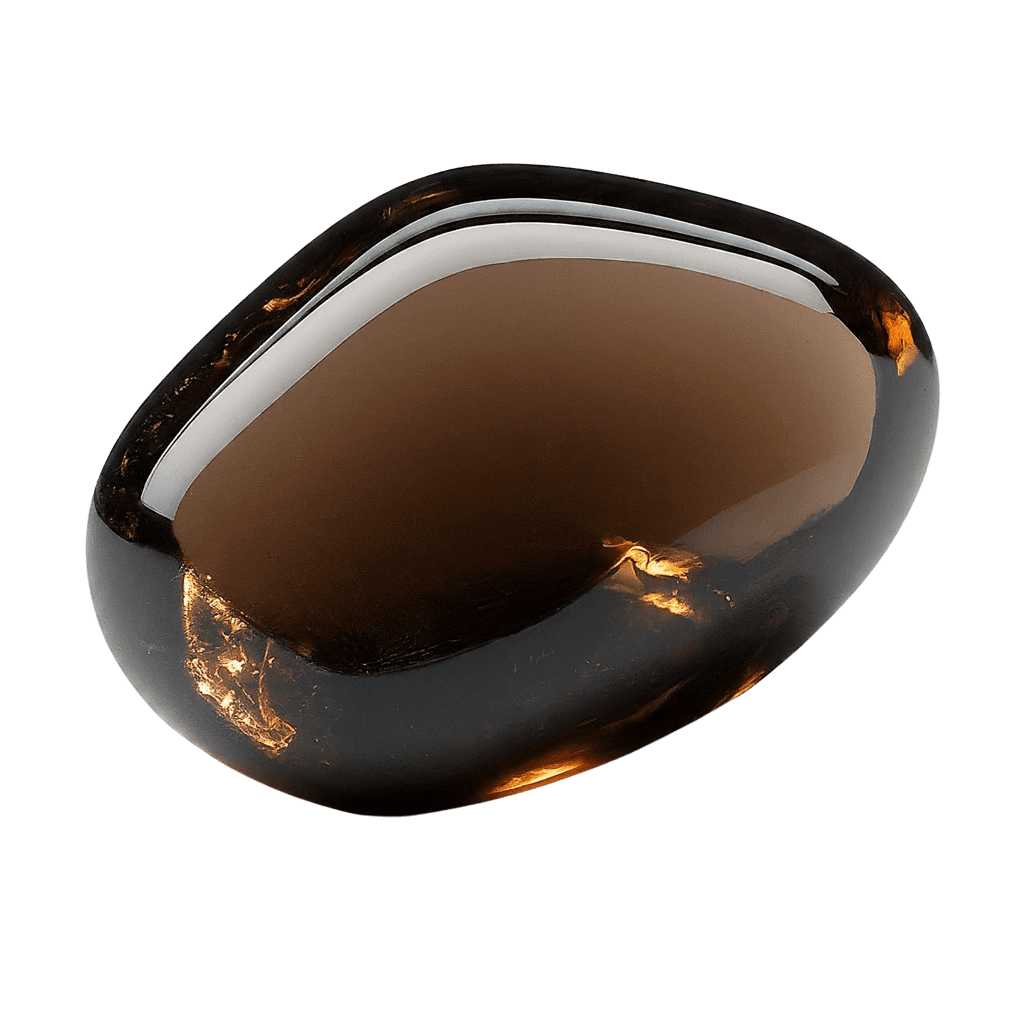
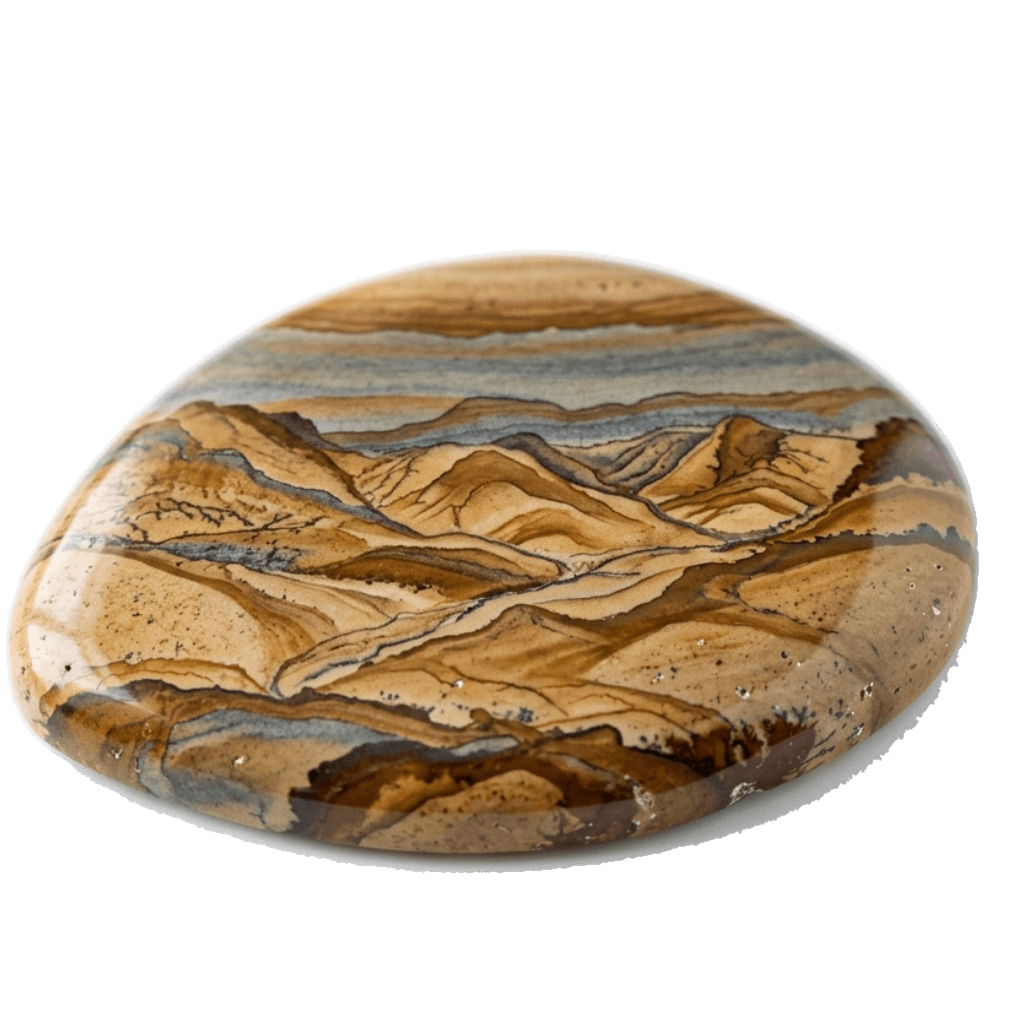
For grid work, give Petrified Wood the anchor position and run Smoky Quartz and Jasper Picture on the outer points, all matched to a single grounding intention. Rebuild it when it goes stale; a grounding grid you have stopped seeing has stopped working.
How to Cleanse and Charge
Keeping Petrified Wood energetically clear is essential, a crystal that's holding too much absorbed energy becomes less effective, like a sponge that's full. For the full water-safe / sun-safe / salt-safe profile, the recommended cleansing cadence, and the hands-on storage instructions I give my clients, see the dedicated Petrified Wood care guide.
- 1
Earth
Bury Petrified Wood in clean garden soil or a pot of earth for a full day; the tradition holds burial to be the deepest reset, returning the stone to the element it came from.
- 2
Sage
Pass Petrified Wood through the smoke of white sage or rosemary for about thirty seconds, turning it so the smoke wraps every face, while you hold a clear intention of release.
- 3
Sound
Hold Petrified Wood near a singing bowl, bell, or tuning fork and let a full minute of tone wash over it; sound reaches stones that water, salt, and sun cannot safely touch.
- 4
Moonlight
Give Petrified Wood a night outdoors or at the glass under a bright moon; the tradition holds moonlight to be the universal reset, slow, cool, and risk-free.
- 5
Water
Run cool water over Petrified Wood while turning it slowly; when the surface feels fresh under the thumb, dry it well and let it rest before its next use.
How often to cleanse
Monthly is the floor for Petrified Wood; step the cadence up whenever the stone is in daily rotation or the season is emotionally loud. With practice you will feel the tell yourself, a worked stone reads heavier and flatter in the palm.
Charging after cleansing
Follow every cleansing with a charge: for Petrified Wood that means placing it in morning sunlight for 30 minutes. A cleared stone is neutral, a charged one is ready.
The Crystal Starter Library
A free guide from Crystal Cassandra: the twelve stones that cover almost everything, a one page care matrix for water, sun and salt, and how to build a first intention practice.
We respect your inbox. Unsubscribe anytime.
Crystal Pairings
Pair Petrified Wood the way you would build a wall: one stone for mass, one for watch. Its traditional partners divide that labor, boundary-holding on one side, alertness on the other. Hold any two together briefly before committing; ease in the hand is the green light.
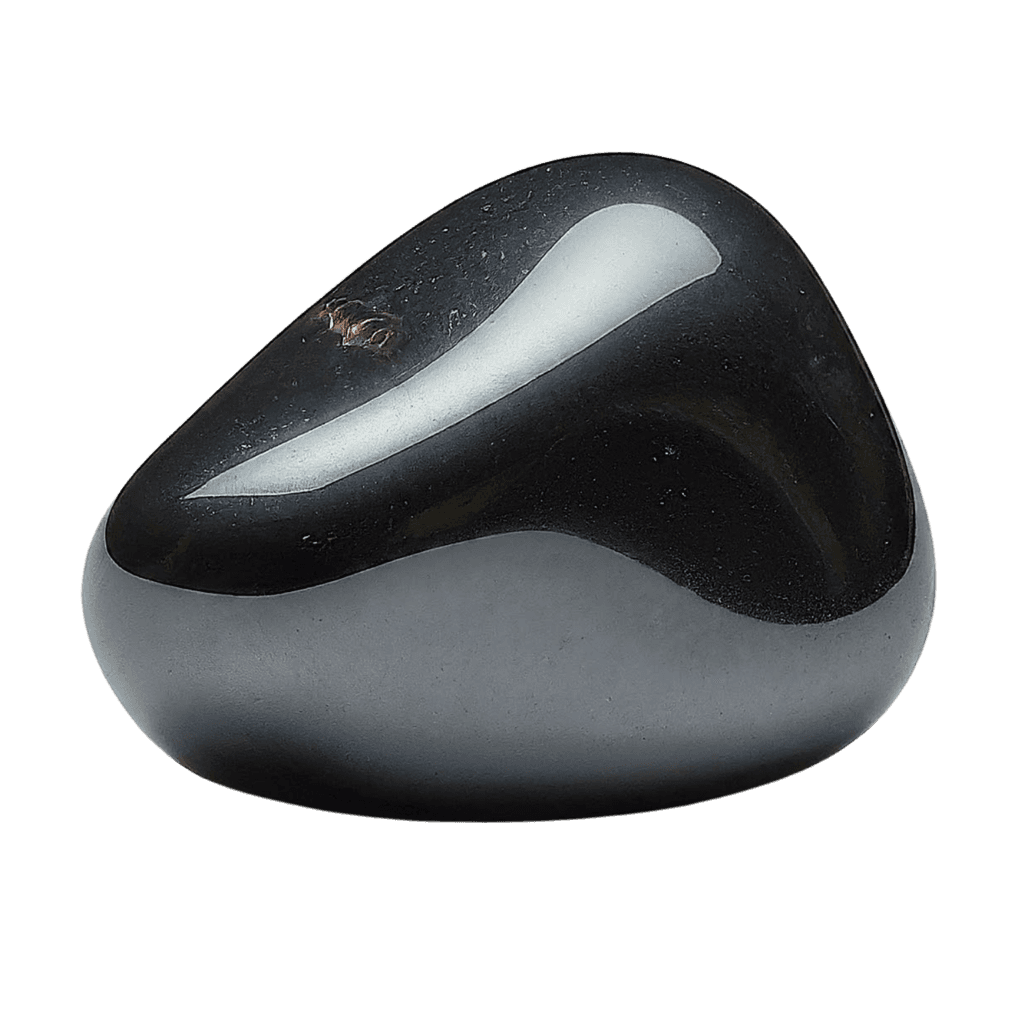
How to Spot Real vs Fake Petrified Wood
Imitations of Petrified Wood exist because demand does. A few hands-on checks separate genuine brown material from glass, resin, and dye:
Temperature: genuine Petrified Wood feels distinctly cool at first touch and gives that coolness up slowly; resin copies feel warm almost immediately, which is the quickest tell there is.
Weight and density: resin fakes run light for their size, while genuine Petrified Wood at Mohs 7 carries honest mineral density; weigh it in the palm against any real tumbled stone you own.
Color and pattern: natural Petrified Wood runs brown, tan, or rust, with variation from piece to piece; perfectly uniform color across a whole tray is the classic mark of dye or synthetics.
Price: expect $10 to $30 for a decent tumbled or palm piece of Petrified Wood; dramatic discounts mean dye, resin, or mislabeling more often than they mean luck.
Trust your source: provenance beats any hands-on check; ask where the Petrified Wood was mined and whether the brown material is treated, and expect straight answers rather than adjectives.
Sourcing
Buying Petrified Wood well
The CrystalStones.com crystal store is not open yet, so we do not sell Petrified Wood here. What we can give you is the part that matters most: how to tell a genuine piece from a treated or dyed one, and how to care for it once it is yours.
Frequently Asked Questions
What is Petrified Wood good for?
Petrified Wood is traditionally associated with grounding, calm, stress relief, and transformation. Many people find it supportive for grounding and for working with the Root chakra.
Can Petrified Wood go in water?
It can. Petrified Wood handles brief water contact without trouble at Mohs 7, and a short rinse under cool water makes a sound regular cleanse. Towel the stone off afterward and treat soaking as off the menu; brief contact is the whole agreement.
Can Petrified Wood be in the sun?
Sun is fine for Petrified Wood. A half hour of direct morning light both cleanses and charges it, and the brown tones are stable enough to take it.
What chakra is Petrified Wood?
Petrified Wood is primarily associated with the Root (Muladhara) chakra. Low placements serve it best, the hips or the floor between seated feet, since that is where root-center grounding work traditionally happens.
What zodiac sign is Petrified Wood for?
Petrified Wood is traditionally connected to Leo and Virgo. If your signs differ, work with Petrified Wood anyway; resonance in the hand outranks resonance on paper in every practical tradition.
How do I cleanse Petrified Wood?
Stick to Earth, Sage, and Sound for Petrified Wood; those are the methods its care profile recommends. Water stays available for a quick rinse at Mohs 7, though the listed methods carry the monthly routine.
Is Petrified Wood real or fake, how can I tell?
Genuine Petrified Wood feels cool at first touch and warms slowly; at Mohs 7 it also resists the pocket scratches that mark softer fakes. Natural brown material varies piece to piece and runs about $10 to $30 tumbled, so perfectly matched stones at a suspicious discount deserve a second look.
What’s Next?
A few thoughtful next steps if Petrified Wood is calling to you.
Explore More Tools
Crystal Quiz
Discover which crystal matches your energy right now.
Open →Chakra Test
Find which chakras need attention and the crystals to balance them.
Open →Crystal Cleansing Guide
Learn how to safely cleanse and charge your crystals.
Open →Crystals by Intention
Find the perfect crystal for what you need right now.
Open →