
Quick Answer
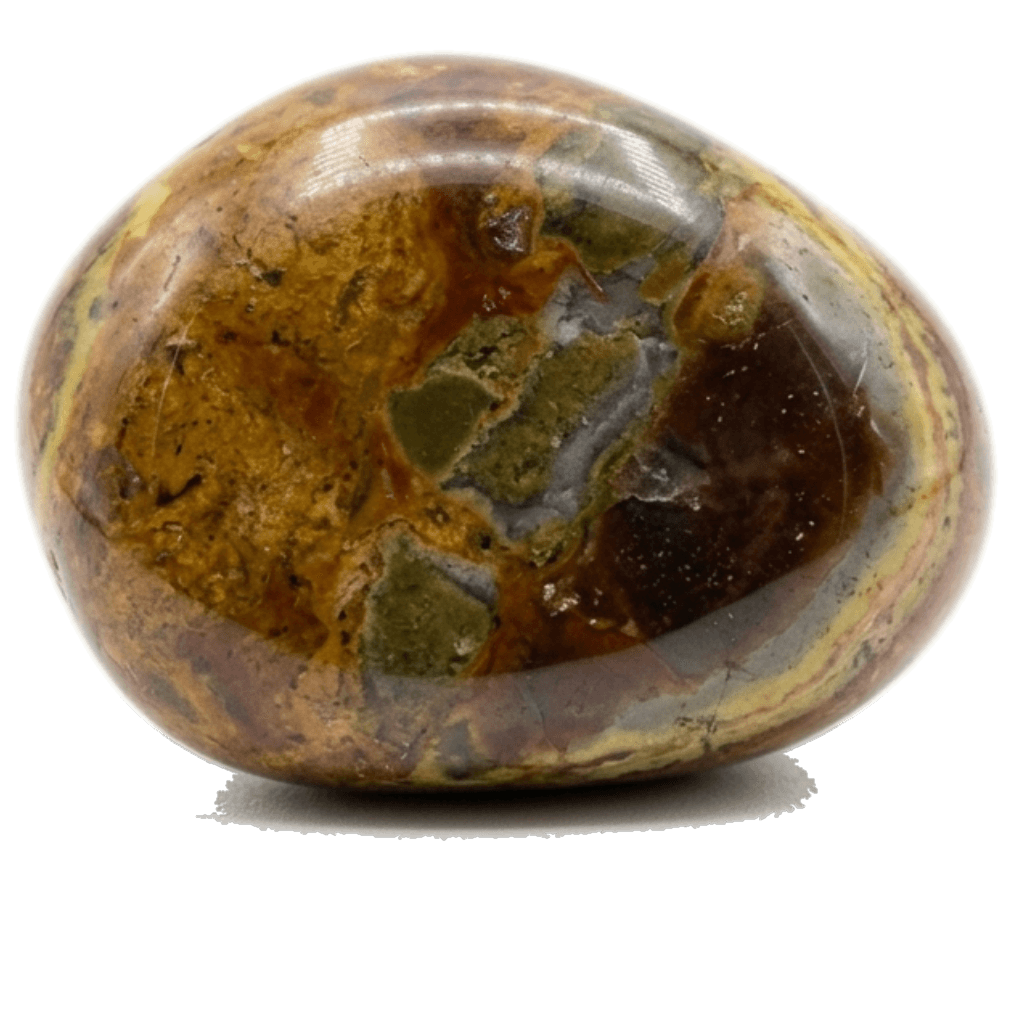
Siderite is a amber crystal used in modern crystal healing for grounding, power, and confidence. It measures 4 on the Mohs hardness scale and typically costs $7 to $26 for a tumbled stone. In the chakra tradition, Siderite is associated with the Root and Solar Plexus chakras.
Worth knowing: Austria's Erzberg, the Ore Mountain of Styria, is the largest siderite deposit on Earth and has been mined for many centuries; its terraced open pit still produces iron ore today.
“An amber-to-brown iron carbonate of grounding willpower and steady, earthy resolve.”
- Chakra
- Root (Muladhara), Solar Plexus (Manipura)
- Zodiac
- Capricorn ♑, Taurus ♉
- Element
- Earth 🌍
- Planet
- Saturn ♄
- Hardness
- 4 / 10 (Mohs)
- Colors
- Amber, Honey brown, Dark brown, Tan
- Origin
- Germany, Portugal, Bolivia, USA
- Availability
- Not sold here yet
Care + Safety
Siderite at a glance
- Water: avoid, may damage or leach
- Sun: tolerates sunlight charging
- Mohs hardness: 4 (display + meditation only)
What is Siderite?
Siderite is iron carbonate, named in 1845 from the Greek sideros, iron, and at roughly 48 percent iron by weight it has been smelted as an ore for centuries. It forms in sedimentary ironstones and hydrothermal veins, frequently in company with sphalerite and galena in mining districts worldwide.
Siderite measures 4 on the Mohs scale and shows amber, honey brown, or dark brown coloring. It is one of the keeper stones, the protective end of the catalog, most often asked for grounding, power, and confidence.
The stone connects primarily to the Root (Muladhara) and Solar Plexus (Manipura) chakras, carrying Earth energy. Sources include Germany, Portugal, Bolivia, and USA; deposit matters more than beginners expect, and collectors learn to recognize where a piece of Siderite was mined by its color depth and pattern.
Siderite is an iron carbonate that forms in honey-brown to dark-brown rhombic crystals with a soft pearly luster. Hold this stone and notice a warm, weighty steadiness low in the body. In the crystal-healing tradition Siderite is treated as a stone of grounded willpower and quiet endurance, helping you stay with a slow task. Because it is a soft carbonate that reacts with acids, I keep it away from water and salt and cleanse it dry.
Also catalogued as Iron Carbonate and Chalybite, Siderite earns its place in a working collection by being usable: start with grounding, the job it is best known for, and let the stone widen its own brief from there.
History and Mythology
Siderite entered the record through mineralogy rather than mythology: the species was identified and named in the modern era, and its healing use begins with the 20th and 21st century crystal literature rather than any ancient source. That recency is worth stating plainly, because honest provenance is rarer than it should be in this field. The material itself is sourced today from Germany, Portugal, and Bolivia.
Astrologically minded practitioners file Siderite under Capricorn and Taurus and give Saturn ♄ the rulership. The pairing is a 20th century convention rather than an ancient decree, and it is read as favoring grounding work.
Hold the two timescales side by side, centuries of human use at most against epochs of formation behind every Mohs 4 specimen of Siderite; the deep time is the one part no marketing can inflate.
Siderite Meaning and Metaphysical Properties
What the Hand Learns First
The hand learns Siderite fast: a Mohs 4 stone whose amber face warms readily and carries a soft luster that invites the thumb to keep circling it. Notice your weight while you hold it, feet on the floor, seat in the chair; with grounding stones the tradition points attention toward ballast rather than toward tingle.
Primary Properties
Protection is the through-line in the Siderite properties: grounding, power, confidence, and vitality. Stones of this family work like good walls, defining rather than confining, and their gift is the slower breath of feeling contained. Treat the traditional list as a sketch; the steadiness you actually need is the version worth practicing.
How Crystal Energy Works
Ground is the keyword the tradition gives Siderite: a Root-center stone, asked above all for grounding. Work it the Root way, seated, slow, soles flat against the floor, holding grounding, power, and confidence as the quiet agenda. Melody's Love Is in the Earth describes the grounding stones through the root connection, the energetic cord she pictures running from the base of the spine into the earth itself.
Amplification Through Intention
Siderite is classed as an Earth stone, patient, bodily, hard to knock over, which sets the pace of its grounding work. Prefer routines over ceremonies, the same pocket, the same desk corner, and let consistency do for grounding, power, and confidence what intensity cannot.
Healing Benefits
Emotional Support
Emotionally, Siderite is traditionally associated with grounding, power, and confidence, the felt sense of being defended and rooted. Many people keep it close on the days when other people's weather gets in too easily. As with all crystal healing, grounding support from a stone is reflective practice rather than medicine; significant emotional concerns deserve qualified human help.
Spiritual Connection
In spiritual work Siderite plays the doorkeeper: it is the stone tradition assigns to opening and closing practice, the grounding breath before inner work and the deliberate return after. Boundaries, in this family, are a devotion of their own.
Physical Presence
Physically, Siderite belongs to the slow systems: steady meals, regular sleep, the unglamorous maintenance that grounding actually rests on. Keep it where the routines happen as a quiet vote for keeping them; anything clinical belongs with clinicians.
Chakra Connection
Siderite resonates most strongly with the Root (Muladhara), the energy center traditionally drawn in red and the traditional seat of this stone's grounding work. When this center runs clear, the classical markers are rootedness, calm in the body, and trust in your own footing; grounding, power, and confidence are what Siderite is most often asked to bring to it.
For placement, go low: lie down with Siderite resting at the hip points, or sit on the floor and set it between your feet. Attention on weight and ground, for as long as that stays comfortable, is the classic root session the tradition records for grounding.
Siderite also keeps a working line to the Solar Plexus (Manipura), which widens its range in layouts; let the primary placement lead, and add the second position once the first feels familiar.
Zodiac and Astrological Connection
Astrological tradition links Siderite with Capricorn ♑ (Dec 22 to Jan 19) and Taurus ♉ (Apr 20 to May 20), and practitioners often suggest the stone meets Capricorn placements with the least friction.
The gate, though, stands open: you do not need a Capricorn Sun to work with Siderite, and a genuine pull toward the stone outweighs its paper assignments.
The assigned ruler is Saturn ♄; in practice that means Siderite comes out when that planet is prominent in the sky or in your chart, and grounding is the work it is handed.
How to Use Siderite
These are the five ways of working with Siderite I suggest most often. Begin wherever your attention goes first; the sequence matters far less than starting.
- 1
Meditation Hold
Take up Siderite as you settle in; at Mohs 4 it takes on your warmth within a minute or two, and that slow merge is a useful anchor whenever the mind wanders.
- 2
Body Placement
Hip level when reclining, floor level when seated, that is where the chakra charts kept a Root stone like Siderite. Nothing here is meant to be strenuous. Set the stone down, stay a while, and see where your attention keeps going back to. The grounding heading belongs to the tradition, and it stays a tradition rather than a promise.
- 3
Sleep Companion
At night, park Siderite on the nightstand rather than working it; its job is the day's grounding, and ending the day cleanly is how tomorrow's session starts well.
- 4
Carry With You
Bring Siderite along when the calendar promises crowds, noise, or rooms you would rather skip. Each touch-check restates the boundary, two seconds of contact saying that grounding travels with you.
- 5
Crystal Grid Anchor
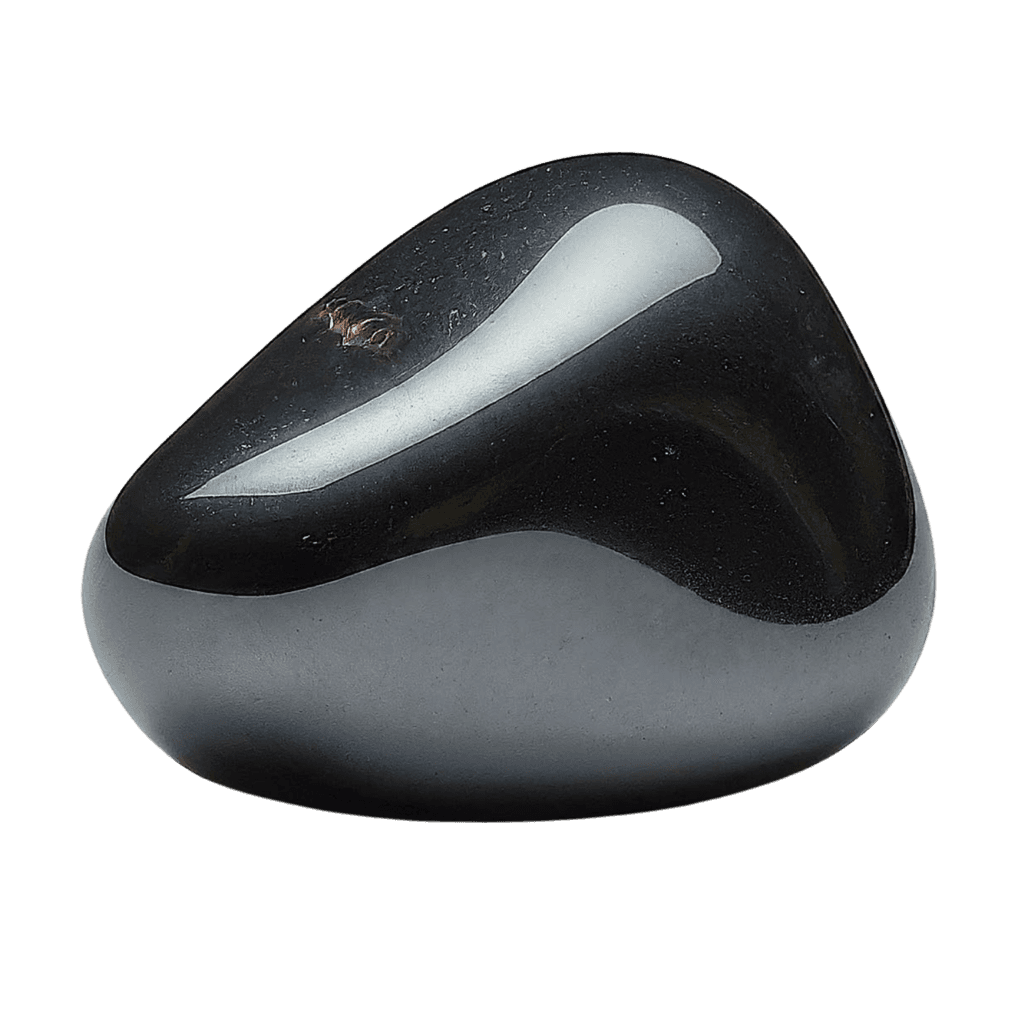
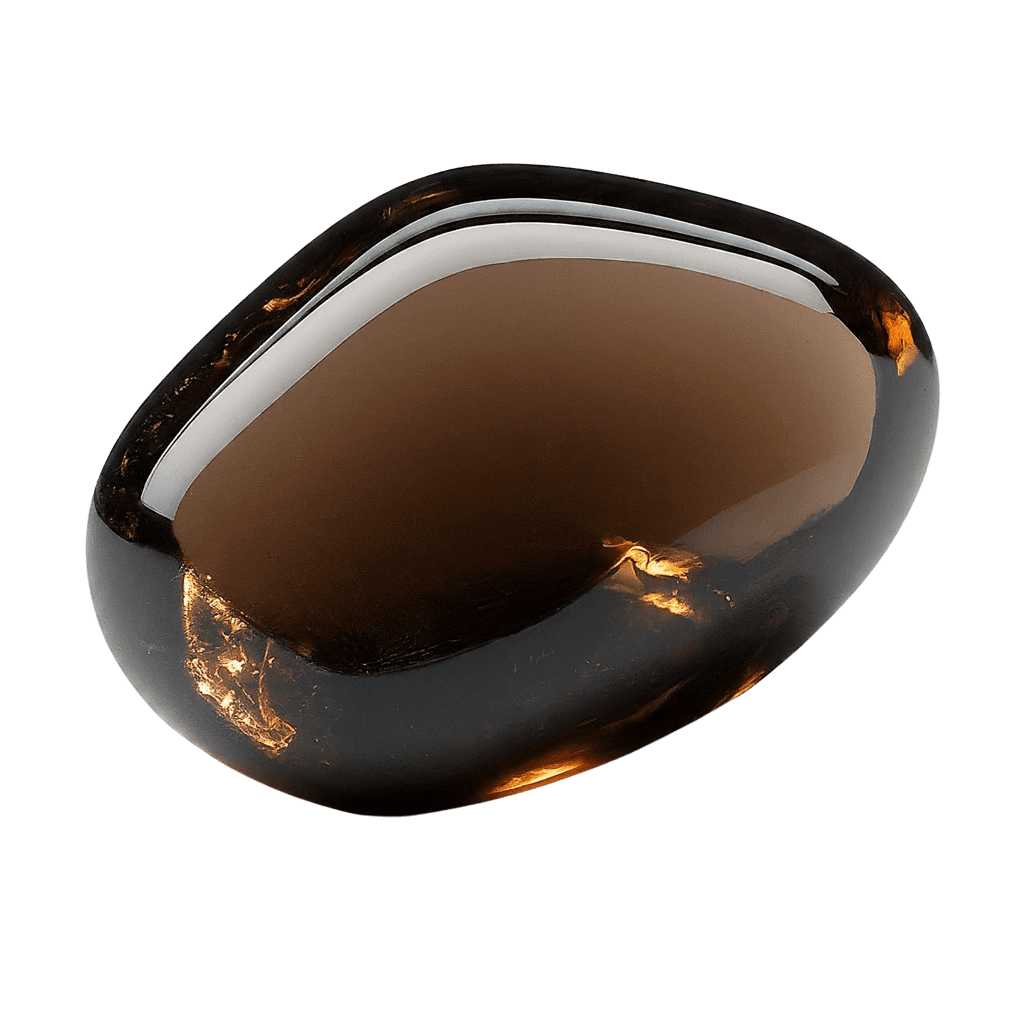
Set Siderite at the center of a grid built for grounding and ring it with Hematite and Smoky Quartz at the points. Speak the intention once as you place each stone; a grid is a sentence written in minerals, and saying the grounding aloud is the punctuation.
How to Cleanse and Charge
Siderite works best when it is cleansed on a rhythm; tradition pictures a stone absorbing what it meets, and a saturated stone has nothing left to give. The complete water, sun, and salt safety profile, plus the storage instructions I give my clients, lives in the dedicated Siderite care guide.
- 1
Sage
Smoke-cleanse Siderite: light the sage, let it settle to a smolder, and move the stone through the rising smoke until your sense of it lightens, usually under a minute.
- 2
Sound
A minute inside strong, sustained tone, bowl, chime, even a steady hum, resets Siderite without physical risk, which makes sound the safest deep cleanse for fragile stones.
- 3
Moonlight
Once a month, let Siderite sit overnight in moonlight, on the full moon if you can manage it. Nothing in the cabinet is harmed by this method, which is why it anchors most cleansing routines.
- 4
Selenite
Lay Siderite on a selenite plate or alongside a selenite wand overnight; selenite is the tradition's self-cleaning shelf, no effort, no risk to the stone.
How often to cleanse
Monthly is the floor for Siderite; step the cadence up whenever the stone is in daily rotation or the season is emotionally loud. With practice you will feel the tell yourself, a worked stone reads heavier and flatter in the palm.
Charging after cleansing
Follow every cleansing with a charge: for Siderite that means placing it in morning sunlight for 30 minutes. A cleared stone is neutral, a charged one is ready.
The Crystal Starter Library
A free guide from Crystal Cassandra: the twelve stones that cover almost everything, a one page care matrix for water, sun and salt, and how to build a first intention practice.
We respect your inbox. Unsubscribe anytime.
Crystal Pairings
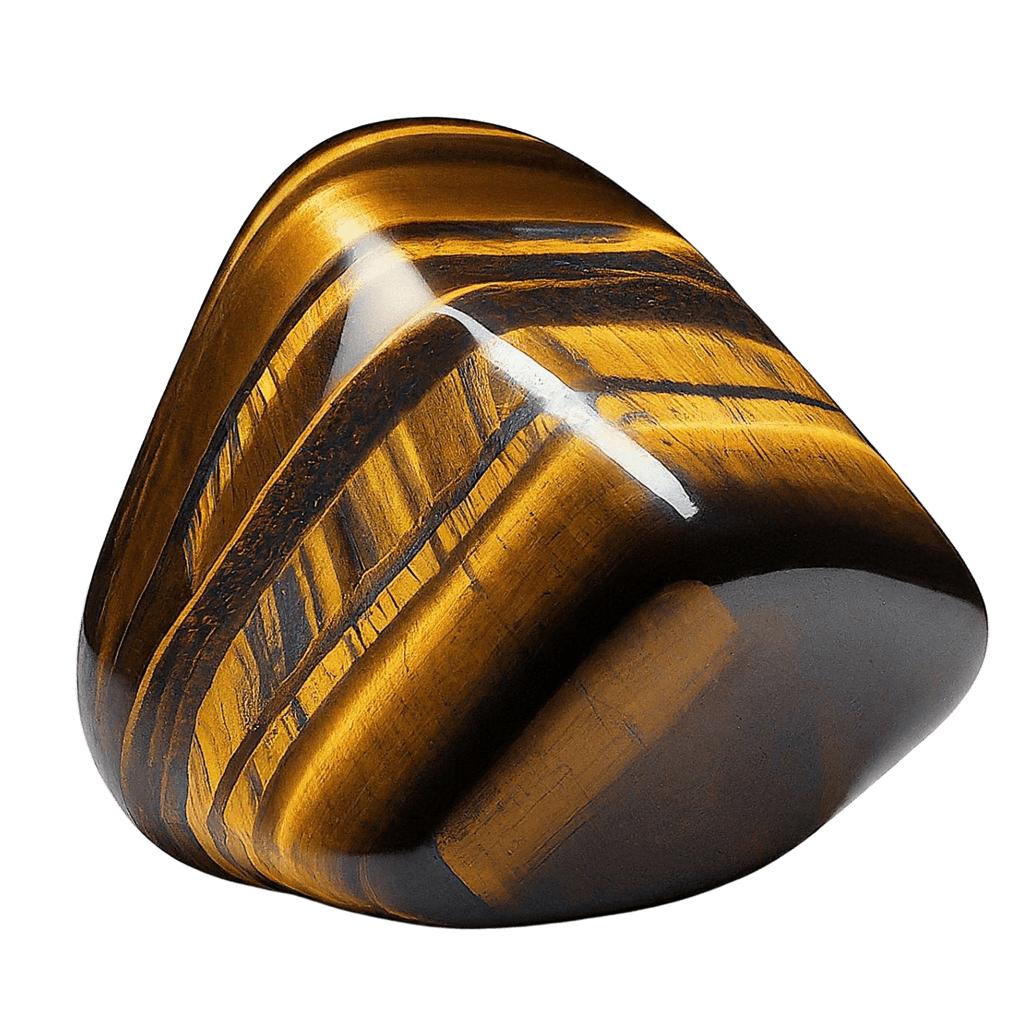
Wall-building is the right metaphor for pairing Siderite: mass in one stone, lookout in the other. Tradition divides its partners along that line, the holders and the watchers. A brief two-stone hold before committing tells you what you need; ease is approval.
How to Spot Real vs Fake Siderite
Before buying Siderite, run the piece through these checks; nothing here needs equipment, just your hands, the amber stone in question, and a healthy skepticism:
Temperature: at Mohs 4, genuine Siderite warms in the hand noticeably faster than glass; an imitation in glass stays cold and slick well past the first minute.
Weight: real Siderite should feel like stone rather than plastic pretending; if a palm-sized piece feels nearly weightless, walk away from it.
Color and pattern: the real range is amber, honey brown, or dark brown; treat neon saturation or flawless uniformity as a question for the seller, because nature rarely manages either.
Price reality: quality Siderite runs roughly $7 to $26 for palm-sized pieces from reputable sellers; a price far below that range is usually answering a question you should have asked.
Trust your source: provenance beats any hands-on check; ask where the Siderite was mined and whether the amber material is treated, and expect straight answers rather than adjectives.
Sourcing
Buying Siderite well
The CrystalStones.com crystal store is not open yet, so we do not sell Siderite here. What we can give you is the part that matters most: how to tell a genuine piece from a treated or dyed one, and how to care for it once it is yours.
Frequently Asked Questions
What is Siderite good for?
Siderite is traditionally associated with grounding, power, confidence, and vitality. Many people find it supportive for grounding and for working with the Root and Solar Plexus chakras.
Can Siderite go in water?
No. Siderite should stay dry; cleanse it with Sage, Sound, and Moonlight instead, and keep every wet method off the table.
Can Siderite be in the sun?
Yes. Siderite is one of the sun-tolerant stones, so use morning light freely to charge the amber material; just bring it in rather than leaving it out for whole days at a time.
What chakra is Siderite?
Siderite is primarily associated with the Root (Muladhara) and Solar Plexus (Manipura) chakras. Low placements serve it best, the hips or the floor between seated feet, since that is where root-center grounding work traditionally happens.
What zodiac sign is Siderite for?
Siderite is traditionally connected to Capricorn and Taurus. If your signs differ, work with Siderite anyway; resonance in the hand outranks resonance on paper in every practical tradition.
How do I cleanse Siderite?
The best methods for Siderite are Sage, Sound, and Moonlight. Iron carbonate, soft (Mohs 3.5-4) and acid-sensitive. Avoid water and salt; dry-cleanse only.
Is Siderite real or fake, how can I tell?
Genuine Siderite warms quickly in the hand at Mohs 4, while glass imitations stay cold longer and feel slick rather than satiny. Natural amber material varies piece to piece and runs about $7 to $26 tumbled, so perfectly matched stones at a suspicious discount deserve a second look.
What’s Next?
A few thoughtful next steps if Siderite is calling to you.
Explore More Tools
Crystal Quiz
Discover which crystal matches your energy right now.
Open →Chakra Test
Find which chakras need attention and the crystals to balance them.
Open →Crystal Cleansing Guide
Learn how to safely cleanse and charge your crystals.
Open →Crystals by Intention
Find the perfect crystal for what you need right now.
Open →