
Quick Answer
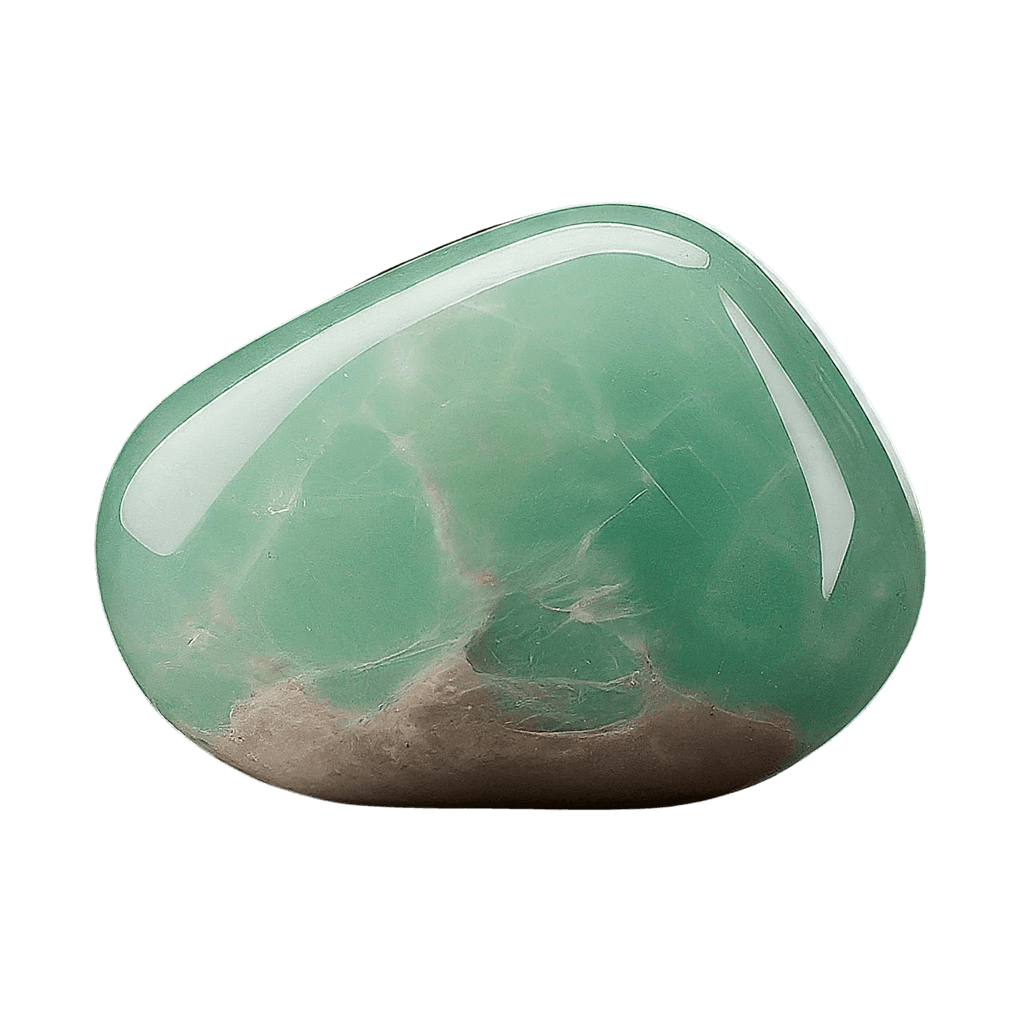
Smithsonite is a mint green crystal used in modern crystal healing for calm, anxiety relief, and heart healing. It measures 4.5 on the Mohs hardness scale and typically costs $20 to $50 for a tumbled stone. In the chakra tradition, Smithsonite is associated with the Heart and Throat chakras.
Worth knowing: The same James Smithson left his fortune to found the Smithsonian Institution in Washington, making smithsonite the rare mineral named for the benefactor of a national museum complex that now displays it.
“A pastel zinc-carbonate crystal of emotional calm, inner-child healing, and gentle peace.”
- Chakra
- Heart (Anahata), Throat (Vishuddha)
- Zodiac
- Pisces ♓, Virgo ♍
- Element
- Water 💧, Earth 🌍
- Planet
- Venus ♀
- Hardness
- 4.5 / 10 (Mohs)
- Colors
- Mint green, Pink, Blue, Lavender, Yellow
- Origin
- Mexico, USA, Greece
- Availability
- Not sold here yet
Care + Safety
Smithsonite at a glance
- Water: avoid, may damage or leach
- Sun: fades in prolonged direct sun
- Mohs hardness: 4.5 (display + meditation only)
What is Smithsonite?
Smithsonite is zinc carbonate, an ore of zinc that early miners lumped together with the look-alike zinc silicate hemimorphite under the single name calamine. The English chemist and mineralogist James Smithson proved them distinct species in 1802, and the carbonate was renamed in his honor in 1832, three years after his death.
Smithsonite measures 4.5 on the Mohs scale and shows mint green, pink, or blue coloring. Think of it as one of the hush stones, the corner of the collection consulted for calm, anxiety relief, and heart healing.
The stone connects primarily to the Heart (Anahata) and Throat (Vishuddha) chakras, carrying Water and Earth energy. Today the material is drawn from Mexico, USA, and Greece. Hold pieces from two different sources side by side and the differences in the mint green material, tone, translucency, pattern, become obvious fast.
Smithsonite forms in soft pastel botryoidal masses, bubbly clusters in mint, pink, lilac, or pale blue. Its rounded forms feel almost edible, like marzipan. This is one of the most soothing stones in the kingdom, particularly for the wounded inner child. It doesn't push insight; it offers comfort.
Also catalogued as Stone of Soothing and Zinc Spar, whether it is your first stone or your fiftieth, Smithsonite tends to find its role quickly, and calm is the natural place to begin.
History and Mythology
Smithsonite entered the record through mineralogy rather than mythology: the species was identified and named in the modern era, and its healing use begins with the 20th and 21st century crystal literature rather than any ancient source. That recency is worth stating plainly, because honest provenance is rarer than it should be in this field. The material itself is sourced today from Mexico, USA, and Greece.
The correspondence tables used by today's practitioners assign Smithsonite to Pisces and Virgo under the rulership of Venus ♀. In that system, work centered on calm is said to land best while those signs are in season.
Hold the two timescales side by side, centuries of human use at most against epochs of formation behind every Mohs 4.5 specimen of Smithsonite; the deep time is the one part no marketing can inflate.
Smithsonite Meaning and Metaphysical Properties
What the Hand Learns First
Pick up Smithsonite and warmth is the first report: at Mohs 4.5 it is a mid-soft mineral that takes body heat within a minute, and its mint green surface polishes to a satin sheen rather than a hard glitter. Watch the breath for the first half minute, before any thought about the stone has formed; the quieting stones are traditionally met at the breath rather than in the hand.
Primary Properties
The core associations of Smithsonite are quieting ones: calm, anxiety relief, heart healing, and self-love. This family does downshift work, the hour before bed, the pause between tasks, the long exhale after a hard conversation. Expect subtlety; the calming stones whisper rather than announce.
How Crystal Energy Works
Traditional practice routes Smithsonite through the Heart center, the crossroads of the chakra map, where its calm work is done. Heart-center practice is breath-paced, stone at the heart center, attention resting on calm, anxiety relief, and heart healing, nothing forced. Judy Hall's entries for the calming stones lean on placement rather than promises, the nightstand, the meditation corner, the pocket on a hard day, and that modesty is worth keeping.
Amplification Through Intention
Smithsonite carries Water in the elemental system, feeling, memory, tide, and that current sets the tempo of its calm work. Use the slow hours, journaling, the evening review, the long unwinding, and let calm, anxiety relief, and heart healing arrive at their own pace.
Healing Benefits
Emotional Support
Soothing is the emotional job of Smithsonite: calm, anxiety relief, and heart healing. Many people keep it for the jagged stretches, the overwhelm that builds by late afternoon, the thoughts that race after lights-out, letting the stone's heft offer the spiral a landing place. These are traditional calm associations rather than medical claims; for anything heavy or persistent, a qualified professional belongs in the picture alongside any stone.
Spiritual Connection
Rest is the spiritual discipline this family keeps, and Smithsonite attends it: the evening review, the slow body scan, the loosening that lets the quieter knowing through. The stillness is the practice; the stone just holds the page open.
Physical Presence
Physically, Smithsonite keeps company with the soft systems, rest and recovery, the long exhale after effort toward calm. Its honest job is reminding you to downshift; anything medical belongs with medical professionals.
Chakra Connection
Smithsonite resonates most strongly with the Heart (Anahata), the energy center traditionally drawn in green / pink and the traditional seat of this stone's calm work. When this center runs clear, the classical markers are love, compassion, and emotional openness; calm, anxiety relief, and heart healing are what Smithsonite is most often asked to bring to it.
Lie down with Smithsonite at the heart center, letting the breath rock it; a quiet unmeasured stretch of that is the oldest heart-stone session in the book, and calm is the usual request.
Smithsonite also keeps a working line to the Throat (Vishuddha), which widens its range in layouts; let the primary placement lead, and add the second position once the first feels familiar.
Zodiac and Astrological Connection
In the modern correspondence tables Smithsonite is assigned to Pisces ♓ (Feb 19 to Mar 20) and Virgo ♍ (Aug 23 to Sep 22); a Sun, Moon, or rising placement there is read as a head start with this stone, nothing more.
None of this is exclusionary. If Smithsonite keeps catching your eye, that interest counts for more than whether Pisces appears anywhere in your chart.
In the planetary layer of the system, Venus ♀ holds the rulership, and that planet's prominent transits are the traditional windows for deeper calm work with Smithsonite.
How to Use Smithsonite
Here are five ways I recommend working with Smithsonite. Start with whichever feels most natural, there's no wrong entry point.
- 1
Meditation Hold
Take up Smithsonite as you settle in; at Mohs 4.5 it takes on your warmth within a minute or two, and that slow merge is a useful anchor whenever the mind wanders.
- 2
Body Placement
Set Smithsonite down within reach during a lying-down session and hand the pacing over to the breath. The slow lift and settle is the whole technique; there is nothing to add to it and nothing to measure. Traditional practice offers the position toward calm and makes no claim about what follows.
- 3
Sleep Companion
At night, park Smithsonite on the nightstand rather than working it; its job is the day's calm, and ending the day cleanly is how tomorrow's session starts well.
- 4
Carry With You
Keep Smithsonite within reach on overloaded days, coat pocket, desk edge, bag corner, and let one slow touch stand in for the break you cannot take; small contact, repeated, is how calm gets carried.
- 5
Crystal Grid Anchor
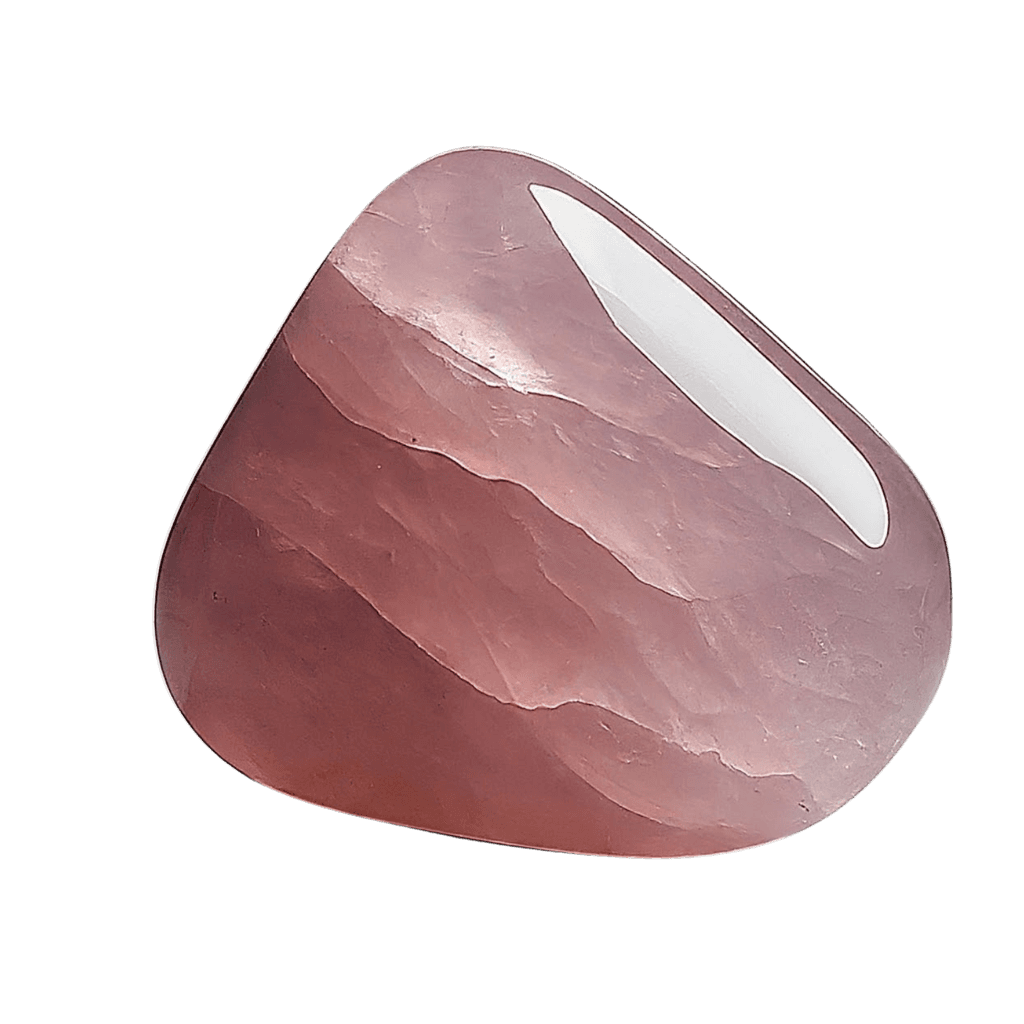
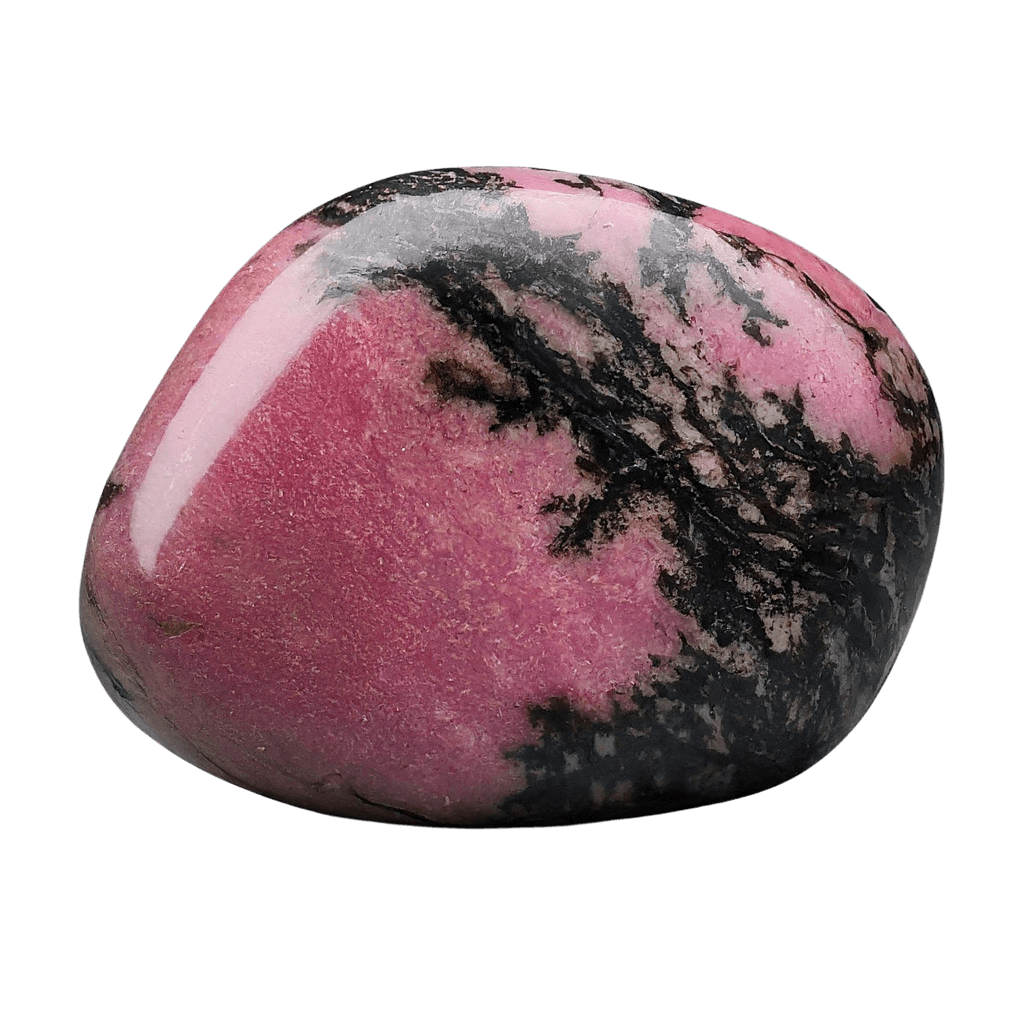
Use Smithsonite as the heart of a small grid for calm, with Rose Quartz and Rhodonite alternating on the spokes. Place the stones slowly and set the last one down with the calm intention named out loud.
How to Cleanse and Charge
Smithsonite works best when it is cleansed on a rhythm; tradition pictures a stone absorbing what it meets, and a saturated stone has nothing left to give. The complete water, sun, and salt safety profile, plus the storage instructions I give my clients, lives in the dedicated Smithsonite care guide.
- 1
Moonlight
Once a month, let Smithsonite sit overnight in moonlight, on the full moon if you can manage it. Nothing in the cabinet is harmed by this method, which is why it anchors most cleansing routines.
- 2
Selenite
Lay Smithsonite on a selenite plate or alongside a selenite wand overnight; selenite is the tradition's self-cleaning shelf, no effort, no risk to the stone.
- 3
Sage
For a deeper reset, hold Smithsonite in sage smoke and name out loud what the stone has been carrying; the naming is half the cleanse.
- 4
Sound
A minute inside strong, sustained tone, bowl, chime, even a steady hum, resets Smithsonite without physical risk, which makes sound the safest deep cleanse for fragile stones.
How often to cleanse
I recommend cleansing Smithsonite at least once a month, more frequently if you're using it daily or during emotionally intense periods. You'll also learn to feel when a stone needs cleansing; it may feel heavier, duller, or simply “off.”
Charging after cleansing
Once it is cleansed, recharge Smithsonite by setting it on a selenite plate overnight or bathing it in full moonlight; cleansing empties the stone, charging refills it.
The Crystal Starter Library
A free guide from Crystal Cassandra: the twelve stones that cover almost everything, a one page care matrix for water, sun and salt, and how to build a first intention practice.
We respect your inbox. Unsubscribe anytime.
Crystal Pairings
Quiet respects quiet, which is the whole pairing rule for Smithsonite; a loud amplifier cancels exactly what it offers. Traditional combinations stay low and slow, the register where its calm work actually happens. Any pair that reads busy instead of restful has answered the question; split them up.
How to Spot Real vs Fake Smithsonite
Before buying Smithsonite, run the piece through these checks; nothing here needs equipment, just your hands, the mint green stone in question, and a healthy skepticism:
Temperature: at Mohs 4.5, genuine Smithsonite warms in the hand noticeably faster than glass; an imitation in glass stays cold and slick well past the first minute.
Weight: real Smithsonite should feel like stone rather than plastic pretending; if a palm-sized piece feels nearly weightless, walk away from it.
Color and pattern: natural Smithsonite runs mint green, pink, or blue, with variation from piece to piece; perfectly uniform color across a whole tray is the classic mark of dye or synthetics.
Price reality: the fair range for Smithsonite sits near $20 to $50 at palm size; below that, assume treatment or imitation until the seller proves otherwise.
Trust your source: a seller who knows where a mint green stone like this came from and says so plainly is worth more than every test on this list. Vagueness about origin is itself an answer.
Sourcing
Buying Smithsonite well
The CrystalStones.com crystal store is not open yet, so we do not sell Smithsonite here. What we can give you is the part that matters most: how to tell a genuine piece from a treated or dyed one, and how to care for it once it is yours.
Frequently Asked Questions
What is Smithsonite good for?
Smithsonite is traditionally associated with calm, anxiety relief, heart healing, and self-love. Many people find it supportive for calm and for working with the Heart and Throat chakras.
Can Smithsonite go in water?
Avoid it. Water can damage Smithsonite, so stay with the dry methods its care profile lists, Moonlight, Selenite, and Sage, which cover everything this stone needs. Soft and porous. Avoid water, salt, prolonged sun. Handle gently.
Can Smithsonite be in the sun?
Keep it brief. Prolonged direct sun can fade the mint green coloring of Smithsonite, so a few morning minutes are fine but moonlight is the safer charging method.
What chakra is Smithsonite?
Smithsonite is primarily associated with the Heart (Anahata) and Throat (Vishuddha) chakras. Let it ride at the heart center during lying-down practice, moved by the breath; that station is the traditional seat of its calm work.
What zodiac sign is Smithsonite for?
Smithsonite is traditionally connected to Pisces and Virgo. Astrological correspondence is one tradition among several, and nothing about your chart disqualifies you; people without a Pisces placement work with Smithsonite all the time.
How do I cleanse Smithsonite?
The best methods for Smithsonite are Moonlight, Selenite, and Sage. Soft and porous. Avoid water, salt, prolonged sun. Handle gently.
Is Smithsonite real or fake, how can I tell?
Genuine Smithsonite warms quickly in the hand at Mohs 4.5, while glass imitations stay cold longer and feel slick rather than satiny. Natural mint green material varies piece to piece and runs about $20 to $50 tumbled, so perfectly matched stones at a suspicious discount deserve a second look.
What’s Next?
A few thoughtful next steps if Smithsonite is calling to you.
Explore More Tools
Crystal Quiz
Discover which crystal matches your energy right now.
Open →Chakra Test
Find which chakras need attention and the crystals to balance them.
Open →Crystal Cleansing Guide
Learn how to safely cleanse and charge your crystals.
Open →Crystals by Intention
Find the perfect crystal for what you need right now.
Open →