Quick Answer
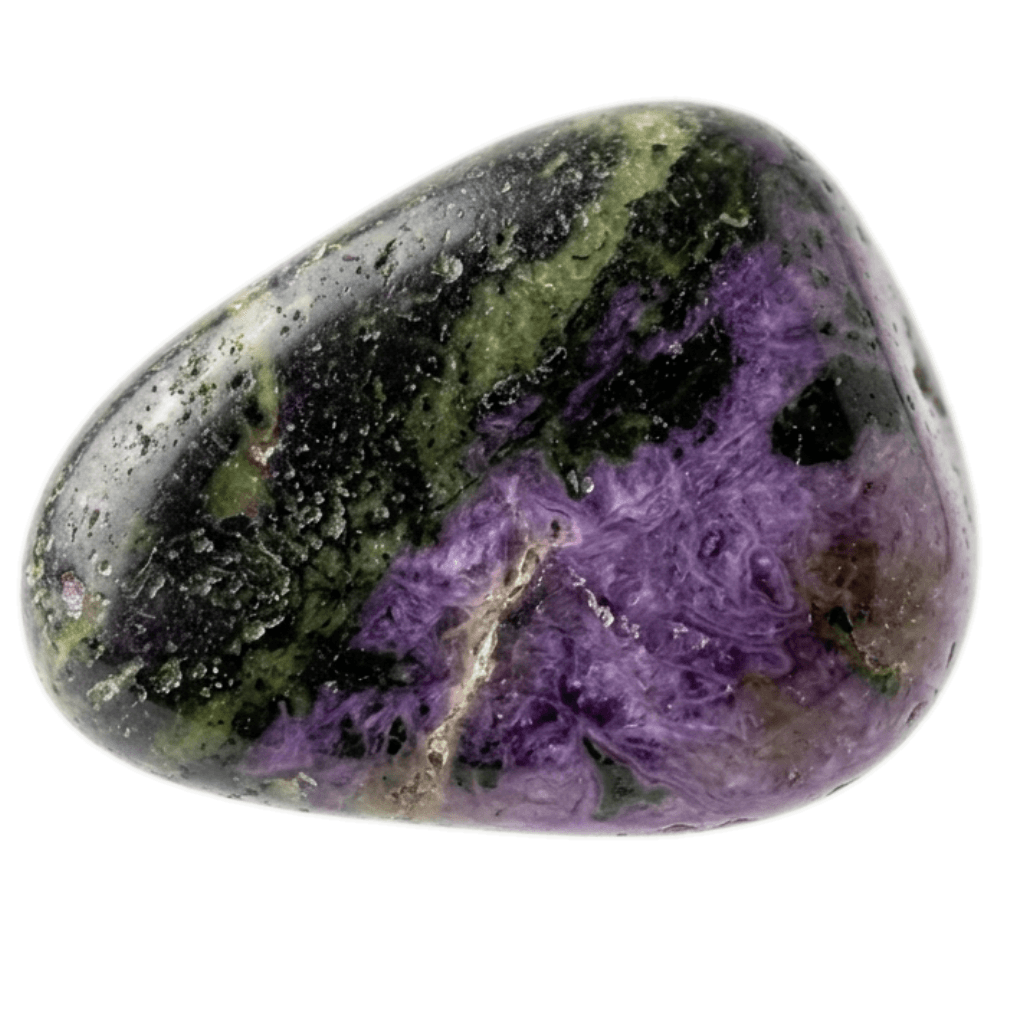
Stichtite is a lilac crystal used in modern crystal healing for release, heart healing, and calm. It measures 1.5 on the Mohs hardness scale and typically costs $12 to $40 for a tumbled stone. In the chakra tradition, Stichtite is associated with the Heart, Crown, and Root chakras.
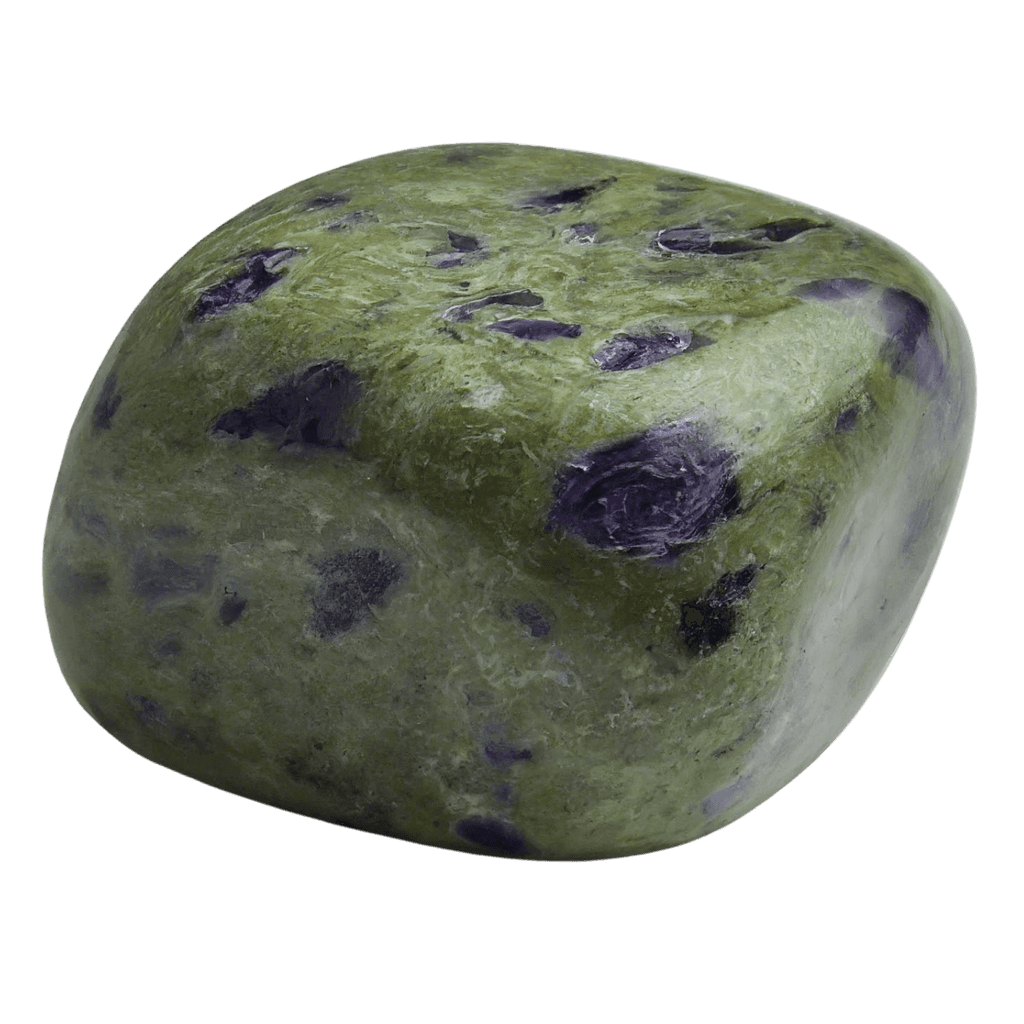
Worth knowing: At Mohs 1.5 to 2, stichtite is soft enough to scratch with a fingernail, among the softest minerals ever sold as a gemstone, which is why most of it reaches the market locked in harder green serpentine.
“A lilac Tasmanian stone of forgiveness, gentle release, and heart softening.”
- Chakra
- Heart (Anahata), Crown (Sahasrara), Root (Muladhara)
- Zodiac
- Virgo ♍
- Element
- Earth 🌍
- Planet
- Venus ♀
- Hardness
- 1.5 / 10 (Mohs)
- Colors
- Lilac, Magenta, Purple-pink
- Origin
- Australia (Tasmania), South Africa
- Availability
- Not sold here yet
Care + Safety
Stichtite at a glance
- Water: avoid, may damage or leach
- Sun: fades in prolonged direct sun
- Mohs hardness: 1.5 (display + meditation only)
What is Stichtite?
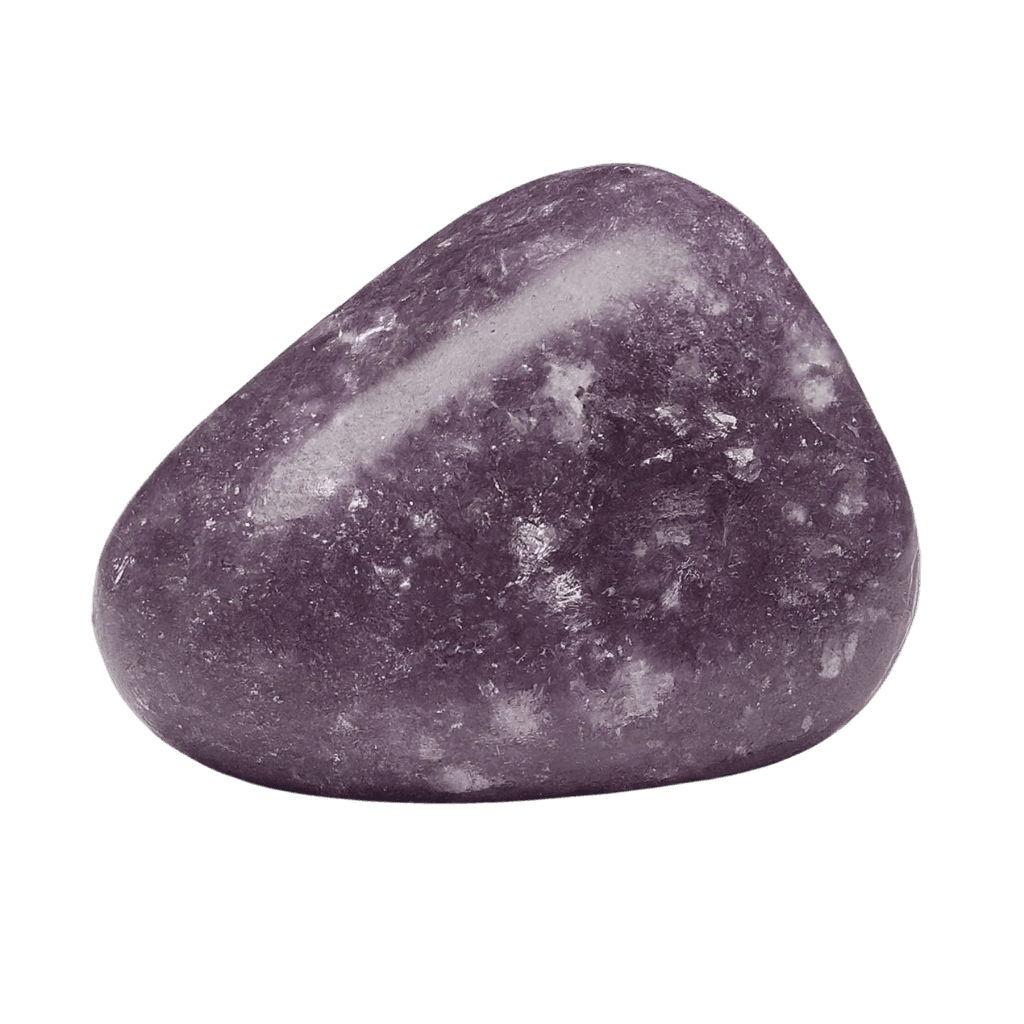
Stichtite is a hydrated magnesium chromium carbonate of the hydrotalcite group, its lilac to magenta color carried by chromium, forming soft waxy masses in altered serpentinite. First recognized in 1910 at Dundas in western Tasmania, it was named for Robert Carl Sticht, the American-born metallurgist who managed the Mount Lyell mine.
Stichtite measures 1.5 on the Mohs scale and shows lilac, magenta, or purple-pink coloring. It walks with the threshold stones, the companions for release, heart healing, and calm and the seasons that change us.
The stone connects primarily to the Heart (Anahata) and Crown (Sahasrara) and Root (Muladhara) chakras, carrying Earth energy. Sources include Australia (Tasmania) and South Africa; deposit matters more than beginners expect, and collectors learn to recognize where a piece of Stichtite was mined by its color depth and pattern.
Stichtite is improbably soft, lilac with a waxy glow, and it almost seems to give beneath the thumb. Hold this stone and notice which old grievance turns up first. In the crystal-healing tradition stichtite is associated with forgiveness, gentle release, and tenderness toward yourself.
Also catalogued as Chromium Hydrotalcite, Stichtite earns its place in a working collection by being usable: start with release, the job it is best known for, and let the stone widen its own brief from there.
History and Mythology
There is no credible ancient chapter to tell about Stichtite. The species was described by modern science, and its associations with release were assigned by contemporary practitioners reading its color, structure, and feel. What the stone lacks in legend it makes up in geology, which asks for no embellishment; deposits worked today lie in Australia (Tasmania) and South Africa.
In modern astrological correspondence Stichtite is linked with Virgo, with Venus ♀ named as its planetary ruler. Practitioners who keep these tables often work the stone hardest during those sun-sign seasons, especially for release.
However young or old the human story, the stone outruns it: Stichtite formed over deep time, and the Mohs 1.5 piece on your shelf is the newest chapter of a very old book.
Stichtite Meaning and Metaphysical Properties
How It Feels in the Hand
At Mohs 1.5, Stichtite barely argues with the world. Expect a feather-light coolness that vanishes the moment skin touches the lilac surface, and handle it like the delicate thing it is. Whatever memory walks in while the stone is in your hand, let it; the threshold family tends to retrieve what is already loosening, and that retrieval is the signal.
Primary Properties
Every property attached to Stichtite concerns passage: release, heart healing, calm, and spiritual awakening. The threshold family accompanies endings into beginnings, the put-down habit, the picked-up season, and it does so as a witness rather than an engine. The stone keeps the record; the step is still yours.
How Crystal Energy Works
At the center of the chakra map sits the Heart, and that crossroads is where tradition places Stichtite for its release work. Practice here follows the breath rather than the clock: the stone at the chest, attention settling on release, heart healing, and calm, force left at the door. Release is the verb Melody keeps returning to in her entries for the transformation family, the carrying out of what is finished so that something new has room to arrive.
Amplification Through Intention
Stichtite is classed as an Earth stone, patient, bodily, hard to knock over, which sets the pace of its release work. Prefer routines over ceremonies, the same pocket, the same desk corner, and let consistency do for release, heart healing, and calm what intensity cannot.
Healing Benefits
Emotional Support
Stichtite accompanies the heavier passages: release, heart healing, and calm. It is traditionally a companion for grief, endings, and honest inventory, less a mood-lifter than a witness that stays. As with all crystal healing, release support from a stone is reflective practice rather than medicine; significant emotional concerns deserve qualified human help.
Spiritual Connection
Spiritually, Stichtite attends the rites of ending well, the released page, the closing inventory, the farewell made deliberately. What the stone marks is the difference between finishing something with attention and simply walking away from it.
Physical Presence
Physically, Stichtite belongs to the slow systems: steady meals, regular sleep, the unglamorous maintenance that release actually rests on. Keep it where the routines happen as a quiet vote for keeping them; anything clinical belongs with clinicians.
Chakra Connection
Stichtite resonates most strongly with the Heart (Anahata), the energy center traditionally drawn in green / pink and the traditional seat of this stone's release work. When this center runs clear, the classical markers are warmth toward others, compassion that includes yourself, and an open emotional door; release, heart healing, and calm are what Stichtite is most often asked to bring to it.
Lie down with Stichtite at the heart center, letting the breath rock it; a quiet unmeasured stretch of that is the oldest heart-stone session in the book, and release is the usual request.
Stichtite also keeps a working line to the Crown (Sahasrara) and Root (Muladhara), which widens its range in layouts; let the primary placement lead, and add the second position once the first feels familiar.
Zodiac and Astrological Connection
Stichtite appears under Virgo ♍ (Aug 23 to Sep 22) in the standard correspondence tables; if those signs are loud in your chart, expect the introduction to feel familiar.
None of this is exclusionary. If Stichtite keeps catching your eye, that interest counts for more than whether Virgo appears anywhere in your chart.
In the planetary layer of the system, Venus ♀ holds the rulership, and that planet's prominent transits are the traditional windows for deeper release work with Stichtite.
How to Use Stichtite
These are the five ways of working with Stichtite I suggest most often. Begin wherever your attention goes first; the sequence matters far less than starting.
- 1
Meditation Hold
Keep Stichtite loosely to hand during meditation; a stone this soft, Mohs 1.5, warms to skin temperature in moments, and that quick merging makes it easy to forget you are holding anything, which is the point.
- 2
Body Placement
Center-chest is the station the chakra charts give Stichtite: lie back, set it over the heart, and let each breath rock it gently. Keep the attention on the stone rather than on yourself, which is harder than it sounds and is most of the skill. The standing association at this center is release.
- 3
Sleep Companion
At night, park Stichtite on the nightstand rather than working it; its job is the day's release, and ending the day cleanly is how tomorrow's session starts well.
- 4
Carry With You
Carry Stichtite through the seasons that are ending; touch it when the old habit calls, and let the stone mark each small refusal as part of the larger release.
- 5
Crystal Grid Anchor
Set Stichtite at the center of a grid built for release and ring it with Atlantisite and Serpentine at the points. Speak the intention once as you place each stone; a grid is a sentence written in minerals, and saying the release aloud is the punctuation.
How to Cleanse and Charge
Keeping Stichtite energetically clear is essential, a crystal that's holding too much absorbed energy becomes less effective, like a sponge that's full. For the full water-safe / sun-safe / salt-safe profile, the recommended cleansing cadence, and the hands-on storage instructions I give my clients, see the dedicated crystal care guide.
- 1
Moonlight
Give Stichtite a night outdoors or at the glass under a bright moon; the tradition holds moonlight to be the universal reset, slow, cool, and risk-free.
- 2
Selenite
Lay Stichtite on a selenite plate or alongside a selenite wand overnight; selenite is the tradition's self-cleaning shelf, no effort, no risk to the stone.
- 3
Sound
A minute inside strong, sustained tone, bowl, chime, even a steady hum, resets Stichtite without physical risk, which makes sound the safest deep cleanse for fragile stones.
How often to cleanse
Give Stichtite a clearing at least every month, and sooner after hard weeks or heavy daily use. The stone will teach you its own signal in time; most people describe it as dullness, weight, or a sense the stone has gone quiet.
Charging after cleansing
Once it is cleansed, recharge Stichtite by setting it on a selenite plate overnight or bathing it in full moonlight; cleansing empties the stone, charging refills it.
The Crystal Starter Library
A free guide from Crystal Cassandra: the twelve stones that cover almost everything, a one page care matrix for water, sun and salt, and how to build a first intention practice.
We respect your inbox. Unsubscribe anytime.
Crystal Pairings
Steadiness is what Stichtite looks for in a partner, since threshold work needs an anchor while things move. The traditional companions contribute ground, heart, or light to the release process, each in its own register. Rotate the pairing when the season turns; the rotation is itself part of the practice.
How to Spot Real vs Fake Stichtite
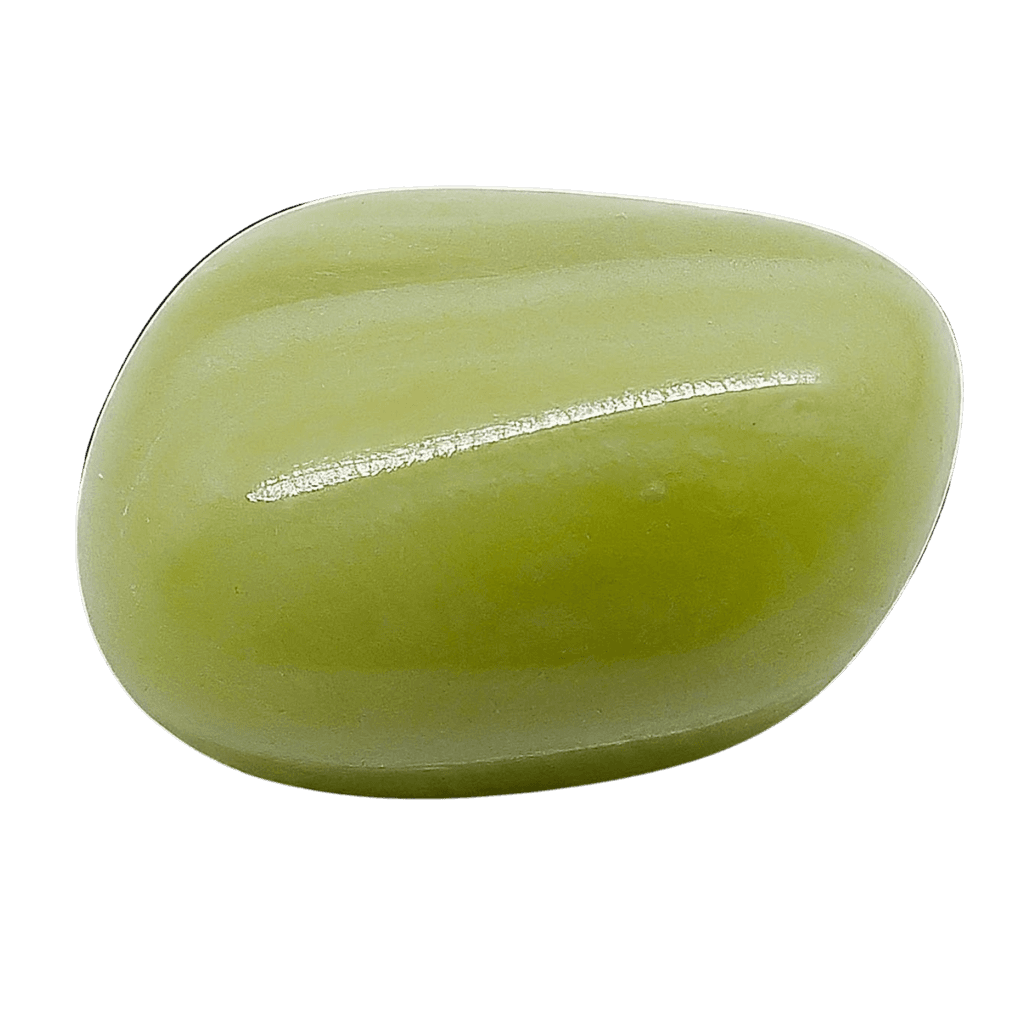
Imitations of Stichtite exist because demand does. A few hands-on checks separate genuine lilac material from glass, resin, and dye:
Touch and surface: real Stichtite is genuinely soft, Mohs 1.5, so tumbled pieces show gentle rounding and tiny natural imperfections, while molded resin looks suspiciously flawless and feels faintly plastic under a fingernail.
Weight: real Stichtite should feel like stone rather than plastic pretending; if a palm-sized piece feels nearly weightless, walk away from it.
Color and pattern: natural Stichtite runs lilac, magenta, or purple-pink, with variation from piece to piece; perfectly uniform color across a whole tray is the classic mark of dye or synthetics.
Price reality: quality Stichtite runs roughly $12 to $40 for palm-sized pieces from reputable sellers; a price far below that range is usually answering a question you should have asked.
Trust your source: provenance beats any hands-on check; ask where the Stichtite was mined and whether the lilac material is treated, and expect straight answers rather than adjectives.
Sourcing
Buying Stichtite well
The CrystalStones.com crystal store is not open yet, so we do not sell Stichtite here. What we can give you is the part that matters most: how to tell a genuine piece from a treated or dyed one, and how to care for it once it is yours.
Frequently Asked Questions
What is Stichtite good for?
Stichtite is traditionally associated with release, heart healing, calm, and spiritual awakening. Many people find it supportive for release and for working with the Heart, Crown, and Root chakras.
Can Stichtite go in water?
No, water and Stichtite do not mix; moisture can compromise the surface or the structure itself. Among the softest stones in the catalog at Mohs 1.5 to 2, stichtite scratches under a fingernail; cleanse dry, store it apart, and wash hands after handling.
Can Stichtite be in the sun?
Keep it brief. Prolonged direct sun can fade the lilac coloring of Stichtite, so a few morning minutes are fine but moonlight is the safer charging method.
What chakra is Stichtite?
Stichtite is primarily associated with the Heart (Anahata) and Crown (Sahasrara) and Root (Muladhara) chakras. The heart center is its traditional seat: lie down, let the stone ride the breath, and the release work takes care of the rest.
What zodiac sign is Stichtite for?
Stichtite is traditionally connected to Virgo. Astrological correspondence is one tradition among several, and nothing about your chart disqualifies you; people without a Virgo placement work with Stichtite all the time.
How do I cleanse Stichtite?
The best methods for Stichtite are Moonlight, Selenite, and Sound. Among the softest stones in the catalog at Mohs 1.5 to 2, stichtite scratches under a fingernail; cleanse dry, store it apart, and wash hands after handling.
Is Stichtite real or fake, how can I tell?
Genuine Stichtite is genuinely soft at Mohs 1.5, so real pieces show gentle wear and tiny imperfections while molded resin looks suspiciously perfect. A fair tumbled piece sits near $12 to $40 and shows honest variation across the lilac range; flawless uniformity at a bargain price is the tell worth trusting.
What’s Next?
A few thoughtful next steps if Stichtite is calling to you.
Explore More Tools
Crystal Quiz
Discover which crystal matches your energy right now.
Open →Chakra Test
Find which chakras need attention and the crystals to balance them.
Open →Crystal Cleansing Guide
Learn how to safely cleanse and charge your crystals.
Open →Crystals by Intention
Find the perfect crystal for what you need right now.
Open →