



When it comes to choosing the perfect crystal for protection, grounding, or energy cleansing, Obsidian and Black Tourmaline often steal the spotlight. Both are powerful, beautiful, and steeped in history—but which one is right for you?
In this guide, we’ll dive into their unique properties, uses, and benefits to help you make the ultimate choice. Whether you’re seeking emotional healing or shielding from negative vibes, let’s uncover which stone deserves a place in your life!
What Are Obsidian and Black Tourmaline?
Obsidian is a naturally occurring volcanic glass formed when lava cools rapidly. This process creates a smooth, glass-like texture with a distinctive shiny surface that often reflects light beautifully. Obsidian forms near volcanic activity and has been prized by humans for thousands of years, both for its practical applications and spiritual significance.

Black tourmaline, scientifically known as schorl, is a crystalline boron silicate mineral that belongs to the tourmaline family. Unlike obsidian’s smooth surface, black tourmaline typically displays a more matte finish with natural striations running along its length. This stone forms in igneous and metamorphic rocks through complex geological processes.
The key similarities between these stones include their dark coloration, protective properties, and grounding abilities. However, their formation processes, physical characteristics, and specific metaphysical applications differ significantly.

Physical Properties
Black tourmaline and obsidian are unique stones known for their protective energies, dark hues, and intriguing geological formations.
Appearance and Visual Identification
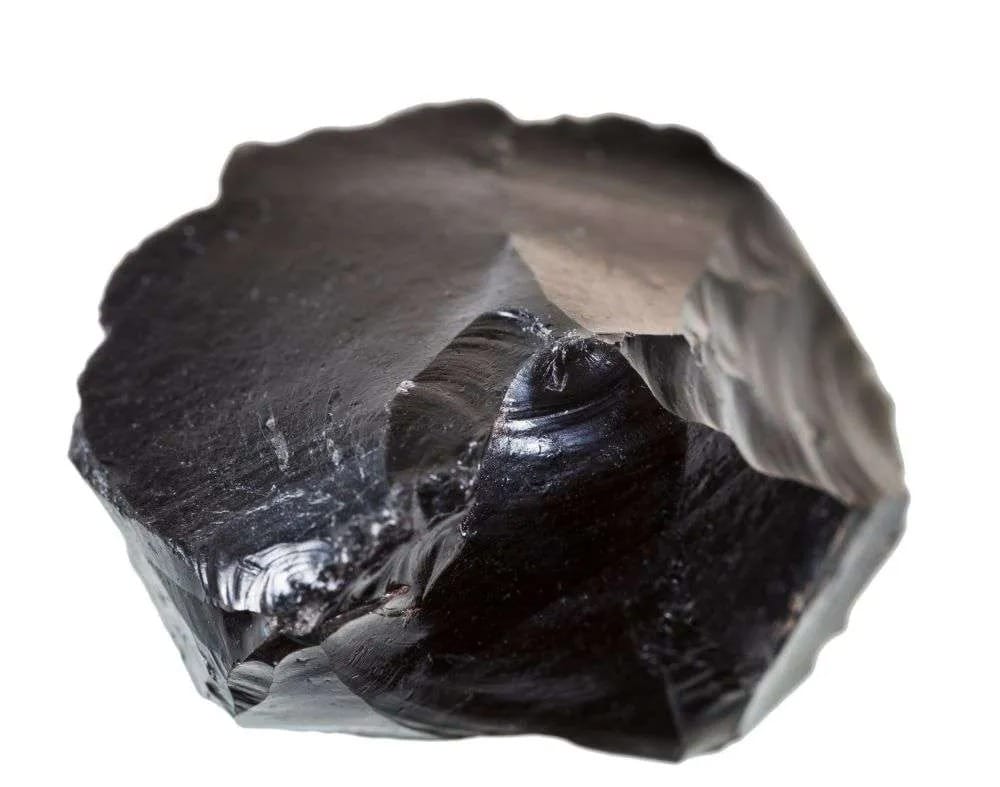
You can easily tell obsidian and black tourmaline apart by their appearance. Obsidian has a smooth, glassy, mirror-like surface. Its edges are sharp and can appear translucent in the light.
In contrast, black tourmaline is more opaque with a matte or slightly shiny finish. It often has natural grooves or striations running along its length, giving it a ribbed texture.
Hardness and Durability
Obsidian ranks 5-5.5 on the Mohs hardness scale, making it relatively soft and prone to chipping. Its glassy nature means it can shatter if dropped, so it requires careful handling.

Black tourmaline is much more durable, ranking 7-7.5 on the Mohs scale. This makes it a better choice for jewelry and items that are handled frequently.
Composition and Formation
Obsidian is volcanic glass and lacks a crystalline structure, which gives it a smooth texture and sharp edges. Ancient cultures often used it for cutting tools and arrowheads.
Black tourmaline has a complex crystal structure containing boron, silicon, aluminum, and other elements. This composition creates its distinct striations and makes it a powerful energy conductor.
Metaphysical and Healing Properties
Black tourmaline and obsidian are renowned for their grounding energy, offering protection, balance, and healing in both spiritual and practical contexts.
Obsidian’s Spiritual Benefits
Obsidian offers powerful grounding and emotional healing. This volcanic glass acts as a spiritual mirror, helping to confront and release deep emotional wounds and negative patterns.
Often used for shadow work, it helps examine and integrate hidden aspects of the psyche. Its protective qualities shield against psychic attacks and negative energies, promoting emotional clarity and encouraging self-reflection to break through limitations.
Black Tourmaline’s Spiritual Benefits
Black tourmaline excels at energy cleansing and environmental protection. Valued for neutralizing electromagnetic fields (EMF) from electronic devices, it’s popular for those in high-tech environments.
It provides stress relief by absorbing and transmuting negative energy. It also enhances mental clarity and supports logical thinking.
Choosing Based on Metaphysical Needs
For deep emotional healing and inner work, obsidian is more effective, revealing hidden truths and facilitating psychological transformation. Choose obsidian to address trauma, break negative patterns, or engage in serious self-examination.
Select black tourmaline for environmental protection, stress management, and maintaining energetic boundaries, especially for ongoing protection in daily life and a stable spiritual foundation.
Everyday Uses and Applications
Crystals like obsidian and black tourmaline play unique roles in daily life, offering emotional healing, energetic protection, and spiritual balance tailored to individual needs.

Obsidian Applications
Obsidian works beautifully in meditation practices focused on inner exploration and emotional healing. Place the stone on your root chakra during meditation to enhance grounding while examining difficult emotions or memories. Many people keep obsidian near their bedside to promote healing dreams and emotional processing during sleep.
In feng shui, obsidian serves as a powerful protective element when placed near entryways or in areas where you need to deflect negative influences. The stone also makes striking jewelry pieces, though its relative softness requires careful handling.
Black Tourmaline Applications
Black tourmaline excels as an everyday protective stone. Place pieces near electronic devices to reduce EMF exposure, or carry small tumbled stones in your pocket or purse for ongoing energetic protection throughout the day. The stone’s durability makes it ideal for jewelry that you’ll wear regularly.
For home protection, position black tourmaline near your front door, in the four corners of your living space, or in your car to create a protective energy field. The stone also supports clear thinking during work or study sessions.
Practical Selection Guide
Choose obsidian for:
- Deep meditation and spiritual work
- Emotional healing sessions
- Breaking negative patterns
- Scrying or divination practices
- Occasional protective use
Choose black tourmaline for:
- Daily wear and protection
- EMF shielding around electronics
- Workplace stress relief
- Creating energetic boundaries
- Long-term protective applications
How to Choose the Right Stone for You?
Selecting the perfect stone depends on your personal intentions and needs. Understanding each stone’s unique qualities is key to making an informed and meaningful choice.
Factors to Consider
Your intuitive response to each stone often provides the best guidance. Hold both stones if possible and notice which one feels more comfortable or energizing in your hands. Some people feel immediately drawn to obsidian’s intense energy, while others prefer black tourmaline’s steady, grounding presence.
Consider your primary purpose: emotional healing and deep inner work favor obsidian, while ongoing protection and stress management suit black tourmaline better. Your lifestyle also matters—choose the more durable black tourmaline if you need a stone for daily wear or frequent handling.
Identifying Genuine Stones
Authentic obsidian should feel glass-like and may show minor imperfections or inclusions that prove its natural origin. Be cautious of perfectly clear pieces that might be manufactured glass. Real obsidian also feels surprisingly light for its size.
Genuine black tourmaline displays natural striations and may have slight color variations or inclusions. The stone should feel solid and substantial, with a hardness that resists scratching from metal objects.
Care and Maintenance
Proper care and maintenance of your stones are essential to preserve their natural beauty, ensure longevity, and maintain their energetic and aesthetic qualities over time.
Obsidian Care
Cleanse obsidian using gentle methods like moonlight charging, sage smudging, or placing it on a selenite charging plate. Avoid salt water or harsh chemicals that might damage its surface. The stone’s glass-like nature makes it sensitive to temperature changes, so avoid extreme hot or cold environments.
Store obsidian pieces separately or wrapped in soft cloth to prevent scratching or chipping. Regular energetic cleansing helps maintain the stone’s effectiveness in absorbing and transmuting negative energies.
Black Tourmaline Care
Black tourmaline’s durability allows for more robust cleansing methods. You can use running water, salt water, or burial in earth for deeper cleansing. The stone also responds well to sound cleansing with bells or singing bowls.
Charge black tourmaline in sunlight or moonlight, or place it with other high-vibration crystals like clear quartz. Its crystalline structure maintains energy well, requiring less frequent cleansing than softer stones like obsidian.
Making Your Decision
Both obsidian and black tourmaline offer powerful protective and grounding properties, but their applications differ significantly. Obsidian serves those ready for deep emotional work and transformation, while black tourmaline provides steady, reliable protection for daily life challenges.
Consider starting with black tourmaline if you’re new to crystal work, as its stable energy and durability make it forgiving for beginners. More experienced practitioners who feel called to intensive inner work might gravitate toward obsidian’s transformative power.
Remember that you don’t have to choose just one—many crystal enthusiasts successfully work with both stones for different purposes. Trust your intuition, consider your specific needs, and allow yourself to explore the unique gifts each stone offers.