

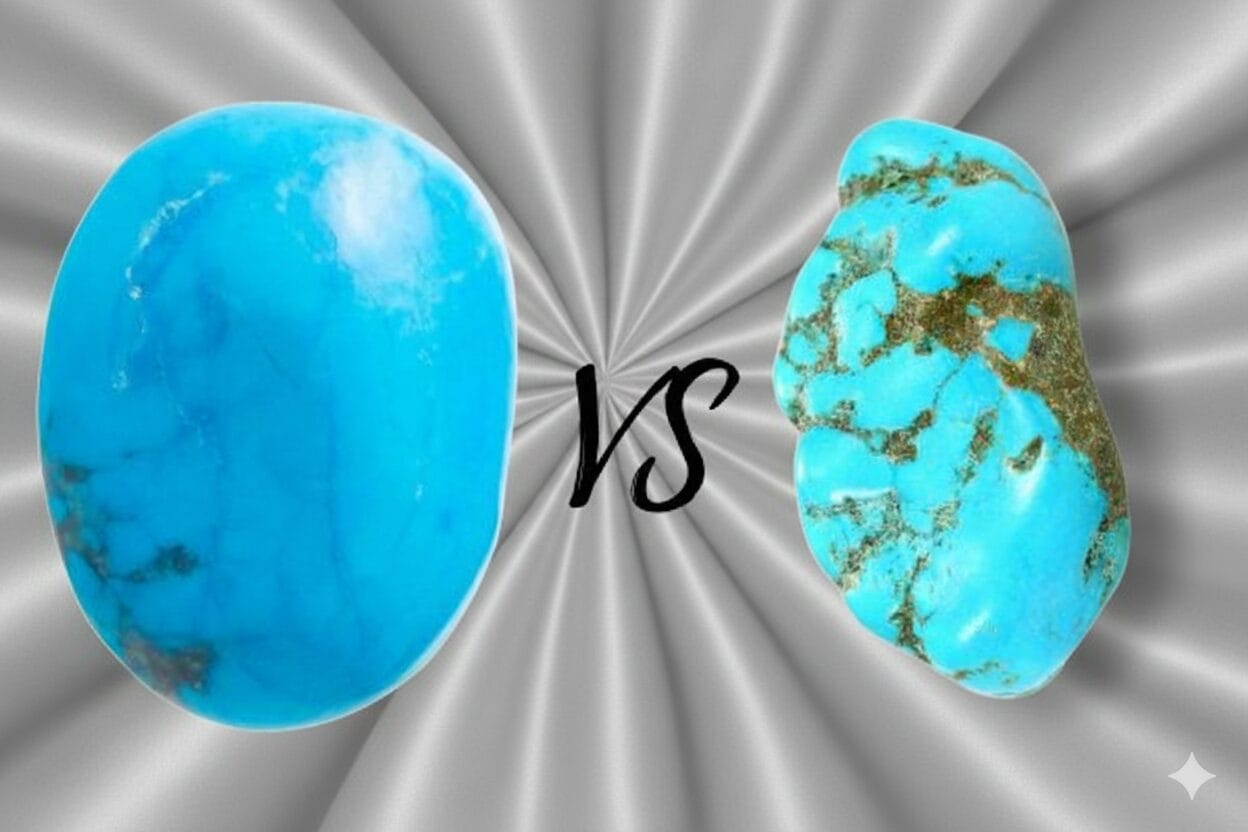

When it comes to gemstones, howlite and turquoise often steal the spotlight for their stunning beauty. However, their similarities can make it tricky to tell them apart—especially with dyed howlite frequently passed off as turquoise. Whether you’re a jewelry enthusiast or a curious buyer, knowing how to distinguish between these two stones is essential to avoid fakes and make informed purchases.
In this guide, we’ll explore the key differences between howlite and turquoise and share tips to spot dyed imitations like a pro.
What is Howlite?
Howlite, a borate mineral, was discovered in 1868 in Nova Scotia, Canada, by chemist Henry How. It typically forms in irregular, cauliflower-like nodules. While found elsewhere, most howlite on the market today comes from California and Nevada.
Properties and Appearance
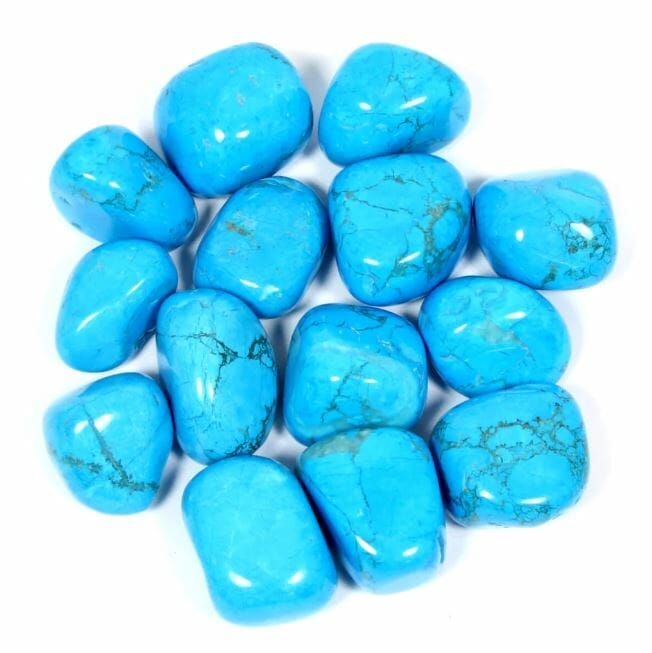
Naturally, howlite is an opaque, white to grayish stone with fine, dark, web-like veins. Its porous nature makes it ideal for dyeing, often mimicking more expensive stones like turquoise, lapis lazuli, or red coral. Chemically, it’s calcium borosilicate hydroxide, and its contrasting black or dark brown veins stand out against its white base.
Common Uses
Due to its softness and ability to polish well, howlite is often used in decorative objects, carvings, and affordable jewelry. When dyed blue, it’s sometimes misleadingly sold as “turquenite” to imply it’s genuine turquoise.

What is Turquoise?
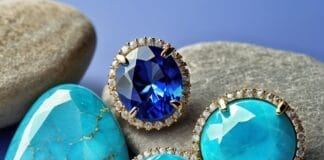
Turquoise is a hydrated phosphate of copper and aluminum, valued by cultures for thousands of years. From Tutankhamun’s funerary mask to Native American silverwork, this gemstone holds rich history and cultural significance. It forms in arid regions where groundwater seeps through copper-rich rocks, creating its iconic blue and green colors.
Properties and Appearance
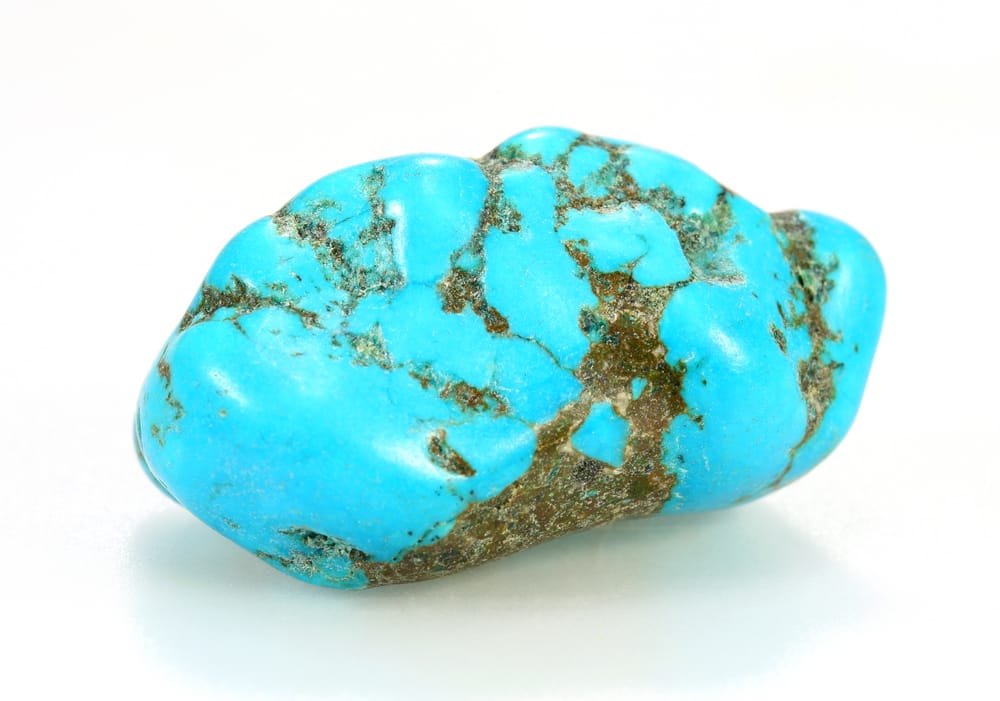
Its color ranges from sky-blue to blue-green or even yellowish-green, depending on copper and iron content. More copper results in bluer stones, more iron in greener hues. Many turquoise pieces feature a matrix—remnants of the host rock appearing as veins or splotches. These matrix patterns can be black, brown, or golden, with specific mine patterns highly prized by collectors.
Key Differences: Howlite vs. Turquoise
While dyed howlite can look convincing at first glance, several key differences can help you distinguish it from genuine turquoise.
1. Appearance and Color
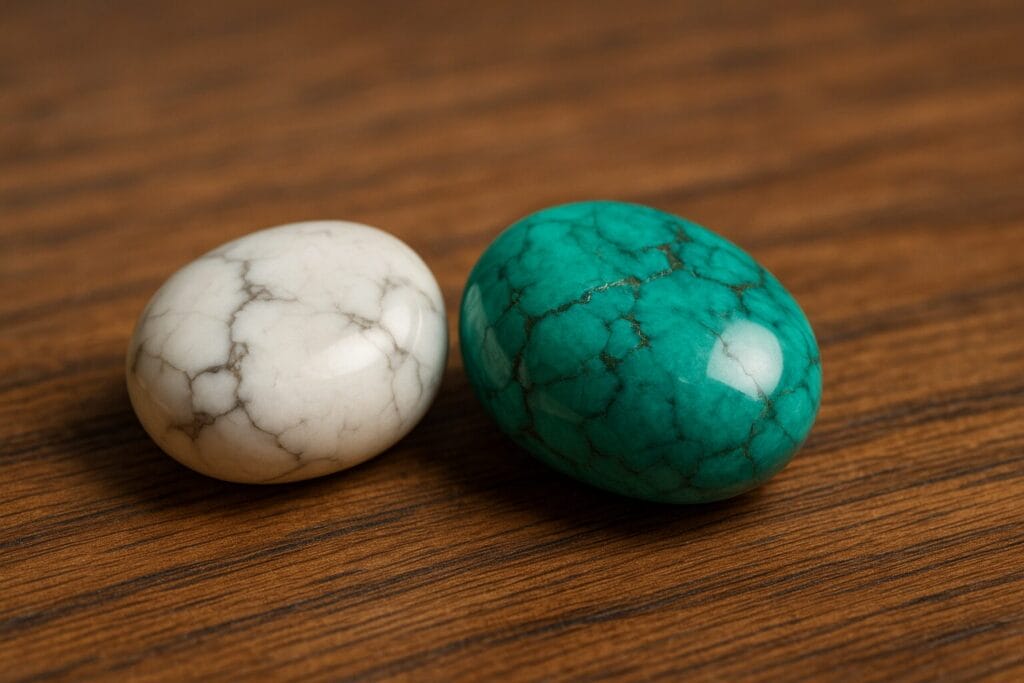
- Natural Color: Howlite is naturally white, so any vibrant blue color is the result of dye. Genuine turquoise has a naturally occurring blue or green color that is part of the stone’s chemical structure.
- Color Consistency: In dyed howlite, the color can appear too uniform or unnaturally vibrant. You might also notice the dye concentrating in the cracks and crevices, making these areas darker than the rest of the stone. Natural turquoise often has subtle color variations and a more organic, less “perfect” appearance.
- Matrix and Veining: The matrix patterns are often a giveaway. Howlite’s natural veining is typically gray or black and has a spiderweb-like appearance. While some turquoise has a similar matrix, the patterns in dyed howlite can look less defined or “smudged” due to the dyeing process.
2. Hardness and Durability
The Mohs scale of mineral hardness is a useful tool for identification.
- Howlite: Ranks between 3.5 on the Mohs scale, making it a relatively soft stone that can be easily scratched.
- Turquoise: Is harder, ranking between 5 and 6 on the Mohs scale. This means it is more resistant to scratches and daily wear.
3. Weight and Density
If you have a piece of each stone in a similar size, you might notice a difference in weight. Howlite is a less dense mineral, so it will feel lighter than a piece of genuine turquoise of the same size. This difference can be subtle, but experienced hands can often feel it.
4. Price and Value
The price difference is significant. Natural, high-quality turquoise is rare and valuable, commanding a high price. Howlite, on the other hand, is abundant and inexpensive. If you see a large “turquoise” necklace for a price that seems too good to be true, it is almost certainly dyed howlite or another imitation.
How to Spot Dyed Fakes?
Armed with knowledge, you can perform a few simple tests to check for authenticity.
- Visual Inspection: Look closely at the stone, preferably with a magnifying glass. Check for tiny blue specks on the surface where the dye has pooled, or look inside cracks and drill holes for a higher concentration of color. If you see white areas showing through, it’s a strong indicator of dyed howlite.
- The Acetone Test: Dab a cotton swab with a small amount of acetone (nail polish remover) and gently rub an inconspicuous spot on the stone. If any blue color comes off onto the swab, you are dealing with a dyed stone. Be aware that some treated or stabilized turquoise might have a coating that reacts, but a significant amount of color transfer points to a fake.
- The Scratch Test: Since howlite is softer than turquoise, you can perform a scratch test on the bottom or back of the stone. A sharp object like a steel knife will scratch howlite but will have a harder time scratching genuine turquoise. Proceed with caution, as this will damage the piece.
Why Authenticity Matters?
Identifying fakes is not just about getting what you pay for. It’s also an ethical issue. When dyed howlite is passed off as turquoise, it undermines the value of the genuine stone and misleads consumers.
For collectors, the financial loss can be significant, as a piece of dyed howlite has no resale value compared to authentic turquoise. Supporting reputable dealers helps preserve the integrity of the gemstone market and honors the artisans and miners who bring genuine turquoise to the world.
Your Next Steps for Buying Genuine Turquoise
When you’re ready to invest in a piece of turquoise, keep these tips in mind:
- Buy from Reputable Sellers: Purchase from dealers with a long-standing reputation and positive reviews. Jewelers who specialize in Native American or gemstone jewelry are often reliable sources.
- Ask Questions: Don’t hesitate to ask the seller about the stone’s origin, whether it is natural or stabilized, and if it has undergone any treatments. A knowledgeable and honest seller will be happy to provide this information.
- Look for Certifications: For very high-value pieces, a certificate of authenticity from a gemological lab can provide peace of mind.
By educating yourself, you can confidently navigate the market and find beautiful, authentic turquoise to treasure for years to come.