Multi-Crystal Comparison

Grounding Crystals Compared: 5 Best Stones (Ranked and Reviewed)

5 best grounding stones, ranked and reviewed

5 stones ranked · Traditional sources · Reviewed by Crystal Cassandra

Crystal Cassandra

By Crystal Cassandra · Updated August 3, 2026

Crystal Healing Expert

Best Crystals for Grounding

For grounding, the 5 crystals most often reached for in traditional crystal healing are Hematite, Smoky Quartz, Black Tourmaline, Red Jasper, and Obsidian. Hematite anchors scattered energy, Smoky Quartz draws the day downward, Red Jasper is the traditional stone of steady endurance. Below: which to choose and why.

Key Takeaways

Overview

The 5 Crystals Compared at a Glance

Here is the quick visual comparison. Each of these stones earns a place in traditional crystal healing for grounding, the differences lie in how they meet you, what kind of grounding they suit best, and how they fit your practice.

Hematite
Best For
Best overall, iron-rich anchor stone
Primary Color
metallic grey, silver-black
Chakra
Root
Key Property
Iron-rich root-chakra stone traditionally for anchoring scattered energy back into the body.
Price Range
$6-$15
Smoky Quartz
Best For
Best for grounding with emotional release
Primary Color
brown, grey-brown
Chakra
Root
Key Property
Root-chakra stone for grounding that includes the discharge of absorbed or stuck energy.
Price Range
$8-$18
Black Tourmaline
Best For
Best for grounding plus protection
Primary Color
black
Chakra
Root
Key Property
Root-chakra stone for grounding under external pressure.
Price Range
$8-$18
Red Jasper
Best For
Best for long, demanding stretches
Primary Color
brick red, deep red
Chakra
Root
Key Property
Root-chakra stone traditionally associated with steadiness through long, demanding stretches.
Price Range
$6-$14
Black Obsidian
Best For
Best for shadow-work grounding
Primary Color
black, obsidian black
Chakra
Root
Key Property
Root-chakra stone for the grounding required to face difficult truths and shadow material.
Price Range
$8-$15
Stone by stone

In-Depth Reviews

In my practice, choosing between these five is rarely about which is "best" in an absolute sense, it is about which one meets the specific shape of your grounding. Below, I walk through each stone in detail, in order of how often I recommend them.

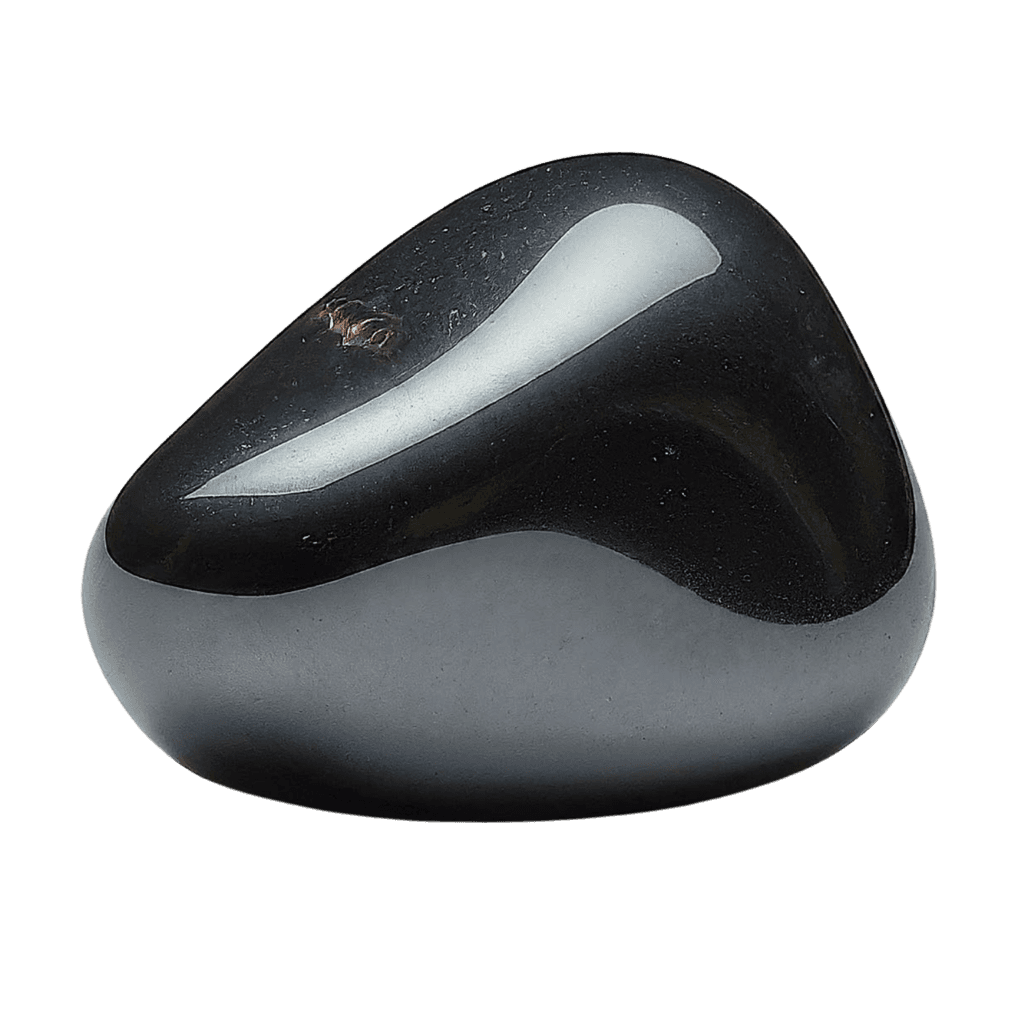
Hematite crystal
1

Hematite

Best overall, iron-rich anchor stone

Hematite is the universal grounding stone, and there is no other stone whose physical weight communicates its function so clearly. Hold a tumbled Hematite in your palm and notice the unusual heft, it is iron-rich and metallic, denser than nearly any other stone its size. Crystal Bible author Judy Hall calls Hematite 'a stone of grounding,' and in traditional crystal healing, Hematite is the first stone reached for whenever scattered or floating energy needs to be brought back into the body. According to metaphysical tradition, Hematite works on the root chakra and is believed to draw scattered energy back into embodied, present life. In my practice, this is the stone I hand to clients who tend to live above the body, highly analytical thinkers, restless thinkers, spiritually-bypassing meditators who have lost touch with embodied life. Author Melody (Love Is in the Earth) emphasizes its ability to support 'a sense of self.' The way this stone meets you is unmistakably solid. Many people find that wearing Hematite as a bracelet stack of multiple beads on the dominant wrist provides continuous low-level grounding throughout the day.

Why this stone for grounding

Iron-rich root-chakra stone traditionally for anchoring scattered energy back into the body.

How to use it

Wear as a bead bracelet on the dominant wrist. Hold during unsettled or floating moments.

Pros

  • Universal grounding stone
  • Unique metallic appearance
  • Affordable ($6-$15)
  • Excellent for daily wear

Cons

  • Not water-safe (rusts)
  • Heavy in necklaces
  • Magnetic 'hematine' is man-made, buy real Hematite
Smoky Quartz crystal
2

Smoky Quartz

Best for grounding with emotional release

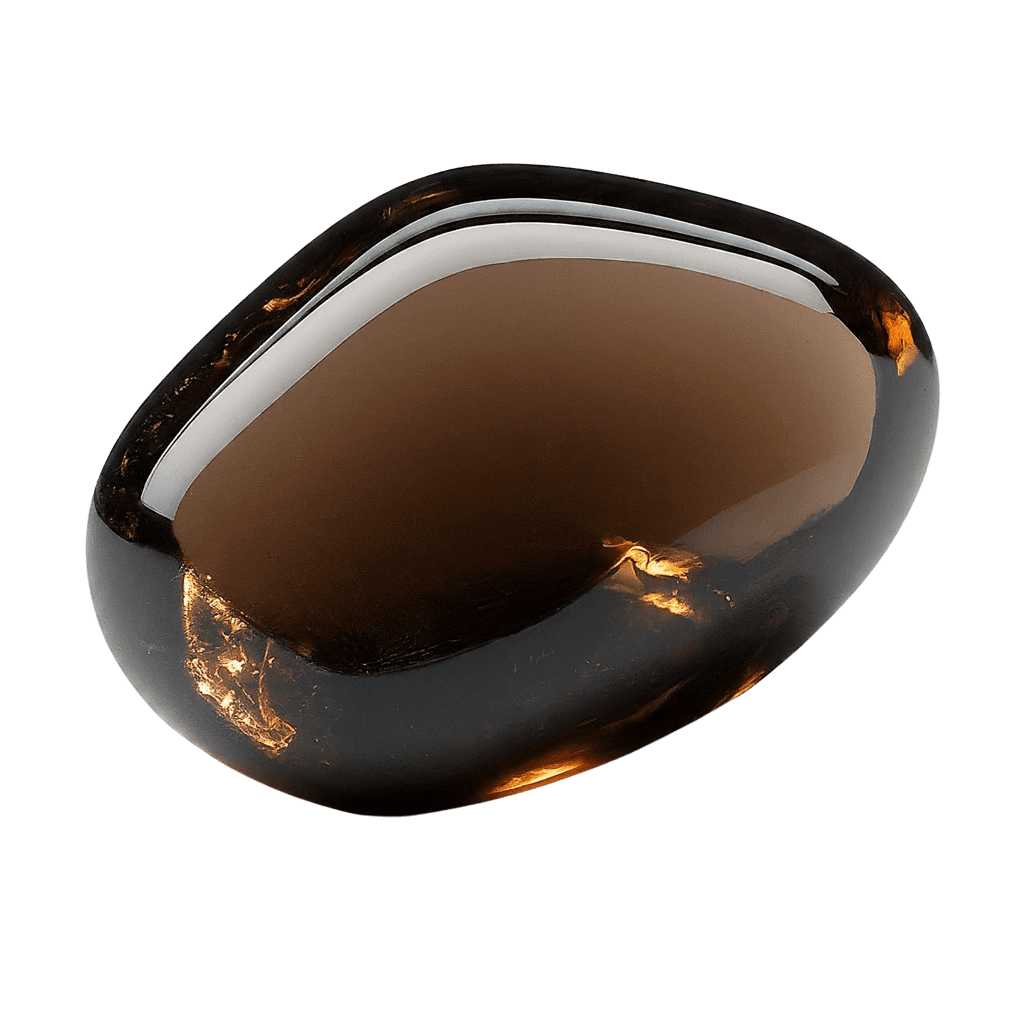
Smoky Quartz is the grounding stone when grounding needs to include letting something go. When you cup it in your palm, you feel a kind of weighted stillness that quartz crystals do not usually carry; Smoky Quartz has been likened to a 'storm drain' by Crystal Bible author Judy Hall, because of its traditional ability to draw stuck or excess energy down and out of the body. In traditional crystal healing, Smoky Quartz works on the root chakra differently than Hematite, Hematite anchors what is there, while Smoky Quartz also discharges what should not be. According to metaphysical tradition, this makes Smoky Quartz the right grounding stone when the issue is not just scattered energy but absorbed energy that needs to clear. In my practice, I recommend Smoky Quartz to empaths, helping professionals, and people in long-stress phases who need to ground and release simultaneously. Author Melody (Love Is in the Earth) describes its energy as grounding without being dulling. The way this stone meets you is unmistakable, a release valve combined with an anchor.

Why this stone for grounding

Root-chakra stone for grounding that includes the discharge of absorbed or stuck energy.

How to use it

Hold between the feet during seated meditation. Carry through the day for continuous release.

Pros

  • Excellent for empaths and helpers
  • Water-safe and durable
  • Affordable ($8-$20)
  • Pairs with all other grounding stones

Cons

  • Less anchoring than Hematite alone
  • Brown color may be less appealing
  • Effects can feel subtle
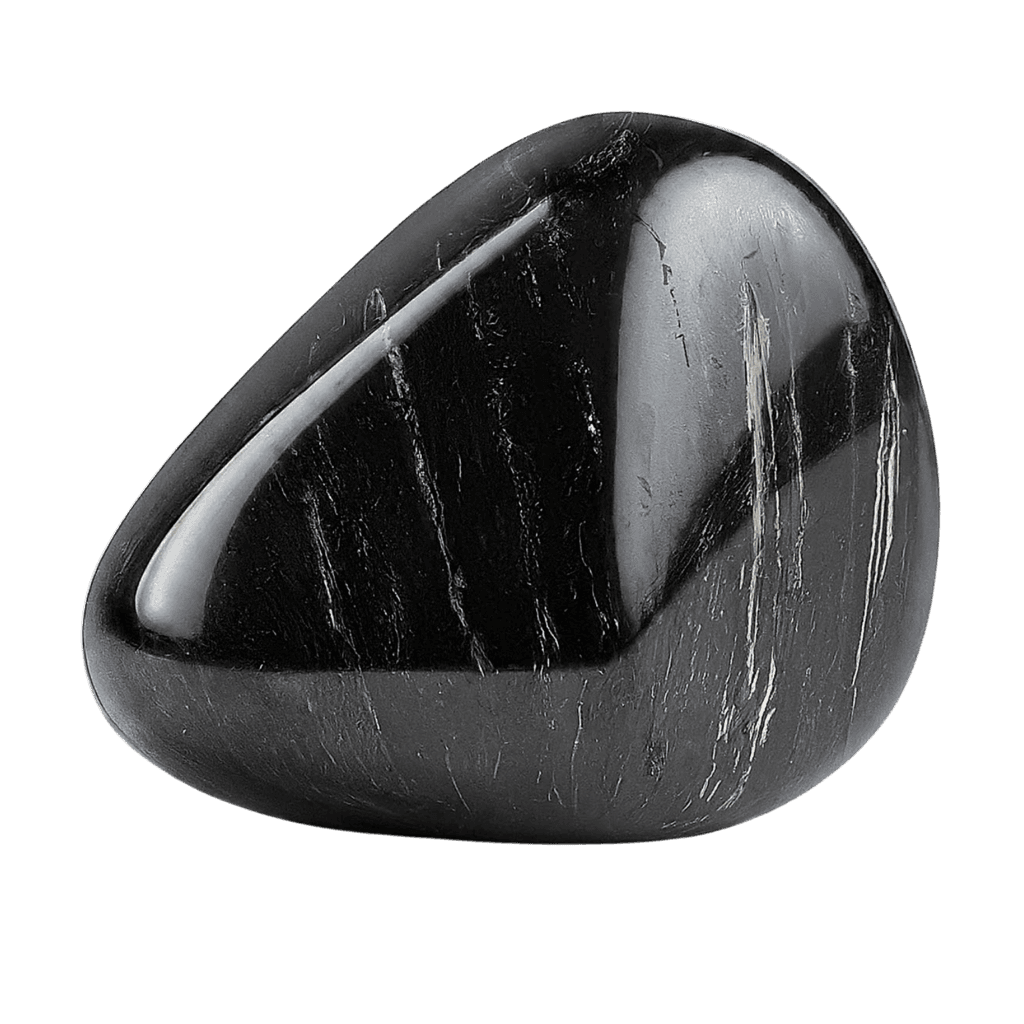
Black Tourmaline crystal
3

Black Tourmaline

Best for grounding plus protection

Black Tourmaline is the grounding stone for the kind of un-groundedness that comes from external pressure rather than internal scatter. Hold this stone and notice its heft. Crystal Bible author Judy Hall calls Black Tourmaline 'a premier shielding stone' and emphasizes both its protective and grounding functions. According to metaphysical tradition, Black Tourmaline works on the root chakra differently than Hematite or Smoky Quartz, it does not simply anchor or discharge, it creates an energetic boundary while it grounds. In my practice, I recommend Black Tourmaline for grounding in environments that actively destabilize you, public transit, hostile workplaces, crowded social events. Author Melody (Love Is in the Earth) emphasizes that grounding includes staying connected to your own center while protected from external input. The way this stone meets you is unmistakably steady. Many people find Black Tourmaline + Hematite the most complete grounding pairing, Black Tourmaline handles external pressure, Hematite anchors the body. Place at the front door and carry in the pocket.

Why this stone for grounding

Root-chakra stone for grounding under external pressure. Combines anchoring with energetic protection.

How to use it

Place near the front door. Carry a tumbled piece in your pocket during stressful exposures.

Pros

  • Combines grounding and protection
  • Robust and durable
  • Affordable ($8-$20)
  • Pairs perfectly with Hematite

Cons

  • Not water-safe long-term
  • Striated surface can be fragile
  • Black color visually intense for some
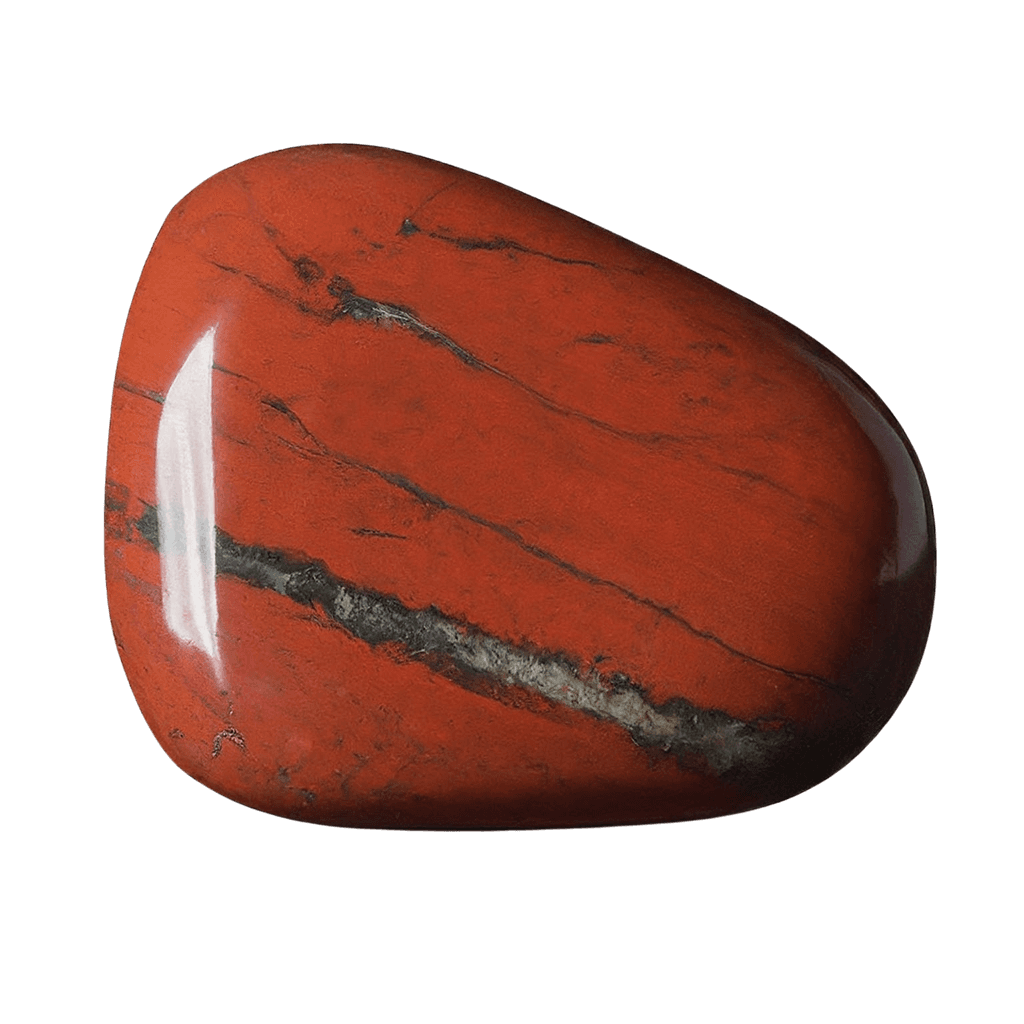
Red Jasper crystal
4

Red Jasper

Best for long, demanding stretches

Red Jasper is the grounding stone for the long haul, the season of long workdays, training blocks, and demanding caregiving. Hold a polished Red Jasper in your palm and notice the deep brick-red color; Crystal Bible author Judy Hall calls Red Jasper 'a stone of stamina and endurance' and recommends it for 'supporting prolonged stressors.' In traditional crystal healing, Red Jasper works on the root chakra and is associated with the slow, sustained quality that comes from deep earth-energy. According to metaphysical tradition, Red Jasper is the stone for grounding across stretches when the days are simply long. In my practice, I recommend Red Jasper to athletes, manual workers, parents of young children, and anyone in a demanding phase of life. Author Melody (Love Is in the Earth) groups Red Jasper among the stones of endurance. The way this stone meets you is unmistakably steady and sustaining. Wear close to the body during demanding seasons.

Why this stone for grounding

Root-chakra stone traditionally associated with steadiness through long, demanding stretches.

How to use it

Wear close to the body during demanding seasons. Hold at the end of a long day.

Pros

  • Excellent for long, demanding seasons
  • Beautiful warm color
  • Affordable ($5-$15)
  • Durable and water-safe

Cons

  • Traditionally chosen for endurance rather than purely energetic grounding
  • Color varies widely
  • Some Red Jasper is dyed, buy reputable
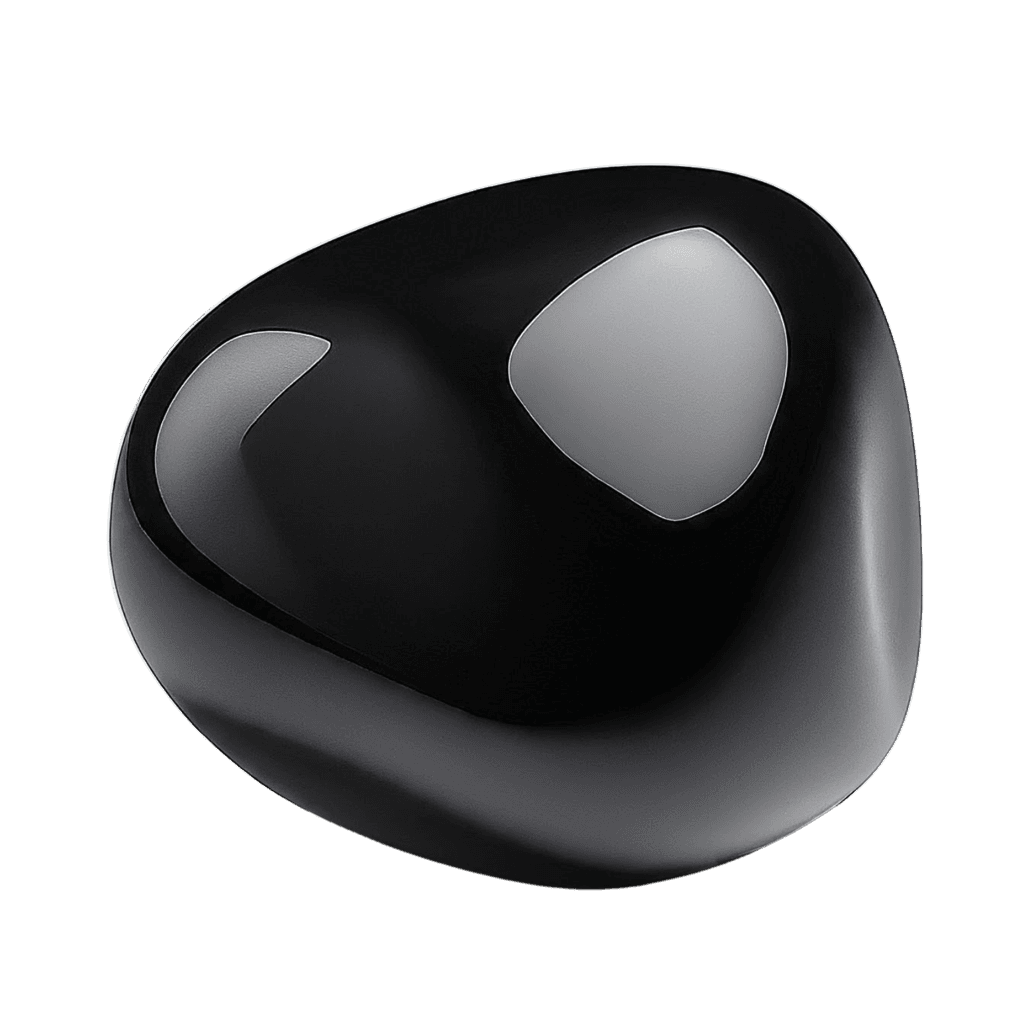
Black Obsidian crystal
5

Black Obsidian

Best for shadow-work grounding

Obsidian is the grounding stone for the deepest, most uncomfortable kind of grounding, the grounding that comes with facing difficult truths about yourself or your life. Hold a polished Obsidian sphere in your palm and notice the mirror-stillness. Crystal Bible author Judy Hall calls Obsidian a 'truth-enhancer.' In traditional crystal healing, Obsidian is volcanic glass, formed when molten lava cools so fast it never crystallizes, and it carries that origin in its grounding function. According to metaphysical tradition, Obsidian grounds by forcing you to face what other stones might let you avoid. In my practice, this is the stone I recommend to clients in deep therapeutic work, shadow integration, or major life transitions where avoiding the hard truths is no longer possible. Author Melody (Love Is in the Earth) emphasizes its shadow-work function. The way this stone meets you is unmistakable, uncompromising. Use intentionally and in shorter sessions than other grounding stones; Obsidian's energy is intense.

Why this stone for grounding

Root-chakra stone for the grounding required to face difficult truths and shadow material.

How to use it

Hold during shadow-work meditation or therapy. Use in shorter sessions than other grounding stones.

Pros

  • Excellent for deep shadow-work
  • Beautiful mirror-polish
  • Affordable ($8-$25)
  • Pairs with Smoky Quartz

Cons

  • Can feel intense for daily wear
  • Not recommended for continuous use
  • Sharp edges if not polished
Decision matrix

Side-by-Side: Which Is Best for What?

If you are choosing between these five for a specific situation, here is the quick decision matrix. According to metaphysical tradition, the right stone is the one that matches your particular need.

If you want…Choose
Best for severe groundingBlack Obsidian
Best for beginnersHematite
Best on a budgetRed Jasper
Best aestheticallyBlack Obsidian
Best to combine with othersSmoky Quartz
Practice

How to Combine These Crystals

The grounding layout I return to most is the three-stone floor grid: Hematite to your left, Smoky Quartz between your feet, Black Tourmaline to your right. Sit comfortably and breathe at your own pace for as long as it suits you. According to metaphysical tradition, this layout covers the three dimensions of grounding at once, anchoring, releasing, and protecting.

For endurance seasons, pair Red Jasper (steadiness) with Hematite (anchor). Wear both through demanding stretches. Many athletes and caregivers find this combination suits the long weeks better than either stone alone.

For shadow-work grounding, pair Obsidian (truth-facing) with Smoky Quartz (release) and Black Tourmaline (protection). Use during specific shadow-work sessions, not daily continuous wear, the combination is intentionally intense and not meant for constant exposure.

Many people working with these stones also explore the Root Chakra page for traditional pairings and balancing practices.

Safety

What to Avoid

Good to know

Frequently Asked Questions

What is the single best crystal for grounding if I can only have one?

Hematite is the universal first pick, iron-rich, durable, affordable, and effective across grounding scenarios. If you specifically need protection plus grounding, Black Tourmaline is the alternative.

Should I wear grounding crystals continuously?

Hematite and Smoky Quartz are appropriate for daily continuous wear. Black Tourmaline and Red Jasper work well for daily wear in stressful or demanding phases. Obsidian should be used in shorter intentional sessions.

Are grounding crystals a treatment for anxiety or panic?

No. Crystals are not a treatment for anxiety, panic, or any other condition, and they are no substitute for therapy or medication. Some people keep Hematite or Smoky Quartz in hand as part of a grounding ritual alongside professional care, and that is a personal practice rather than treatment.

What does it feel like to be 'grounded'?

Many people describe feeling grounded as a sense of weight in the seat, slower breathing, and present-moment awareness. The opposite is the floaty, scattered, above-the-body feeling of a day that has got away from you.

Where should I place grounding crystals?

Near the front door (Black Tourmaline), on the bedside (Hematite), between the feet during meditation (Smoky Quartz), close to the body during physical work (Red Jasper).

Can I use grounding crystals during walking meditation?

Yes, many people find Hematite or Smoky Quartz held in the hands during walking meditation deepens the grounding effect. The combination of physical movement and stone is traditional in earth-based practice.

How often should I cleanse grounding crystals?

Weekly for daily-wear stones. After particularly difficult periods, cleanse immediately. Moonlight on a windowsill or selenite contact works for most. Avoid water for Hematite.

Can grounding crystals help with sleep?

Indirectly. If your restless nights are rooted in a mind that will not settle, a grounding practice may suit you. For sleep-focused work specifically, see our sleep crystal comparison instead.

Keep exploring

What's Next?

Share Your Result

Vertical 9:16 format, perfect for Instagram Stories or TikTok. Opens in a new tab; long-press or right-click to save.

Free Guide

Where to start with crystals

Cassandra's free starter library covers the twelve stones that do most of the work, four cleansing methods and when each applies, and what the tradition says next to what the marketing says.

We respect your inbox. Unsubscribe anytime.