By Crystal Cassandra · Updated October 1, 2026
Crystal Healing Expert
What crystals are in the First Crystal Starter Kit?
The First Crystal Starter Kit pairs Rose Quartz, Amethyst, Clear Quartz, Black Tourmaline, and Citrine, the five stones classical sources name as the essential beginner set. In traditional crystal-healing practice, these five cover the foundational intentions (love, calm, clarity, protection, abundance) and serve as the starting point for any deeper crystal practice.
Key Takeaways
- Five stones classical sources name as the foundational beginner set
- Together they cover the most common intentions: love, calm, clarity, protection, abundance
- Designed for someone just starting a crystal practice, with no prior collection
- Each stone is widely available, affordable, and beginner-friendly to care for
- Many practitioners keep these five on hand for years, regardless of how their collection grows
Suggested Bundle
First Crystal Starter Kit
The classical beginner's five: the essential stones every crystal practice begins with, suitable for any intention or none yet.
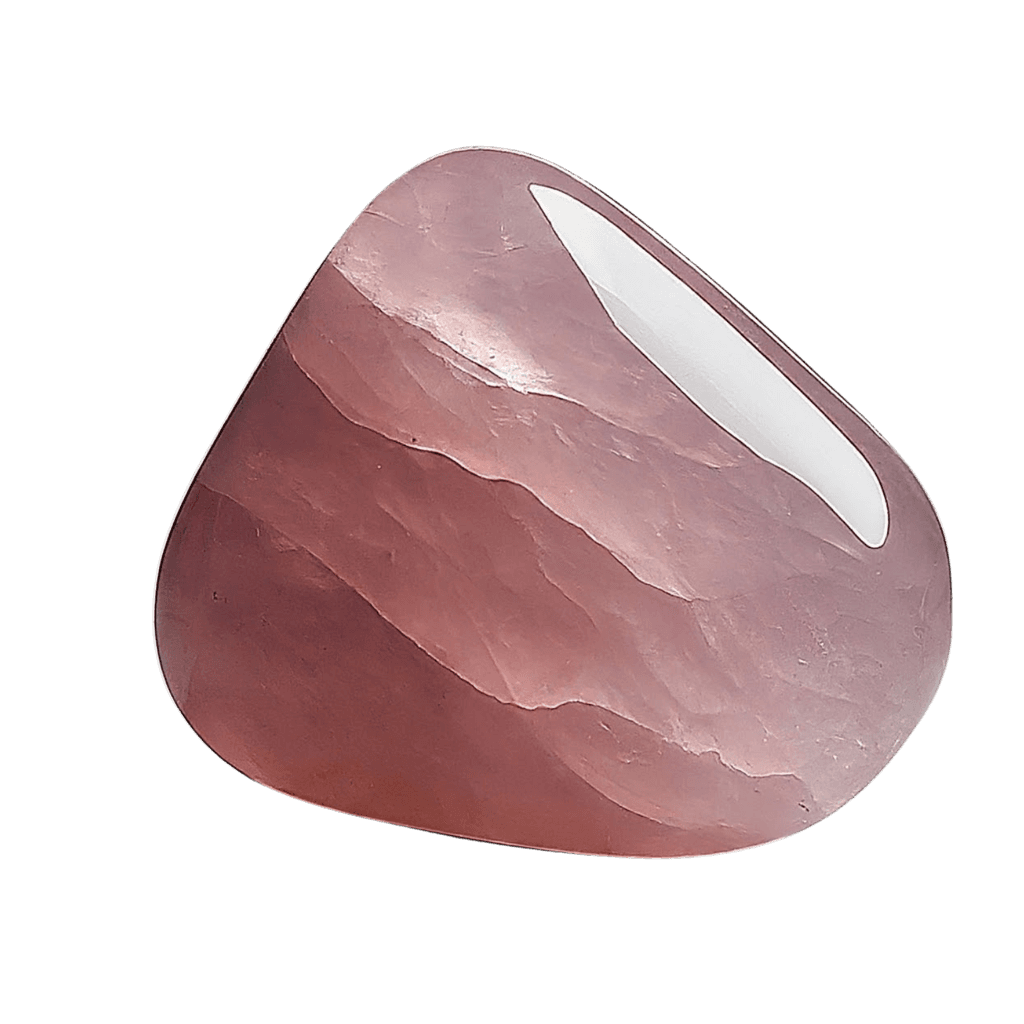
Rose Quartz
Love and self-compassion stone
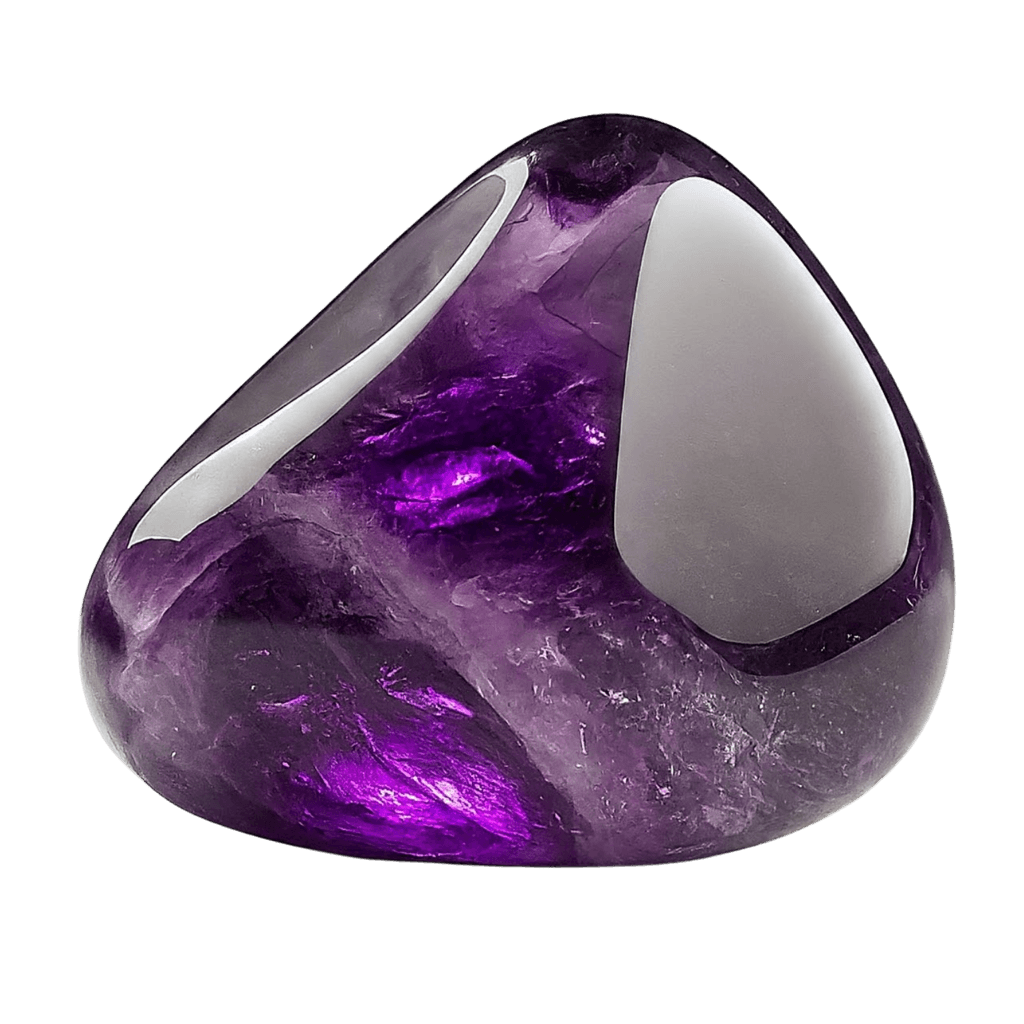
Amethyst
Calm and clarity stone
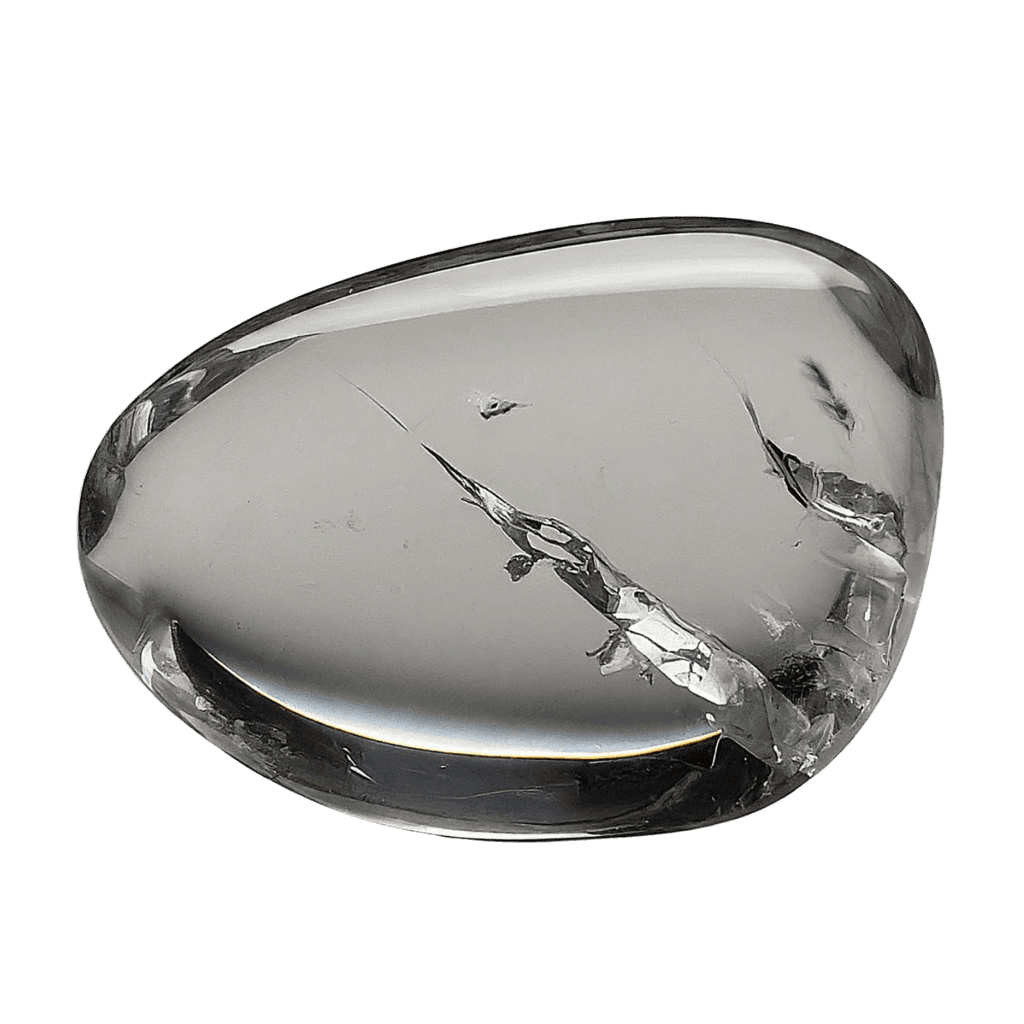
Clear Quartz
Master amplifier
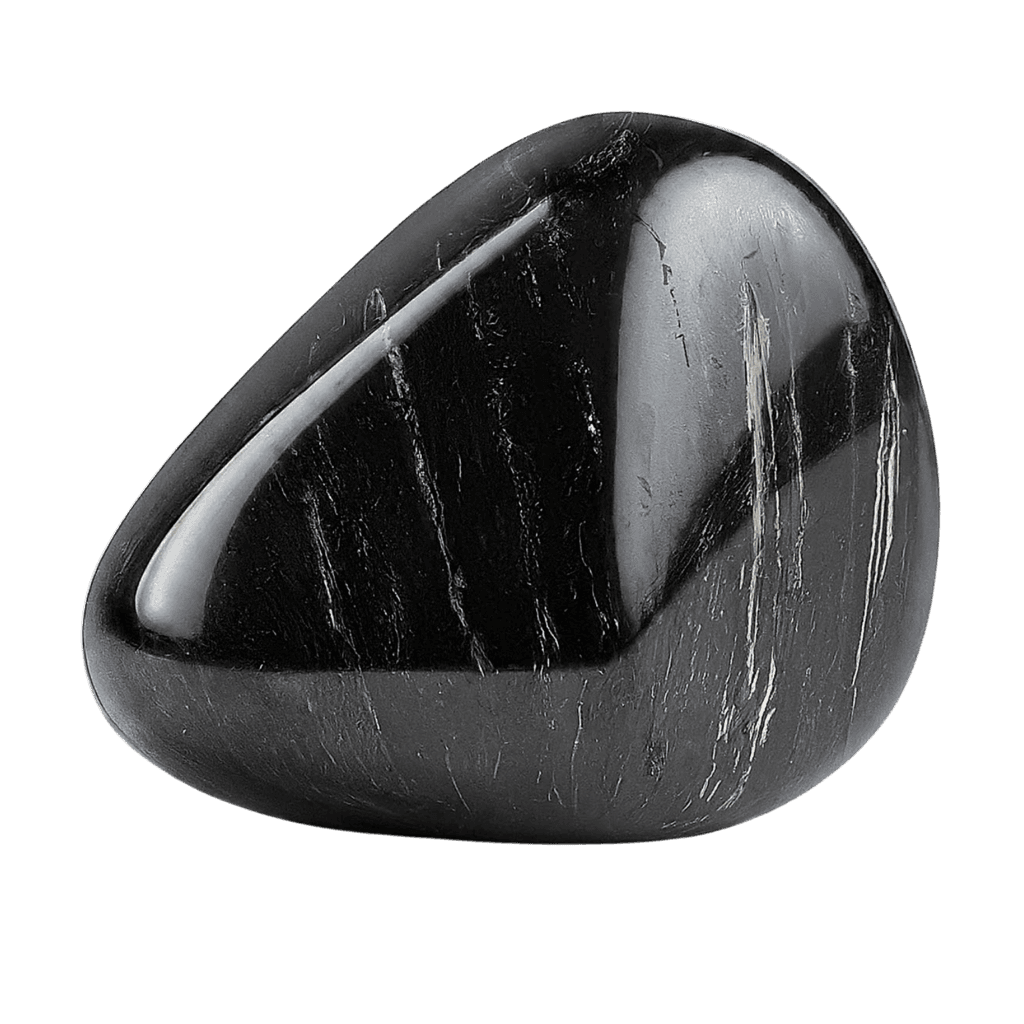
Black Tourmaline
Protection and grounding stone
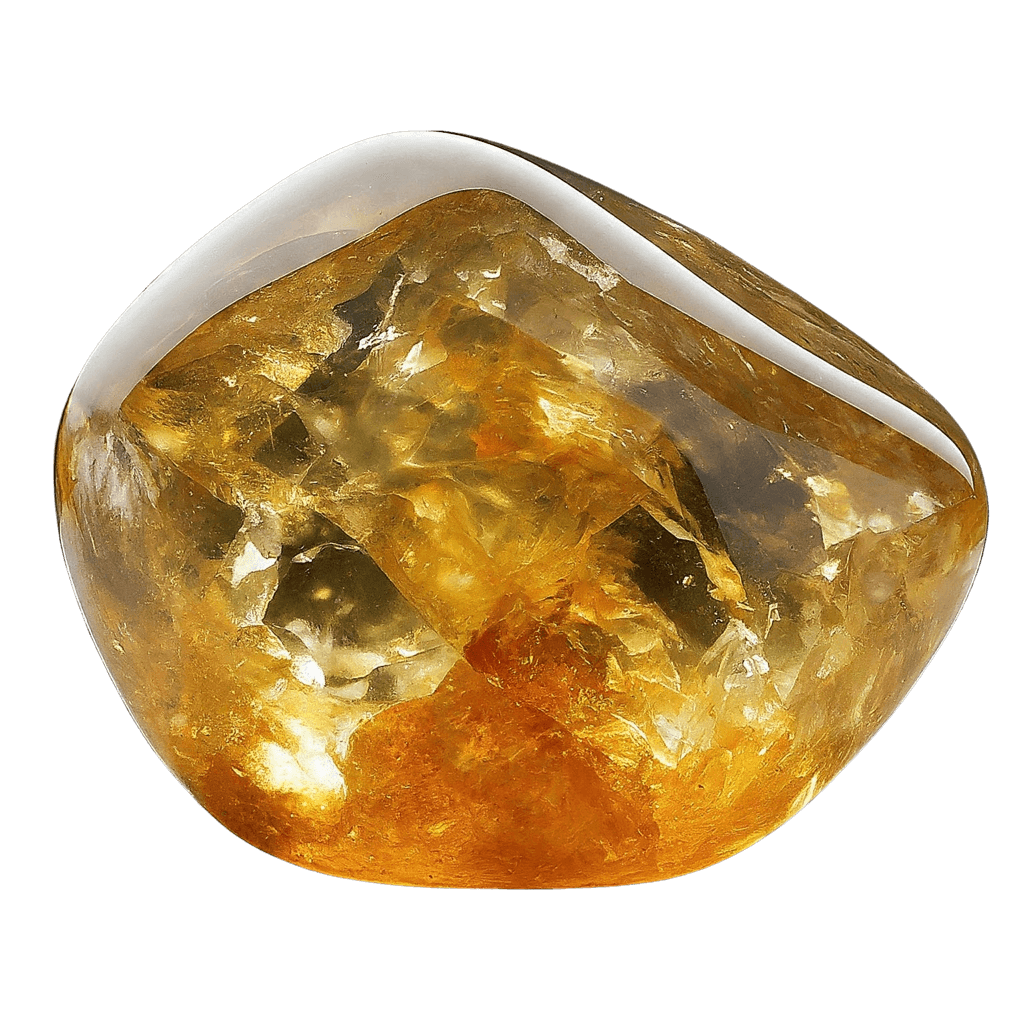
Citrine
Abundance and warmth stone
The CrystalStones.com crystal store is not open yet. These stones are not for sale here.
Why these crystals work together
Judy Hall in *The Crystal Bible* names these five (or close variants) as the essential beginner set in nearly every introduction to crystal work she has written. Cassandra agrees, and treats this kit as the standing answer to where a practice should start. Rose Quartz, Amethyst, Clear Quartz, Black Tourmaline, and Citrine cover the five foundational intentions a crystal practice tends to address: love and self-compassion, calm and quieting, clarity and amplification, protection and grounding, abundance and warmth.
Robert Simmons in *The Book of Stones* describes a similar essential set, framing it as the foundational handful a new practitioner can build a working practice from. The stones are also well-distributed in their care requirements (all five are reasonably durable, none requires unusual handling, all are widely available at moderate cost) and in their classical associations (each is one of the most-cited stones in its category). For a newcomer, this kit is the most efficient possible entry point.
For anyone new to crystals, this is where I would start. Even when the question arrives attached to a specific intention (anxiety, money, love), the starter kit covers the basics and leaves room to discover which stones they personally connect with before committing to deeper purchases. Many practitioners find that they keep these five at home for years, regardless of how their collection grows, because the foundation does not become obsolete.
The 5 stones in this kit
Judy Hall's *The Crystal Bible* associates Rose Quartz with unconditional love. It is the classical primary heart stone in nearly every Western tradition, the first stone Cassandra recommends for love and self-compassion work.
Amethyst is named across the classical sources as the primary stone for calm, sleep, and quieting the mind. Its purple coloring is universally associated with contemplative practice.
Clear Quartz is the classical master crystal, described in nearly every Western source as a stone that amplifies whatever intention is set with it. It is the most versatile stone in any practice.
Black Tourmaline is the classical primary protection stone in Western tradition. Judy Hall's *The Crystal Bible* presents it as a protector against negativity, and Cassandra uses it as the first stone for any grounding or protection intention.
Citrine carries forward the long-standing merchant-stone tradition through Judy Hall's *The Crystal Bible*, the classical primary stone for abundance, confidence, and sunlit warmth. Its yellow coloring has been associated with prosperity across many traditions.
How to work with the First Crystal Starter Kit
The ritual below is the one Cassandra uses in her own practice and recommends to clients new to bundle work. It can be done once as a setup ritual, then repeated weekly or aligned with the lunar cycle.
- 1
Spend a week with each stone
For the first five weeks of working with the kit, spend a week focused on one stone at a time. Carry it, hold it during quiet moments, sleep with it on your bedside table. Cassandra suggests keeping brief notes: how the stone felt, what you noticed, any associations that came up. By the end of the five weeks, you will have a felt relationship with each stone rather than just a label.
- 2
Build a small home altar
After the first five weeks, place the kit together on a small altar. A windowsill, a shelf, a corner of a dresser. Cassandra suggests this becomes your home base for crystal work. From here you can choose stones for the day, place them in different rooms for different purposes, or bring them together for specific intentions. The altar is the practice's center; everything else extends from it.
- 3
Match stones to daily intentions
Each morning, choose one stone for the day based on what the day requires. Going into a difficult meeting? Carry Citrine for confidence. Feeling anxious? Carry Amethyst. Need to ground? Carry Black Tourmaline. Need self-compassion? Carry Rose Quartz. Need clarity for a decision? Carry Clear Quartz. Many people find that this simple daily practice teaches them more about crystal work than any book.
- 4
Cleanse weekly in moonlight
Once a week, place all five stones together on a windowsill that receives moonlight. The full moon and new moon are classical cleansing times. Avoid prolonged sun for the kit (Citrine, Amethyst, and Rose Quartz can fade in strong sunlight over time). The weekly cleansing is as much a ritual reset for you as it is for the stones, a small marker that says: I am tending this practice.
- 5
Add new stones gradually, not all at once
Many beginners are tempted to buy many stones quickly. Cassandra suggests resisting this for at least the first six months. Use the kit, build a felt relationship with each stone, and let the desire for new stones emerge from your actual practice rather than from collecting impulse. When you add a new stone, add it because a specific intention has called for it, not because it was on a list. Quality of relationship matters more than quantity of collection.
What to realistically expect
Many beginners find that the kit's first effect is the discovery of which stone they personally connect with most strongly. Some people resonate immediately with Rose Quartz; others with Black Tourmaline; others with Citrine. Classical sources describe this as the stones finding the practitioner as much as the other way around. Notice which stone you reach for most often; that is often the stone for the season of life you are in.
The part of this kit that tends to outlast the novelty is the smallest one: choosing a stone in the morning. The act of pausing, considering the day, selecting a stone, and carrying it becomes a small ritual of intentional living. The stones support this; the practice is what makes the change.
The kit is not designed to produce specific external results. It is designed to introduce a beginner to crystal practice and to provide a sturdy foundation for whatever deeper work follows. Many practitioners look back years later and report that this starter kit was the most important purchase they ever made, not because it did the most dramatic work but because it taught them the practice.
Browse crystals for these intentions
Other crystal kits to explore
Frequently asked questions
Why these five stones specifically?
Classical sources, particularly Judy Hall and Robert Simmons, name these five (or close variants) as the essential beginner set because together they cover the five foundational intentions a crystal practice tends to address: love and self-compassion (Rose Quartz), calm and quieting (Amethyst), clarity and amplification (Clear Quartz), protection and grounding (Black Tourmaline), and abundance and warmth (Citrine). Other stones are wonderful additions; these five are the foundation.
Do I need to buy expensive specimens, or are tumbled stones fine?
Tumbled stones are completely fine, often preferable for beginners. They are affordable, durable, comfortable to hold and carry, and equally effective in classical practice. Cassandra suggests starting with small to medium tumbled pieces, around the size of a thumb. Save the larger or more expensive specimens for later, when you have a clearer sense of which stones you most connect with. Many practitioners find that the small tumbled stones they bought as beginners remain their favorites years later.
Where should I buy crystals?
Reputable metaphysical shops, independent crystal sellers, or ethically-minded online sellers are the standard sources. Look for sellers who can tell you where their stones come from. Avoid extremely cheap stones that may be dyed, heat-treated, or synthetic, particularly Citrine, which is often heat-treated Amethyst sold as natural Citrine. Cassandra suggests asking sellers about sourcing and being willing to pay slightly more for stones with clearer provenance. The five-stone kit should cost roughly thirty to seventy dollars total for quality tumbled pieces.
How do I know if I am 'doing it right'?
There is no single right way to begin a crystal practice. Classical sources describe a wide range of approaches. Cassandra suggests the simple test: are you regularly engaging with the stones? Are you noticing your inner state, intentions, and practice more than you were before? Is the practice supporting your daily life? If yes to those, you are doing it right. The 'doing it right' question often comes from a perfectionist place that is not serving the practice; the stones do not require perfection.
Can I gift this kit to someone?
Yes, and the starter kit is one of the most popular gift kits because it covers so many intentions and serves as a foundation. Cassandra suggests pairing the gift with a brief written note about each stone's classical associations, so the recipient has context for the practice they are being invited into. Many people find that gifted starter kits become beloved long-term collections. If the recipient is a complete newcomer, including a short reading list (Judy Hall's *The Crystal Bible* is the classical choice) deepens the gift.
What should I do if I lose or break one of the stones?
Classical sources describe lost or broken stones as having 'completed their work with the practitioner.' Cassandra suggests not seeing this as failure; in many traditions, a stone that breaks or is lost has absorbed what it needed to absorb and is releasing the connection. Replace the stone when you are ready (it does not need to be immediate) and continue the practice. The same applies to stones you gift away or pass on; the relationship with crystal work is yours, not the specific specimens.
Share Your Result
Vertical 9:16 format, perfect for Instagram Stories or TikTok. Opens in a new tab; long-press or right-click to save.
Where to start with crystals
Cassandra's free starter library covers the twelve stones that do most of the work, four cleansing methods and when each applies, and what the tradition says next to what the marketing says.
We respect your inbox. Unsubscribe anytime.
Explore More Tools
Crystal Quiz
Find the right crystal for your energy.
Open →Crystal Care
Cleansing + charging guide for each crystal.
Open →Crystal Shapes
The 12 traditional crystal forms.
Open →Crystal Grid Designer
Build a sacred-geometry crystal grid.
Open →Crystals by Intention
Match crystals to what you need.
Open →