
Quick Answer
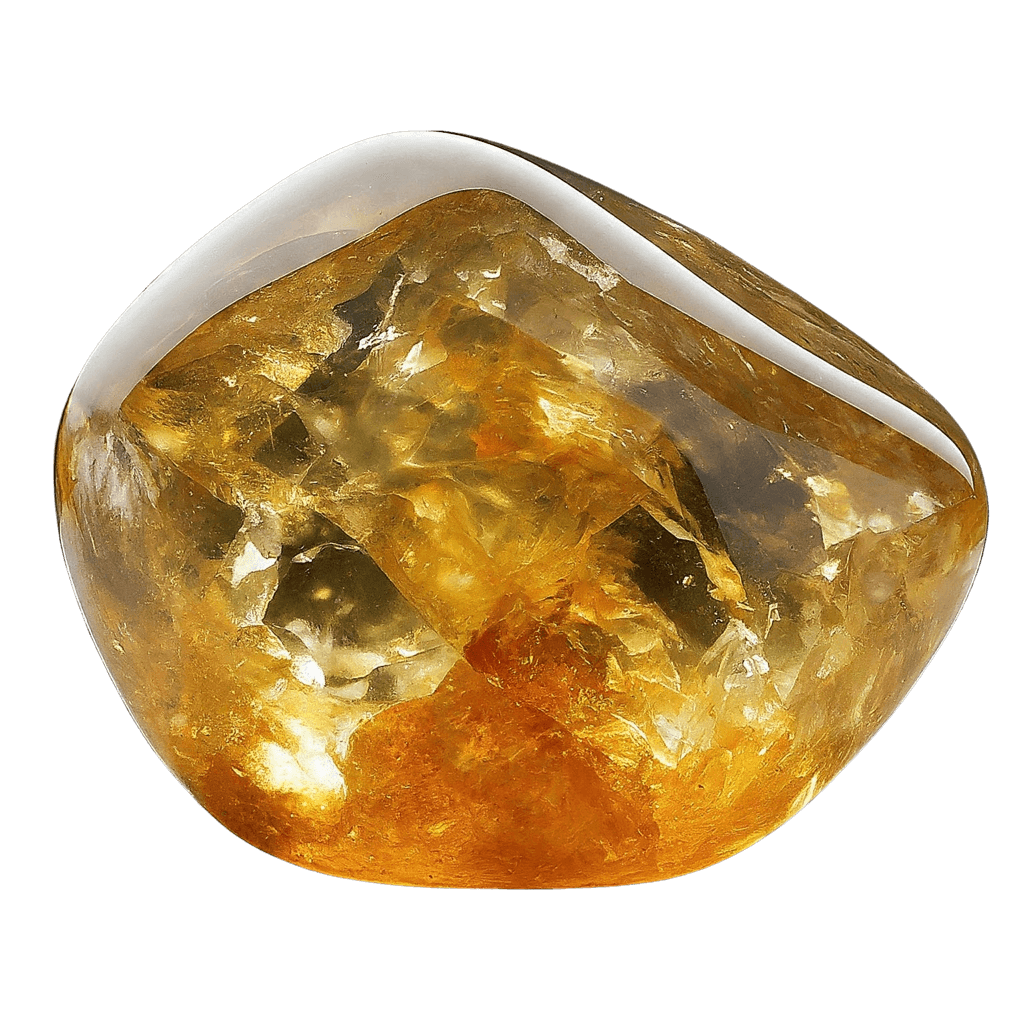
Citrine is a yellow crystal used in modern crystal healing for abundance, confidence, and creativity. It measures 7 on the Mohs hardness scale and typically costs $10 to $25 for a tumbled stone. In the chakra tradition, Citrine is associated with the Solar Plexus and Sacral chakras.
Worth knowing: Most citrine sold today began life as amethyst: heating purple quartz to a few hundred degrees turns it golden, and natural unheated citrine is the rarity.
“A radiant stone of abundance, confidence, and creative energy.”
- Chakra
- Solar Plexus (Manipura), Sacral (Svadhisthana)
- Zodiac
- Leo ♌, Aries ♈
- Element
- Fire 🔥
- Planet
- Sun ☀️
- Hardness
- 7 / 10 (Mohs)
- Colors
- Yellow, Golden, Amber, Honey
- Origin
- Brazil, Spain, Madagascar
- Availability
- Not sold here yet
Care + Safety
Citrine at a glance
- Water: brief rinse safe
- Sun: fades in prolonged direct sun
- Mohs hardness: 7 (durable for daily-wear jewelry)
Worried it's fake?
How to spot real Citrine
Citrine is one of the most-counterfeited stones on the consumer market. In my practice, the combination of two or three hands-on tests is usually enough to separate authentic from substitute.
See Cassandra's Citrine authenticity guide →What is Citrine?
Citrine is the yellow to honey-brown variety of quartz (silicon dioxide), named for the citron, the French lemon, with its warmth coming from traces of iron. It joined topaz as November's birthstone when the modern list was revised in 1952, and natural unheated stones are rare enough that most commercial citrine began life as amethyst.
Citrine measures 7 on the Mohs scale and shows yellow, golden, or amber coloring. Working collections shelve it with the prosperity stones; abundance, confidence, and creativity are its assignments, with the understanding that the stone marks intentions and the follow-through stays yours.
The stone connects primarily to the Solar Plexus (Manipura) and Sacral (Svadhisthana) chakras, carrying Fire energy. Sources include Brazil, Spain, and Madagascar; deposit matters more than beginners expect, and collectors learn to recognize where a piece of Citrine was mined by its color depth and pattern.
Citrine carries the warmth of late afternoon sunlight, hold it and notice how it seems to glow from within. This is the stone I place on my desk when creative projects stall, because it doesn't force inspiration. It simply clears the fog so your own ideas can come through.
Also catalogued as Merchant's Stone and Success Stone, this is a stone that rewards regular handling more than display. Give Citrine a week of abundance duty in the pocket before deciding what it is for.
History and Mythology
Citrine takes its name from the citron, the French lemon, and spent centuries being mistaken for something it is not: a surprising share of the 'topaz' in antique jewelry is actually citrine, sold under trade names like Madeira topaz and Spanish topaz that kept the confusion profitable for generations. Its great romantic era was Scottish. After Queen Victoria took to the stone and made Balmoral the center of Highland fashion, nineteenth-century Scots set citrine into kilt pins, shoulder brooches, and the handles of the sgian-dubh, the small dagger tucked into the kilt hose, and the smoky-gold crystals dug in the Cairngorm mountains became so beloved the trade still calls that shade cairngorm. In 1952 citrine was added beside topaz as November's birthstone, cementing a popularity that natural deposits alone could never meet, which is why the connoisseur's prize today is an untreated stone with its pale smoky gold intact. Cup one in afternoon light and you will see why nobody ever minded the mix-up.
Citrine Meaning and Metaphysical Properties
First Touch
Citrine meets the hand cool and composed: at Mohs 7 it takes a glass-bright polish, and that first chill lingers a while before your warmth wins. Track where your mind travels in the first minute; with prosperity stones it tends to land on the next doable step instead of the fantasy.
Primary Properties
Prosperity work is where the Citrine property list lives: abundance, confidence, creativity, manifestation, and vitality. Tradition frames every entry as support for spotting the opening and doing the work, never as a coupon for luck. Give the stone one specific goal; vague wishes give it nothing to mark.
How Crystal Energy Works
Tradition gives Citrine to the Solar Plexus, the yellow center of will at the upper belly, and asks it mainly for abundance. Work here happens before the test rather than during it; take the stone in hand ahead of the moment, with abundance, confidence, and creativity as the point of aim. Both of the standard catalogs, Melody's and Hall's, present the prosperity stones the same way, as companions for intention and follow-through rather than promises of windfall, which is the reading this site holds to.
Amplification Through Intention
Elementally this is Fire. Set Citrine where the work actually happens and let it mark the start of each session aimed at abundance; momentum, in this element, is the method.
Healing Benefits
Emotional Support
Citrine works the emotional ground beneath abundance, confidence, and creativity: the scarcity stories, the deserving question. Hold it while naming one thing you are ready to receive; the saying matters more than the stone, and the stone is what gets you to say it. Tradition, not treatment: abundance work with a stone sits beside professional support, never in place of it.
Spiritual Connection
Spiritually, the prosperity stones are gratitude technology, and Citrine is traditionally used to anchor a daily naming of what is already enough. Abundance work that skips that step, the tradition warns, curdles into wanting.
Physical Presence
On the physical level, tradition reads Fire stones like Citrine through warmth and appetite: morning energy, circulation of effort, the body's readiness to move toward abundance. Carry it on active days and let it cue the stretch, the walk, the standing up from the desk; the awareness is the genuine benefit, and it is never a substitute for medical care.
Chakra Connection
Citrine resonates most strongly with the Solar Plexus (Manipura), the energy center traditionally drawn in yellow and the traditional seat of this stone's abundance work. When this center runs clear, the classical markers are a straight spine, steady confidence, and ownership of your own choices; abundance, confidence, and creativity are what Citrine is most often asked to bring to it.
Before the moments that need spine, keep Citrine to hand and stand a moment longer than feels necessary, for no longer than it takes to gather yourself. It is a small ritual rather than a routine, and it points the stone straight at abundance.
Because Citrine is also associated with the Sacral (Svadhisthana), it moves well in multi-stone layouts: one stone, two stations, worked on different days.
Zodiac and Astrological Connection
In the modern correspondence tables Citrine is assigned to Leo ♌ (Jul 23 to Aug 22) and Aries ♈ (Mar 21 to Apr 19); a Sun, Moon, or rising placement there is read as a head start with this stone, nothing more.
None of this is exclusionary. If Citrine keeps catching your eye, that interest counts for more than whether Leo appears anywhere in your chart.
In the planetary layer of the system, Sun ☀️ holds the rulership, and that planet's prominent transits are the traditional windows for deeper abundance work with Citrine.
How to Use Citrine
Five practices suit Citrine especially well. Pick the one that fits the day you are actually having rather than the routine you think you should have.
- 1
Meditation Hold
Begin the sit with Citrine against the skin and use its coolness as the focus; at Mohs 7 it holds that freshness for a while before giving in to body heat.
- 2
Body Placement
Traditional placement charts put Solar Plexus stones high in the belly at the midline, just under the ribs, and Citrine is worked there lying down. Leave the breath uncounted. Watch the stone lift and settle, and end the session whenever ending feels natural; the old guidance names abundance for this seat and stops there.
- 3
Sleep Companion
Citrine can still earn the nightstand even though its brief is abundance rather than rest: setting the stone down as you set the day down marks the switch from doing to sleeping.
- 4
Carry With You
Station Citrine among the working tools, wallet, laptop bag, order book, so the accidental touches keep arriving; each one re-asks the abundance question, which is always the same, what is the next concrete step?
- 5
Crystal Grid Anchor
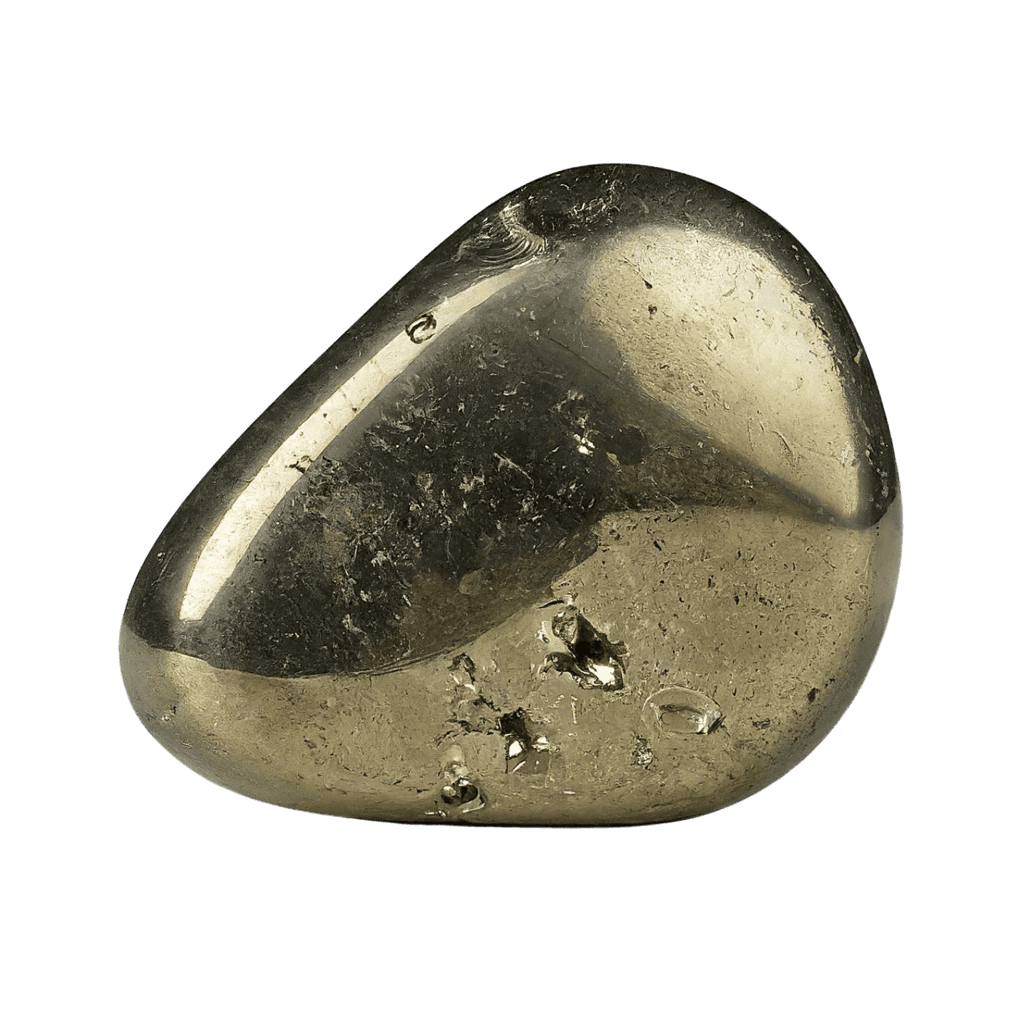
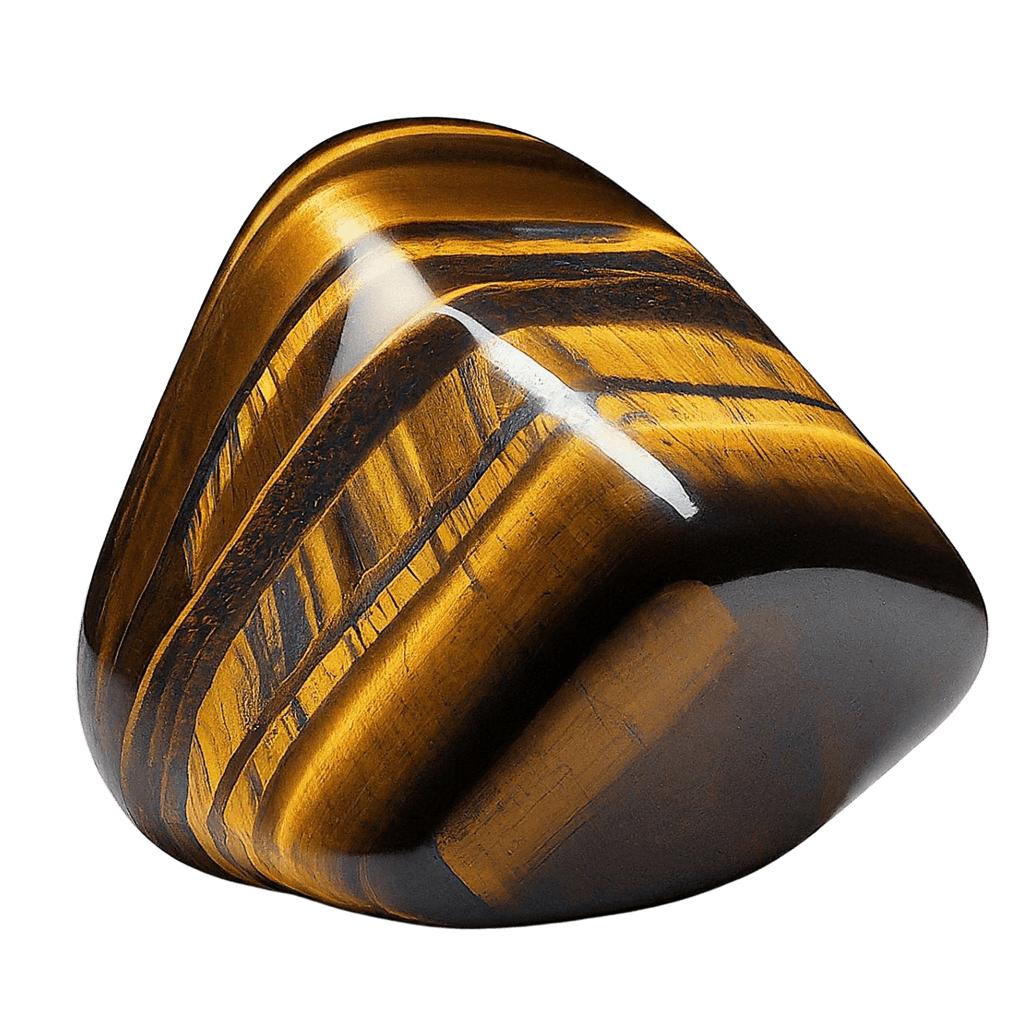
For grid work, give Citrine the anchor position and run Pyrite and Tigers Eye on the outer points, all matched to a single abundance intention. Rebuild it when it goes stale; a abundance grid you have stopped seeing has stopped working.
How to Cleanse and Charge
Keeping Citrine energetically clear is essential, a crystal that's holding too much absorbed energy becomes less effective, like a sponge that's full. For the full water-safe / sun-safe / salt-safe profile, the recommended cleansing cadence, and the hands-on storage instructions I give my clients, see the dedicated Citrine care guide.
- 1
Moonlight
Once a month, let Citrine sit overnight in moonlight, on the full moon if you can manage it. Nothing in the cabinet is harmed by this method, which is why it anchors most cleansing routines.
- 2
Selenite
Overnight on selenite is the lowest-maintenance cleanse Citrine can get: set it down at bedtime, pick it up cleared in the morning.
- 3
Sage
Smoke-cleanse Citrine: light the sage, let it settle to a smolder, and move the stone through the rising smoke until your sense of it lightens, usually under a minute.
- 4
Sound
Hold Citrine near a singing bowl, bell, or tuning fork and let a full minute of tone wash over it; sound reaches stones that water, salt, and sun cannot safely touch.
How often to cleanse
Give Citrine a clearing at least every month, and sooner after hard weeks or heavy daily use. The stone will teach you its own signal in time; most people describe it as dullness, weight, or a sense the stone has gone quiet.
Charging after cleansing
Once it is cleansed, recharge Citrine by setting it on a selenite plate overnight or bathing it in full moonlight; cleansing empties the stone, charging refills it.
The Crystal Starter Library
A free guide from Crystal Cassandra: the twelve stones that cover almost everything, a one page care matrix for water, sun and salt, and how to build a first intention practice.
We respect your inbox. Unsubscribe anytime.
Crystal Pairings
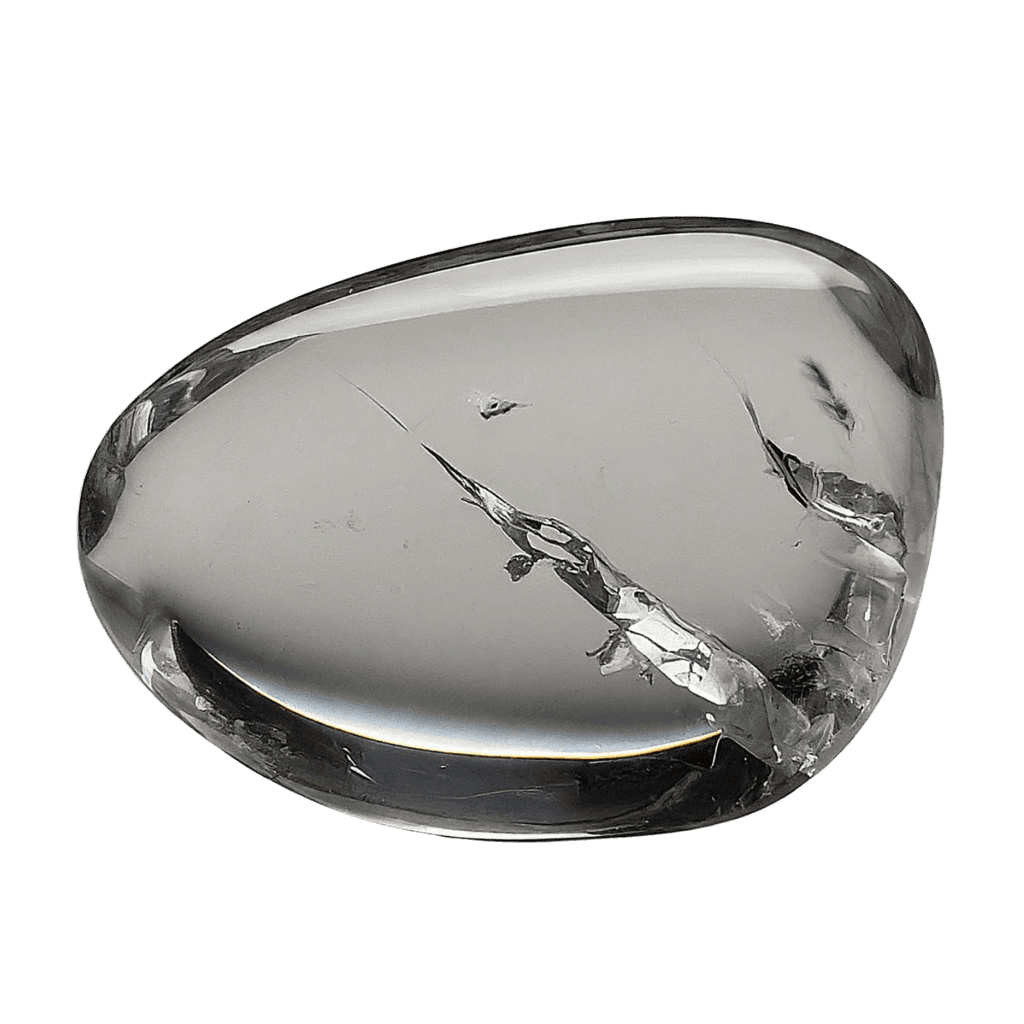
Blind spots decide the pairings for Citrine: vision needs ground under it, ambition needs heart beside it. Each traditional partner supplies one of those counterweights to the abundance effort. Station the pair at the desk or workbench, anywhere but a drawer.
Citrine and Tarot
In my practice, certain tarot archetypes ask for Citrine on the altar, the stone and the card mirror each other’s energy.
Tarot Companion
The Sun
Major Arcana · Card 19
Citrine is sometimes called 'the merchant's stone of the Sun', both carry solar warmth, confidence, and the manifestation of joy.
Read the The Sun card meaning →
Tarot Companion
Strength
Major Arcana · Card 8
The card of gentle, sustained courage mirrors Citrine's bright, confident energy, power held with warmth, not force.
Read the Strength card meaning →
Featured in Tarot
Citrine appears as the crystal pairing for 6 cards in our tarot guide, hold the stone while you draw or study these archetypes.
The Magician
Major Arcana · Mercury
manifestation, resourcefulness, power
Two of Wands
Suit of Wands · Mars in Aries
future planning, discovery, decisions
Seven of Wands
Suit of Wands · Mars in Leo
perseverance, defensiveness, standing ground
Queen of Wands
Suit of Wands · Water of Fire
courage, determination, joy
Three of Pentacles
Suit of Pentacles · Mars in Capricorn
teamwork, collaboration, skill
Page of Pentacles
Suit of Pentacles · Earth of Earth
ambition, desire to learn, new venture
Buying Citrine: Price, Quality, and Jewelry
Honesty first, because the citrine meaning on the price tag depends on it: nearly all citrine under about $20, especially vivid orange points with a snowy white base, is heat-treated amethyst, which gemological bodies still classify as genuine citrine but which should never be priced like the natural stone. Untreated natural citrine, mostly from Zambia, Madagascar, and the Congo, runs pale smoky yellow and commands a clear premium. Expect $5 to $15 for heated tumbled stones, $10 to $25 for decent points, and significantly more for natural material or the reddish-orange Madeira grade, the most valuable color, named after the Portuguese fortified wine. For jewelry, citrine's Mohs 7 hardness suits daily-wear rings and pendants, and November babies get one of the most affordable birthstones on the list. Keep it out of long sun exposure; the gold can fade.
How to Spot Real vs Fake Citrine
Imitations of Citrine exist because demand does. A few hands-on checks separate genuine yellow material from glass, resin, and dye:
Temperature: genuine Citrine feels distinctly cool at first touch and gives that coolness up slowly; resin copies feel warm almost immediately, which is the quickest tell there is.
Weight and density: resin fakes run light for their size, while genuine Citrine at Mohs 7 carries honest mineral density; weigh it in the palm against any real tumbled stone you own.
Color: expect yellow, golden, or amber with honest variation, banding, zoning, the odd inclusion; a batch where every stone matches exactly came out of a factory, not the ground.
Price: expect $10 to $25 for a decent tumbled or palm piece of Citrine; dramatic discounts mean dye, resin, or mislabeling more often than they mean luck.
Trust your source: a seller who knows where a yellow stone like this came from and says so plainly is worth more than every test on this list. Vagueness about origin is itself an answer.
Sourcing
Buying Citrine well
The CrystalStones.com crystal store is not open yet, so we do not sell Citrine here. What we can give you is the part that matters most: how to tell a genuine piece from a treated or dyed one, and how to care for it once it is yours.
Frequently Asked Questions
What is Citrine good for?
Citrine is traditionally associated with abundance, confidence, creativity, and manifestation. Many people find it supportive for abundance and for working with the Solar Plexus and Sacral chakras.
Can Citrine go in water?
It can. Citrine handles brief water contact without trouble at Mohs 7, and a short rinse under cool water makes a sound regular cleanse. Dry it afterward and skip long soaks, which no tumbled stone loves.
Can Citrine be in the sun?
Treat sun as a risk for Citrine: short incidental light does no harm, but hours of direct exposure will cost the yellow tones their depth. Default to moonlight.
What chakra is Citrine?
Citrine is primarily associated with the Solar Plexus (Manipura) and Sacral (Svadhisthana) chakras. Rest it at the solar plexus during lying-down practice; that station is the traditional position for abundance.
What zodiac sign is Citrine for?
Citrine is traditionally connected to Leo and Aries. If your signs differ, work with Citrine anyway; resonance in the hand outranks resonance on paper in every practical tradition.
How do I cleanse Citrine?
Stick to Moonlight, Selenite, and Sage for Citrine; those are the methods its care profile recommends. Because the stone is water-tolerant at Mohs 7, an occasional rinse can supplement the list, with the named methods doing the steady monthly work.
Is Citrine real or fake, how can I tell?
Genuine Citrine feels cool at first touch and warms slowly; at Mohs 7 it also resists the pocket scratches that mark softer fakes. Natural yellow material varies piece to piece and runs about $10 to $25 tumbled, so perfectly matched stones at a suspicious discount deserve a second look.
Is citrine natural or heat-treated?
Most citrine sold today is heat-treated amethyst rather than natural citrine. Geology.com traces most market citrine to heated amethyst mined in eastern Brazil. Both are genuine quartz at 7 on the Mohs scale, so a heated stone is not a fake, only the abundant version. Natural citrine runs a paler smoky honey, while heated pieces often show a strong orange cap over a white base. In crystal tradition both are worked with for the same abundance intentions.
Why is citrine called the merchant's stone?
Citrine is nicknamed the Merchant's Stone in modern crystal lore, for the practice of keeping a piece in a till, cash box, or wallet. The same tradition pairs this yellow quartz with abundance, confidence, and creative momentum, assigns it to the Sun, and gave it a second trade name, the Success Stone. Both names describe a reflective folk practice rather than a financial mechanism, and neither depends on whether the stone is natural or heat-treated.
What is the difference between citrine and topaz?
Citrine and topaz are two different mineral species that share the November birthstone slot. Citrine is quartz, silicon dioxide, at 7 on the Mohs scale, while topaz is an aluminum silicate one step harder at Mohs 8. Hardness is not the whole story: topaz has a basal cleavage and low tenacity, so it chips and splits more readily than its rank suggests, while quartz has no cleavage at all and simply fractures.
Sources and further reading
What’s Next?
A few thoughtful next steps if Citrine is calling to you.
Explore More Tools
Crystal Quiz
Discover which crystal matches your energy right now.
Open →Chakra Test
Find which chakras need attention and the crystals to balance them.
Open →Crystal Cleansing Guide
Learn how to safely cleanse and charge your crystals.
Open →Crystals by Intention
Find the perfect crystal for what you need right now.
Open →