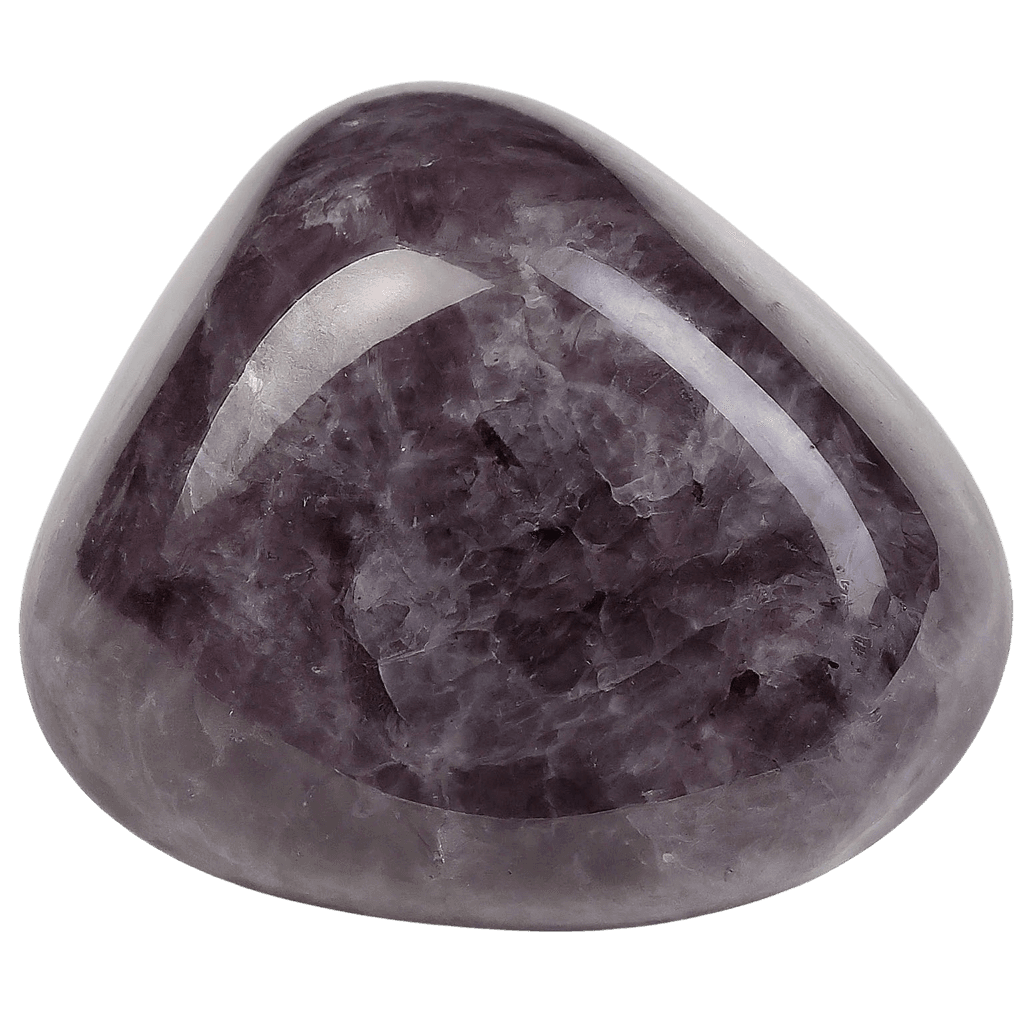

Quick Answer
Alexandrite is a green in daylight crystal used in modern crystal healing for transformation, abundance, and intuition. It measures 8.5 on the Mohs hardness scale and typically costs $100 to $200 for a tumbled stone. In the chakra tradition, Alexandrite is associated with the Heart and Crown chakras.
Worth knowing: Urals miners in the 1830s first took it for emerald until candlelight turned it red, and the new gem was named for the future Tsar Alexander II, its two colors matching imperial Russia's military green and red.
“A rare color-shifting chrysoberyl of transformation, dual-natured insight, and good fortune.”
- Chakra
- Heart (Anahata), Crown (Sahasrara)
- Zodiac
- Gemini ♊, Scorpio ♏
- Element
- Fire 🔥, Air 💨
- Planet
- Uranus ♅
- Hardness
- 8.5 / 10 (Mohs)
- Colors
- Green in daylight, Red-purple in incandescent light
- Origin
- Russia, Brazil, Sri Lanka
- Availability
- Not sold here yet
Care + Safety
Alexandrite at a glance
- Water: brief rinse safe
- Sun: tolerates sunlight charging
- Mohs hardness: 8.5 (durable for daily-wear jewelry)
What is Alexandrite?
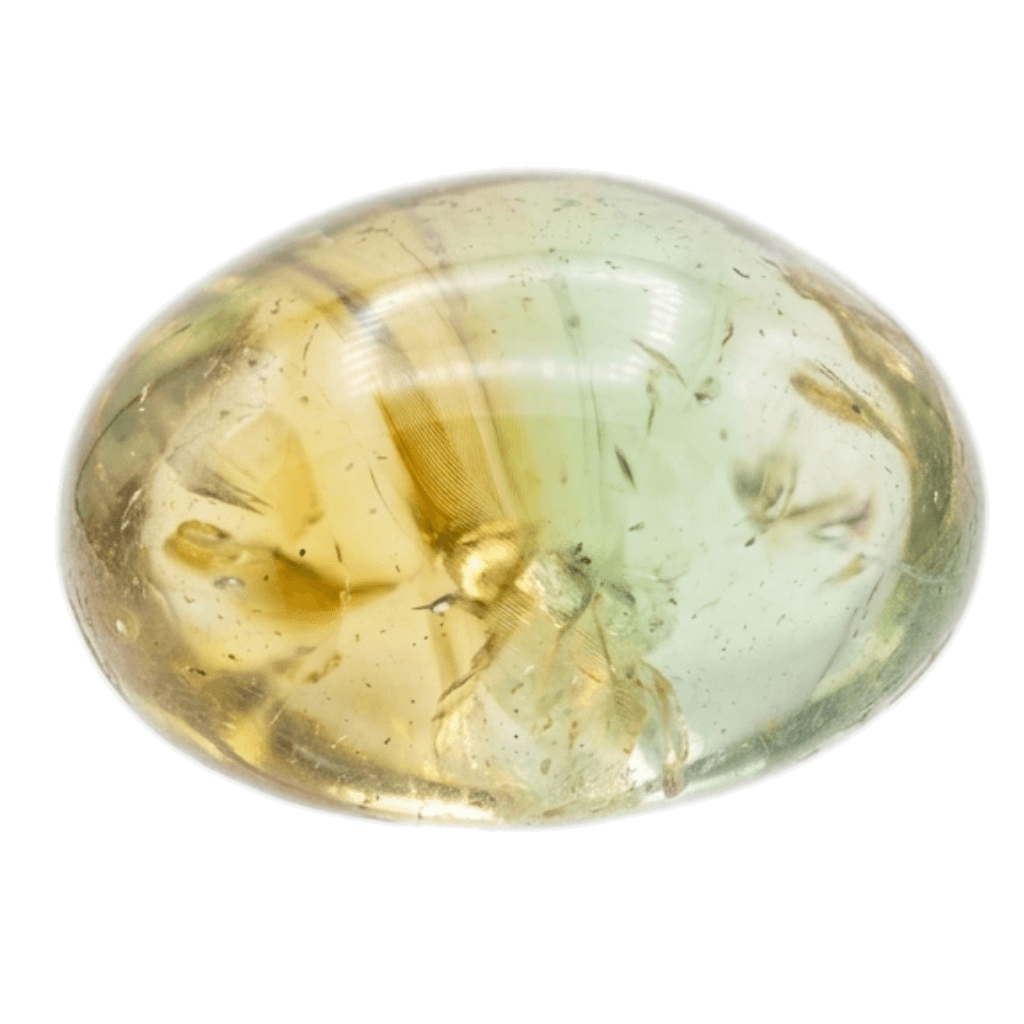
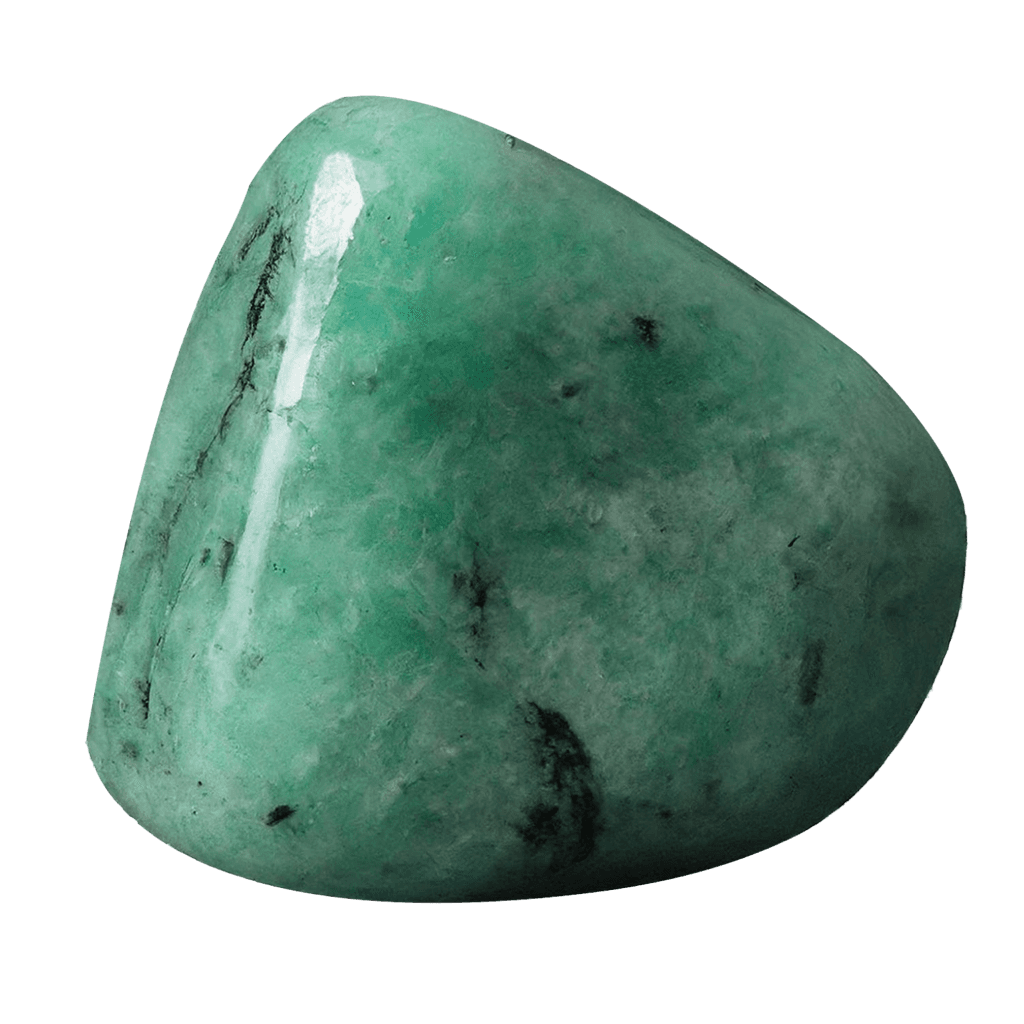
Alexandrite is the chromium-bearing chrysoberyl that reads mossy green in daylight and raspberry red under incandescent light. At 8.5 it stands among the hardest of all gems, behind only corundum and diamond.
Alexandrite measures 8.5 on the Mohs scale and shows green in daylight or red-purple in incandescent light coloring. Change is its department: a threshold stone by family, kept close for transformation, abundance, and intuition and for the crossings they imply.
The stone connects primarily to the Heart (Anahata) and Crown (Sahasrara) chakras, carrying Fire and Air energy. Sources include Russia, Brazil, and Sri Lanka; deposit matters more than beginners expect, and collectors learn to recognize where a piece of Alexandrite was mined by its color depth and pattern.
Alexandrite shifts from green in daylight to red-purple under candlelight, a phenomenon so dramatic that, when first discovered in 19th-century Russia, jewelers thought it was magic. Symbolically the lesson holds: the same situation can hold two truths depending on the light. This stone teaches integration of opposites.
Also catalogued as Color-Change Chrysoberyl and Stone of Good Omens, this is a stone that rewards regular handling more than display. Give Alexandrite a week of transformation duty in the pocket before deciding what it is for.
History and Mythology
Alexandrite entered the record through mineralogy rather than mythology: the species was identified and named in the modern era, and its healing use begins with the 20th and 21st century crystal literature rather than any ancient source. That recency is worth stating plainly, because honest provenance is rarer than it should be in this field. The material itself is sourced today from Russia, Brazil, and Sri Lanka.
The correspondence tables used by today's practitioners assign Alexandrite to Gemini and Scorpio under the rulership of Uranus ♅. In that system, work centered on transformation is said to land best while those signs are in season.
However young or old the human story, the stone outruns it: Alexandrite formed over deep time, and the Mohs 8.5 piece on your shelf is the newest chapter of a very old book.
Alexandrite Meaning and Metaphysical Properties
Cold to First Touch
The signature of a very hard stone is patience, and Alexandrite has it: Mohs 8.5, cool to the touch well past the first minute, its green in daylight surfaces unbothered by pocket life. Whatever memory walks in while the stone is in your hand, let it; the threshold family tends to retrieve what is already loosening, and that retrieval is the signal.
Primary Properties
Alexandrite is counted among the threshold stones: transformation, abundance, intuition, and spiritual awakening. This family attends endings and beginnings, the habit being set down, the season being stepped into. The stone marks the process; the crossing is yours to make.
How Crystal Energy Works
At the center of the chakra map sits the Heart, and that crossroads is where tradition places Alexandrite for its transformation work. Practice here follows the breath rather than the clock: the stone at the chest, attention settling on transformation, abundance, and intuition, force left at the door. In Melody's catalog the transformation stones share a single center of gravity, release, the old carried out of the system to make space for what comes next.
Amplification Through Intention
The Fire designation on Alexandrite is a usage note: this is a stone for doing transformation work, not soaking in it. Pair it with spoken intention, name the transformation, abundance, and intuition you are after out loud while holding it, because Fire stones are traditionally worked actively rather than passively.
Healing Benefits
Emotional Support
Alexandrite accompanies the heavier passages: transformation, abundance, and intuition. It is traditionally a companion for grief, endings, and honest inventory, less a mood-lifter than a witness that stays. These are traditional transformation associations rather than medical claims; for anything heavy or persistent, a qualified professional belongs in the picture alongside any stone.
Spiritual Connection
Spiritually, Alexandrite attends the rites of ending well, the released page, the closing inventory, the farewell made deliberately. What the stone marks is the difference between finishing something with attention and simply walking away from it.
Physical Presence
Physically, Alexandrite is the kind of stone tradition pairs with movement: pocket it for the workout, the cold start, the task that needs momentum toward transformation. What it reliably does is remind the body it has your attention, which is worth more than it sounds and replaces no medical care at all.
Chakra Connection
Alexandrite resonates most strongly with the Heart (Anahata), the energy center traditionally drawn in green / pink and the traditional seat of this stone's transformation work. When this center runs clear, the classical markers are love, compassion, and emotional openness; transformation, abundance, and intuition are what Alexandrite is most often asked to bring to it.
Lie down with Alexandrite at the heart center, letting the breath rock it; a quiet unmeasured stretch of that is the oldest heart-stone session in the book, and transformation is the usual request.
Alexandrite also keeps a working line to the Crown (Sahasrara), which widens its range in layouts; let the primary placement lead, and add the second position once the first feels familiar.
Zodiac and Astrological Connection
In the modern correspondence tables Alexandrite is assigned to Gemini ♊ (May 21 to Jun 20) and Scorpio ♏ (Oct 23 to Nov 21); a Sun, Moon, or rising placement there is read as a head start with this stone, nothing more.
Correspondence is a suggestion, not a bouncer; plenty of devoted Alexandrite keepers have no Gemini in their chart at all, and being drawn to the stone is the credential that matters.
The assigned ruler is Uranus ♅; in practice that means Alexandrite comes out when that planet is prominent in the sky or in your chart, and transformation is the work it is handed.
How to Use Alexandrite
Here are five ways I recommend working with Alexandrite. Start with whichever feels most natural, there's no wrong entry point.
- 1
Meditation Hold
Hold Alexandrite and let its persistent coolness set the tone; at Mohs 8.5 it is among the harder stones you will handle, and it keeps its cold composure long into a sit.
- 2
Body Placement
Center-chest is the station the chakra charts give Alexandrite: lie back, set it over the heart, and let each breath rock it gently. Keep the attention on the stone rather than on yourself, which is harder than it sounds and is most of the skill. The standing association at this center is transformation.
- 3
Sleep Companion
At night, park Alexandrite on the nightstand rather than working it; its job is the day's transformation, and ending the day cleanly is how tomorrow's session starts well.
- 4
Carry With You
Carry Alexandrite through the seasons that are ending; touch it when the old habit calls, and let the stone mark each small refusal as part of the larger transformation.
- 5
Crystal Grid Anchor
Use Alexandrite as the heart of a small grid for transformation, with Chrysoberyl and Emerald alternating on the spokes. Place the stones slowly and set the last one down with the transformation intention named out loud.
How to Cleanse and Charge
Alexandrite works best when it is cleansed on a rhythm; tradition pictures a stone absorbing what it meets, and a saturated stone has nothing left to give. The complete water, sun, and salt safety profile, plus the storage instructions I give my clients, lives in the dedicated Alexandrite care guide.
- 1
Moonlight
Set Alexandrite on a windowsill or ledge under the full moon and collect it in the morning. Moonlight is the gentlest cleanse in the tradition, safe for every stone in the collection and impossible to overdo.
- 2
Water
A short rinse cleanses Alexandrite: cool water, gentle rotation, sixty seconds, towel dry. Keep it brief; even water-safe stones prefer not to soak.
- 3
Sage
For a deeper reset, hold Alexandrite in sage smoke and name out loud what the stone has been carrying; the naming is half the cleanse.
- 4
Sound
Sound-cleanse Alexandrite by striking a bowl or bell, letting each tone fade completely before the next; the vibration does the clearing, and no contact is needed.
How often to cleanse
I recommend cleansing Alexandrite at least once a month, more frequently if you're using it daily or during emotionally intense periods. You'll also learn to feel when a stone needs cleansing; it may feel heavier, duller, or simply “off.”
Charging after cleansing
Once it is cleansed, recharge Alexandrite by placing it in morning sunlight for 30 minutes; cleansing empties the stone, charging refills it.
The Crystal Starter Library
A free guide from Crystal Cassandra: the twelve stones that cover almost everything, a one page care matrix for water, sun and salt, and how to build a first intention practice.
We respect your inbox. Unsubscribe anytime.
Crystal Pairings
Steadiness is what Alexandrite looks for in a partner, since threshold work needs an anchor while things move. The traditional companions contribute ground, heart, or light to the transformation process, each in its own register. Rotate the pairing when the season turns; the rotation is itself part of the practice.

How to Spot Real vs Fake Alexandrite
Before buying Alexandrite, run the piece through these checks; nothing here needs equipment, just your hands, the green in daylight stone in question, and a healthy skepticism:
Temperature and scratch: real Alexandrite stays cold in the hand and, at Mohs 8.5, shrugs off the scuffs that mark glass; a piece that scratches easily is not the genuine stone.
Weight: real Alexandrite should feel like stone rather than plastic pretending; if a palm-sized piece feels nearly weightless, walk away from it.
Color and pattern: the real range is green in daylight or red-purple in incandescent light; treat neon saturation or flawless uniformity as a question for the seller, because nature rarely manages either.
Price reality: the fair range for Alexandrite sits near $100 to $200 at palm size; below that, assume treatment or imitation until the seller proves otherwise.
Trust your source: a seller who knows where a green in daylight stone like this came from and says so plainly is worth more than every test on this list. Vagueness about origin is itself an answer.
Sourcing
Buying Alexandrite well
The CrystalStones.com crystal store is not open yet, so we do not sell Alexandrite here. What we can give you is the part that matters most: how to tell a genuine piece from a treated or dyed one, and how to care for it once it is yours.
Frequently Asked Questions
What is Alexandrite good for?
Alexandrite is traditionally associated with transformation, abundance, intuition, and spiritual awakening. Many people find it supportive for transformation and for working with the Heart and Crown chakras.
Can Alexandrite go in water?
It can. Alexandrite handles brief water contact without trouble at Mohs 8.5, and a short rinse under cool water makes a sound regular cleanse. Pat it dry when you finish and avoid leaving it submerged overnight.
Can Alexandrite be in the sun?
Yes, Alexandrite can sit in sunlight safely; its green in daylight coloring holds up, and thirty minutes of morning sun is the traditional charge.
What chakra is Alexandrite?
Alexandrite is primarily associated with the Heart (Anahata) and Crown (Sahasrara) chakras. In placement practice it belongs over the heart center, rocked gently by the breath while you lie still, the station tradition reserves for transformation.
What zodiac sign is Alexandrite for?
Alexandrite is traditionally connected to Gemini and Scorpio. If your signs differ, work with Alexandrite anyway; resonance in the hand outranks resonance on paper in every practical tradition.
How do I cleanse Alexandrite?
The best methods for Alexandrite are Moonlight, Water, and Sage. Extremely durable. Very rare, most commercial 'alexandrite' is synthetic or simulant.
Is Alexandrite real or fake, how can I tell?
Genuine Alexandrite stays cold in the hand and shrugs off scratches at Mohs 8.5; anything that marks easily is not the real stone. Expect natural variation in its green in daylight coloring and a price near $100 to $200 for tumbled pieces; uniform color at a bargain price is the classic warning sign.
What’s Next?
A few thoughtful next steps if Alexandrite is calling to you.
Explore More Tools
Crystal Quiz
Discover which crystal matches your energy right now.
Open →Chakra Test
Find which chakras need attention and the crystals to balance them.
Open →Crystal Cleansing Guide
Learn how to safely cleanse and charge your crystals.
Open →Crystals by Intention
Find the perfect crystal for what you need right now.
Open →