Quick Answer
Moonstone is a white crystal used in modern crystal healing for intuition, calm, and self-love. It measures 6 on the Mohs hardness scale and typically costs $12 to $28 for a tumbled stone. In the chakra tradition, Moonstone is associated with the Sacral and Third Eye chakras.
Worth knowing: Florida adopted moonstone as its state gem in 1970 to honor the Apollo 11 moon landing, even though no moonstone has ever been found on the moon, or in Florida.
“A luminous stone of intuition, emotional balance, and divine feminine energy.”
- Chakra
- Sacral (Svadhisthana), Third Eye (Ajna)
- Zodiac
- Cancer ♋
- Element
- Water 💧
- Planet
- Moon 🌙
- Hardness
- 6 / 10 (Mohs)
- Colors
- White, Cream, Peach, Grey with blue flash
- Origin
- Sri Lanka, India, Myanmar
- Availability
- Not sold here yet
Care + Safety
Moonstone at a glance
- Water: brief rinse safe
- Sun: tolerates sunlight charging
- Mohs hardness: 6 (occasional wear only)
What is Moonstone?
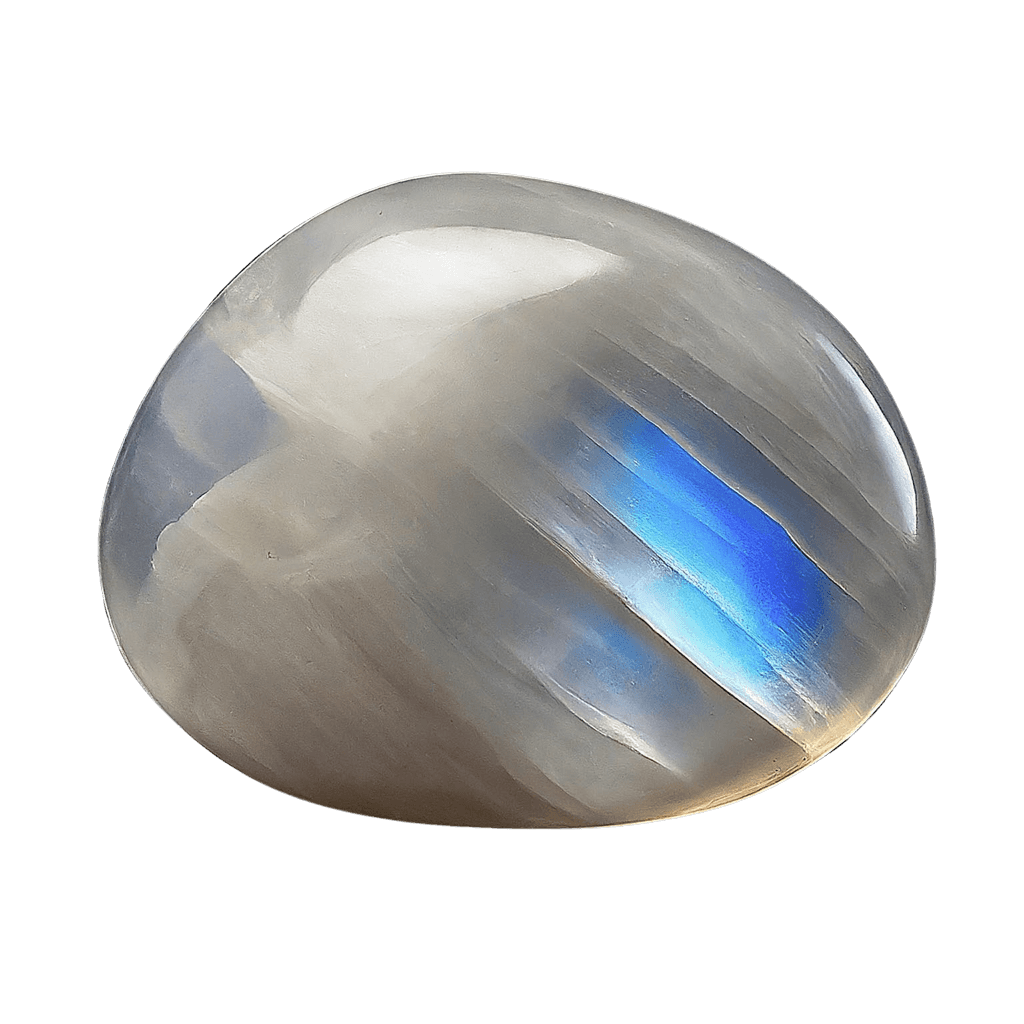
Moonstone is the adularescent variety of orthoclase feldspar, built from alternating microscopic layers of orthoclase and albite that scatter light into a floating blue-white glow. The name of that glow, adularescence, comes from adularia, the old Swiss Alps name for the species, and Sri Lanka supplies the finest blue-sheen stones.
Moonstone measures 6 on the Mohs scale and shows white, cream, or peach coloring. In the catalog it stands with the contemplative stones, the ones taken up in stillness when intuition, calm, and self-love are the work.
The stone connects primarily to the Sacral (Svadhisthana) and Third Eye (Ajna) chakras, carrying Water energy. Sources include Sri Lanka, India, and Myanmar; deposit matters more than beginners expect, and collectors learn to recognize where a piece of Moonstone was mined by its color depth and pattern.
Moonstone flashes with an inner light called adularescence, that ethereal blue glow that moves as you turn it. This is the stone of cycles and transitions, traditionally carried by travelers for safe passage. Hold it during the full moon and notice how it seems to pulse with lunar energy.
Also catalogued as Traveler's Stone and Stone of New Beginnings, whether it is your first stone or your fiftieth, Moonstone tends to find its role quickly, and intuition is the natural place to begin.
3 stones are catalogued under the moonstone name, each with its own entry: Garnierite (Green Moonstone), Blue Moonstone, Rainbow Moonstone.
History and Mythology
Moonstone's glow has a postal address: the term adularescence descends from adularia, the name miners gave fine feldspar from the old Adula massif region of the Swiss Alps. The glow itself is architecture. As moonstone cools, it separates into alternating layers of orthoclase and albite feldspar; where those layers approach the wavelength of light, scattering sends a blue-white billow rolling beneath the surface. Sri Lanka's gem gravels have supplied the finest blue-sheen stones for centuries. Around 1900 moonstone became a signature gem of Art Nouveau, set by Rene Lalique into enameled dragonflies and winged maidens that now live in museum collections. The strangest chapter is American: in 1970 Florida adopted moonstone as its official state gem to honor the Apollo 11 astronauts who had launched from its coast, cheerfully undeterred by geology, since no moonstone has ever been found on the moon, and none occurs naturally in Florida either. Roll one slowly under a lamp and the glow travels with your hand, moonrise crossing water.
Moonstone Meaning and Metaphysical Properties
First Touch
Moonstone meets the hand cool and composed: at Mohs 6 it takes a glass-bright polish, and that first chill lingers a while before your warmth wins. Let the eyes rest shut while you make first contact; contemplative stones tend to speak in pictures and half-formed thoughts, and those need stillness to surface.
Primary Properties
Stillness is the condition for everything on the Moonstone list: intuition, calm, self-love, and spiritual awakening. These qualities belong to the contemplative family and surface where attention is unpressed, the morning sit, the dream journal, the silence before the house wakes. Give the stone a seat in that part of your life, not a place in your rush.
How Crystal Energy Works
Moonstone is a Sacral-center stone in the traditional map, keyed to the body's creative water and appetite, and intuition is the work it is handed there. Warm, low, unfussy practice suits it best, carried at the hip, kept within reach through ordinary hours, with intuition, calm, and self-love spoken plainly. Judy Hall classes the contemplative stones with the third eye and crown and gives the whole family one instruction: seated work, short sessions, no forcing.
Amplification Through Intention
The Water designation on Moonstone is permission to go slowly; this element does its intuition work through feeling rather than effort. Hold the stone when emotions need room, not fixing.
Healing Benefits
Emotional Support
Emotionally, Moonstone is associated with intuition, calm, and self-love, the states that need quiet to surface. It suits the processing hours, journaling, sitting, walking without headphones, when feelings need room rather than fixing. Tradition, not treatment: intuition work with a stone sits beside professional support, never in place of it.
Spiritual Connection
Tradition reserves Moonstone for the practices built around listening, sitting meditation, the morning dream log, silence held long enough for inner counsel to become audible. Expect no answers from the stone itself; expect it to keep you seated while the forming ones finish.
Physical Presence
Tradition pairs Water stones like Moonstone with the body's tides: rest, hydration, the wind-down hour that makes room for intuition. Let it sit on the night table as a cue for the evening glass of water and the earlier lights-out; gentle cues, never medicine.
Chakra Connection
Moonstone resonates most strongly with the Sacral (Svadhisthana), the energy center traditionally drawn in orange and the traditional seat of this stone's intuition work. When this center runs clear, the classical markers are creativity, pleasure, and emotional fluidity; intuition, calm, and self-love are what Moonstone is most often asked to bring to it.
Carry it at hip level, a front pocket works fine, and give Moonstone a deliberate touch whenever intuition is the task at hand; sacral stones respond to rhythm more than ceremony.
Because Moonstone is also associated with the Third Eye (Ajna), it moves well in multi-stone layouts: one stone, two stations, worked on different days.
Zodiac and Astrological Connection
Moonstone appears under Cancer ♋ (Jun 21 to Jul 22) in the standard correspondence tables; if those signs are loud in your chart, expect the introduction to feel familiar.
Correspondence is a suggestion, not a bouncer; plenty of devoted Moonstone keepers have no Cancer in their chart at all, and being drawn to the stone is the credential that matters.
In the planetary layer of the system, Moon 🌙 holds the rulership, and that planet's prominent transits are the traditional windows for deeper intuition work with Moonstone.
How to Use Moonstone
These are the five ways of working with Moonstone I suggest most often. Begin wherever your attention goes first; the sequence matters far less than starting.
- 1
Meditation Hold
Begin the sit with Moonstone against the skin and use its coolness as the focus; at Mohs 6 it holds that freshness for a while before giving in to body heat.
- 2
Body Placement
The chakra charts drew the Sacral center low in the belly, and Moonstone was rested there during reclining practice. Let the breath travel downward toward the stone if it wants to, and notice how slowly the stone takes your warmth. Practitioners in this lineage attach intuition to the position.
- 3
Sleep Companion
Moonstone can still earn the nightstand even though its brief is intuition rather than rest: setting the stone down as you set the day down marks the switch from doing to sleeping.
- 4
Carry With You
On decision days, Moonstone rides along as a checkpoint: whenever the inner monologue starts quoting other people, one touch redirects the consultation to your own intuition.
- 5
Crystal Grid Anchor
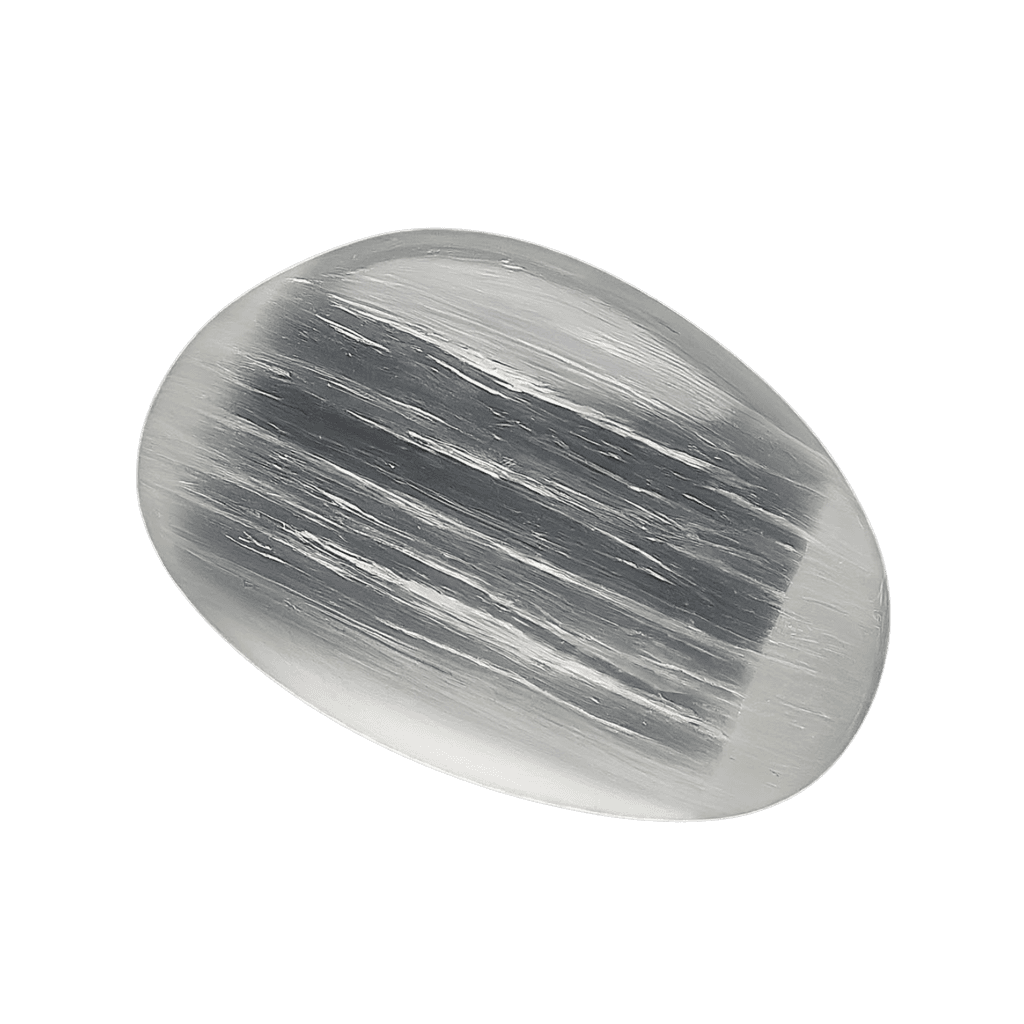
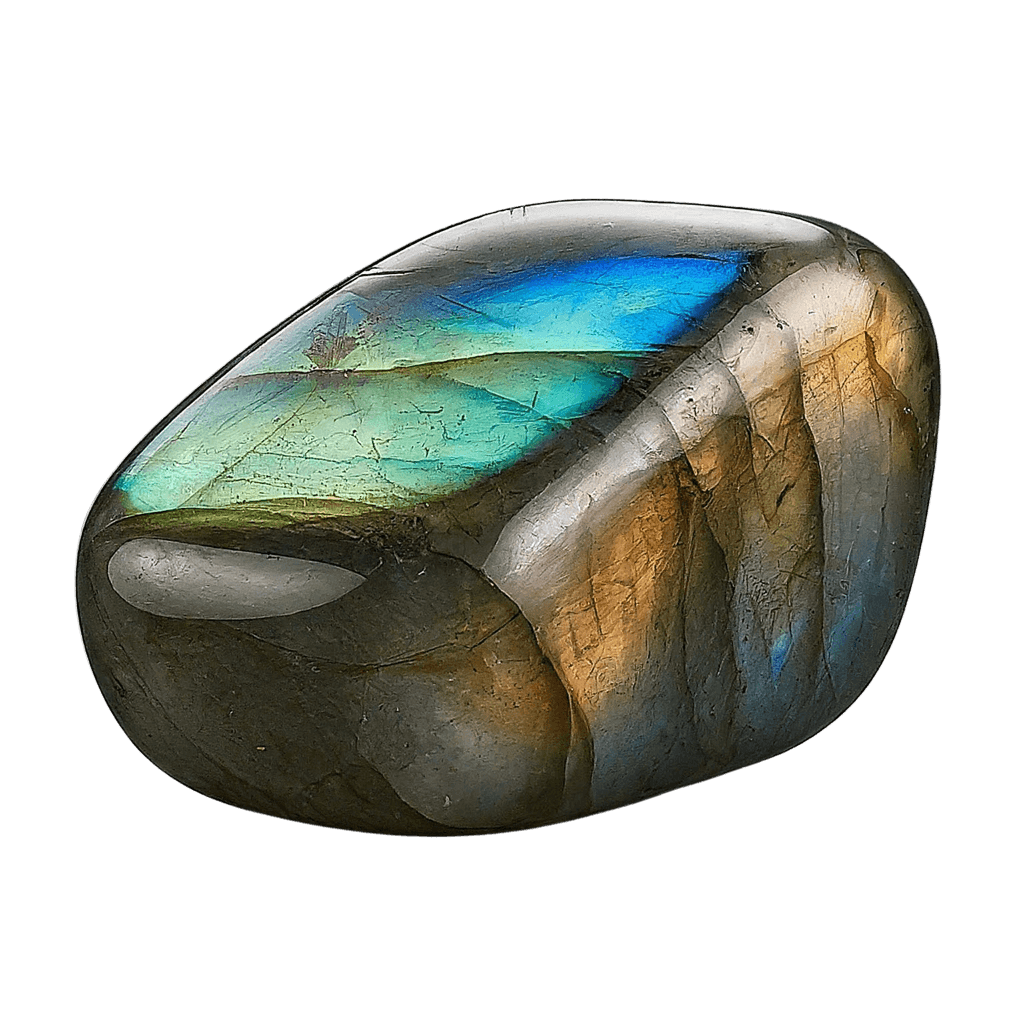
For grid work, give Moonstone the anchor position and run Selenite and Labradorite on the outer points, all matched to a single intuition intention. Rebuild it when it goes stale; a intuition grid you have stopped seeing has stopped working.
How to Cleanse and Charge
A worked stone needs clearing, and Moonstone is no exception; practitioners describe an uncleansed crystal as muffled, present but quieter than it should be. For the full safety profile and the cadence I recommend, see the dedicated Moonstone care guide.
- 1
Moonlight
Once a month, let Moonstone sit overnight in moonlight, on the full moon if you can manage it. Nothing in the cabinet is harmed by this method, which is why it anchors most cleansing routines.
- 2
Selenite
Keep a selenite dish where you empty your pockets and drop Moonstone there at day's end; the resting place does the cleansing while you sleep.
- 3
Sound
A minute inside strong, sustained tone, bowl, chime, even a steady hum, resets Moonstone without physical risk, which makes sound the safest deep cleanse for fragile stones.
- 4
Sage
Smoke-cleanse Moonstone: light the sage, let it settle to a smolder, and move the stone through the rising smoke until your sense of it lightens, usually under a minute.
How often to cleanse
Monthly is the floor for Moonstone; step the cadence up whenever the stone is in daily rotation or the season is emotionally loud. With practice you will feel the tell yourself, a worked stone reads heavier and flatter in the palm.
Charging after cleansing
Once it is cleansed, recharge Moonstone by placing it in morning sunlight for 30 minutes; cleansing empties the stone, charging refills it.
The Crystal Starter Library
A free guide from Crystal Cassandra: the twelve stones that cover almost everything, a one page care matrix for water, sun and salt, and how to build a first intention practice.
We respect your inbox. Unsubscribe anytime.
Crystal Pairings
Keep the company around Moonstone subtle: its traditional partners are the ones that thicken quiet instead of breaking it. These combinations belong to the meditation room, where stillness and intuition set the agenda. One new stone per week is plenty, and your own sits are the judges.
Moonstone and Tarot
In my practice, certain tarot archetypes ask for Moonstone on the altar, the stone and the card mirror each other’s energy.
Tarot Companion
The High Priestess
Major Arcana · Card 2
Moonstone is the stone of the divine feminine, and the High Priestess is its archetypal echo in the tarot, both attend the lunar, intuitive currents.
Read the The High Priestess card meaning →
Tarot Companion
The Moon
Major Arcana · Card 18
The card and the stone share a name and a lineage: both move with the tides of dream, cycle, and what cannot quite be seen by daylight.
Read the The Moon card meaning →
Featured in Tarot
Moonstone appears as the crystal pairing for 4 cards in our tarot guide, hold the stone while you draw or study these archetypes.
Buying Moonstone: Price, Quality, and Jewelry
One property prices the moonstone meaning of intuition and new beginnings: the glow. Grade on body transparency, the blueness of the sheen, and how cleanly that sheen rolls when you tilt the stone; near-colorless bodies with strong blue adularescence, mostly Sri Lankan, hold the top of the market. Expect $12 to $28 for quality tumbled stones and modest cabochons, with fine blue-flash gems climbing well beyond. Two honesty checks protect your budget. 'Rainbow moonstone', the white stone with multicolor flash, is technically a white labradorite, beautiful but a different feldspar, and priced on its own terms. If the multicolor flash is what you love, buy it happily as rainbow moonstone; just check that the listing names labradorite somewhere, since honest dealers label the species even when the trade name sells the romance. And opalite, the milky man-made glass often labeled moonstone, glows the same from every angle, while genuine moonstone's shimmer moves, narrows, and dies as the angle changes. At Mohs 6 with easy cleavage, moonstone favors pendants and earrings over daily rings; June birthdays claim it beside pearl.
How to Spot Real vs Fake Moonstone
Imitations of Moonstone exist because demand does. A few hands-on checks separate genuine white material from glass, resin, and dye:
Temperature: genuine Moonstone feels distinctly cool at first touch and gives that coolness up slowly; resin copies feel warm almost immediately, which is the quickest tell there is.
Weight and density: resin fakes run light for their size, while genuine Moonstone at Mohs 6 carries honest mineral density; weigh it in the palm against any real tumbled stone you own.
Color: expect white, cream, or peach with honest variation, banding, zoning, the odd inclusion; a batch where every stone matches exactly came out of a factory, not the ground.
Price: expect $12 to $28 for a decent tumbled or palm piece of Moonstone; dramatic discounts mean dye, resin, or mislabeling more often than they mean luck.
Trust your source: buy Moonstone from sellers who can name the mine or region behind their white stock and who disclose treatments without being chased. A seller who volunteers that information before you ask is the one worth returning to.
Sourcing
Buying Moonstone well
The CrystalStones.com crystal store is not open yet, so we do not sell Moonstone here. What we can give you is the part that matters most: how to tell a genuine piece from a treated or dyed one, and how to care for it once it is yours.
Frequently Asked Questions
What is Moonstone good for?
Moonstone is traditionally associated with intuition, calm, self-love, and spiritual awakening. Many people find it supportive for intuition and for working with the Sacral and Third Eye chakras.
Can Moonstone go in water?
It can. Moonstone handles brief water contact without trouble at Mohs 6, and a short rinse under cool water makes a sound regular cleanse. Pat it dry when you finish and avoid leaving it submerged overnight.
Can Moonstone be in the sun?
Yes, Moonstone can sit in sunlight safely; its white coloring holds up, and thirty minutes of morning sun is the traditional charge.
What chakra is Moonstone?
Moonstone is primarily associated with the Sacral (Svadhisthana) and Third Eye (Ajna) chakras. Keep it at the sacral seat while lying down, or carry it at hip level; that station is where tradition aims its intuition work.
What zodiac sign is Moonstone for?
Moonstone is traditionally connected to Cancer. If your signs differ, work with Moonstone anyway; resonance in the hand outranks resonance on paper in every practical tradition.
How do I cleanse Moonstone?
Stick to Moonlight, Selenite, and Sound for Moonstone; those are the methods its care profile recommends. A quick rinse remains an option at Mohs 6, but the listed methods are the ones that should carry the regular routine.
Is Moonstone real or fake, how can I tell?
Genuine Moonstone feels cool at first touch and warms slowly; at Mohs 6 it also resists the pocket scratches that mark softer fakes. Expect natural variation in its white coloring and a price near $12 to $28 for tumbled pieces; uniform color at a bargain price is the classic warning sign.
Is rainbow moonstone the same as moonstone?
Rainbow moonstone is not classical moonstone: it is a white labradorite, the plagioclase feldspar that sits at Mohs 6 to 6.5, while classical moonstone is orthoclase. Rainbow moonstone flashes many colors at once, while classical moonstone shows a single rolling blue-white glow. Both are genuine natural feldspars that wear beautifully in jewelry; they are simply different species, graded and priced on their own terms.
Is moonstone treated or enhanced?
Moonstone is usually sold untreated. Its glow, the optical effect named adularescence, comes from microscopic orthoclase and albite exsolution layers that no growth process reproduces, which is a fact about synthesis and not about treatment. Two treatments do reach the market: white material coated or dark-backed to strengthen the flash and sold as rainbow moonstone, and grey moonstone dyed to deepen its body color.
What is the difference between moonstone and opalite?
Opalite sold in the crystal trade is manufactured opalescent glass, while moonstone is natural orthoclase feldspar, so the resemblance stops at the milky glow. A 10x loupe settles it in seconds: melted glass carries round gas bubbles and swirled flow lines, and natural feldspar carries neither. Opalite must be sold as glass.
Why does my moonstone only glow from certain angles?
Moonstone glows from certain angles only because adularescence is a directional scattering effect rather than a fixed surface color. Alternating orthoclase and albite layers inside the stone approach the wavelength of visible light, roughly 400 to 700 nanometers, and they throw that blue-white billow out in a narrow cone. A cutter orients the dome to catch it, so a poorly oriented cabochon looks milky and flat. Tilt the stone slowly under one lamp and watch the sheen travel.
What’s Next?
A few thoughtful next steps if Moonstone is calling to you.
Explore More Tools
Crystal Quiz
Discover which crystal matches your energy right now.
Open →Chakra Test
Find which chakras need attention and the crystals to balance them.
Open →Crystal Cleansing Guide
Learn how to safely cleanse and charge your crystals.
Open →Crystals by Intention
Find the perfect crystal for what you need right now.
Open →