Quick Answer
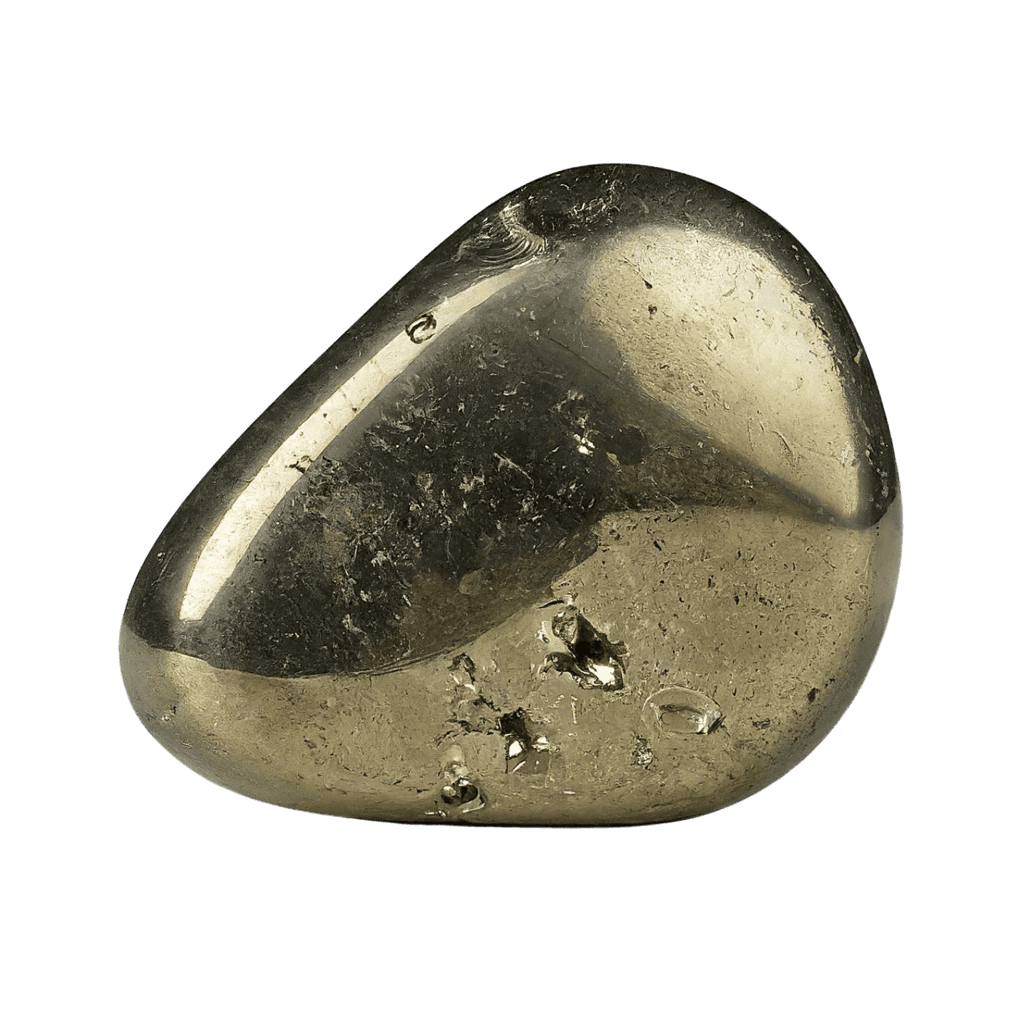
Pyrite is a metallic gold crystal used in modern crystal healing for abundance, manifestation, and confidence. It measures 6 on the Mohs hardness scale and typically costs $10 to $25 for a tumbled stone. In the chakra tradition, Pyrite is associated with the Solar Plexus chakra.
Worth knowing: Around 1500 the wheellock, a mechanism drawn in Leonardo da Vinci's notebooks, made pyrite the stone that fired Europe's first self-igniting guns by spinning a steel wheel against it.
“A golden metallic stone of abundance, willpower, and confident manifestation.”
- Chakra
- Solar Plexus (Manipura)
- Zodiac
- Leo ♌
- Element
- Fire 🔥
- Planet
- Mars ♂
- Hardness
- 6 / 10 (Mohs)
- Colors
- Metallic gold, Brass, Golden
- Origin
- Spain, Peru, USA
- Availability
- Not sold here yet
Care + Safety
Pyrite at a glance
- Water: avoid, may damage or leach
- Sun: tolerates sunlight charging
- Mohs hardness: 6 (occasional wear only)
What is Pyrite?
Pyrite is iron disulfide, the brassy metallic mineral whose Greek name pyrites lithos means stone that strikes fire, for the sparks it throws against steel. It crystallizes in cubes, octahedra, and striated pyritohedrons, and its resemblance to gold earned it history's most famous mineral insult: fool's gold.
Pyrite measures 6 on the Mohs scale and shows metallic gold, brass, or golden coloring. It is grouped with the prosperity stones and put to work on abundance, manifestation, and confidence, always alongside real-world follow-through.
The stone connects primarily to the Solar Plexus (Manipura) chakra, carrying Fire energy. Sources include Spain, Peru, and USA; deposit matters more than beginners expect, and collectors learn to recognize where a piece of Pyrite was mined by its color depth and pattern.
Pyrite's golden shimmer is earned, this is iron sulfide, heavy and grounding despite its flashy appearance. Place it in the wealth corner of your desk and notice how it anchors your intentions. This stone reminds you that real abundance comes from discipline, not luck.
Also catalogued as Fool's Gold and Abundance Stone, Pyrite earns its place in a working collection by being usable: start with abundance, the job it is best known for, and let the stone widen its own brief from there.
History and Mythology
Pyrite is the only stone in this encyclopedia that has served as a weapons system. Its Greek name means stone that strikes fire, and around 1500 German gunsmiths built that property into the wheellock, the first self-igniting firearm: a spring-driven steel wheel spun against a clamped pyrite, showering sparks into the powder pan, a mechanism that appears in Leonardo da Vinci's notebooks. For a century pyrite literally pulled the trigger of European history. The fool's gold story is kinder than its name; gold rush prospectors learned the differences quickly, because pyrite is brittle and light where gold is soft and heavy, and the joke loops back on itself, since some pyrite ores carry real, invisible gold in their crystal lattice and are mined for it today. Nature added a flourish at Navajun in Spain's La Rioja, where marl beds yield pyrite cubes so geometrically perfect that museums reassure visitors no machine touched them. Turn a cube under light and find the fine parallel striations on its faces; that is nature's own signature.
Pyrite Meaning and Metaphysical Properties
First Touch
The first touch of Pyrite is cooler than you expect, and the metallic gold polish is slick as bottle glass. Mohs 6 stones hold their temperature, and that slow warming is part of their character. It is also conspicuously heavy for its size, the honest density of a metal-rich mineral. Track where your mind travels in the first minute; with prosperity stones it tends to land on the next doable step instead of the fantasy.
Primary Properties
Prosperity work is where the Pyrite property list lives: abundance, manifestation, confidence, and vitality. Tradition frames every entry as support for spotting the opening and doing the work, never as a coupon for luck. Give the stone one specific goal; vague wishes give it nothing to mark.
How Crystal Energy Works
Tradition gives Pyrite to the Solar Plexus, the yellow center of will at the upper belly, and asks it mainly for abundance. Work here happens before the test rather than during it; take the stone in hand ahead of the moment, with abundance, manifestation, and confidence as the point of aim. Across Melody's Love Is in the Earth and Hall's Crystal Bible alike, the prosperity family is written up as intention-and-effort work rather than windfall, and that framing is the one kept here.
Amplification Through Intention
Fire-element stones like Pyrite are read as accelerants for an intention such as abundance. The tradition says to give them one clear assignment and to revisit it often rather than setting and forgetting.
Healing Benefits
Emotional Support
The emotional work of Pyrite happens underneath abundance, manifestation, and confidence, down where the scarcity stories and the deserving question live. Take it in hand and say aloud one thing you are prepared to receive; the words do the work, and the stone is the reason the words happen. Tradition, not treatment: abundance work with a stone sits beside professional support, never in place of it.
Spiritual Connection
Gratitude is the spiritual engine of the prosperity family, and Pyrite is traditionally the stone that holds the daily practice of naming what is already sufficient. Without that naming, the old caution goes, the whole pursuit curdles into appetite.
Physical Presence
Physically, Pyrite is the kind of stone tradition pairs with movement: pocket it for the workout, the cold start, the task that needs momentum toward abundance. What it reliably does is remind the body it has your attention, which is worth more than it sounds and replaces no medical care at all.
Chakra Connection
Pyrite resonates most strongly with the Solar Plexus (Manipura), the energy center traditionally drawn in yellow and the traditional seat of this stone's abundance work. When this center runs clear, the classical markers are self-trust, decisiveness, and a will that knows its own direction; abundance, manifestation, and confidence are what Pyrite is most often asked to bring to it.
Lie down with Pyrite at the solar plexus, the will's furnace, and let the belly rise into it without keeping score; that station is the traditional seat of abundance work.
Zodiac and Astrological Connection
Pyrite appears under Leo ♌ (Jul 23 to Aug 22) in the standard correspondence tables; if those signs are loud in your chart, expect the introduction to feel familiar.
Correspondence is a suggestion, not a bouncer; plenty of devoted Pyrite keepers have no Leo in their chart at all, and being drawn to the stone is the credential that matters.
The assigned ruler is Mars ♂; in practice that means Pyrite comes out when that planet is prominent in the sky or in your chart, and abundance is the work it is handed.
How to Use Pyrite
Five practices suit Pyrite especially well. Pick the one that fits the day you are actually having rather than the routine you think you should have.
- 1
Meditation Hold
Take up Pyrite and register the first cool touch; a glassy stone at Mohs 6 warms slowly, and tracking that gradual change is a meditation in itself.
- 2
Body Placement
The Solar Plexus was drawn at the midline high in the belly, and Pyrite takes that position in a reclining session. What the tradition hands down is not a count but a quality: unhurried, unforced, finished before it turns into effort. What it is aimed at, in the old language, is abundance.
- 3
Sleep Companion
At night, park Pyrite on the nightstand rather than working it; its job is the day's abundance, and ending the day cleanly is how tomorrow's session starts well.
- 4
Carry With You
Keep Pyrite with your working tools, the wallet, the laptop bag, the order book, and let each accidental touch re-ask the question that drives abundance: what is the next concrete step?
- 5
Crystal Grid Anchor
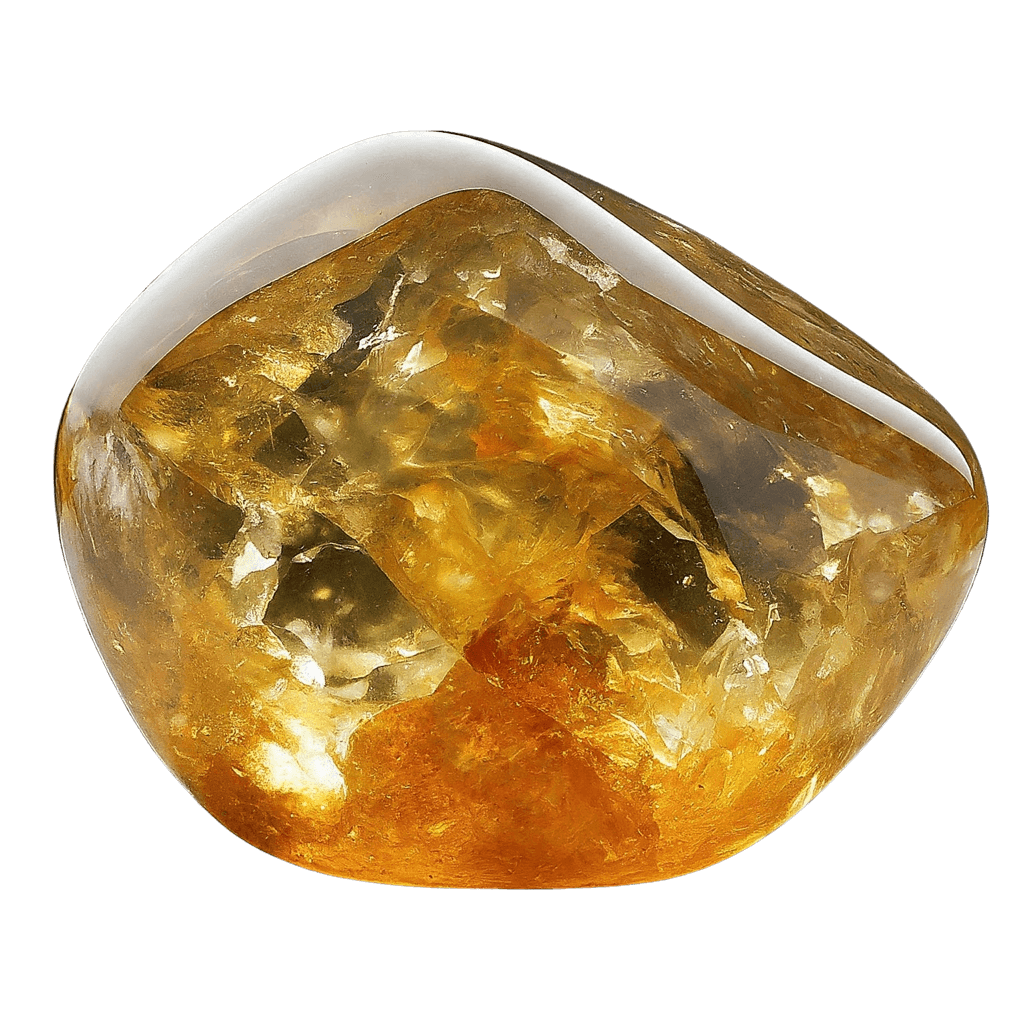
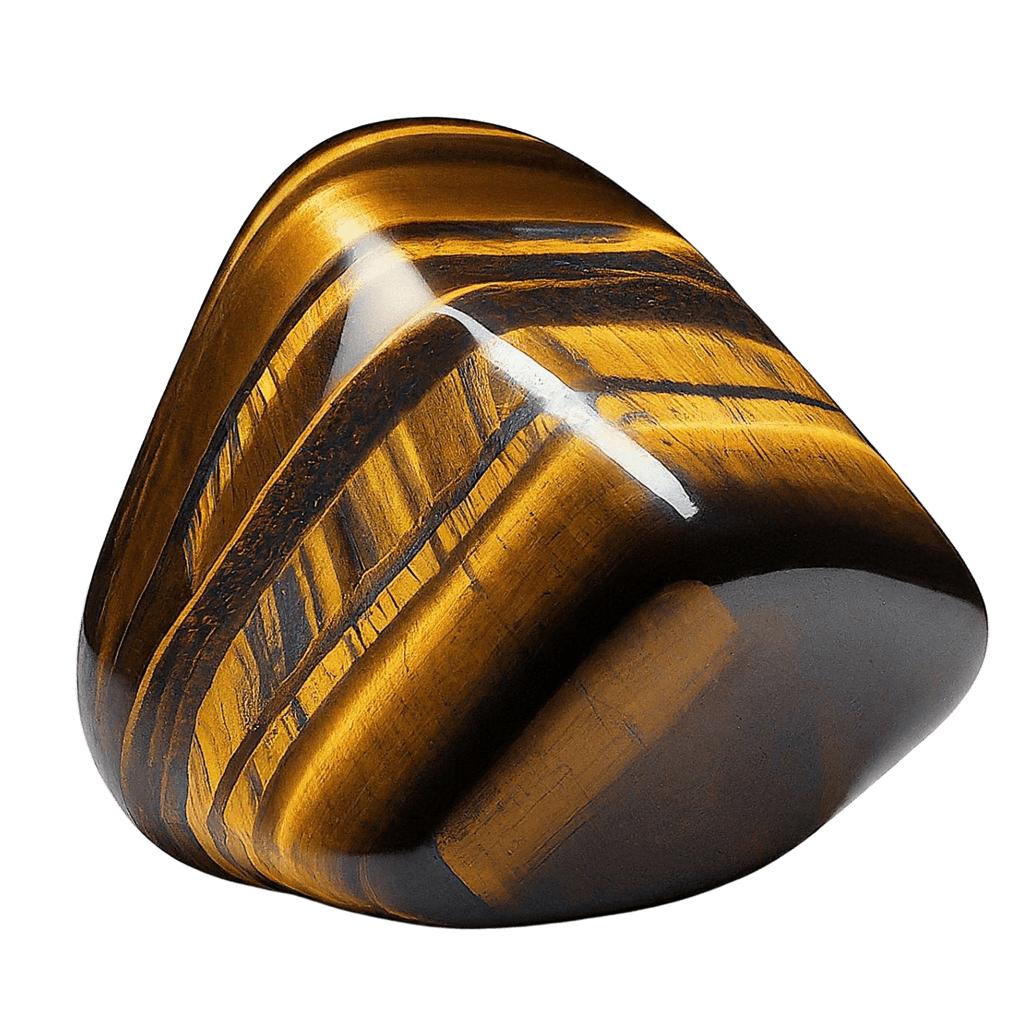
Use Pyrite as the heart of a small grid for abundance, with Citrine and Tigers Eye alternating on the spokes. Place the stones slowly and set the last one down with the abundance intention named out loud.
How to Cleanse and Charge
Keeping Pyrite energetically clear is essential, a crystal that's holding too much absorbed energy becomes less effective, like a sponge that's full. For the full water-safe / sun-safe / salt-safe profile, the recommended cleansing cadence, and the hands-on storage instructions I give my clients, see the dedicated Pyrite care guide.
- 1
Sage
For a deeper reset, hold Pyrite in sage smoke and name out loud what the stone has been carrying; the naming is half the cleanse.
- 2
Selenite
Lay Pyrite on a selenite plate or alongside a selenite wand overnight; selenite is the tradition's self-cleaning shelf, no effort, no risk to the stone.
- 3
Sound
A minute inside strong, sustained tone, bowl, chime, even a steady hum, resets Pyrite without physical risk, which makes sound the safest deep cleanse for fragile stones.
- 4
Brown Rice
Bury Pyrite in a bowl of uncooked brown rice for twenty-four hours and discard the rice afterward; it is the tradition's gentle stand-in for salt with delicate stones.
How often to cleanse
Give Pyrite a clearing at least every month, and sooner after hard weeks or heavy daily use. The stone will teach you its own signal in time; most people describe it as dullness, weight, or a sense the stone has gone quiet.
Charging after cleansing
After cleansing, charge Pyrite by placing it in morning sunlight for 30 minutes. This restores its energetic vitality.
The Crystal Starter Library
A free guide from Crystal Cassandra: the twelve stones that cover almost everything, a one page care matrix for water, sun and salt, and how to build a first intention practice.
We respect your inbox. Unsubscribe anytime.
Crystal Pairings
Blind spots decide the pairings for Pyrite: vision needs ground under it, ambition needs heart beside it. Each traditional partner supplies one of those counterweights to the abundance effort. Station the pair at the desk or workbench, anywhere but a drawer.
Pyrite and Tarot
Featured in Tarot
Pyrite appears as the crystal pairing for 2 cards in our tarot guide, hold the stone while you draw or study these archetypes.
Buying Pyrite: Price, Quality, and Jewelry
The pyrite meaning of abundance has honest geology behind it, because the mineral grew wherever iron met sulfur: expect $5 to $15 for tumbled stones and small clusters, $20 to $60 for cabinet specimens, and a premium for the famous natural cubes of Navajun, Spain. Grade on luster and crystal form; bright brassy faces with sharp edges outrank dull brownish material, which may already be oxidizing. Honesty notes: 'healer's gold' is pyrite intergrown with magnetite, attractive but a different material, and gilded resin fakes at tourist stalls are exposed instantly by pyrite's surprising weight. Keep pyrite dry; in humid air some specimens tarnish or, at worst, crumble through the decay collectors call pyrite disease, so store prized pieces with silica gel. At Mohs 6 to 6.5 it tolerates handling but is brittle, shedding corners when dropped, and it is best kept as the pocket and desk stone it has always been.
How to Spot Real vs Fake Pyrite
The market in Pyrite has grown faster than its honesty, and metallic gold pieces are easy to imitate on a screen. Here is how to check one before you pay for it:
Temperature: genuine Pyrite feels distinctly cool at first touch and gives that coolness up slowly; resin copies feel warm almost immediately, which is the quickest tell there is.
Weight: heft is non-negotiable with Pyrite; the real stone carries metal-rich density, and imitations almost always run light.
Color and pattern: the real range is metallic gold, brass, or golden; treat neon saturation or flawless uniformity as a question for the seller, because nature rarely manages either.
Price reality: the fair range for Pyrite sits near $10 to $25 at palm size; below that, assume treatment or imitation until the seller proves otherwise.
Trust your source: buy Pyrite from sellers who can name the mine or region behind their metallic gold stock and who disclose treatments without being chased. A seller who volunteers that information before you ask is the one worth returning to.
Sourcing
Buying Pyrite well
The CrystalStones.com crystal store is not open yet, so we do not sell Pyrite here. What we can give you is the part that matters most: how to tell a genuine piece from a treated or dyed one, and how to care for it once it is yours.
Frequently Asked Questions
What is Pyrite good for?
Pyrite is traditionally associated with abundance, manifestation, confidence, and vitality. Many people find it supportive for abundance and for working with the Solar Plexus chakra.
Can Pyrite go in water?
No. Pyrite should stay dry; cleanse it with Sage, Selenite, and Sound instead, and keep every wet method off the table.
Can Pyrite be in the sun?
Yes. Pyrite is one of the sun-tolerant stones, so use morning light freely to charge the metallic gold material; just bring it in rather than leaving it out for whole days at a time.
What chakra is Pyrite?
Pyrite is primarily associated with the Solar Plexus (Manipura) chakra. During placement practice it takes the solar plexus station; tradition treats that as the working seat for abundance.
What zodiac sign is Pyrite for?
Pyrite is traditionally connected to Leo. If your signs differ, work with Pyrite anyway; resonance in the hand outranks resonance on paper in every practical tradition.
How do I cleanse Pyrite?
The best methods for Pyrite are Sage, Selenite, and Sound. NEVER use water, pyrite rusts and can release sulfur compounds. Keep completely dry.
Is Pyrite real or fake, how can I tell?
Genuine Pyrite feels cool at first touch and warms slowly; at Mohs 6 it also resists the pocket scratches that mark softer fakes. Expect natural variation in its metallic gold coloring and a price near $10 to $25 for tumbled pieces; uniform color at a bargain price is the classic warning sign.
Sources and further reading
What’s Next?
A few thoughtful next steps if Pyrite is calling to you.
Explore More Tools
Crystal Quiz
Discover which crystal matches your energy right now.
Open →Chakra Test
Find which chakras need attention and the crystals to balance them.
Open →Crystal Cleansing Guide
Learn how to safely cleanse and charge your crystals.
Open →Crystals by Intention
Find the perfect crystal for what you need right now.
Open →