Quick Answer
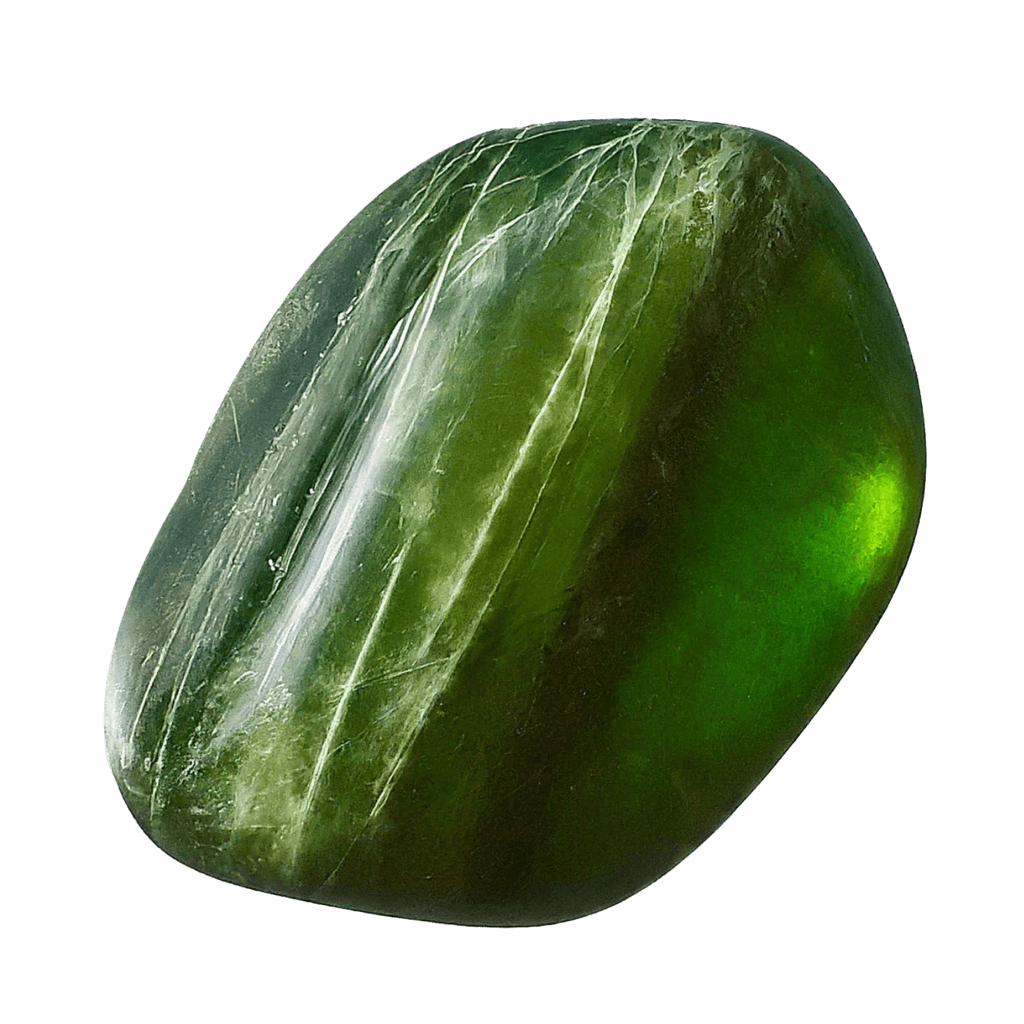
Kornerupine is a green crystal used in modern crystal healing for focus, communication, and clarity. It measures 6.75 on the Mohs hardness scale and typically costs $30 to $120 for a tumbled stone. In the chakra tradition, Kornerupine is associated with the Throat, Heart, and Third Eye chakras.
Worth knowing: The mineral memorializes Danish geologist Andreas Kornerup, who mapped Greenland on pioneering expeditions and died in 1881 at age twenty-four, three years before the species honoring him was described.
“A rare green to brown boron-magnesium silicate of teacher's wisdom and steady learning.”
- Chakra
- Throat (Vishuddha), Heart (Anahata), Third Eye (Ajna)
- Zodiac
- Virgo ♍, Sagittarius ♐
- Element
- Earth 🌍, Air 💨
- Planet
- Mercury ☿
- Hardness
- 6.75 / 10 (Mohs)
- Colors
- Green, Brown, Yellow
- Origin
- Madagascar, Sri Lanka, Greenland
- Availability
- Not sold here yet
Care + Safety
Kornerupine at a glance
- Water: brief rinse safe
- Sun: tolerates sunlight charging
- Mohs hardness: 6.75 (occasional wear only)
What is Kornerupine?
Kornerupine is a scarce boron-bearing magnesium aluminum silicate, first described in 1884 from Fiskenaesset, Greenland, and later recovered as waterworn gem pebbles from the gravels of Sri Lanka, Madagascar, and East Africa. It is strongly pleochroic, so a single crystal can look green from one direction and yellowish or reddish brown from another.
Kornerupine measures 6.75 on the Mohs scale and shows green, brown, or yellow coloring. It is a desk-and-conversation stone, catalogued for focus, communication, and clarity wherever fog needs to lift.
The stone connects primarily to the Throat (Vishuddha) and Heart (Anahata) and Third Eye (Ajna) chakras, carrying Earth and Air energy. Sources include Madagascar, Sri Lanka, and Greenland; deposit matters more than beginners expect, and collectors learn to recognize where a piece of Kornerupine was mined by its color depth and pattern.
Kornerupine is a rare gem mineral, often green, yellow, or brown, a complex boron and magnesium silicate. Hold this stone and notice an even, steady attentiveness, the quality of a patient student or teacher. The classical sources describe Kornerupine as a stone of clear teaching and steady learning.
Also catalogued as Prismatine, Kornerupine earns its place in a working collection by being usable: start with focus, the job it is best known for, and let the stone widen its own brief from there.
History and Mythology
There is no credible ancient chapter to tell about Kornerupine. The species was described by modern science, and its associations with focus were assigned by contemporary practitioners reading its color, structure, and feel. What the stone lacks in legend it makes up in geology, which asks for no embellishment; deposits worked today lie in Madagascar, Sri Lanka, and Greenland.
The correspondence tables used by today's practitioners assign Kornerupine to Virgo and Sagittarius under the rulership of Mercury ☿. In that system, work centered on focus is said to land best while those signs are in season.
Hold the two timescales side by side, centuries of human use at most against epochs of formation behind every Mohs 6.75 specimen of Kornerupine; the deep time is the one part no marketing can inflate.
Kornerupine Meaning and Metaphysical Properties
First Touch
Kornerupine announces itself through temperature: a cool, green, glass-polished weight at Mohs 6.75 that warms deliberately, not instantly, inside a closed palm. Notice the visual field; people working with the clarity stones often describe the room sharpening slightly, attention gathering to a point.
Primary Properties
Clear thinking is the thread tying the Kornerupine properties together: focus, communication, clarity, and meditation. The family earns its keep at the desk and in the hard talk, wherever language needs a clean runway. Set the stone out at the start of each session and put it away at the end; the repetition is the method.
How Crystal Energy Works
Tradition stations Kornerupine at the Throat, the narrow bridge where what you know becomes what you say, and focus is the load assigned to it. The classic session is small: hold the stone, speak one true thing about focus, communication, and clarity, and stop there. In Judy Hall's grouping the clarity family sits with the throat and brow centers, and her write-ups for it have the flavor of study aids, all focus, articulation, and honest speech.
Amplification Through Intention
Earth stones such as Kornerupine are traditionally treated as keel rather than sail; they hold a focus course. Give the assignment once, clearly, and then let routine carry it.
Healing Benefits
Emotional Support
Kornerupine steadies the emotional weather around focus, communication, and clarity. It suits the days when the thread keeps knotting, when what you feel is perfectly real and what to call it keeps escaping. Tradition, not treatment: focus work with a stone sits beside professional support, never in place of it.
Spiritual Connection
Truth-telling is the spiritual lane Kornerupine runs in: the unflinching journal, the conversation that finally happens. Tradition assigns it to the practices of honest seeing and honest saying, worked at the Throat center.
Physical Presence
Tradition reads Earth stones like Kornerupine through the soles of the feet: stance, weight, the felt fact of standing somewhere while you work on focus. Try standing barefoot with the stone in hand when the day goes abstract; the practice is awareness, not medicine.
Chakra Connection
Kornerupine resonates most strongly with the Throat (Vishuddha), the energy center traditionally drawn in blue and the traditional seat of this stone's focus work. When this center runs clear, the classical markers are clear communication and authentic self-expression; focus, communication, and clarity are what Kornerupine is most often asked to bring to it.
Worn short at the throat, or touched once before you speak, Kornerupine works the bridge between knowing and saying; small repeated contact serves focus better than one long session.
Because Kornerupine is also associated with the Heart (Anahata) and Third Eye (Ajna), it moves well in multi-stone layouts: one stone, two stations, worked on different days.
Zodiac and Astrological Connection
Astrological tradition links Kornerupine with Virgo ♍ (Aug 23 to Sep 22) and Sagittarius ♐ (Nov 22 to Dec 21), and practitioners often suggest the stone meets Virgo placements with the least friction.
None of this is exclusionary. If Kornerupine keeps catching your eye, that interest counts for more than whether Virgo appears anywhere in your chart.
Mercury ☿ rules Kornerupine in this tradition, so practitioners time their longer sessions to that planet's active periods, especially for focus.
How to Use Kornerupine
These are the five ways of working with Kornerupine I suggest most often. Begin wherever your attention goes first; the sequence matters far less than starting.
- 1
Meditation Hold
Begin the sit with Kornerupine against the skin and use its coolness as the focus; at Mohs 6.75 it holds that freshness for a while before giving in to body heat.
- 2
Body Placement
Set Kornerupine at the throat's lowest point while you lie back, and let the jaw go slack. Stay as long as staying is easy, and stop when it stops being easy, which is the only measure the old guidance offers. That low seat is the throat's traditional station, and the work assigned to it is focus.
- 3
Sleep Companion
Kornerupine can still earn the nightstand even though its brief is focus rather than rest: setting the stone down as you set the day down marks the switch from doing to sleeping.
- 4
Carry With You
Take Kornerupine into the marathon meetings and the stubborn drafts, and touch it deliberately whenever the thread knots; the two-second reset compounds, and in a few weeks it has become a working focus habit.
- 5
Crystal Grid Anchor
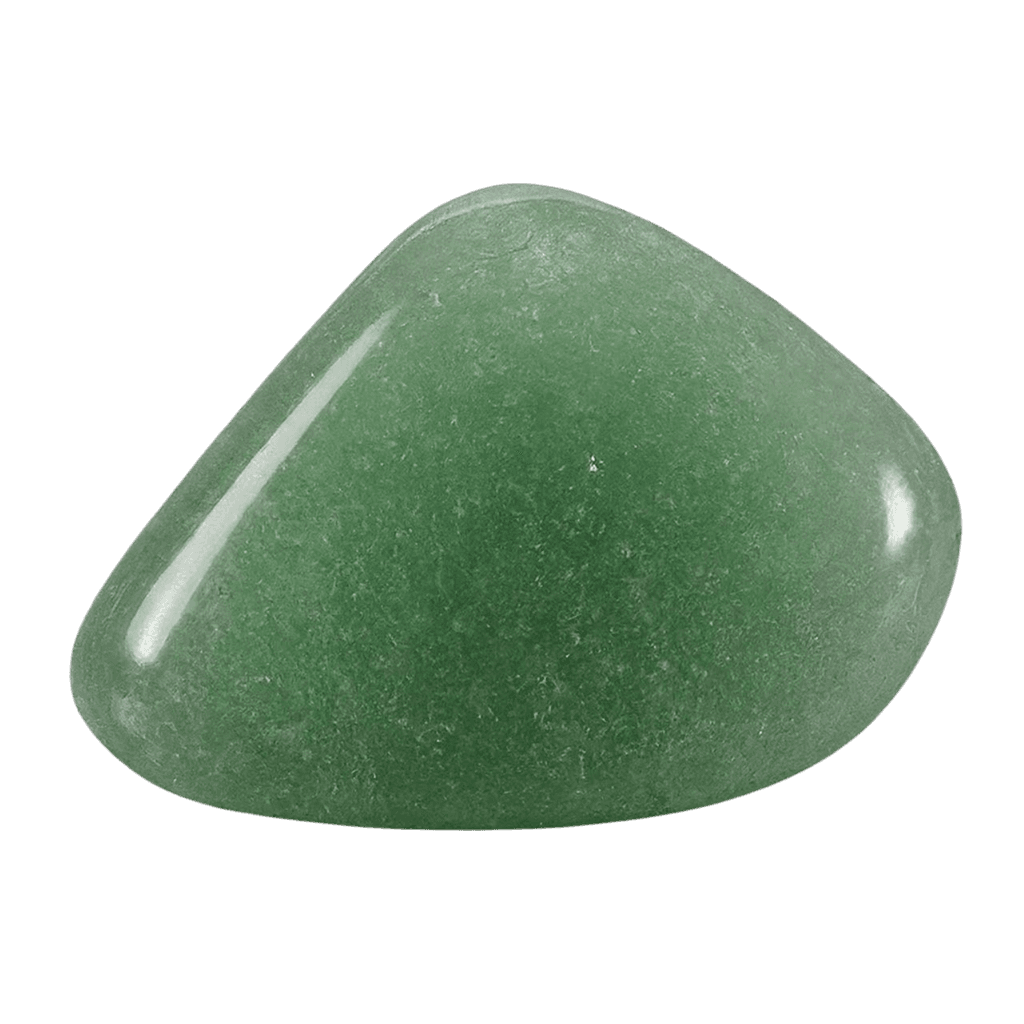
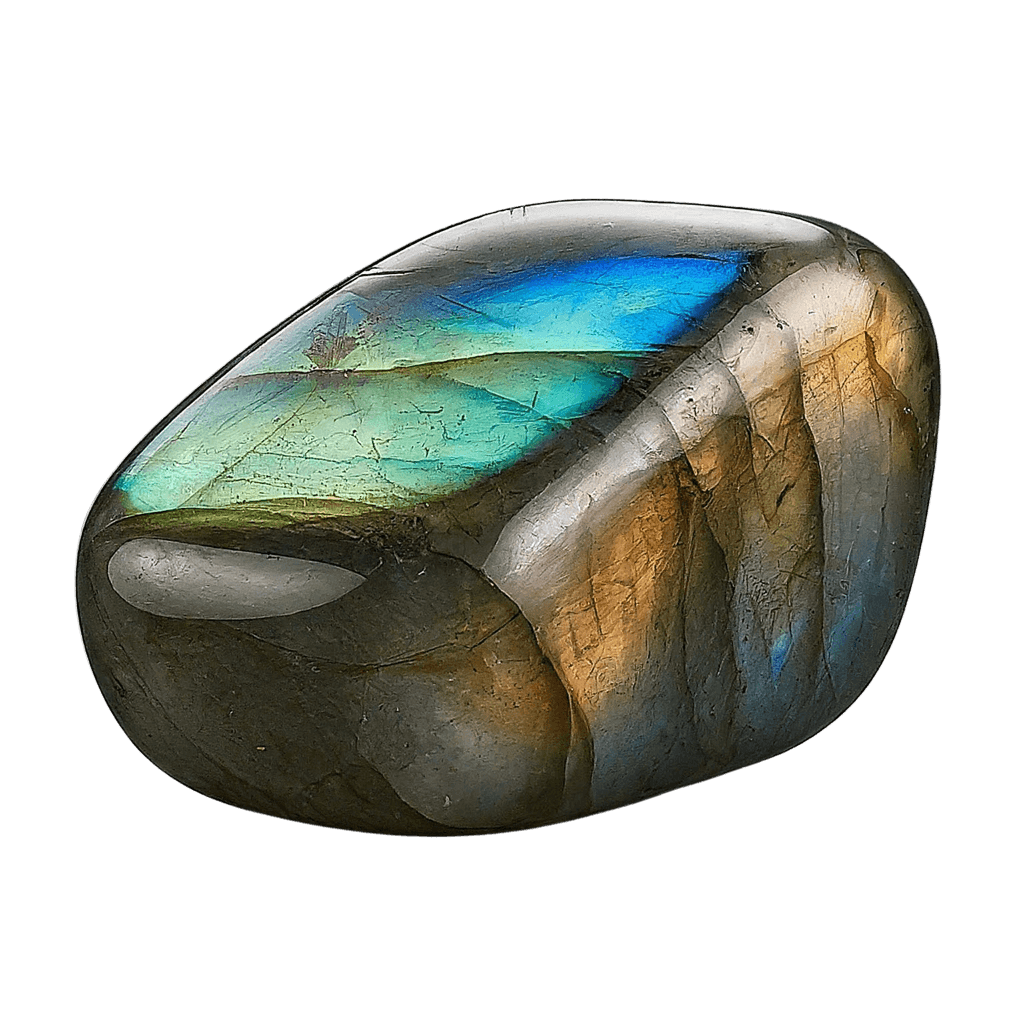
For grid work, give Kornerupine the anchor position and run Green Aventurine and Labradorite on the outer points, all matched to a single focus intention. Rebuild it when it goes stale; a focus grid you have stopped seeing has stopped working.
How to Cleanse and Charge
Keeping Kornerupine energetically clear is essential, a crystal that's holding too much absorbed energy becomes less effective, like a sponge that's full. For the full water-safe / sun-safe / salt-safe profile, the recommended cleansing cadence, and the hands-on storage instructions I give my clients, see the dedicated Kornerupine care guide.
- 1
Water
A short rinse cleanses Kornerupine: cool water, gentle rotation, sixty seconds, towel dry. Keep it brief; even water-safe stones prefer not to soak.
- 2
Moonlight
Once a month, let Kornerupine sit overnight in moonlight, on the full moon if you can manage it. Nothing in the cabinet is harmed by this method, which is why it anchors most cleansing routines.
- 3
Sage
Pass Kornerupine through the smoke of white sage or rosemary for about thirty seconds, turning it so the smoke wraps every face, while you hold a clear intention of release.
- 4
Sound
A minute inside strong, sustained tone, bowl, chime, even a steady hum, resets Kornerupine without physical risk, which makes sound the safest deep cleanse for fragile stones.
How often to cleanse
I recommend cleansing Kornerupine at least once a month, more frequently if you're using it daily or during emotionally intense periods. You'll also learn to feel when a stone needs cleansing; it may feel heavier, duller, or simply “off.”
Charging after cleansing
Once it is cleansed, recharge Kornerupine by placing it in morning sunlight for 30 minutes; cleansing empties the stone, charging refills it.
The Crystal Starter Library
A free guide from Crystal Cassandra: the twelve stones that cover almost everything, a one page care matrix for water, sun and salt, and how to build a first intention practice.
We respect your inbox. Unsubscribe anytime.
Crystal Pairings
Function picks the partners for Kornerupine: a desk set rather than a jewelry box. Choose companions like tools, this one for focus, that one for voice, another for nerve, and cap any single focus task at two stones, because clarity and clutter cannot share a surface.
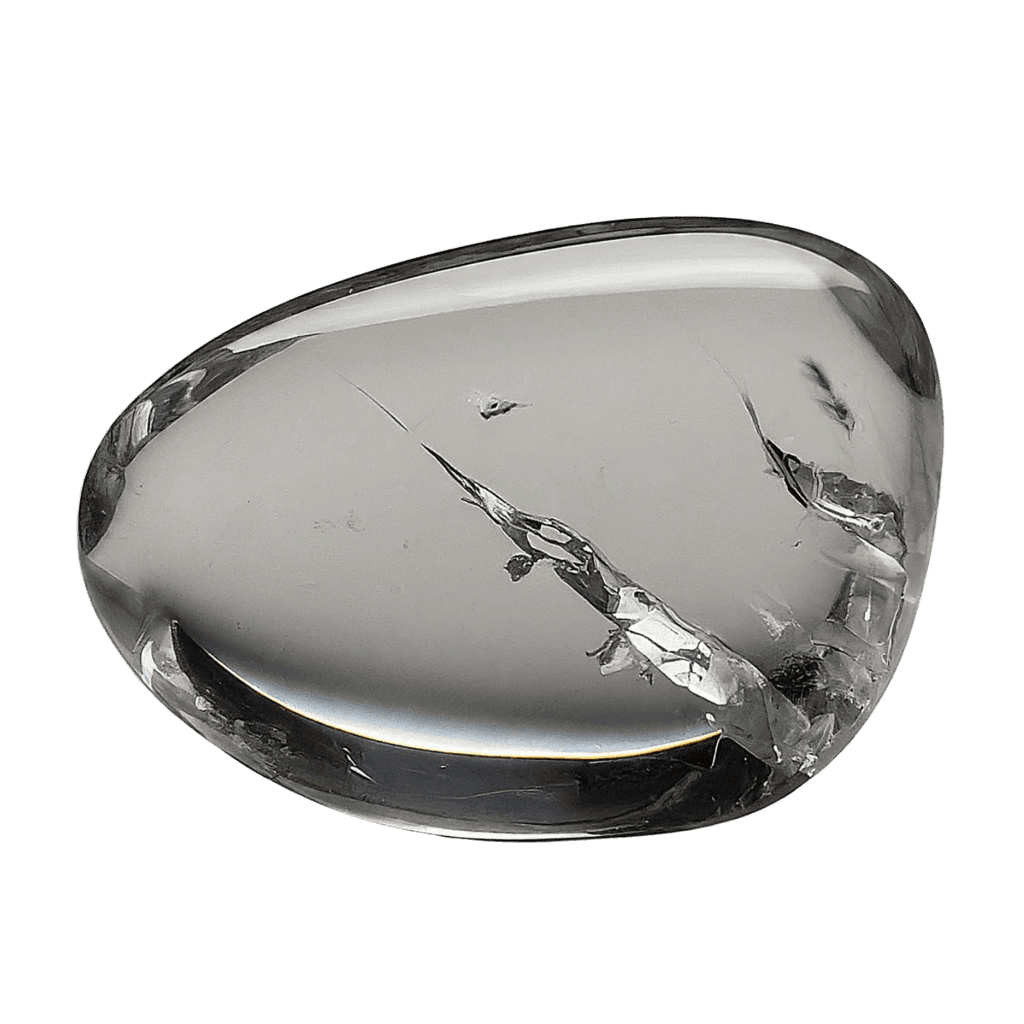
How to Spot Real vs Fake Kornerupine
Imitations of Kornerupine exist because demand does. A few hands-on checks separate genuine green material from glass, resin, and dye:
Temperature: genuine Kornerupine feels distinctly cool at first touch and gives that coolness up slowly; resin copies feel warm almost immediately, which is the quickest tell there is.
Weight and density: resin fakes run light for their size, while genuine Kornerupine at Mohs 6.75 carries honest mineral density; weigh it in the palm against any real tumbled stone you own.
Color and pattern: the real range is green, brown, or yellow; treat neon saturation or flawless uniformity as a question for the seller, because nature rarely manages either.
Price reality: the fair range for Kornerupine sits near $30 to $120 at palm size; below that, assume treatment or imitation until the seller proves otherwise.
Trust your source: buy Kornerupine from sellers who can name the mine or region behind their green stock and who disclose treatments without being chased. A seller who volunteers that information before you ask is the one worth returning to.
Sourcing
Buying Kornerupine well
The CrystalStones.com crystal store is not open yet, so we do not sell Kornerupine here. What we can give you is the part that matters most: how to tell a genuine piece from a treated or dyed one, and how to care for it once it is yours.
Frequently Asked Questions
What is Kornerupine good for?
Kornerupine is traditionally associated with focus, communication, clarity, and meditation. Many people find it supportive for focus and for working with the Throat, Heart, and Third Eye chakras.
Can Kornerupine go in water?
It can. Kornerupine handles brief water contact without trouble at Mohs 6.75, and a short rinse under cool water makes a sound regular cleanse. Pat it dry when you finish and avoid leaving it submerged overnight.
Can Kornerupine be in the sun?
Sun is fine for Kornerupine. A half hour of direct morning light both cleanses and charges it, and the green tones are stable enough to take it.
What chakra is Kornerupine?
Kornerupine is primarily associated with the Throat (Vishuddha) and Heart (Anahata) and Third Eye (Ajna) chakras. Wear it short at the throat, or let it rest at the throat station during lying-down sessions; both placements serve the traditional focus assignment.
What zodiac sign is Kornerupine for?
Kornerupine is traditionally connected to Virgo and Sagittarius. Astrological correspondence is one tradition among several, and nothing about your chart disqualifies you; people without a Virgo placement work with Kornerupine all the time.
How do I cleanse Kornerupine?
Stick to Water, Moonlight, and Sage for Kornerupine; those are the methods its care profile recommends. Because the stone is water-tolerant at Mohs 6.75, an occasional rinse can supplement the list, with the named methods doing the steady monthly work.
Is Kornerupine real or fake, how can I tell?
Genuine Kornerupine feels cool at first touch and warms slowly; at Mohs 6.75 it also resists the pocket scratches that mark softer fakes. Expect natural variation in its green coloring and a price near $30 to $120 for tumbled pieces; uniform color at a bargain price is the classic warning sign.
What’s Next?
A few thoughtful next steps if Kornerupine is calling to you.
Explore More Tools
Crystal Quiz
Discover which crystal matches your energy right now.
Open →Chakra Test
Find which chakras need attention and the crystals to balance them.
Open →Crystal Cleansing Guide
Learn how to safely cleanse and charge your crystals.
Open →Crystals by Intention
Find the perfect crystal for what you need right now.
Open →