Quick Answer
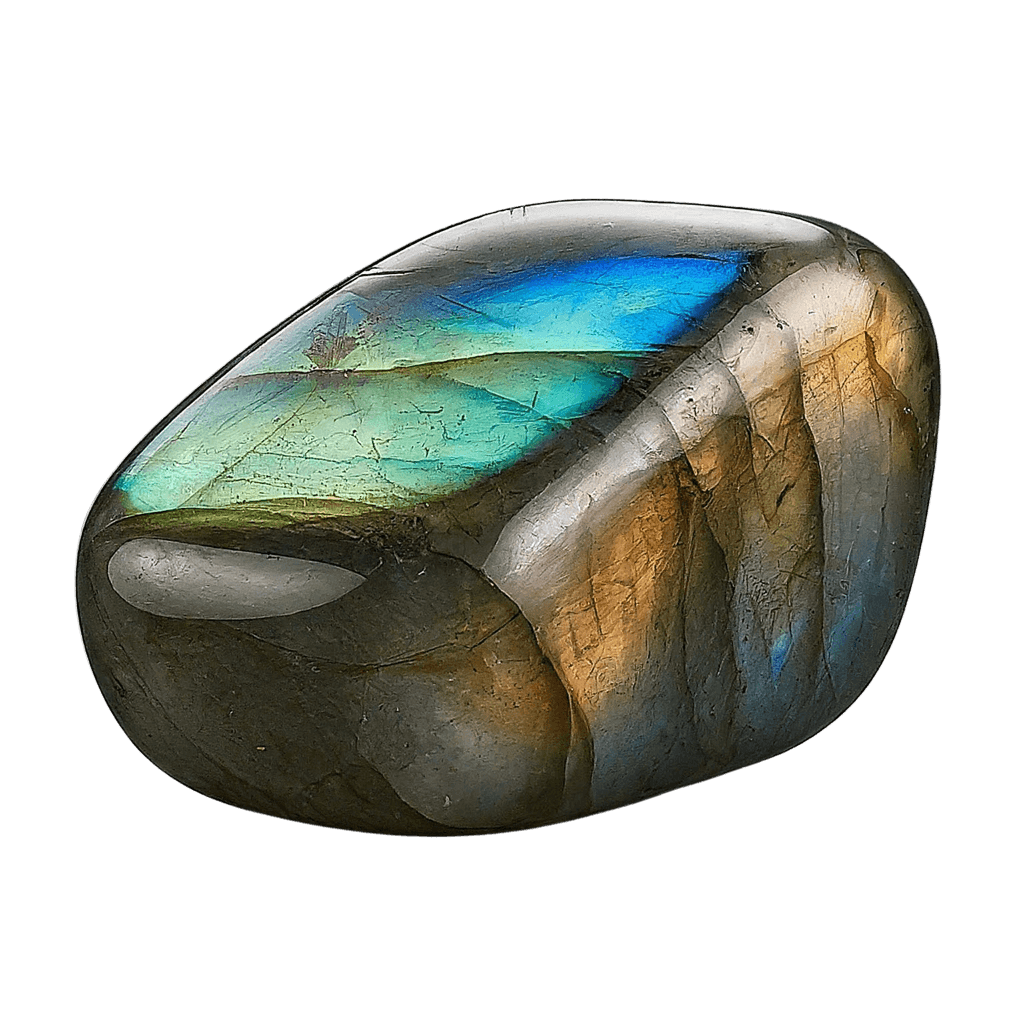
Labradorite is a grey crystal used in modern crystal healing for transformation, intuition, and protection. It measures 6.5 on the Mohs hardness scale and typically costs $15 to $35 for a tumbled stone. In the chakra tradition, Labradorite is associated with the Third Eye and Throat chakras.
Worth knowing: Labradorite's flash comes from feldspar layers 100 to 250 nanometers thick interfering with light itself, a structure so distinctive that mineralogy named the optical effect labradorescence.
“A mystical stone of transformation, intuition, and protective magic.”
- Chakra
- Third Eye (Ajna), Throat (Vishuddha)
- Zodiac
- Leo ♌, Scorpio ♏
- Element
- Water 💧
- Planet
- Uranus ♅
- Hardness
- 6.5 / 10 (Mohs)
- Colors
- Grey, Iridescent blue, Green, Gold flash
- Origin
- Canada, Madagascar, Finland
- Availability
- Not sold here yet
Care + Safety
Labradorite at a glance
- Water: brief rinse safe
- Sun: tolerates sunlight charging
- Mohs hardness: 6.5 (occasional wear only)
What is Labradorite?
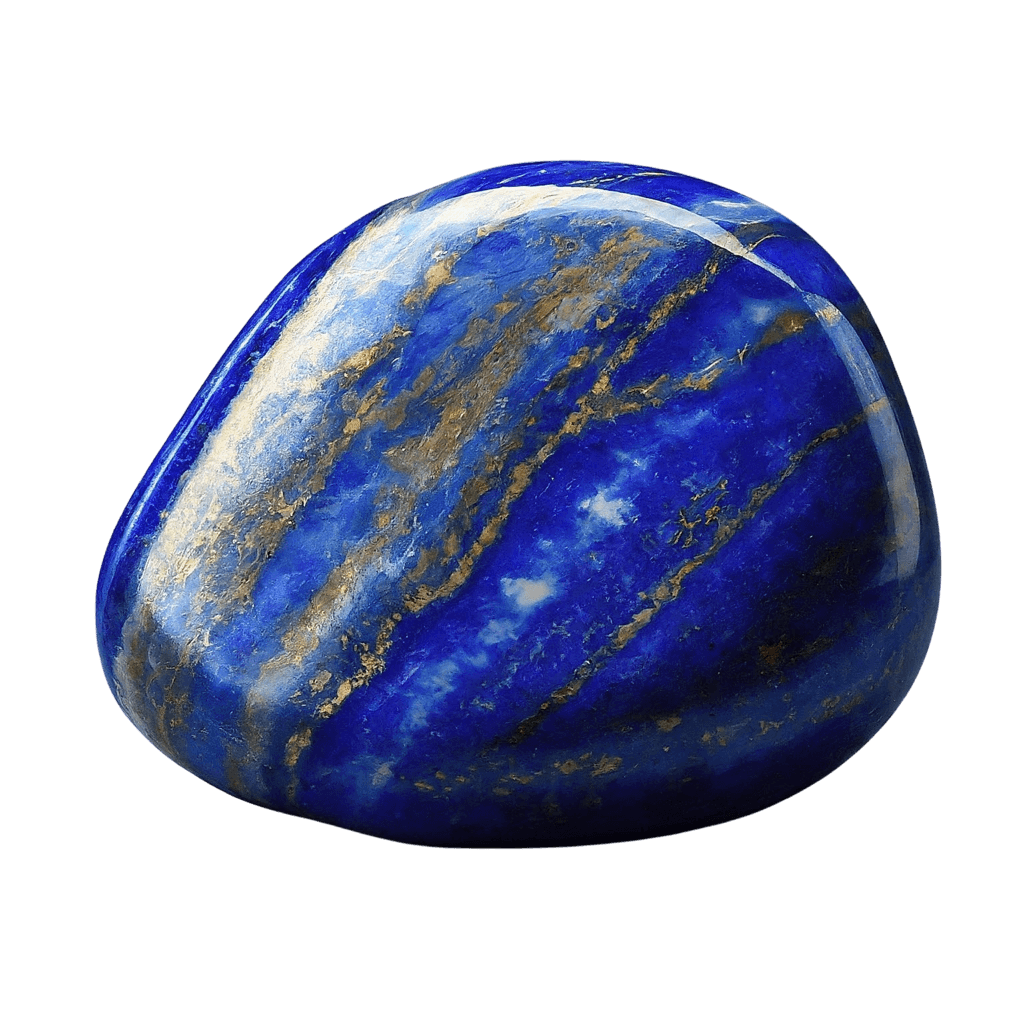
Labradorite is a calcium-rich plagioclase feldspar whose grey body hides the color show called labradorescence: light interfering inside lamellae spaced mere nanometers apart, blue where the layers run thin, gold and red where they thicken. It is named for Labrador, Canada, where it was described in 1770.
Labradorite measures 6.5 on the Mohs scale and shows grey, iridescent blue, or green coloring. Keepers count it among the threshold stones, the ones that accompany transformation, intuition, and protection through the seasons that remake a life.
The stone connects primarily to the Third Eye (Ajna) and Throat (Vishuddha) chakras, carrying Water energy. Today the material is drawn from Canada, Madagascar, and Finland. Hold pieces from two different sources side by side and the differences in the grey material, tone, translucency, pattern, become obvious fast.
Labradorite reveals its magic only when the light catches it just right, a flash of blue, gold, green from within grey stone. This teaches something: the extraordinary hidden inside the ordinary. Carry it during periods of change; it protects your energy while you transform. An often-retold Inuit legend calls that flash the northern lights sealed in stone, and modern spiritual practice keeps the thread, reaching for labradorite as a protective companion for meditation and psychic work.
Also catalogued as Stone of Magic and Aurora Stone, whether it is your first stone or your fiftieth, Labradorite tends to find its role quickly, and transformation is the natural place to begin.
History and Mythology
Labradorite is the rare stone whose science upstages its myth. Moravian missionaries collected it on the Isle of Paul off the Labrador coast in 1770, and the grey Canadian shoreline named the mineral. The flash, labradorescence, was eventually traced to stacked feldspar lamellae roughly 100 to 250 nanometers apart, a structure mineralogists call the Boggild intergrowth: light interferes inside it, returning blue from the thinnest layers and gold through red from the thickest, each color locked to its own viewing angle. The often-told Inuit legend, the northern lights trapped in coastal rock and freed by a warrior's spear except for the share still sealed inside, survives mostly in modern gem-trade retellings rather than documented oral tradition, so enjoy it as the trade's favorite story, labeled honestly. The twentieth century added a sequel: in 1940, Finnish workers cutting anti-tank stone for the Salpa defensive line at Ylämaa struck a full-spectrum variety, later named spectrolite. Turn a piece five degrees in window light and a color you could not see arrives; turn it back, and the stone keeps the secret.
Labradorite Meaning and Metaphysical Properties
First Touch
The first touch of Labradorite is cooler than you expect, and the grey polish is slick as bottle glass. Mohs 6.5 stones hold their temperature, and that slow warming is part of their character. Mind what surfaces unbidden in the first quiet minute; threshold stones have a way of bringing up exactly what is half-finished, and the visit means something.
Primary Properties
Labradorite is counted among the threshold stones: transformation, intuition, protection, and psychic development. This family attends endings and beginnings, the habit being set down, the season being stepped into. The stone marks the process; the crossing is yours to make.
How Crystal Energy Works
The brow center, the Third Eye, is where the tradition seats Labradorite, and the standing request there is transformation. Short sessions serve best, soft gaze, no straining, letting transformation, intuition, and protection drift up in their own time. Melody's entries for the transformation stones circle one verb, release: what is carried out of the system so that something new can be carried in.
Amplification Through Intention
The Water designation on Labradorite is permission to go slowly; this element does its transformation work through feeling rather than effort. Hold the stone when emotions need room, not fixing.
Healing Benefits
Emotional Support
Heavy seasons are Labradorite territory: transformation, intuition, and protection. Tradition casts it as company for grief, endings, and the honest inventory, not a stone that cheers you up so much as one that stays in the room. These are traditional transformation associations rather than medical claims; for anything heavy or persistent, a qualified professional belongs in the picture alongside any stone.
Spiritual Connection
Labradorite keeps company with the threshold rituals: the written-and-released page, the season-end inventory, the deliberate goodbye. In spiritual work it marks that something is being completed with attention rather than abandonment.
Physical Presence
Physically, Labradorite keeps company with the soft systems, rest and recovery, the long exhale after effort toward transformation. Its honest job is reminding you to downshift; anything medical belongs with medical professionals.
Chakra Connection
Labradorite resonates most strongly with the Third Eye (Ajna), the energy center traditionally drawn in indigo and the traditional seat of this stone's transformation work. When this center runs clear, the classical markers are intuition, clarity, and inner vision; transformation, intuition, and protection are what Labradorite is most often asked to bring to it.
Lie back and rest Labradorite at the brow point with the focus soft; third-eye sessions are kept short by tradition, ended while they are still easy rather than at any mark, and transformation is their usual aim.
Labradorite also keeps a working line to the Throat (Vishuddha), which widens its range in layouts; let the primary placement lead, and add the second position once the first feels familiar.
Zodiac and Astrological Connection
Labradorite appears under Leo ♌ (Jul 23 to Aug 22) and Scorpio ♏ (Oct 23 to Nov 21) in the standard correspondence tables; if those signs are loud in your chart, expect the introduction to feel familiar.
None of this is exclusionary. If Labradorite keeps catching your eye, that interest counts for more than whether Leo appears anywhere in your chart.
In the planetary layer of the system, Uranus ♅ holds the rulership, and that planet's prominent transits are the traditional windows for deeper transformation work with Labradorite.
How to Use Labradorite
Here are five ways I recommend working with Labradorite. Start with whichever feels most natural, there's no wrong entry point.
- 1
Meditation Hold
Take up Labradorite and register the first cool touch; a glassy stone at Mohs 6.5 warms slowly, and tracking that gradual change is a meditation in itself.
- 2
Body Placement
Brow placements are kept short by convention, so lie back, rest Labradorite between the brows, and let the focus stay soft rather than pointed. Let the sit end on its own rather than on a decision. Brow work of this kind is what the tradition assigns to transformation.
- 3
Sleep Companion
At night, park Labradorite on the nightstand rather than working it; its job is the day's transformation, and ending the day cleanly is how tomorrow's session starts well.
- 4
Carry With You
Through a season that is closing, Labradorite makes a good pocket companion: each time the old pattern knocks and you touch the stone instead, another small entry gets added to the transformation ledger.
- 5
Crystal Grid Anchor
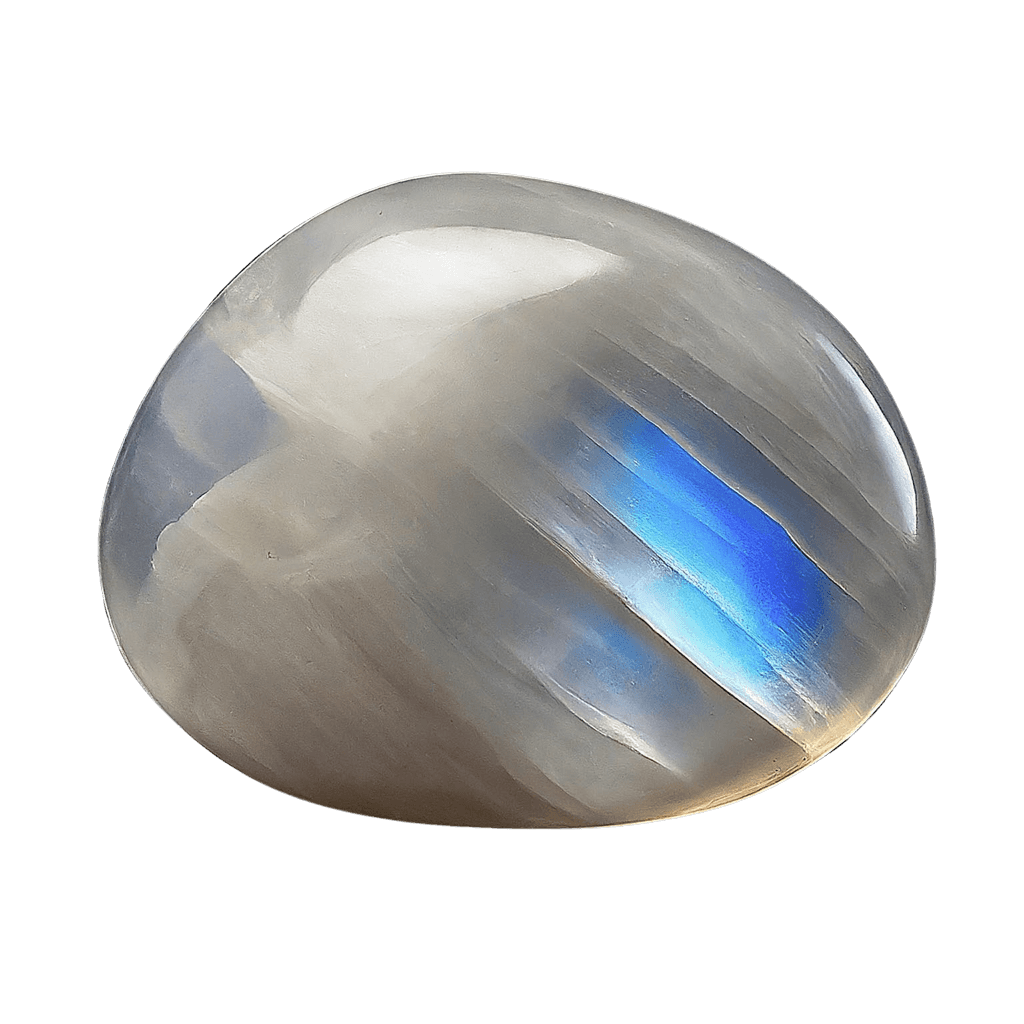
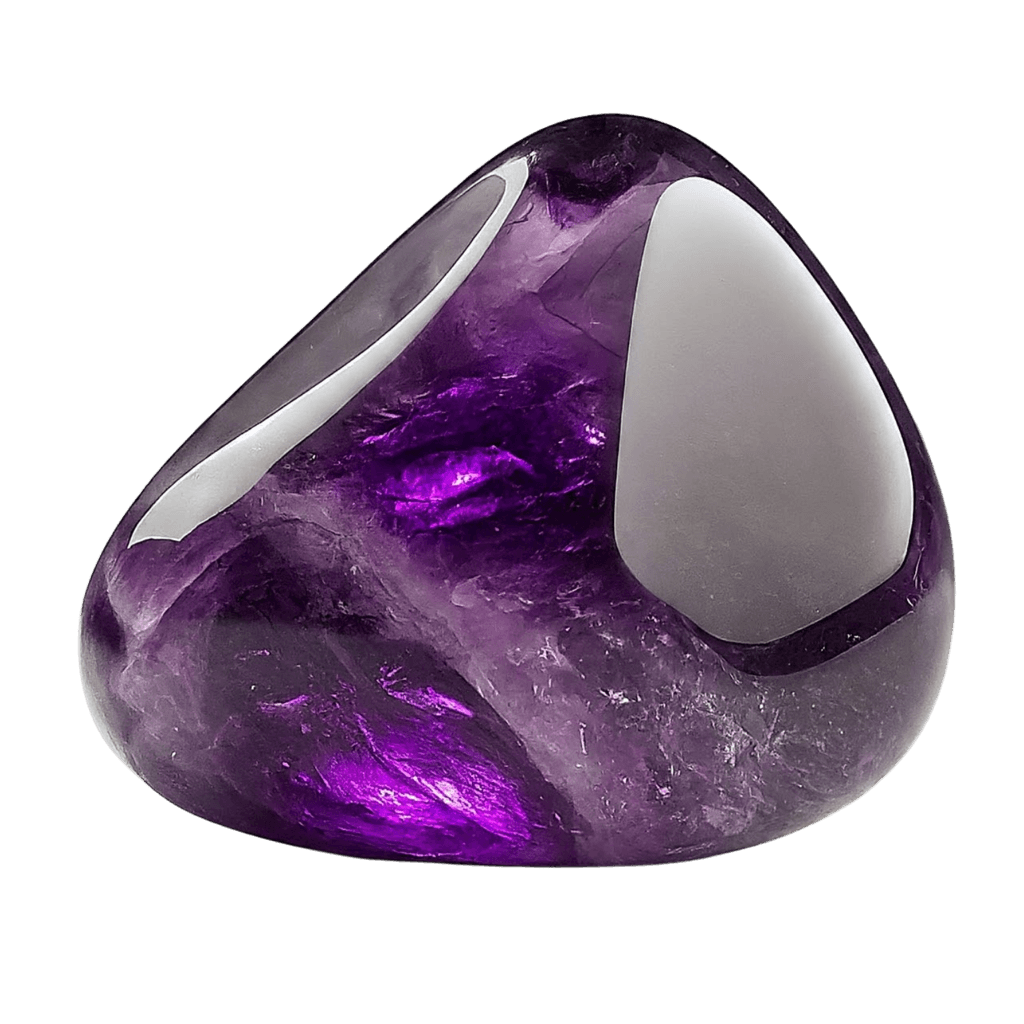
Use Labradorite as the heart of a small grid for transformation, with Moonstone and Amethyst alternating on the spokes. Place the stones slowly and set the last one down with the transformation intention named out loud.
How to Cleanse and Charge
Labradorite works best when it is cleansed on a rhythm; tradition pictures a stone absorbing what it meets, and a saturated stone has nothing left to give. The complete water, sun, and salt safety profile, plus the storage instructions I give my clients, lives in the dedicated Labradorite care guide.
- 1
Moonlight
Set Labradorite on a windowsill or ledge under the full moon and collect it in the morning. Moonlight is the gentlest cleanse in the tradition, safe for every stone in the collection and impossible to overdo.
- 2
Sage
Pass Labradorite through the smoke of white sage or rosemary for about thirty seconds, turning it so the smoke wraps every face, while you hold a clear intention of release.
- 3
Sound
A minute inside strong, sustained tone, bowl, chime, even a steady hum, resets Labradorite without physical risk, which makes sound the safest deep cleanse for fragile stones.
- 4
Selenite
Lay Labradorite on a selenite plate or alongside a selenite wand overnight; selenite is the tradition's self-cleaning shelf, no effort, no risk to the stone.
How often to cleanse
Monthly is the floor for Labradorite; step the cadence up whenever the stone is in daily rotation or the season is emotionally loud. With practice you will feel the tell yourself, a worked stone reads heavier and flatter in the palm.
Charging after cleansing
After cleansing, charge Labradorite by placing it in morning sunlight for 30 minutes. This restores its energetic vitality.
The Crystal Starter Library
A free guide from Crystal Cassandra: the twelve stones that cover almost everything, a one page care matrix for water, sun and salt, and how to build a first intention practice.
We respect your inbox. Unsubscribe anytime.
Crystal Pairings
Anchor stones make the best company for Labradorite; something has to hold still while the moving happens. Tradition supplies partners that bring ground, heart, or light to transformation, and it expects the lineup to change as the season does. Updating the pair is not a failure of loyalty; it is the practice working.
Labradorite and Tarot
Featured in Tarot
Labradorite appears as the crystal pairing for 2 cards in our tarot guide, hold the stone while you draw or study these archetypes.
Buying Labradorite: Price, Quality, and Jewelry
Flash decides everything about the labradorite meaning in the marketplace: dealers grade on how much of the surface lights, how many colors appear, and how sharply they stand off the dark base. Blue and green sheets are the standard issue; gold is common company; purple and pink windows are the rarities collectors chase. Full-spectrum Finnish material sold as spectrolite, near-black body with fire in every hue, owns the premium tier. Expect $15 to $35 for quality tumbled and palm stones, with large, fully flashed freeforms running into the hundreds. Labradorite is abundant enough that fakes are rare; the real buying risk is orientation, because the flash is angle-locked. An honest online seller shows the stone moving in video, never one lucky still. In jewelry, that mystical play of color does its best work in sterling silver, and bezel settings that wrap the soft edges hold up far better than open prongs. At Mohs 6 to 6.5 with two cleavage directions, it wears happily as a pendant; spare ring stones the hard knocks.
How to Spot Real vs Fake Labradorite
The market in Labradorite has grown faster than its honesty, and grey pieces are easy to imitate on a screen. Here is how to check one before you pay for it:
Temperature: genuine Labradorite feels distinctly cool at first touch and gives that coolness up slowly; resin copies feel warm almost immediately, which is the quickest tell there is.
Weight: real Labradorite should feel like stone rather than plastic pretending; if a palm-sized piece feels nearly weightless, walk away from it.
Color and pattern: the real range is grey, iridescent blue, or green; treat neon saturation or flawless uniformity as a question for the seller, because nature rarely manages either.
Price: expect $15 to $35 for a decent tumbled or palm piece of Labradorite; dramatic discounts mean dye, resin, or mislabeling more often than they mean luck.
Trust your source: a seller who knows where a grey stone like this came from and says so plainly is worth more than every test on this list. Vagueness about origin is itself an answer.
Sourcing
Buying Labradorite well
The CrystalStones.com crystal store is not open yet, so we do not sell Labradorite here. What we can give you is the part that matters most: how to tell a genuine piece from a treated or dyed one, and how to care for it once it is yours.
Frequently Asked Questions
What is Labradorite good for?
Labradorite is traditionally associated with transformation, intuition, protection, and psychic development. Many people find it supportive for transformation and for working with the Third Eye and Throat chakras.
Can Labradorite go in water?
It can. Labradorite handles brief water contact without trouble at Mohs 6.5, and a short rinse under cool water makes a sound regular cleanse. Towel the stone off afterward and treat soaking as off the menu; brief contact is the whole agreement.
Can Labradorite be in the sun?
Sun is fine for Labradorite. A half hour of direct morning light both cleanses and charges it, and the grey tones are stable enough to take it.
What chakra is Labradorite?
Labradorite is primarily associated with the Third Eye (Ajna) and Throat (Vishuddha) chakras. Brief brow placements are the convention: soft focus at the third eye while lying back, kept short by habit rather than by clock, which is the traditional handling of transformation.
What zodiac sign is Labradorite for?
Labradorite is traditionally connected to Leo and Scorpio. That said, the zodiac correspondence is an invitation rather than a requirement; any chart can work with Labradorite, and attraction to the stone matters more than the calendar.
How do I cleanse Labradorite?
The best methods for Labradorite are Moonlight, Sage, and Sound. Moderately durable. The flash (labradorescence) won't fade.
Is Labradorite real or fake, how can I tell?
Genuine Labradorite feels cool at first touch and warms slowly; at Mohs 6.5 it also resists the pocket scratches that mark softer fakes. Expect natural variation in its grey coloring and a price near $15 to $35 for tumbled pieces; uniform color at a bargain price is the classic warning sign.
Where does labradorite come from?
Labradorite comes chiefly from Canada, Madagascar and Finland. Moravian missionaries collected the first described material on the Isle of Paul off the Labrador coast in 1770, and that grey Canadian stone gave the mineral its name. Madagascar now supplies most of the polished palm stones, spheres and freeforms in the crystal trade, usually with blue and green flash. Finland's Ylämaa deposit holds the premium tier. Locality predicts color range.
Is spectrolite the same as labradorite?
Spectrolite is labradorite, not a separate mineral species. Both are plagioclase feldspar at Mohs 6 to 6.5, and the difference is grade and locality: spectrolite is the trade name given by the director of the Geological Survey of Finland to Ylämaa material whose labradorescence reaches pink, orange and purple instead of stopping at blue and green. Geology.com notes that outstanding stones from other deposits are now sold under the name too.
Is red labradorite natural or treated?
Red labradorite is usually treated. The vivid red and orange feldspar sold as red labradorite or andesine flooded the market between about 2002 and 2008 behind Tibetan and Congolese origin stories, and laboratory testing traced most of it to copper diffusion. Natural copper-bearing labradorite does exist: GIA has documented Oregon sunstone from the Ponderosa mine as An70 labradorite carrying inclusions of native copper. The tell is where the color sits, since diffused stones often keep their red in a thin surface rim that shows under immersion.
What’s Next?
A few thoughtful next steps if Labradorite is calling to you.
Explore More Tools
Crystal Quiz
Discover which crystal matches your energy right now.
Open →Chakra Test
Find which chakras need attention and the crystals to balance them.
Open →Crystal Cleansing Guide
Learn how to safely cleanse and charge your crystals.
Open →Crystals by Intention
Find the perfect crystal for what you need right now.
Open →