
Quick Answer
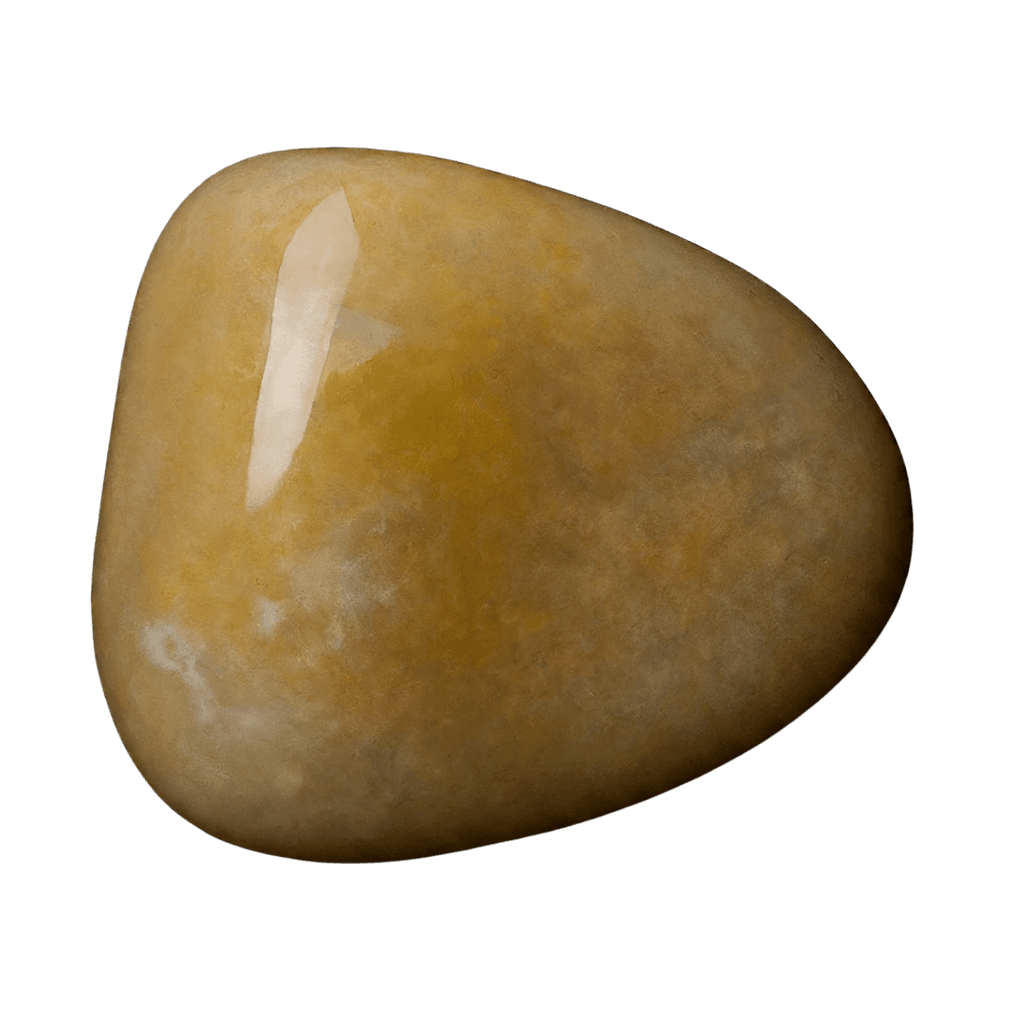
Mimetite is a yellow crystal used in modern crystal healing for transformation and shadow work. It measures 3.75 on the Mohs hardness scale and typically costs $25 to $120 for a tumbled stone. In the chakra tradition, Mimetite is associated with the Sacral and Solar Plexus chakras.
Worth knowing: Mimetite's curved, barrel-shaped variety campylite, named from the Greek for bent, comes from the Dry Gill mine in England's Caldbeck Fells and has been a collector's classic since the nineteenth century.
“A vivid yellow-green to orange lead arsenate of rare beauty; sealed display only. TOXIC.”
- Chakra
- Sacral (Svadhisthana), Solar Plexus (Manipura)
- Zodiac
- Scorpio ♏
- Element
- Earth 🌍
- Planet
- Pluto ♇
- Hardness
- 3.75 / 10 (Mohs)
- Colors
- Yellow, Green-yellow, Orange
- Origin
- Mexico, Namibia, Romania
- Availability
- Not sold here yet
Care + Safety
Mimetite at a glance
- Water: avoid, may damage or leach
- Sun: tolerates sunlight charging
- Mohs hardness: 3.75 (display + meditation only)
What is Mimetite?
Mimetite is a lead arsenate chloride of the apatite structural family, crystallizing in the oxidized zones of lead deposits where arsenic happens to be present. Its name comes from the Greek for imitator, because it so closely mimics pyromorphite, its phosphate twin, that chemistry is often needed to tell them apart.
Mimetite measures 3.75 on the Mohs scale and shows yellow, green-yellow, or orange coloring. Change is its department: a threshold stone by family, kept close for transformation and shadow work and for the crossings they imply.
The stone connects primarily to the Sacral (Svadhisthana) and Solar Plexus (Manipura) chakras, carrying Earth energy. Sources include Mexico, Namibia, and Romania; deposit matters more than beginners expect, and collectors learn to recognize where a piece of Mimetite was mined by its color depth and pattern.
Mimetite is a brilliant yellow-green to orange lead chloroarsenate, beloved by collectors for its botryoidal crusts. Treat this stone visually only behind glass. Because it contains both lead and arsenic, it is firmly a sealed display piece, never to be handled directly, watered, or made into elixirs.
Also catalogued as Lead Chloroarsenate, whether it is your first stone or your fiftieth, Mimetite tends to find its role quickly, and transformation is the natural place to begin.
History and Mythology
Mimetite entered the record through mineralogy rather than mythology: the species was identified and named in the modern era, and its healing use begins with the 20th and 21st century crystal literature rather than any ancient source. That recency is worth stating plainly, because honest provenance is rarer than it should be in this field. The material itself is sourced today from Mexico, Namibia, and Romania.
In modern astrological correspondence Mimetite is linked with Scorpio, with Pluto ♇ named as its planetary ruler. Practitioners who keep these tables often work the stone hardest during those sun-sign seasons, especially for transformation.
Whatever the age of the name, the geology is patient: every piece of Mimetite took shape over geological timescales, arriving at its Mohs 3.75 hardness through slow heat, pressure, and chemistry long before any hand reached for it.
Mimetite Meaning and Metaphysical Properties
What the Hand Learns First
In the hand Mimetite reads as gentle before you know anything else about it. Mohs 3.75 hardness means it gives up its coolness quickly, and the yellow polish carries a waxy, candle-like glow. Whatever memory walks in while the stone is in your hand, let it; the threshold family tends to retrieve what is already loosening, and that retrieval is the signal.
Primary Properties
Mimetite is counted among the threshold stones: transformation and shadow work. This family attends endings and beginnings, the habit being set down, the season being stepped into. The stone marks the process; the crossing is yours to make.
How Crystal Energy Works
The low belly is where tradition stations Mimetite: the Sacral center, home of appetite and creative current, with transformation as its natural brief. Keep the work warm and informal, hip pockets and low-belly placements, naming transformation and shadow work without making a production of it. Release is the verb Melody keeps returning to in her entries for the transformation family, the carrying out of what is finished so that something new has room to arrive.
Amplification Through Intention
Mimetite is classed as an Earth stone, patient, bodily, hard to knock over, which sets the pace of its transformation work. Prefer routines over ceremonies, the same pocket, the same desk corner, and let consistency do for transformation and shadow work what intensity cannot.
Healing Benefits
Emotional Support
Heavy seasons are Mimetite territory: transformation and shadow work. Tradition casts it as company for grief, endings, and the honest inventory, not a stone that cheers you up so much as one that stays in the room. As with all crystal healing, transformation support from a stone is reflective practice rather than medicine; significant emotional concerns deserve qualified human help.
Spiritual Connection
Threshold rituals are where Mimetite earns its spiritual keep: the page written and burned, the inventory taken at season's end, the goodbye said on purpose. Its presence marks a completion handled with care instead of left to trail off.
Physical Presence
Tradition reads Earth stones like Mimetite through the soles of the feet: stance, weight, the felt fact of standing somewhere while you work on transformation. Try standing barefoot with the stone in hand when the day goes abstract; the practice is awareness, not medicine.
Chakra Connection
Mimetite resonates most strongly with the Sacral (Svadhisthana), the energy center traditionally drawn in orange and the traditional seat of this stone's transformation work. When this center runs clear, the classical markers are warmth of feeling, comfort in the senses, and a ready creative current; transformation and shadow work are what Mimetite is most often asked to bring to it.
Carry it at hip level, a front pocket works fine, and give Mimetite a deliberate touch whenever transformation is the task at hand; sacral stones respond to rhythm more than ceremony.
Because Mimetite is also associated with the Solar Plexus (Manipura), it moves well in multi-stone layouts: one stone, two stations, worked on different days.
Zodiac and Astrological Connection
Mimetite appears under Scorpio ♏ (Oct 23 to Nov 21) in the standard correspondence tables; if those signs are loud in your chart, expect the introduction to feel familiar.
Correspondence is a suggestion, not a bouncer; plenty of devoted Mimetite keepers have no Scorpio in their chart at all, and being drawn to the stone is the credential that matters.
Pluto ♇ rules Mimetite in this tradition, so practitioners time their longer sessions to that planet's active periods, especially for transformation.
How to Use Mimetite
Five practices suit Mimetite especially well. Pick the one that fits the day you are actually having rather than the routine you think you should have.
- 1
Meditation Hold
Hold Mimetite for the length of your sit and notice the moment it stops feeling like an object and starts feeling like part of the hand; for a Mohs 3.75 stone, that shift comes early.
- 2
Body Placement
The Sacral center is where the chakra tradition stationed stones like Mimetite. Lie back, settle it at that seat, and hold the stone in your attention the way you would hold a piece of music you are still learning. Warmth and patience are what the old texts described as the method for transformation, and they described nothing beyond it.
- 3
Sleep Companion
Mimetite can still earn the nightstand even though its brief is transformation rather than rest: setting the stone down as you set the day down marks the switch from doing to sleeping.
- 4
Carry With You
Through a season that is closing, Mimetite makes a good pocket companion: each time the old pattern knocks and you touch the stone instead, another small entry gets added to the transformation ledger.
- 5
Crystal Grid Anchor
Use Mimetite as the heart of a small grid for transformation, with Pyromorphite and Vanadinite alternating on the spokes. Place the stones slowly and set the last one down with the transformation intention named out loud.
How to Cleanse and Charge
A worked stone needs clearing, and Mimetite is no exception; practitioners describe an uncleansed crystal as muffled, present but quieter than it should be. For the full safety profile and the cadence I recommend, see the dedicated Mimetite care guide.
- 1
Sound
A minute inside strong, sustained tone, bowl, chime, even a steady hum, resets Mimetite without physical risk, which makes sound the safest deep cleanse for fragile stones.
How often to cleanse
Monthly is the floor for Mimetite; step the cadence up whenever the stone is in daily rotation or the season is emotionally loud. With practice you will feel the tell yourself, a worked stone reads heavier and flatter in the palm.
Charging after cleansing
Once it is cleansed, recharge Mimetite by placing it in morning sunlight for 30 minutes; cleansing empties the stone, charging refills it.
The Crystal Starter Library
A free guide from Crystal Cassandra: the twelve stones that cover almost everything, a one page care matrix for water, sun and salt, and how to build a first intention practice.
We respect your inbox. Unsubscribe anytime.
Crystal Pairings
Anchor stones make the best company for Mimetite; something has to hold still while the moving happens. Tradition supplies partners that bring ground, heart, or light to transformation, and it expects the lineup to change as the season does. Updating the pair is not a failure of loyalty; it is the practice working.
How to Spot Real vs Fake Mimetite
The market in Mimetite has grown faster than its honesty, and yellow pieces are easy to imitate on a screen. Here is how to check one before you pay for it:
Temperature: at Mohs 3.75, genuine Mimetite warms in the hand noticeably faster than glass; an imitation in glass stays cold and slick well past the first minute.
Weight and density: resin fakes run light for their size, while genuine Mimetite at Mohs 3.75 carries honest mineral density; weigh it in the palm against any real tumbled stone you own.
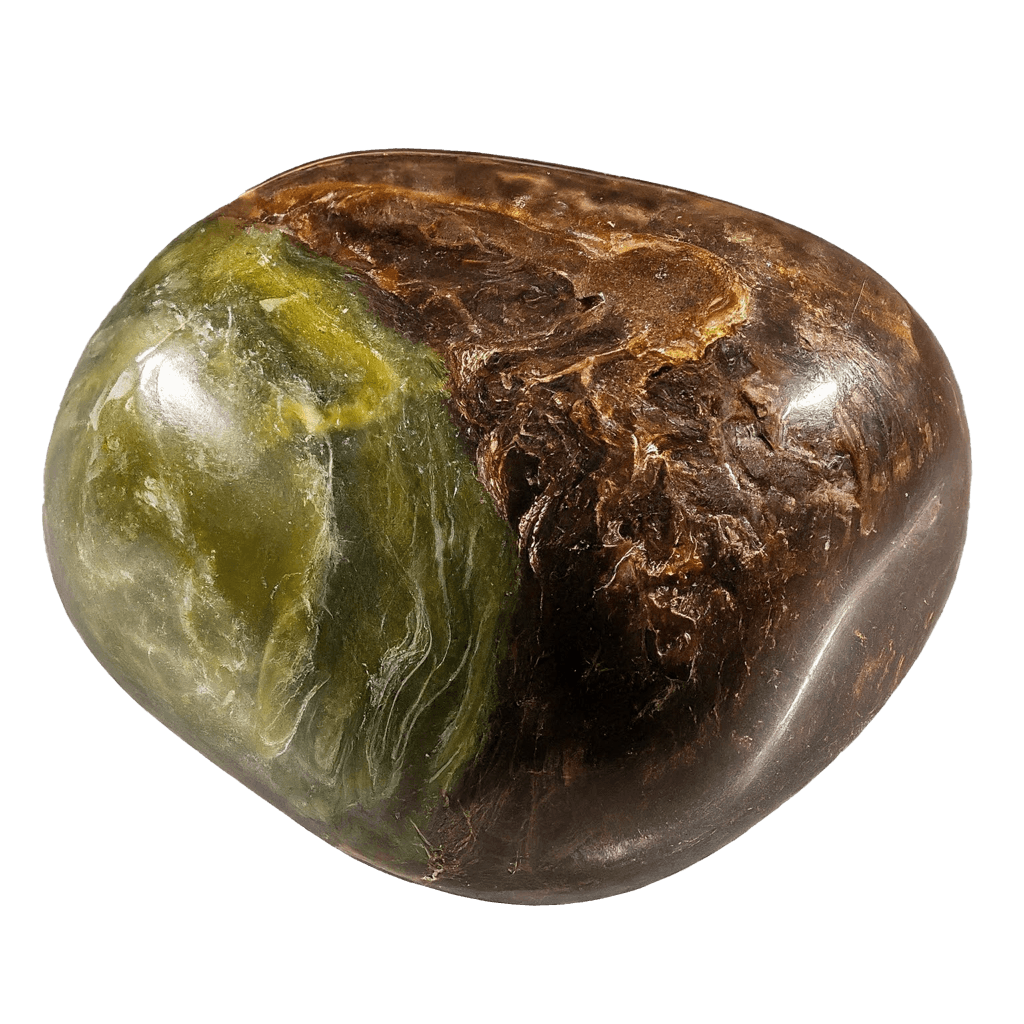
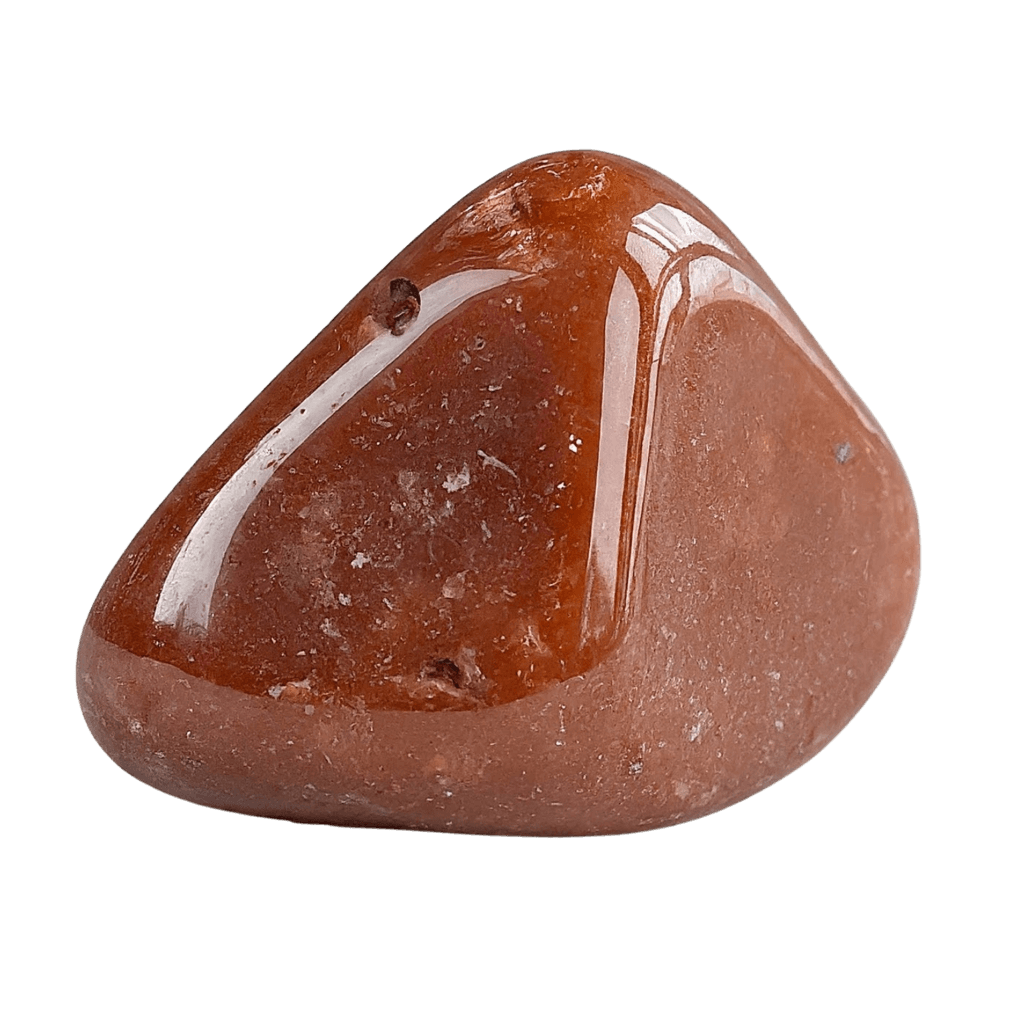
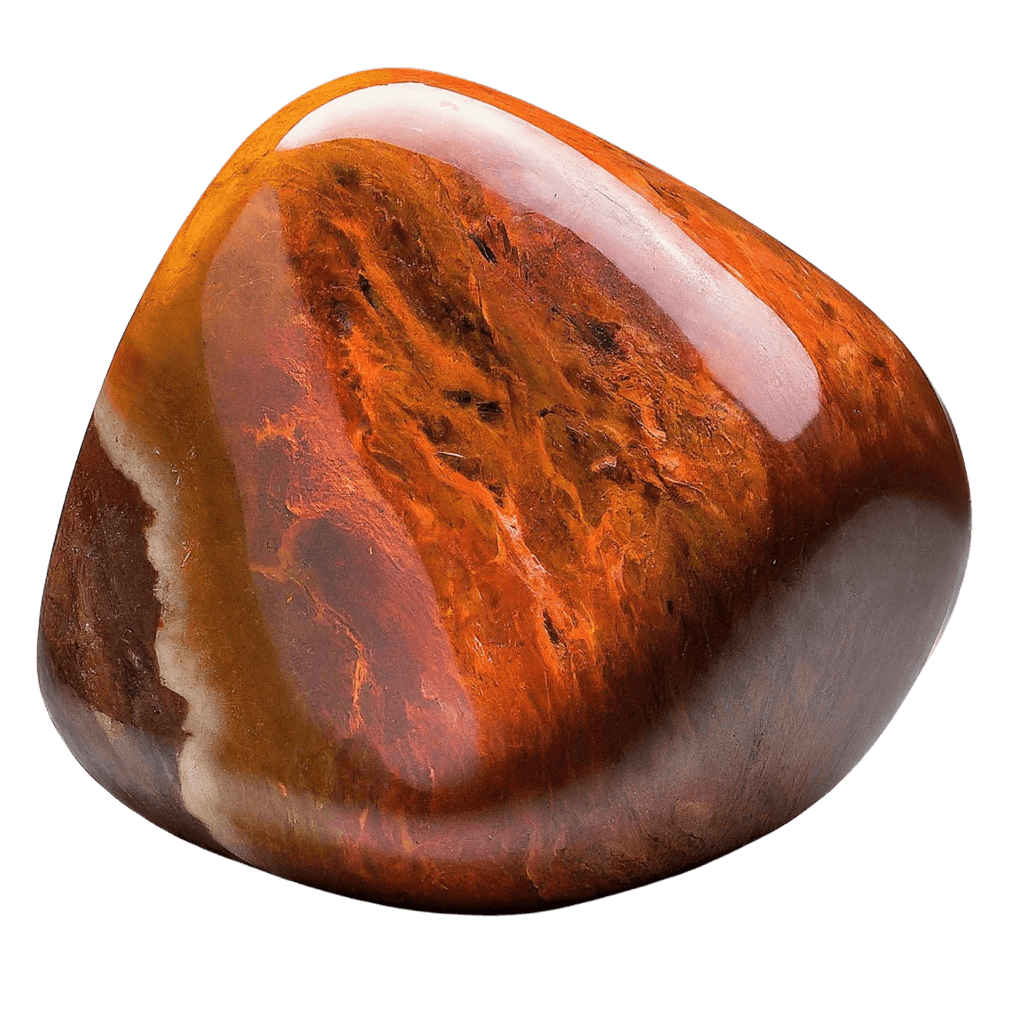
Color and pattern: natural Mimetite runs yellow, green-yellow, or orange, with variation from piece to piece; perfectly uniform color across a whole tray is the classic mark of dye or synthetics.
Price reality: the fair range for Mimetite sits near $25 to $120 at palm size; below that, assume treatment or imitation until the seller proves otherwise.
Trust your source: provenance beats any hands-on check; ask where the Mimetite was mined and whether the yellow material is treated, and expect straight answers rather than adjectives.
Sourcing
Buying Mimetite well
The CrystalStones.com crystal store is not open yet, so we do not sell Mimetite here. What we can give you is the part that matters most: how to tell a genuine piece from a treated or dyed one, and how to care for it once it is yours.
Frequently Asked Questions
What is Mimetite good for?
Mimetite is traditionally associated with transformation and shadow work. Many people find it supportive for transformation and for working with the Sacral and Solar Plexus chakras.
Can Mimetite go in water?
No. Mimetite should stay dry; cleanse it with Sound instead, and keep every wet method off the table.
Can Mimetite be in the sun?
Yes. Mimetite is one of the sun-tolerant stones, so use morning light freely to charge the yellow material; just bring it in rather than leaving it out for whole days at a time.
What chakra is Mimetite?
Mimetite is primarily associated with the Sacral (Svadhisthana) and Solar Plexus (Manipura) chakras. Keep it at the sacral seat while lying down, or carry it at hip level; that station is where tradition aims its transformation work.
What zodiac sign is Mimetite for?
Mimetite is traditionally connected to Scorpio. Astrological correspondence is one tradition among several, and nothing about your chart disqualifies you; people without a Scorpio placement work with Mimetite all the time.
How do I cleanse Mimetite?
Stick to Sound for Mimetite; those are the methods its care profile recommends. Notice that the whole list runs dry; for this stone's chemistry, that is a feature rather than a limitation.
Is Mimetite real or fake, how can I tell?
Genuine Mimetite warms quickly in the hand at Mohs 3.75, while glass imitations stay cold longer and feel slick rather than satiny. A fair tumbled piece sits near $25 to $120 and shows honest variation across the yellow range; flawless uniformity at a bargain price is the tell worth trusting.
What’s Next?
A few thoughtful next steps if Mimetite is calling to you.
Explore More Tools
Crystal Quiz
Discover which crystal matches your energy right now.
Open →Chakra Test
Find which chakras need attention and the crystals to balance them.
Open →Crystal Cleansing Guide
Learn how to safely cleanse and charge your crystals.
Open →Crystals by Intention
Find the perfect crystal for what you need right now.
Open →