
Quick Answer
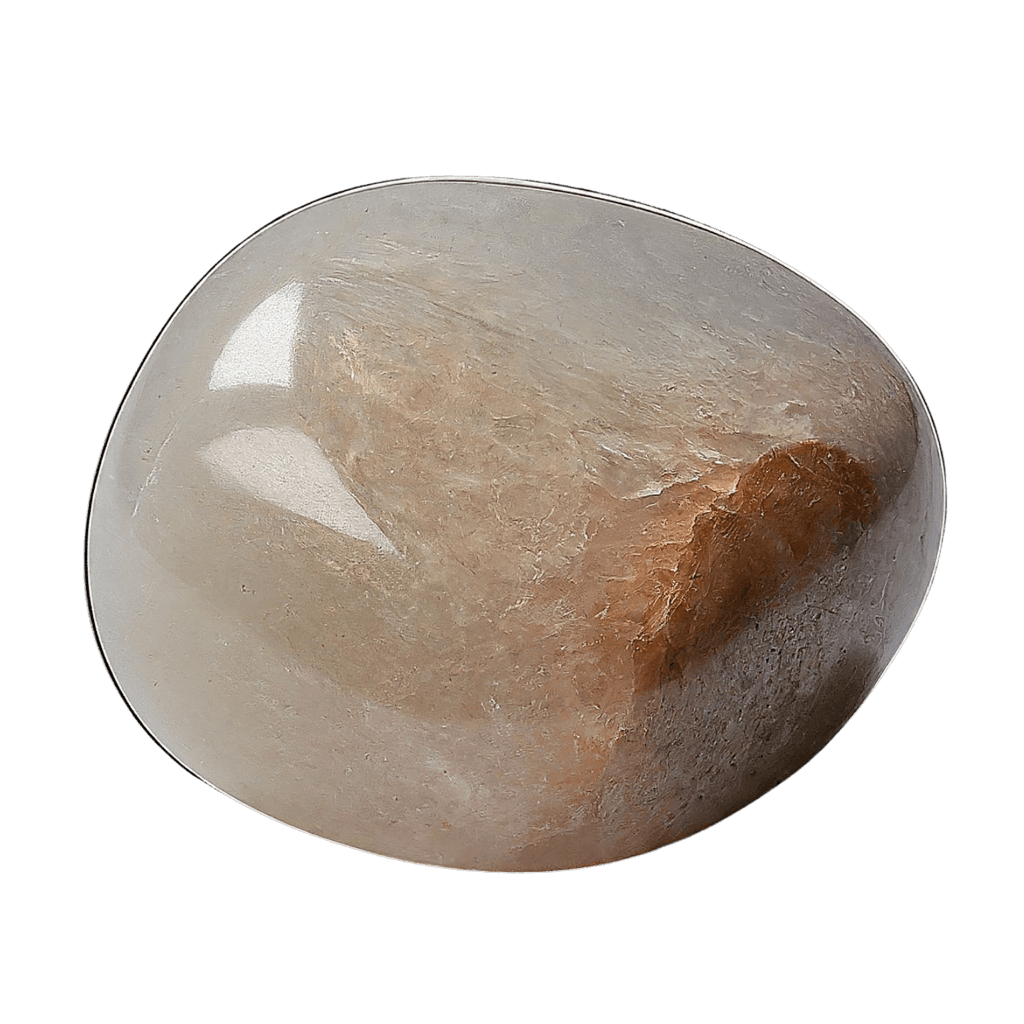
Scapolite is a yellow crystal used in modern crystal healing for release, focus, and decision making. It measures 6 on the Mohs hardness scale and typically costs $14 to $45 for a tumbled stone. In the chakra tradition, Scapolite is associated with the Solar Plexus and Third Eye chakras.
Worth knowing: Massive scapolite from Quebec, long sold under the old name wernerite, is a famous ultraviolet showpiece, glowing intense yellow under longwave UV lamps at mineral shows.
“A pale yellow, pink, or violet scapolite of liberation from self-imposed limits and steady problem-solving.”
- Chakra
- Solar Plexus (Manipura), Third Eye (Ajna)
- Zodiac
- Taurus ♉, Virgo ♍
- Element
- Earth 🌍, Air 💨
- Planet
- Saturn ♄
- Hardness
- 6 / 10 (Mohs)
- Colors
- Yellow, Pink, Violet, Clear
- Origin
- Madagascar, Tanzania, Brazil
- Availability
- Not sold here yet
Care + Safety
Scapolite at a glance
- Water: brief rinse safe
- Sun: tolerates sunlight charging
- Mohs hardness: 6 (occasional wear only)
What is Scapolite?
Scapolite's name comes from the Greek skapos, a rod or shaft, for its long square-sided prisms. It commonly forms when calcium-rich plagioclase feldspar reacts with carbon dioxide and salt-rich fluids during metamorphism, so geologists read its presence in marble and gneiss as a fingerprint of those fluids.
Scapolite measures 6 on the Mohs scale and shows yellow, pink, or violet coloring. It walks with the threshold stones, the companions for release, focus, and decision making and the seasons that change us.
The stone connects primarily to the Solar Plexus (Manipura) and Third Eye (Ajna) chakras, carrying Earth and Air energy. Sources include Madagascar, Tanzania, and Brazil; deposit matters more than beginners expect, and collectors learn to recognize where a piece of Scapolite was mined by its color depth and pattern.
Scapolite is the parent series of marialite (sodium) and meionite (calcium), often gem-grade in yellow, pink, or violet. Hold this stone and notice a clear, almost task-oriented release of stuck patterns. The classical sources describe Scapolite as a stone of liberation from self-imposed limits.
Also catalogued as Wernerite and Marialite-Meionite Series, Scapolite earns its place in a working collection by being usable: start with release, the job it is best known for, and let the stone widen its own brief from there.
History and Mythology
Scapolite entered the record through mineralogy rather than mythology: the species was identified and named in the modern era, and its healing use begins with the 20th and 21st century crystal literature rather than any ancient source. That recency is worth stating plainly, because honest provenance is rarer than it should be in this field. The material itself is sourced today from Madagascar, Tanzania, and Brazil.
The correspondence tables used by today's practitioners assign Scapolite to Taurus and Virgo under the rulership of Saturn ♄. In that system, work centered on release is said to land best while those signs are in season.
Hold the two timescales side by side, centuries of human use at most against epochs of formation behind every Mohs 6 specimen of Scapolite; the deep time is the one part no marketing can inflate.
Scapolite Meaning and Metaphysical Properties
First Touch
Scapolite meets the hand cool and composed: at Mohs 6 it takes a glass-bright polish, and that first chill lingers a while before your warmth wins. Whatever memory walks in while the stone is in your hand, let it; the threshold family tends to retrieve what is already loosening, and that retrieval is the signal.
Primary Properties
Every property attached to Scapolite concerns passage: release, focus, decision making, and transformation. The threshold family accompanies endings into beginnings, the put-down habit, the picked-up season, and it does so as a witness rather than an engine. The stone keeps the record; the step is still yours.
How Crystal Energy Works
Tradition gives Scapolite to the Solar Plexus, the yellow center of will at the upper belly, and asks it mainly for release. Work here happens before the test rather than during it; take the stone in hand ahead of the moment, with release, focus, and decision making as the point of aim. Release is the verb Melody keeps returning to in her entries for the transformation family, the carrying out of what is finished so that something new has room to arrive.
Amplification Through Intention
The Earth designation means Scapolite favors repetition: daily handling, a fixed home on the shelf, the release intention restated in plain words. That steadiness is the whole method.
Healing Benefits
Emotional Support
Heavy seasons are Scapolite territory: release, focus, and decision making. Tradition casts it as company for grief, endings, and the honest inventory, not a stone that cheers you up so much as one that stays in the room. Tradition, not treatment: release work with a stone sits beside professional support, never in place of it.
Spiritual Connection
Spiritually, Scapolite attends the rites of ending well, the released page, the closing inventory, the farewell made deliberately. What the stone marks is the difference between finishing something with attention and simply walking away from it.
Physical Presence
Tradition reads Earth stones like Scapolite through the soles of the feet: stance, weight, the felt fact of standing somewhere while you work on release. Try standing barefoot with the stone in hand when the day goes abstract; the practice is awareness, not medicine.
Chakra Connection
Scapolite resonates most strongly with the Solar Plexus (Manipura), the energy center traditionally drawn in yellow and the traditional seat of this stone's release work. When this center runs clear, the classical markers are a straight spine, steady confidence, and ownership of your own choices; release, focus, and decision making are what Scapolite is most often asked to bring to it.
Before the moments that need spine, keep Scapolite to hand and stand a moment longer than feels necessary, for no longer than it takes to gather yourself. It is a small ritual rather than a routine, and it points the stone straight at release.
Because Scapolite is also associated with the Third Eye (Ajna), it moves well in multi-stone layouts: one stone, two stations, worked on different days.
Zodiac and Astrological Connection
In the modern correspondence tables Scapolite is assigned to Taurus ♉ (Apr 20 to May 20) and Virgo ♍ (Aug 23 to Sep 22); a Sun, Moon, or rising placement there is read as a head start with this stone, nothing more.
Correspondence is a suggestion, not a bouncer; plenty of devoted Scapolite keepers have no Taurus in their chart at all, and being drawn to the stone is the credential that matters.
In the planetary layer of the system, Saturn ♄ holds the rulership, and that planet's prominent transits are the traditional windows for deeper release work with Scapolite.
How to Use Scapolite
Five practices suit Scapolite especially well. Pick the one that fits the day you are actually having rather than the routine you think you should have.
- 1
Meditation Hold
Begin the sit with Scapolite against the skin and use its coolness as the focus; at Mohs 6 it holds that freshness for a while before giving in to body heat.
- 2
Body Placement
The Solar Plexus was drawn at the midline high in the belly, and Scapolite takes that position in a reclining session. What the tradition hands down is not a count but a quality: unhurried, unforced, finished before it turns into effort. What it is aimed at, in the old language, is release.
- 3
Sleep Companion
Scapolite can still earn the nightstand even though its brief is release rather than rest: setting the stone down as you set the day down marks the switch from doing to sleeping.
- 4
Carry With You
Through a season that is closing, Scapolite makes a good pocket companion: each time the old pattern knocks and you touch the stone instead, another small entry gets added to the release ledger.
- 5
Crystal Grid Anchor
Use Scapolite as the heart of a small grid for release, with Marialite and Topaz alternating on the spokes. Place the stones slowly and set the last one down with the release intention named out loud.
How to Cleanse and Charge
Keeping Scapolite energetically clear is essential, a crystal that's holding too much absorbed energy becomes less effective, like a sponge that's full. For the full water-safe / sun-safe / salt-safe profile, the recommended cleansing cadence, and the hands-on storage instructions I give my clients, see the dedicated Scapolite care guide.
- 1
Moonlight
Set Scapolite on a windowsill or ledge under the full moon and collect it in the morning. Moonlight is the gentlest cleanse in the tradition, safe for every stone in the collection and impossible to overdo.
- 2
Selenite
Keep a selenite dish where you empty your pockets and drop Scapolite there at day's end; the resting place does the cleansing while you sleep.
- 3
Sage
Pass Scapolite through the smoke of white sage or rosemary for about thirty seconds, turning it so the smoke wraps every face, while you hold a clear intention of release.
- 4
Sound
Hold Scapolite near a singing bowl, bell, or tuning fork and let a full minute of tone wash over it; sound reaches stones that water, salt, and sun cannot safely touch.
How often to cleanse
Give Scapolite a clearing at least every month, and sooner after hard weeks or heavy daily use. The stone will teach you its own signal in time; most people describe it as dullness, weight, or a sense the stone has gone quiet.
Charging after cleansing
After cleansing, charge Scapolite by placing it in morning sunlight for 30 minutes. This restores its energetic vitality.
The Crystal Starter Library
A free guide from Crystal Cassandra: the twelve stones that cover almost everything, a one page care matrix for water, sun and salt, and how to build a first intention practice.
We respect your inbox. Unsubscribe anytime.
Crystal Pairings
Steadiness is what Scapolite looks for in a partner, since threshold work needs an anchor while things move. The traditional companions contribute ground, heart, or light to the release process, each in its own register. Rotate the pairing when the season turns; the rotation is itself part of the practice.
How to Spot Real vs Fake Scapolite
Before buying Scapolite, run the piece through these checks; nothing here needs equipment, just your hands, the yellow stone in question, and a healthy skepticism:
Temperature: genuine Scapolite feels distinctly cool at first touch and gives that coolness up slowly; resin copies feel warm almost immediately, which is the quickest tell there is.
Weight and density: resin fakes run light for their size, while genuine Scapolite at Mohs 6 carries honest mineral density; weigh it in the palm against any real tumbled stone you own.
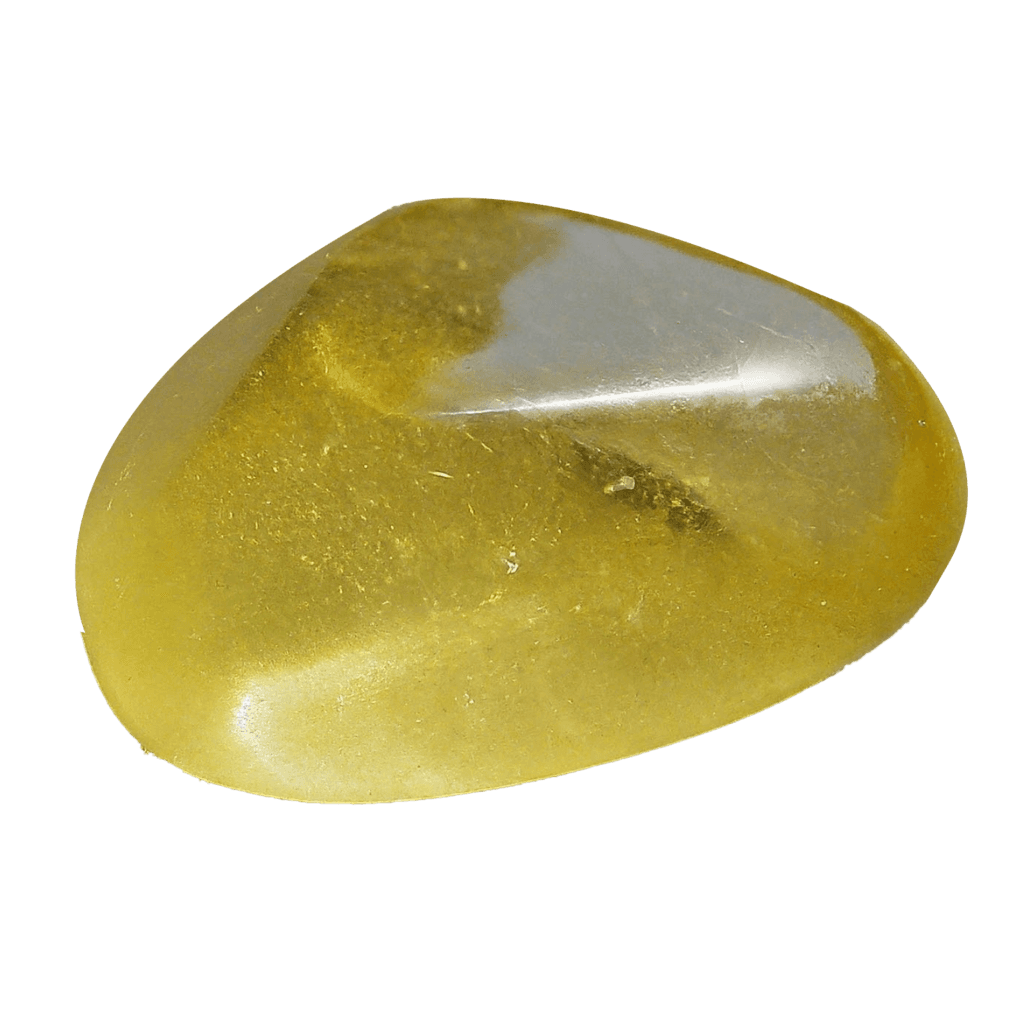
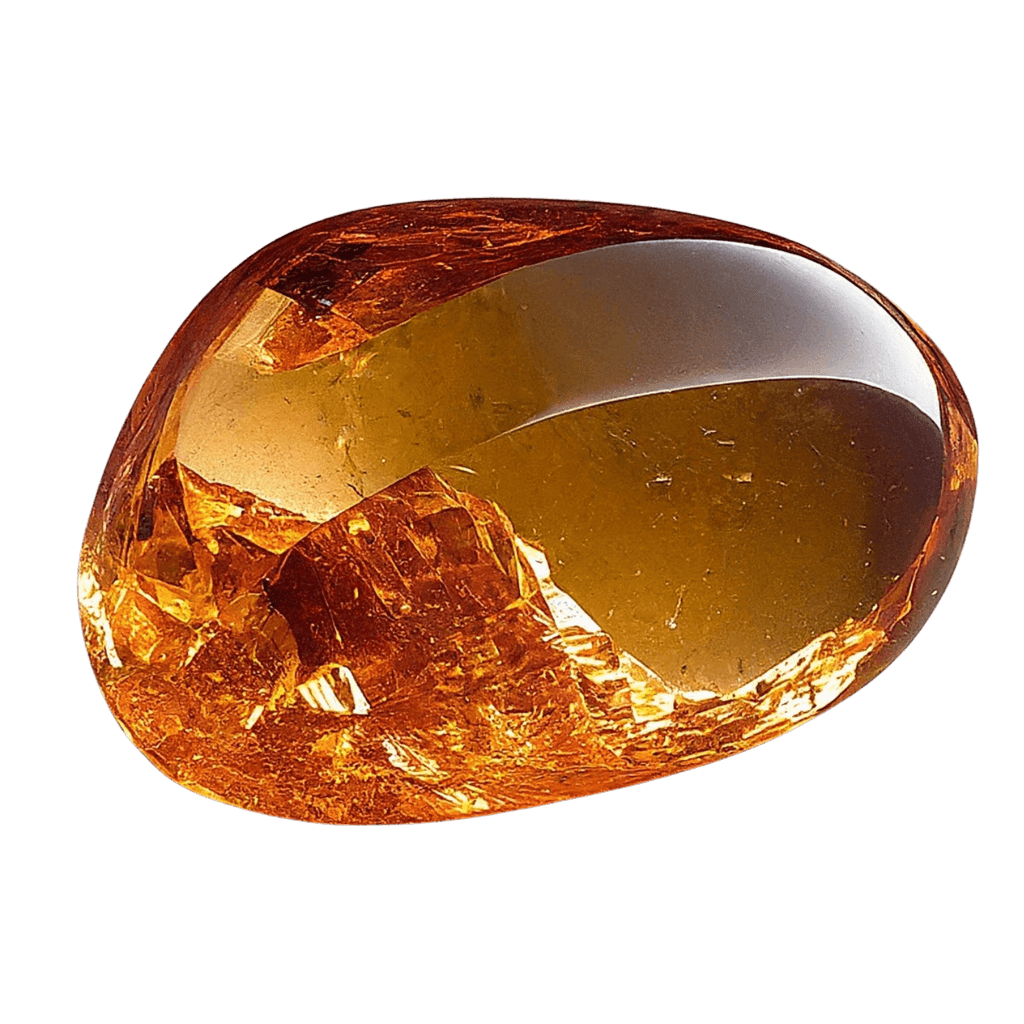
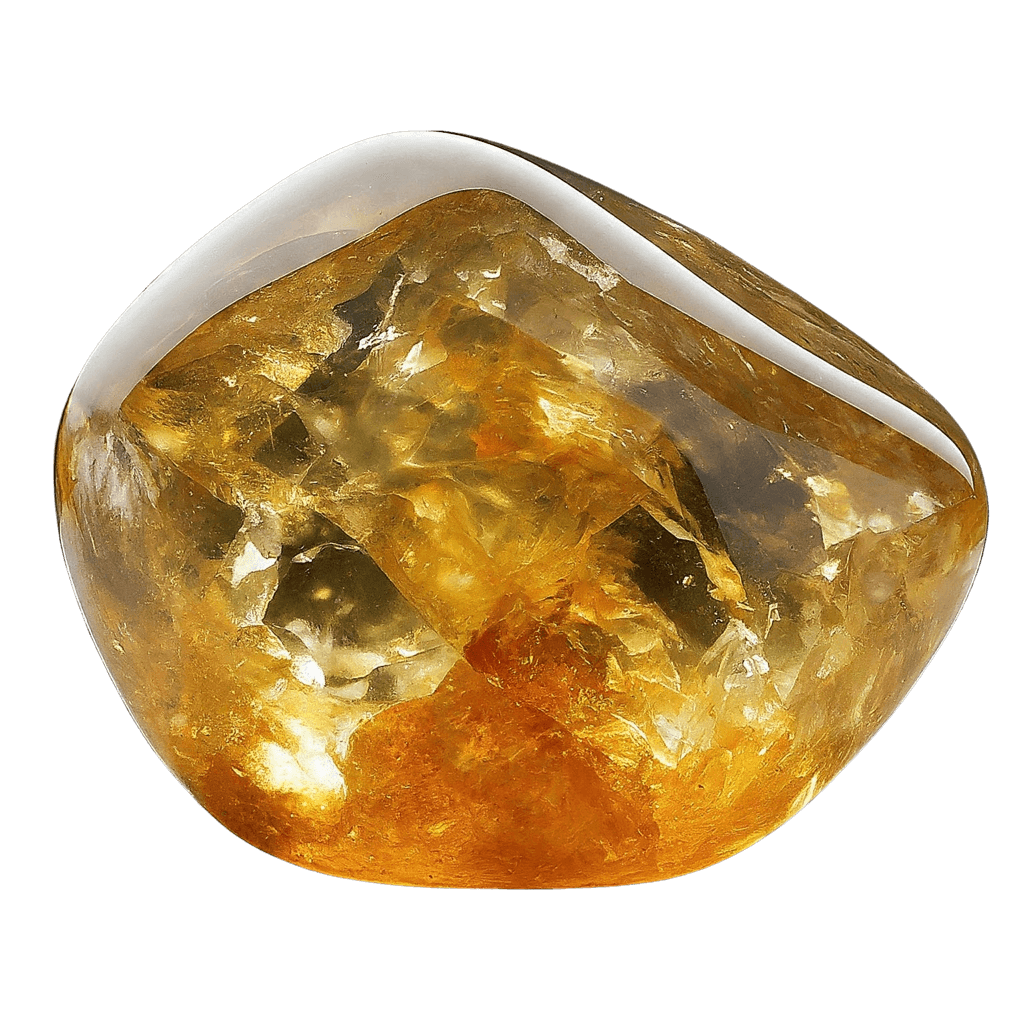
Color and pattern: natural Scapolite runs yellow, pink, or violet, with variation from piece to piece; perfectly uniform color across a whole tray is the classic mark of dye or synthetics.
Price reality: the fair range for Scapolite sits near $14 to $45 at palm size; below that, assume treatment or imitation until the seller proves otherwise.
Trust your source: provenance beats any hands-on check; ask where the Scapolite was mined and whether the yellow material is treated, and expect straight answers rather than adjectives.
Sourcing
Buying Scapolite well
The CrystalStones.com crystal store is not open yet, so we do not sell Scapolite here. What we can give you is the part that matters most: how to tell a genuine piece from a treated or dyed one, and how to care for it once it is yours.
Frequently Asked Questions
What is Scapolite good for?
Scapolite is traditionally associated with release, focus, decision making, and transformation. Many people find it supportive for release and for working with the Solar Plexus and Third Eye chakras.
Can Scapolite go in water?
It can. Scapolite handles brief water contact without trouble at Mohs 6, and a short rinse under cool water makes a sound regular cleanse. Dry it afterward and skip long soaks, which no tumbled stone loves.
Can Scapolite be in the sun?
Yes. Scapolite is one of the sun-tolerant stones, so use morning light freely to charge the yellow material; just bring it in rather than leaving it out for whole days at a time.
What chakra is Scapolite?
Scapolite is primarily associated with the Solar Plexus (Manipura) and Third Eye (Ajna) chakras. Rest it at the solar plexus during lying-down practice; that station is the traditional position for release.
What zodiac sign is Scapolite for?
Scapolite is traditionally connected to Taurus and Virgo. If your signs differ, work with Scapolite anyway; resonance in the hand outranks resonance on paper in every practical tradition.
How do I cleanse Scapolite?
Stick to Moonlight, Selenite, and Sage for Scapolite; those are the methods its care profile recommends. Water stays available for a quick rinse at Mohs 6, though the listed methods carry the monthly routine.
Is Scapolite real or fake, how can I tell?
Genuine Scapolite feels cool at first touch and warms slowly; at Mohs 6 it also resists the pocket scratches that mark softer fakes. A fair tumbled piece sits near $14 to $45 and shows honest variation across the yellow range; flawless uniformity at a bargain price is the tell worth trusting.
What’s Next?
A few thoughtful next steps if Scapolite is calling to you.
Explore More Tools
Crystal Quiz
Discover which crystal matches your energy right now.
Open →Chakra Test
Find which chakras need attention and the crystals to balance them.
Open →Crystal Cleansing Guide
Learn how to safely cleanse and charge your crystals.
Open →Crystals by Intention
Find the perfect crystal for what you need right now.
Open →