Quick Answer
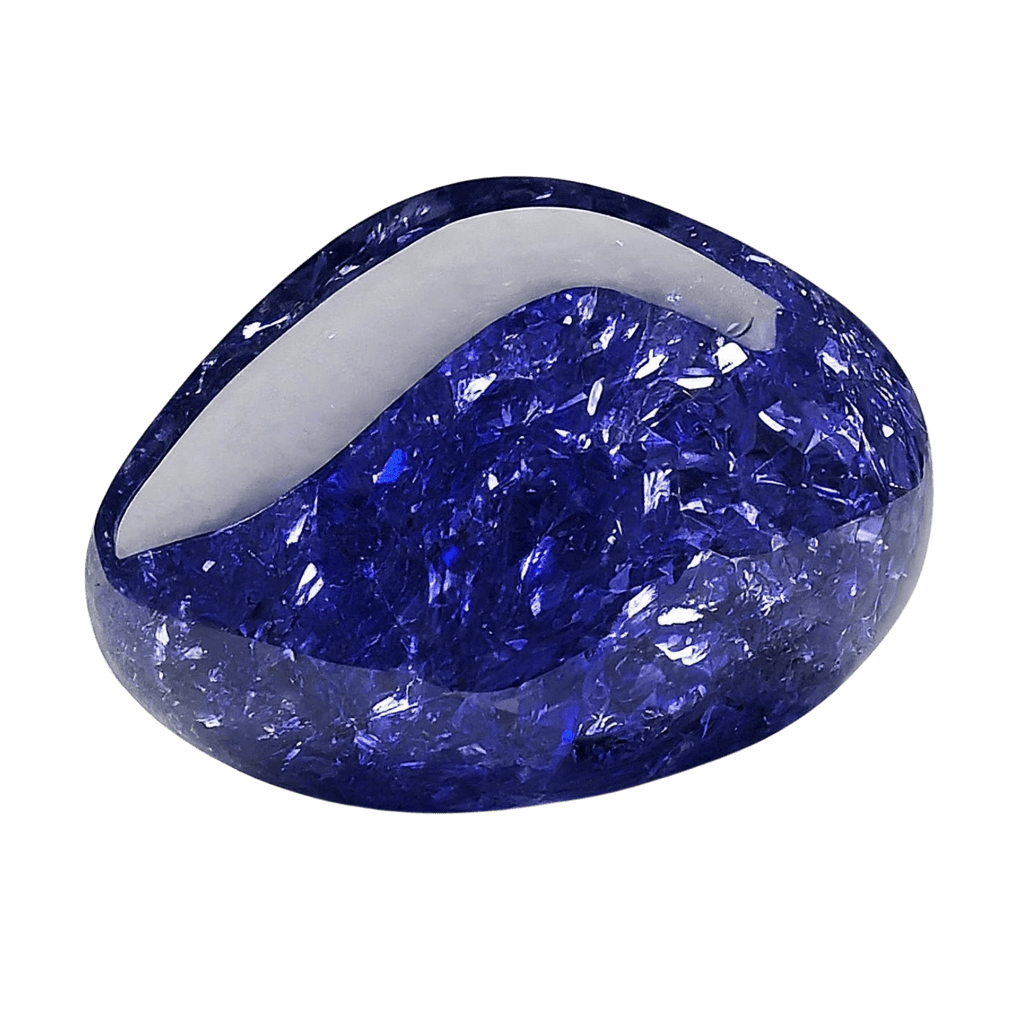
Tanzanite is a violet-blue crystal used in modern crystal healing for spiritual awakening, intuition, and communication. It measures 6.5 on the Mohs hardness scale and typically costs $40 to $80 for a tumbled stone. In the chakra tradition, Tanzanite is associated with the Throat and Third Eye chakras.
Worth knowing: Found in 1967, the gem was renamed tanzanite by Tiffany and Company in 1968, which judged "blue zoisite" unmarketable and launched it as obtainable in only two places, Tanzania and Tiffany's.
“A rare violet-blue stone of spiritual awakening and integrated communication.”
- Chakra
- Throat (Vishuddha), Third Eye (Ajna)
- Zodiac
- Sagittarius ♐
- Element
- Air 💨
- Planet
- Jupiter ♃
- Hardness
- 6.5 / 10 (Mohs)
- Colors
- Violet-blue, Blue-violet, Indigo
- Origin
- Tanzania
- Availability
- Not sold here yet
Care + Safety
Tanzanite at a glance
- Water: brief rinse safe
- Sun: tolerates sunlight charging
- Mohs hardness: 6.5 (occasional wear only)
Worried it's fake?
How to spot real Tanzanite
Tanzanite is one of the most-counterfeited stones on the consumer market. In my practice, the combination of two or three hands-on tests is usually enough to separate authentic from substitute.
See Cassandra's Tanzanite authenticity guide →What is Tanzanite?
Tanzanite is the blue-violet gem variety of the mineral zoisite, a calcium aluminum hydroxyl silicate, colored by traces of vanadium. Most crystals emerge from the ground brownish and owe their saturated blue to careful heating; commercial mining is confined to a strip of the Merelani Hills only a few kilometers long in northern Tanzania.
Tanzanite measures 6.5 on the Mohs scale and shows violet-blue, blue-violet, or indigo coloring. Quiet practice is its native ground; the catalog files it with the contemplative stones and hands it spiritual awakening, intuition, and communication as its brief.
The stone connects primarily to the Throat (Vishuddha) and Third Eye (Ajna) chakras, carrying Air energy. Today the material is drawn from Tanzania. Hold pieces from two different sources side by side and the differences in the violet-blue material, tone, translucency, pattern, become obvious fast.
Tanzanite exists in only one place on Earth, a small area near Mount Kilimanjaro. Its violet-blue pleochroism bridges the throat and third eye, uniting what you see with what you say. This stone accelerates spiritual development while keeping you articulate about the experience.
Also catalogued as Stone of Magic and Gem of Kilimanjaro, Tanzanite earns its place in a working collection by being usable: start with spiritual awakening, the job it is best known for, and let the stone widen its own brief from there.
History and Mythology
Tanzanite is a modern entry in the crystal canon. Its mineral identity was established in the scientific era, the healing vocabulary around it dates to recent decades, and any claim of ancient ritual use should be met with a raised eyebrow. The stone itself, formed in deposits now mined in Tanzania, is of course older than every book ever written about it.
The correspondence tables used by today's practitioners assign Tanzanite to Sagittarius under the rulership of Jupiter ♃. In that system, work centered on spiritual awakening is said to land best while those signs are in season.
Whatever the age of the name, the geology is patient: every piece of Tanzanite took shape over geological timescales, arriving at its Mohs 6.5 hardness through slow heat, pressure, and chemistry long before any hand reached for it.
Tanzanite Meaning and Metaphysical Properties
First Touch
Tanzanite announces itself through temperature: a cool, violet-blue, glass-polished weight at Mohs 6.5 that warms deliberately, not instantly, inside a closed palm. Close your eyes for the first minute of contact; the contemplative stones report in images and half-thoughts more than in sensations, so give them a quiet channel.
Primary Properties
The properties of Tanzanite belong to the contemplative register: spiritual awakening, intuition, communication, and transformation. Stones in this family reward stillness; their qualities surface in meditation, dreamwork, and the quiet minutes before the day starts. Keep it where you sit, not where you rush.
How Crystal Energy Works
Tradition stations Tanzanite at the Throat, the narrow bridge where what you know becomes what you say, and spiritual awakening is the load assigned to it. The classic session is small: hold the stone, speak one true thing about spiritual awakening, intuition, and communication, and stop there. Judy Hall classes the contemplative stones with the third eye and crown and gives the whole family one instruction: seated work, short sessions, no forcing.
Amplification Through Intention
Air stones like Tanzanite move with attention; the tradition puts them to work as study and speech companions with spiritual awakening as the brief. A short breathing pause with the stone before spiritual awakening, intuition, and communication work is the classic use.
Healing Benefits
Emotional Support
Tanzanite attends the slow-surfacing feelings: spiritual awakening, intuition, and communication, the states that only show themselves in quiet. Give it the processing hours, the journal, the sit, the unplugged walk, where emotion wants room instead of repair. These are traditional spiritual awakening associations rather than medical claims; for anything heavy or persistent, a qualified professional belongs in the picture alongside any stone.
Spiritual Connection
Tradition reserves Tanzanite for the practices built around listening, sitting meditation, the morning dream log, silence held long enough for inner counsel to become audible. Expect no answers from the stone itself; expect it to keep you seated while the forming ones finish.
Physical Presence
Tradition reads Air stones like Tanzanite through the breath: hold it whenever the pace of spiritual awakening work gets ahead of you, and let a few long exhales go by uncounted. The stone's role is to make you notice breathing at all; the noticing is the benefit, and no mineral substitutes for medical care.
Chakra Connection
Tanzanite resonates most strongly with the Throat (Vishuddha), the energy center traditionally drawn in blue and the traditional seat of this stone's spiritual awakening work. When this center runs clear, the classical markers are words that match what you mean and a voice you recognize as your own; spiritual awakening, intuition, and communication are what Tanzanite is most often asked to bring to it.
Worn short at the throat, or touched once before you speak, Tanzanite works the bridge between knowing and saying; small repeated contact serves spiritual awakening better than one long session.
Because Tanzanite is also associated with the Third Eye (Ajna), it moves well in multi-stone layouts: one stone, two stations, worked on different days.
Zodiac and Astrological Connection
In the modern correspondence tables Tanzanite is assigned to Sagittarius ♐ (Nov 22 to Dec 21); a Sun, Moon, or rising placement there is read as a head start with this stone, nothing more.
The gate, though, stands open: you do not need a Sagittarius Sun to work with Tanzanite, and a genuine pull toward the stone outweighs its paper assignments.
Jupiter ♃ rules Tanzanite in this tradition, so practitioners time their longer sessions to that planet's active periods, especially for spiritual awakening.
How to Use Tanzanite
These are the five ways of working with Tanzanite I suggest most often. Begin wherever your attention goes first; the sequence matters far less than starting.
- 1
Meditation Hold
Begin the sit with Tanzanite against the skin and use its coolness as the focus; at Mohs 6.5 it holds that freshness for a while before giving in to body heat.
- 2
Body Placement
Set Tanzanite at the throat's lowest point while you lie back, and let the jaw go slack. Stay as long as staying is easy, and stop when it stops being easy, which is the only measure the old guidance offers. That low seat is the throat's traditional station, and the work assigned to it is spiritual awakening.
- 3
Sleep Companion
Tanzanite can still earn the nightstand even though its brief is spiritual awakening rather than rest: setting the stone down as you set the day down marks the switch from doing to sleeping.
- 4
Carry With You
Carry Tanzanite on the deciding days and touch it when you catch yourself rehearsing other people's opinions; the contact is a prompt to consult your own spiritual awakening first.
- 5
Crystal Grid Anchor
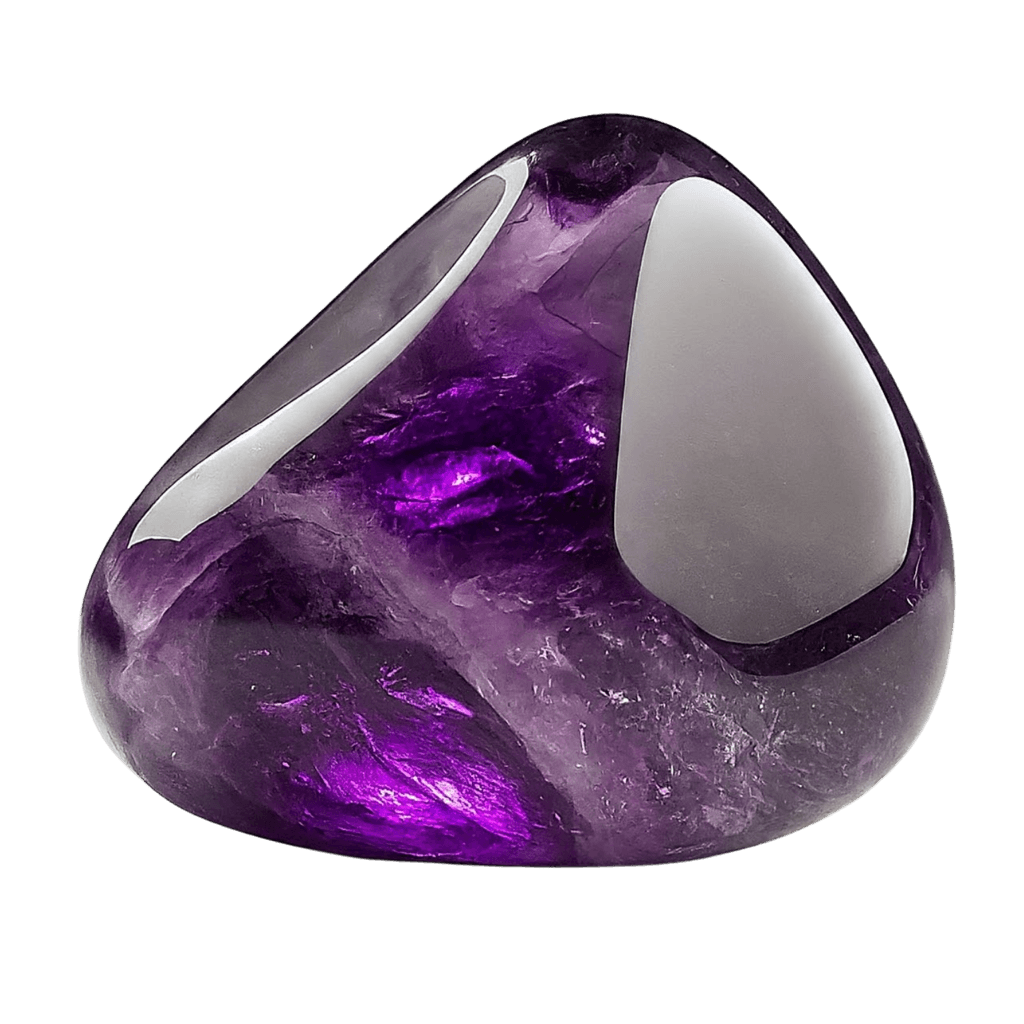
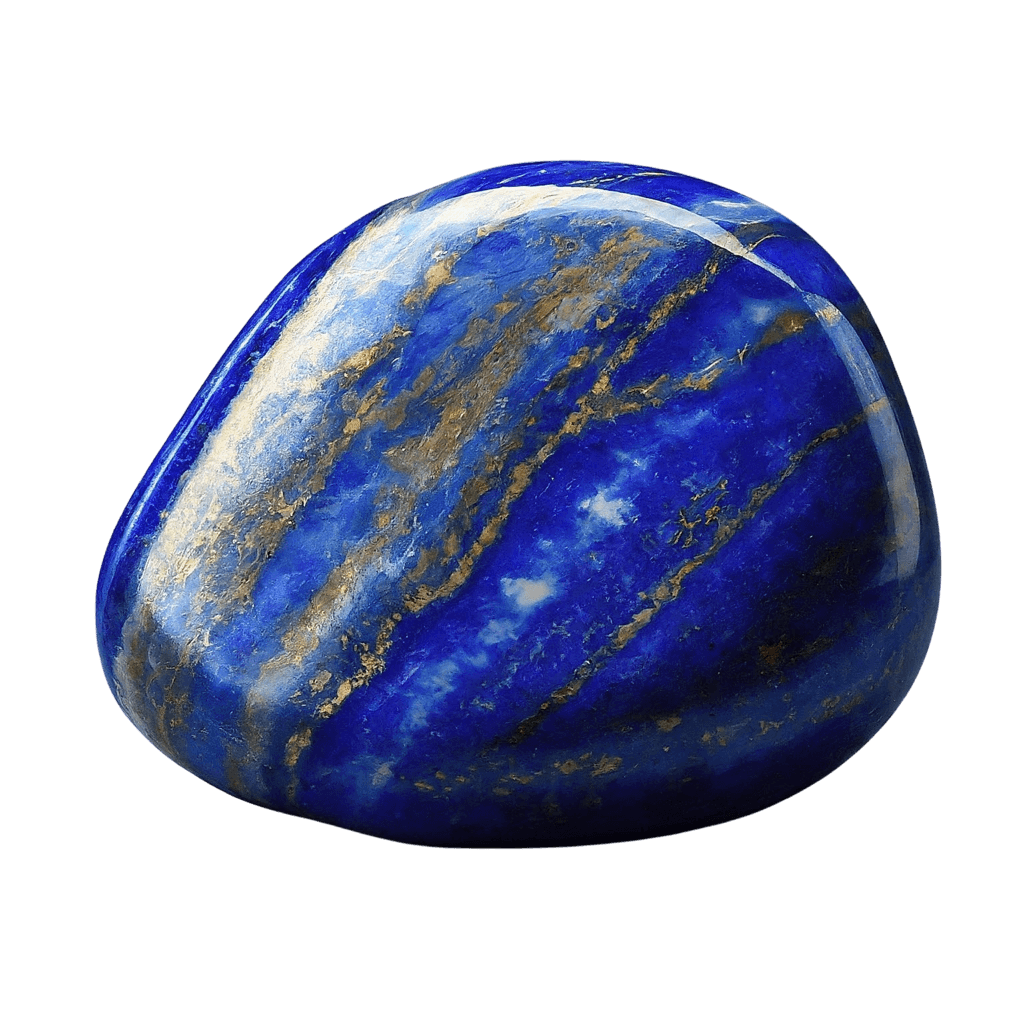
For grid work, give Tanzanite the anchor position and run Amethyst and Lapis Lazuli on the outer points, all matched to a single spiritual awakening intention. Rebuild it when it goes stale; a spiritual awakening grid you have stopped seeing has stopped working.
How to Cleanse and Charge
A worked stone needs clearing, and Tanzanite is no exception; practitioners describe an uncleansed crystal as muffled, present but quieter than it should be. For the full safety profile and the cadence I recommend, see the dedicated Tanzanite care guide.
- 1
Moonlight
Once a month, let Tanzanite sit overnight in moonlight, on the full moon if you can manage it. Nothing in the cabinet is harmed by this method, which is why it anchors most cleansing routines.
- 2
Selenite
Lay Tanzanite on a selenite plate or alongside a selenite wand overnight; selenite is the tradition's self-cleaning shelf, no effort, no risk to the stone.
- 3
Sage
Smoke-cleanse Tanzanite: light the sage, let it settle to a smolder, and move the stone through the rising smoke until your sense of it lightens, usually under a minute.
- 4
Sound
Hold Tanzanite near a singing bowl, bell, or tuning fork and let a full minute of tone wash over it; sound reaches stones that water, salt, and sun cannot safely touch.
How often to cleanse
Give Tanzanite a clearing at least every month, and sooner after hard weeks or heavy daily use. The stone will teach you its own signal in time; most people describe it as dullness, weight, or a sense the stone has gone quiet.
Charging after cleansing
After cleansing, charge Tanzanite by placing it in morning sunlight for 30 minutes. This restores its energetic vitality.
The Crystal Starter Library
A free guide from Crystal Cassandra: the twelve stones that cover almost everything, a one page care matrix for water, sun and salt, and how to build a first intention practice.
We respect your inbox. Unsubscribe anytime.
Crystal Pairings
Keep the company around Tanzanite subtle: its traditional partners are the ones that thicken quiet instead of breaking it. These combinations belong to the meditation room, where stillness and spiritual awakening set the agenda. One new stone per week is plenty, and your own sits are the judges.
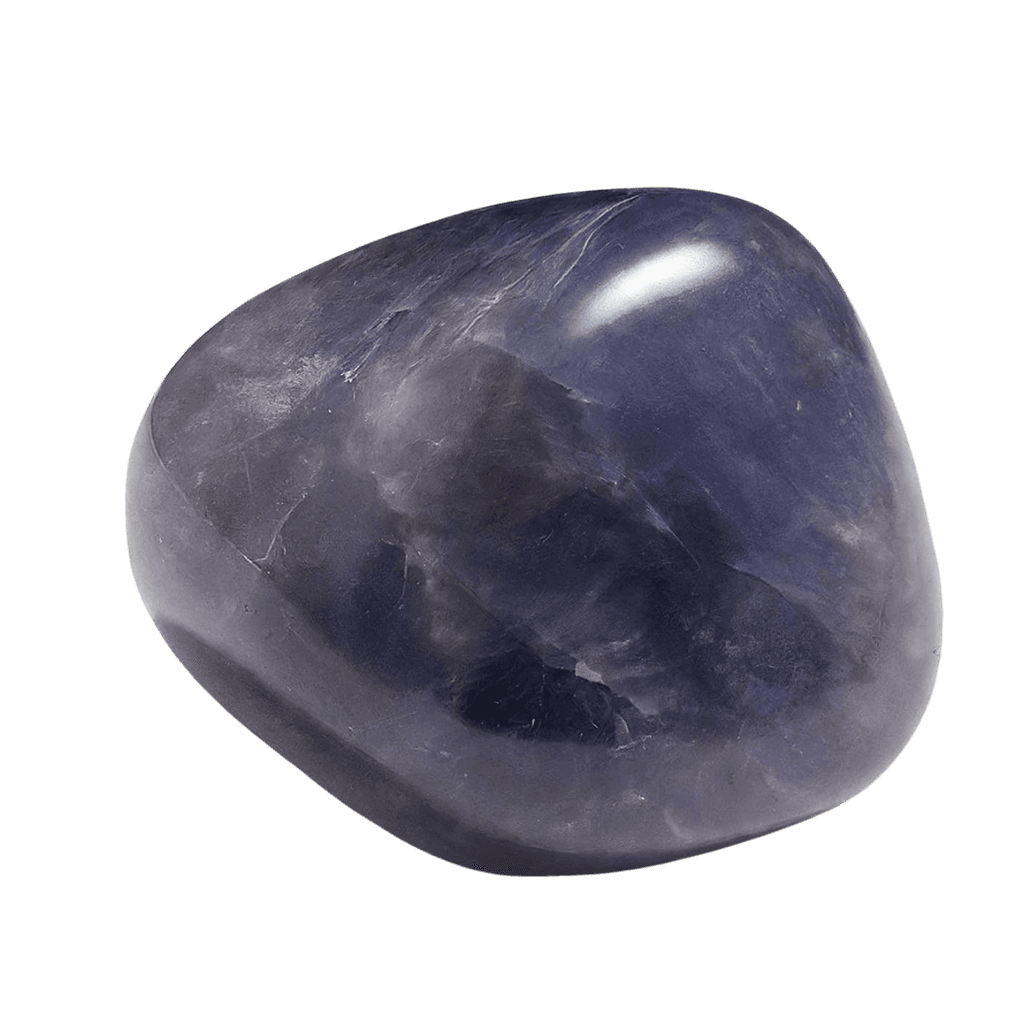
How to Spot Real vs Fake Tanzanite
Before buying Tanzanite, run the piece through these checks; nothing here needs equipment, just your hands, the violet-blue stone in question, and a healthy skepticism:
Temperature: genuine Tanzanite feels distinctly cool at first touch and gives that coolness up slowly; resin copies feel warm almost immediately, which is the quickest tell there is.
Weight and density: resin fakes run light for their size, while genuine Tanzanite at Mohs 6.5 carries honest mineral density; weigh it in the palm against any real tumbled stone you own.
Color and pattern: natural Tanzanite runs violet-blue, blue-violet, or indigo, with variation from piece to piece; perfectly uniform color across a whole tray is the classic mark of dye or synthetics.
Price: expect $40 to $80 for a decent tumbled or palm piece of Tanzanite; dramatic discounts mean dye, resin, or mislabeling more often than they mean luck.
Trust your source: a seller who knows where a violet-blue stone like this came from and says so plainly is worth more than every test on this list. Vagueness about origin is itself an answer.
Sourcing
Buying Tanzanite well
The CrystalStones.com crystal store is not open yet, so we do not sell Tanzanite here. What we can give you is the part that matters most: how to tell a genuine piece from a treated or dyed one, and how to care for it once it is yours.
Frequently Asked Questions
What is Tanzanite good for?
Tanzanite is traditionally associated with spiritual awakening, intuition, communication, and transformation. Many people find it supportive for spiritual awakening and for working with the Throat and Third Eye chakras.
Can Tanzanite go in water?
Yes. Tanzanite is water-safe at Mohs 6.5, so a brief rinse under cool running water is a perfectly good cleanse. Towel the stone off afterward and treat soaking as off the menu; brief contact is the whole agreement.
Can Tanzanite be in the sun?
Yes. Tanzanite is one of the sun-tolerant stones, so use morning light freely to charge the violet-blue material; just bring it in rather than leaving it out for whole days at a time.
What chakra is Tanzanite?
Tanzanite is primarily associated with the Throat (Vishuddha) and Third Eye (Ajna) chakras. Either of two stations works: the throat in placement practice, or a short chain that keeps it there all day, each serving its spiritual awakening role.
What zodiac sign is Tanzanite for?
Tanzanite is traditionally connected to Sagittarius. That said, the zodiac correspondence is an invitation rather than a requirement; any chart can work with Tanzanite, and attraction to the stone matters more than the calendar.
How do I cleanse Tanzanite?
Stick to Moonlight, Selenite, and Sage for Tanzanite; those are the methods its care profile recommends. Because the stone is water-tolerant at Mohs 6.5, an occasional rinse can supplement the list, with the named methods doing the steady monthly work.
Is Tanzanite real or fake, how can I tell?
Genuine Tanzanite feels cool at first touch and warms slowly; at Mohs 6.5 it also resists the pocket scratches that mark softer fakes. A fair tumbled piece sits near $40 to $80 and shows honest variation across the violet-blue range; flawless uniformity at a bargain price is the tell worth trusting.
What’s Next?
A few thoughtful next steps if Tanzanite is calling to you.
Explore More Tools
Crystal Quiz
Discover which crystal matches your energy right now.
Open →Chakra Test
Find which chakras need attention and the crystals to balance them.
Open →Crystal Cleansing Guide
Learn how to safely cleanse and charge your crystals.
Open →Crystals by Intention
Find the perfect crystal for what you need right now.
Open →