What is the Children and Creativity sector?
The Children sector in Feng Shui (子女, Zǐ Nǚ) is the west corner of any space, governed by the Metal element and the trigram 兌 Dui (Lake). Activating this sector with children's artwork, white and pastel colors, metal chimes, and stones like moonstone, selenite, and clear quartz is traditionally said to support children, creativity, and the joyful completion of projects.
Key Takeaways
- Compass direction: West (Compass School / 理氣 Lǐ Qì).
- BTB position: Center-right wall from the front door entry (BTB Feng Shui / Lin Yun lineage).
- Trigram: 兌 Duì (The Joyous / Lake), element Metal (金).
- Activating colors: white, silver, gold, pastels.
- Top crystals: Moonstone, Selenite, Clear Quartz.
- Family member association: Youngest daughter.
- Compass Direction
- West
- Element (Wu Xing)
- Metal (金)
- Trigram
- 兌 Duì ☱
- Body correspondence
- Mouth, in the classical Bagua correspondence
What is the Children and Creativity Sector?
The Children sector (子女 Zǐ Nǚ) is the west corner of any space and is governed by the Dui trigram (兌 Duì), the joyful lake, refined Metal at sunset, and the principle of completion-with-lightness. In classical Compass School feng shui, this is the sector traditionally associated with children, creativity, joyful play, and the satisfying completion of long-running projects. The classical sources, particularly Stephen Skinner's Feng Shui, describe Dui as the protective trigram for new generations, both literal (children) and metaphorical (creative work coming to fruition). The classical sources note that activating this sector with white and pastel colors, metal chimes, and Metal-element stones like moonstone, selenite, and clear quartz supports the Dui trigram's qi of joyful completion.
The classical reference is well-documented: Yuan Hai Zi Ping describes the Dui trigram (兌) as 'the joyful lake at sunset', refined Metal carrying lightness and the satisfaction of completion. Stephen Skinner's Feng Shui detailing emphasizes Dui's protective qi for children. In the modern lineage, Master Wei Lin draws on Joey Yap's Feng Shui for Homebuyers and Lillian Too's Practical Feng Shui as the most accessible modern English-language treatments of the children and creativity sector, both grounded in the Compass School (理氣 Lǐ Qì) tradition.
Compass School vs BTB Feng Shui
The two major Feng Shui schools disagree on which physical area of your home corresponds to the children and creativity sector, but they agree on the trigram, element, and activating materials. This is one of the most important distinctions in modern Western feng shui practice.
Compass School (理氣)
Joey Yap · Lillian Too · Master Raymond Lo
Maps the children and creativity sector to the physical west of your home, measured with a compass or luopan (羅盤). This is the classical Chinese method.
BTB Feng Shui (Black Hat)
Lin Yun · Stephen Skinner · Lillian Too (popular)
Maps the children and creativity sector to the center-right wall from the front door entry, regardless of compass direction. Popularized in the West.
Activating the Children and Creativity Sector
According to classical Compass School practice, the children and creativity sector responds to a small number of well-chosen additions rather than dense decoration. The 兌 Duì trigram's qi is fed by white, silver, gold, pastels colors and metal, ceramic, crystal, white textiles materials.
Recommended design choices
- If you have children, display their artwork and harmonious photos in the west sector.
- Add round metal objects, small bowls, wind chimes, or a smooth metal sculpture, to feed the Metal element.
- Use white, silver, or soft pastel colors as accents in this area.
- Place moonstone, selenite, or clear quartz in the west corner. Lillian Too specifically recommends a moonstone for households trying to conceive.
Objects traditionally placed here
- Children's artwork or photos (if you have children)
- Creative-project artifacts (sketches, instruments, prototypes)
- Round metal objects (chimes, bells, small bowls)
- Moonstone, selenite, or clear quartz
Crystals for the Children and Creativity Sector
The classical Chinese stone pairings combine color, element, and trigram resonance. Each of these stones is traditionally placed in the west corner of any space, on a shelf, desk, or windowsill, in clean light. Author Master Wei Lin describes these as foundations rather than guaranteed effects: the classical sources note the right stone supports the right direction.
Moonstone
Place in the west (metal element)
Moonstone's iridescent white surface mirrors the Dui trigram's joyful Metal qi. Classical Chinese stone lore associates moonstone with the youngest daughter (Dui's familial assignment) and with the protective qi for children and creative projects alike.
Selenite
Place in the west (metal element)
Selenite's clear, light-filled Metal-energy supports both children's qi and creative flow. Many feng shui practitioners place a selenite wand on the west window sill to harmonize the children sector throughout the day.
Clear Quartz
Place in the west (metal element)
Clear quartz is the master amplifier of Metal qi in classical Chinese gemology. Placing clear quartz in the west supports the kind of clarity that helps creative projects reach completion, Dui is the trigram of finishing as well as joy.
Suggested Bundle
Children and Creativity Set
A curated set of 3 crystals chosen to activate the children and creativity sector (子女 Zǐ Nǚ). Place together in the west corner of your space, the classical Compass School arrangement for the 兌 Duì trigram.
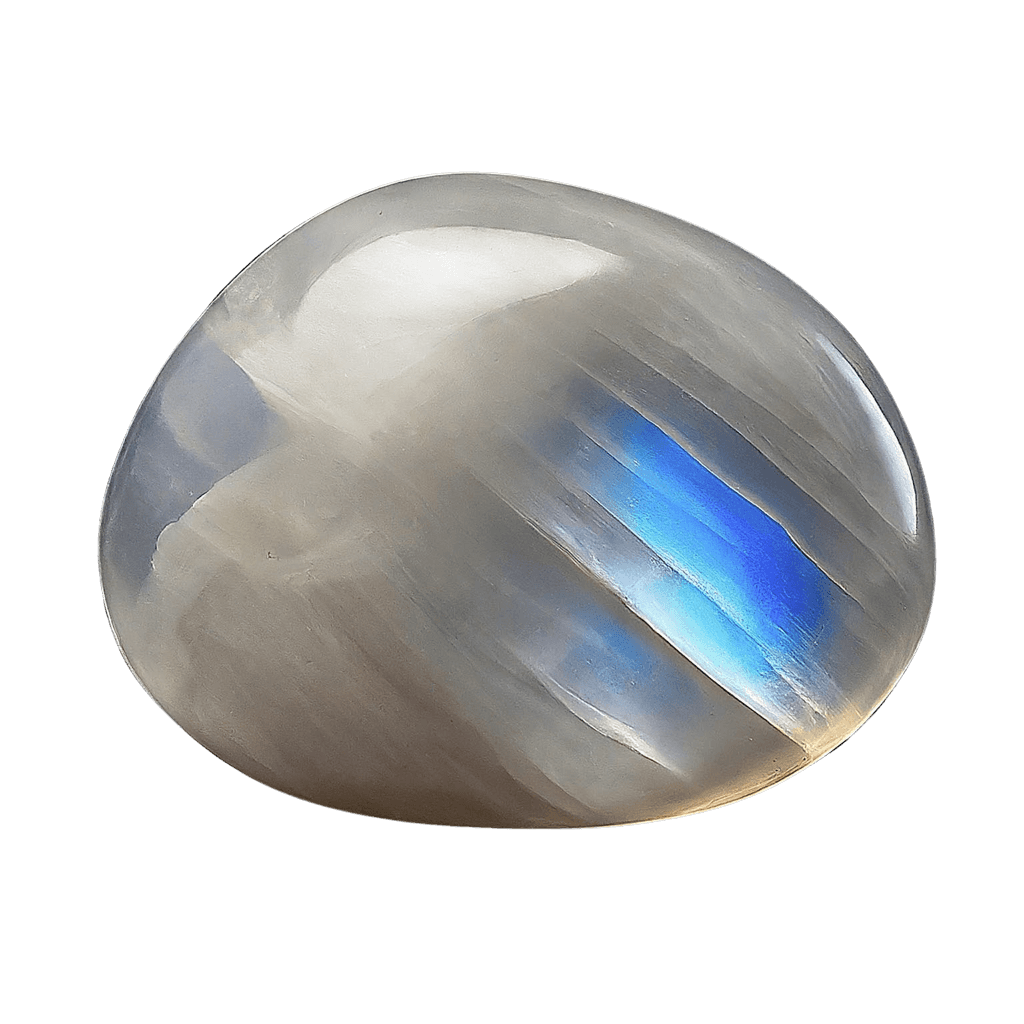
Moonstone
Primary creative stone
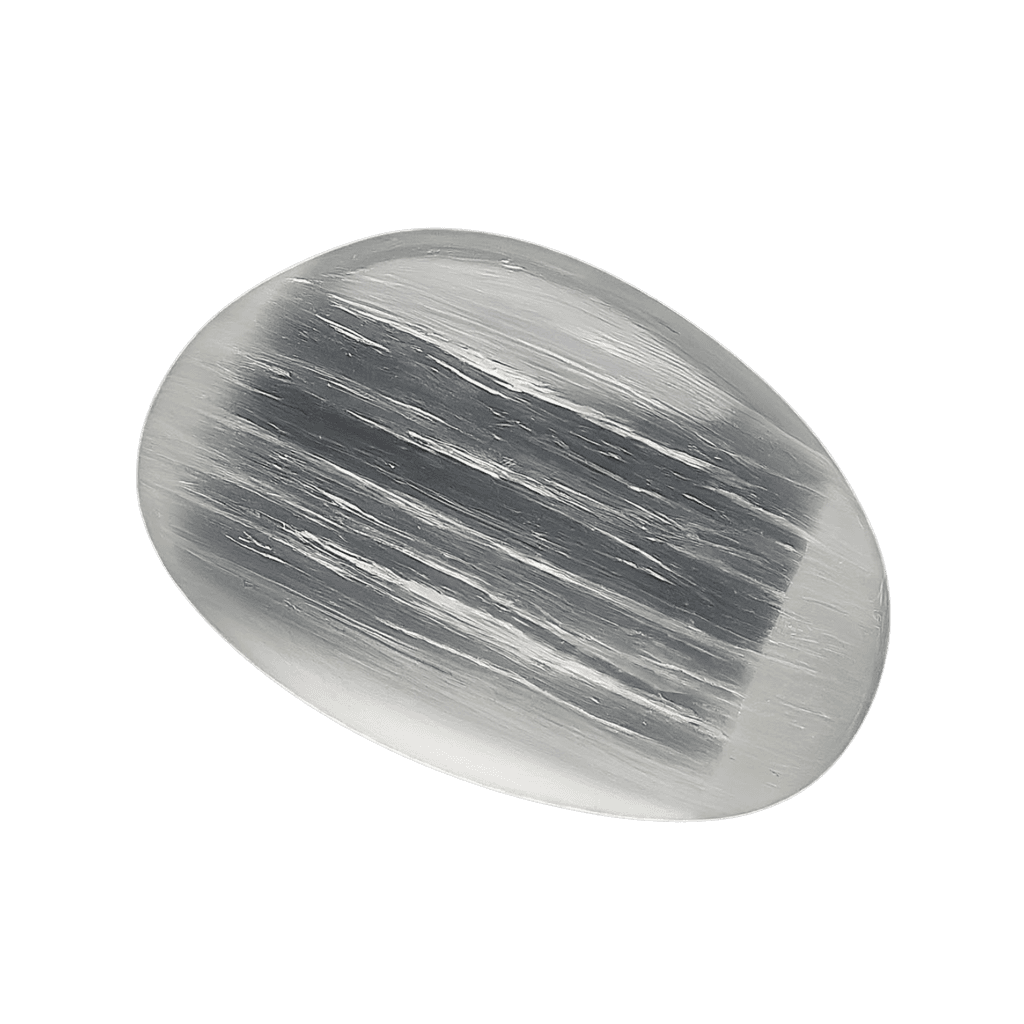
Selenite
Supporting amplifier
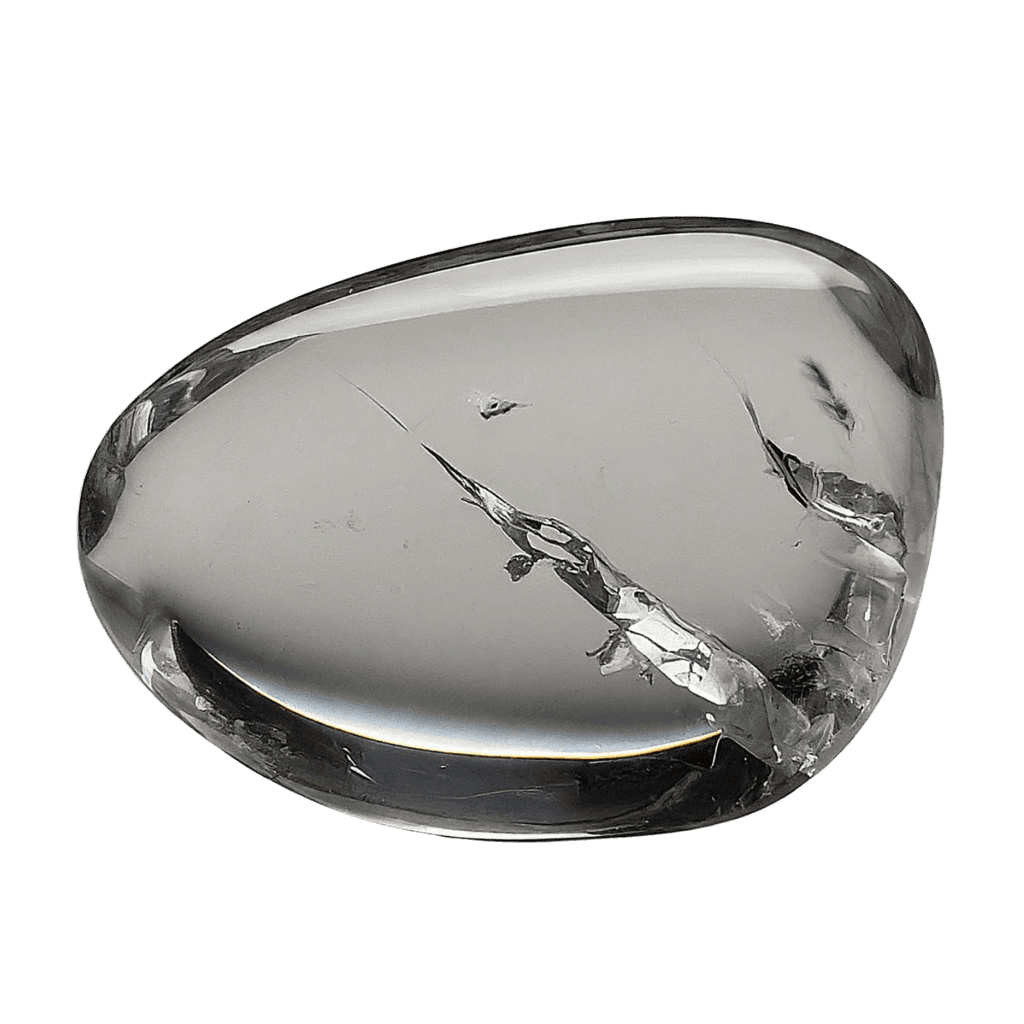
Clear Quartz
Anchoring stone
The CrystalStones.com crystal store is not open yet. These stones are not for sale here.
What to Avoid in the Children and Creativity Sector
Joey Yap describes feng shui mistakes in this sector as more consequential than missed opportunities, the right stones in the wrong corner mostly do nothing, but the wrong objects in the right corner can actively block the sector's qi. Classical sources name these specific avoidances:
By Room
The children and creativity sector behaves differently in different rooms, the classical sources describe each space as having its own qi pattern that interacts with the sector's trigram.
In the bedroom
If the west wall of your bedroom is the children sector, soft white or pastel colors and a small moonstone or selenite piece support the joyful, creative qi of Dui. For a child's bedroom located in the west, this is the strongest natural placement.
In the office or workspace
The children sector in an office isn't only for parents, it's also the creative-project sector. Place a small piece of artwork-in-progress, a creative artifact, or a piece of selenite or clear quartz in the west corner.
In the living room
A living room's west sector welcomes children's art, family creative artifacts (instruments, craft supplies displayed beautifully), and a small wind chime by a west-facing window. Joey Yap describes wind chimes as particularly suited to Dui's Metal qi.
Related Bagua Sectors
The eight Bagua sectors form a unified system, Lillian Too describes the Bagua as a single integrated map where each sector interacts with the others. These are the related sectors most often tended alongside the children and creativity corner:
About Master Wei Lin
Master Wei Lin (魏霖) is a stylized editorial persona representing a composite of classical Chinese metaphysics scholarship, drawn from Yuan Hai Zi Ping, Zi Ping Zhen Quan, the I-Ching, and the modern lineage of Joey Yap, Master Raymond Lo, Lillian Too, and Stephen Skinner. The content is written for educational reflection, with cultural safeguards: Chinese terms are introduced with 漢字 + pinyin + English, school differences are disclosed, and ritual prescriptions are described historically rather than instructed.
Frequently Asked Questions
Which compass direction is the children sector?
In Compass School Feng Shui, the children sector is due West (西 Xī). In BTB Feng Shui, the children sector is the center-right wall from the front door entry. Both schools agree the trigram is Dui (兌) and the element is Metal.
Should I activate this sector if I don't have children?
Yes. The 'children' sector is also the creativity-and-completion sector in classical Chinese metaphysics. Joey Yap describes Dui as governing all 'new creations', books, businesses, art, ideas, not only biological children. Tend this sector if you have creative projects you want to bring to completion.
Best crystal for fertility?
Moonstone is the most classical choice for fertility-related work in the children sector, its association with the moon, with cycles, and with the feminine receptivity makes it the traditional first choice. The traditional remedy is to pair moonstone with a small clear quartz to amplify its qi.
What about wind chimes?
Wind chimes are particularly aligned with the Dui trigram's Metal qi, and Joey Yap recommends them in the west sector, especially metal-tubed chimes that produce clear, bell-like tones. Avoid bamboo or wooden chimes in the west; they introduce Wood, which Metal controls (creating subtle disharmony).
Can children sleep in the west bedroom?
Classical Compass School feng shui considers the west sector one of the most naturally protective placements for children's bedrooms, Dui is the trigram of the youngest daughter and carries protective qi. Many traditional Chinese homes specifically place children's rooms in the west of the dwelling.
Share Your Result
Vertical 9:16 format, perfect for Instagram Stories or TikTok. Opens in a new tab; long-press or right-click to save.
Notes from Master Wei Lin
No newsletter and no schedule. Master Wei Lin writes occasionally on BaZi, the five phases and feng shui, with the classical sources named. One reply removes you.
We respect your inbox. Unsubscribe anytime.
Explore More Tools
Kua Number Calculator
Find your personal feng shui directions and trigram.
Open →Chinese Zodiac Calculator
Find your zodiac animal, Wu Xing element, and crystal.
Open →Chinese Metaphysics Hub
Wu Xing, BaZi, Feng Shui, and the 12 Zodiac introduced.
Open →Helpful People and Travel Sector
The helpful people and travel sector, northwest corner.
Open →