What is the Knowledge and Self-Cultivation sector?
The Knowledge sector in Feng Shui (智慧, Zhì Huì) is the northeast corner of any space, governed by the Earth element and the trigram 艮 Gen (Mountain). Activating this sector with books, earth tones, contemplative space, and stones like amethyst, lapis lazuli, sodalite, and fluorite is traditionally said to support study, wisdom, and self-cultivation.
Key Takeaways
- Compass direction: Northeast (Compass School / 理氣 Lǐ Qì).
- BTB position: Near-left corner from the front door entry (BTB Feng Shui / Lin Yun lineage).
- Trigram: 艮 Gèn (The Mountain / Stillness), element Earth (土).
- Activating colors: yellow, earth tones, blue accents.
- Top crystals: Amethyst, Lapis Lazuli, Sodalite.
- Family member association: Youngest son.
- Compass Direction
- Northeast
- Element (Wu Xing)
- Earth (土)
- Trigram
- 艮 Gèn ☶
- Body correspondence
- Hands and fingers, in the classical Bagua correspondence
What is the Knowledge and Self-Cultivation Sector?
The Knowledge sector (智慧 Zhì Huì) is the northeast corner of any space and is governed by the Gen trigram (艮 Gèn), the mountain, contemplative Earth, and the principle of patient accumulation. In classical Compass School feng shui, this is the sector traditionally associated with study, wisdom, self-cultivation, and the slow building of understanding over a lifetime. The classical sources, particularly Stephen Skinner's Feng Shui, frame the northeast as the natural location for study, meditation, and the kind of inner work that requires stillness. The classical reading shows that activating this sector with books, earth tones, a contemplative space, and Earth-element stones like amethyst, lapis lazuli, sodalite, and fluorite supports the Gen trigram's qi of mountainous patience.
The classical reference is well-documented: Yuan Hai Zi Ping describes the Gen trigram (艮) as 'the mountain standing still while everything around it moves', Earth at its most contemplative. Stephen Skinner emphasizes the Gen sector as the natural location for study and meditation in any classical Chinese dwelling. In the modern lineage, Master Wei Lin draws on Joey Yap's Feng Shui for Homebuyers and Lillian Too's Practical Feng Shui as the most accessible modern English-language treatments of the knowledge and self-cultivation sector, both grounded in the Compass School (理氣 Lǐ Qì) tradition.
Compass School vs BTB Feng Shui
The two major Feng Shui schools disagree on which physical area of your home corresponds to the knowledge and self-cultivation sector, but they agree on the trigram, element, and activating materials. This is one of the most important distinctions in modern Western feng shui practice.
Compass School (理氣)
Joey Yap · Lillian Too · Master Raymond Lo
Maps the knowledge and self-cultivation sector to the physical northeast of your home, measured with a compass or luopan (羅盤). This is the classical Chinese method.
BTB Feng Shui (Black Hat)
Lin Yun · Stephen Skinner · Lillian Too (popular)
Maps the knowledge and self-cultivation sector to the near-left corner from the front door entry, regardless of compass direction. Popularized in the West.
Activating the Knowledge and Self-Cultivation Sector
According to classical Compass School practice, the knowledge and self-cultivation sector responds to a small number of well-chosen additions rather than dense decoration. The 艮 Gèn trigram's qi is fed by yellow, earth tones, blue accents colors and earth, books, stone, ceramic materials.
Recommended design choices
- Place your primary study or work desk in the northeast if possible, Joey Yap's most-cited recommendation for students.
- Display a small, well-curated bookshelf with genuinely valued books in this sector.
- Use earth tones, soft yellows, browns, sage greens, as the dominant palette.
- Add an amethyst geode or a lapis lazuli piece on the desk or shelf in the northeast.
Objects traditionally placed here
- Books, especially ones genuinely read and valued
- A meditation cushion or contemplative space
- Earth-toned art (mountains, deserts, valleys)
- Amethyst, lapis lazuli, sodalite, or fluorite
Crystals for the Knowledge and Self-Cultivation Sector
The classical Chinese stone pairings combine color, element, and trigram resonance. Each of these stones is traditionally placed in the northeast corner of any space, on a shelf, desk, or windowsill, in clean light. Author Master Wei Lin describes these as foundations rather than guaranteed effects: the classical sources note the right stone supports the right direction.
Amethyst
Place in the northeast (earth element)
Amethyst supports the contemplative, wisdom-seeking qi of the Gen trigram. Classical Chinese stone lore associates amethyst with the kind of patient understanding that mountains embody, slow, accumulated, deep.
Lapis Lazuli
Place in the northeast (earth element)
Lapis lazuli is the classical scholar's stone in many traditions, Chinese, Egyptian, and Mediterranean. Its deep blue carries the wisdom qi that classical sources describe as supporting both study and intuitive understanding. Joey Yap recommends lapis specifically for students.
Sodalite
Place in the northeast (earth element)
Sodalite supports clarity of thought and logical analysis, the more left-brain expression of the knowledge sector. Classical practice positions sodalite as supportive when working through complex study material or research.
Fluorite
Place in the northeast (earth element)
Fluorite is the classical 'genius stone', supporting pattern recognition and the integration of disparate information. Placing fluorite in the knowledge sector is particularly potent for synthesizers, generalists, and interdisciplinary thinkers.
Suggested Bundle
Knowledge Activator Kit
A curated set of 4 crystals chosen to activate the knowledge and self-cultivation sector (智慧 Zhì Huì). Place together in the northeast corner of your space, the classical Compass School arrangement for the 艮 Gèn trigram.
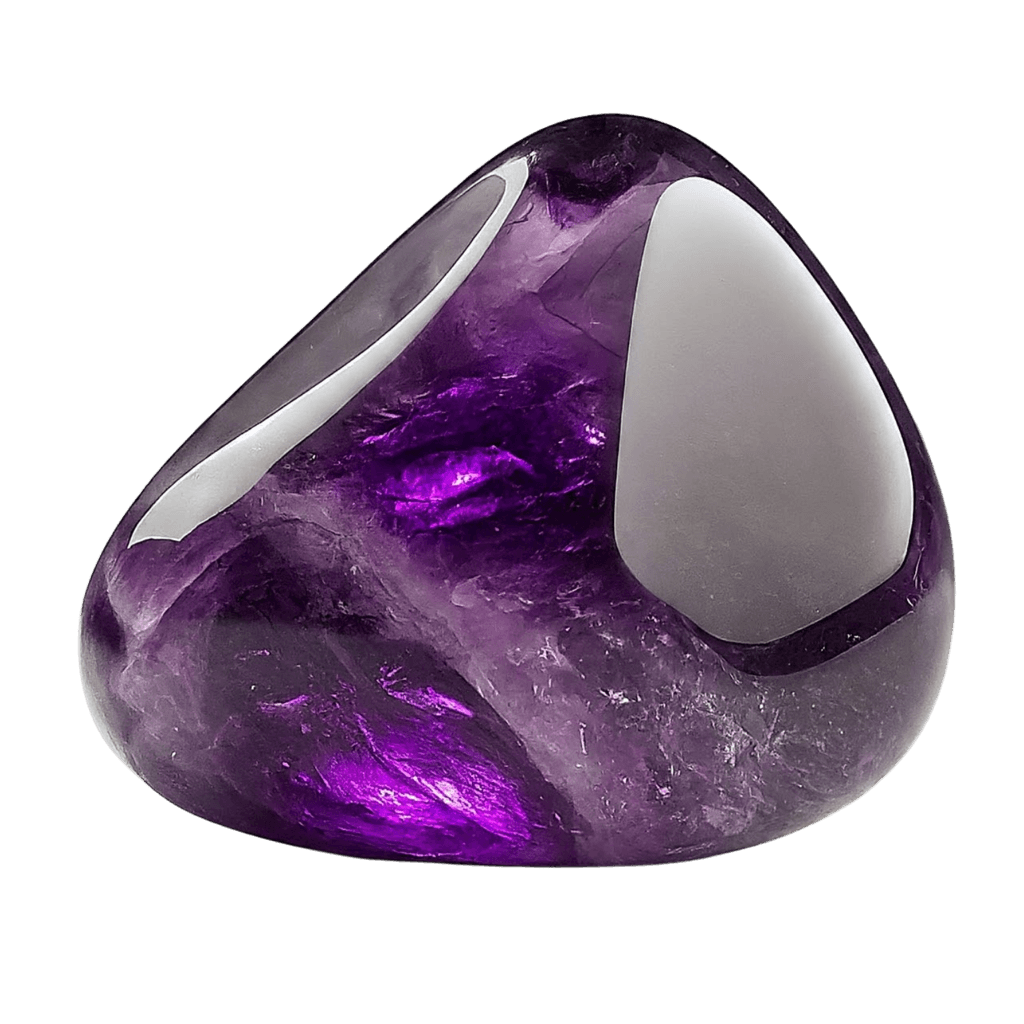
Amethyst
Primary clarity stone
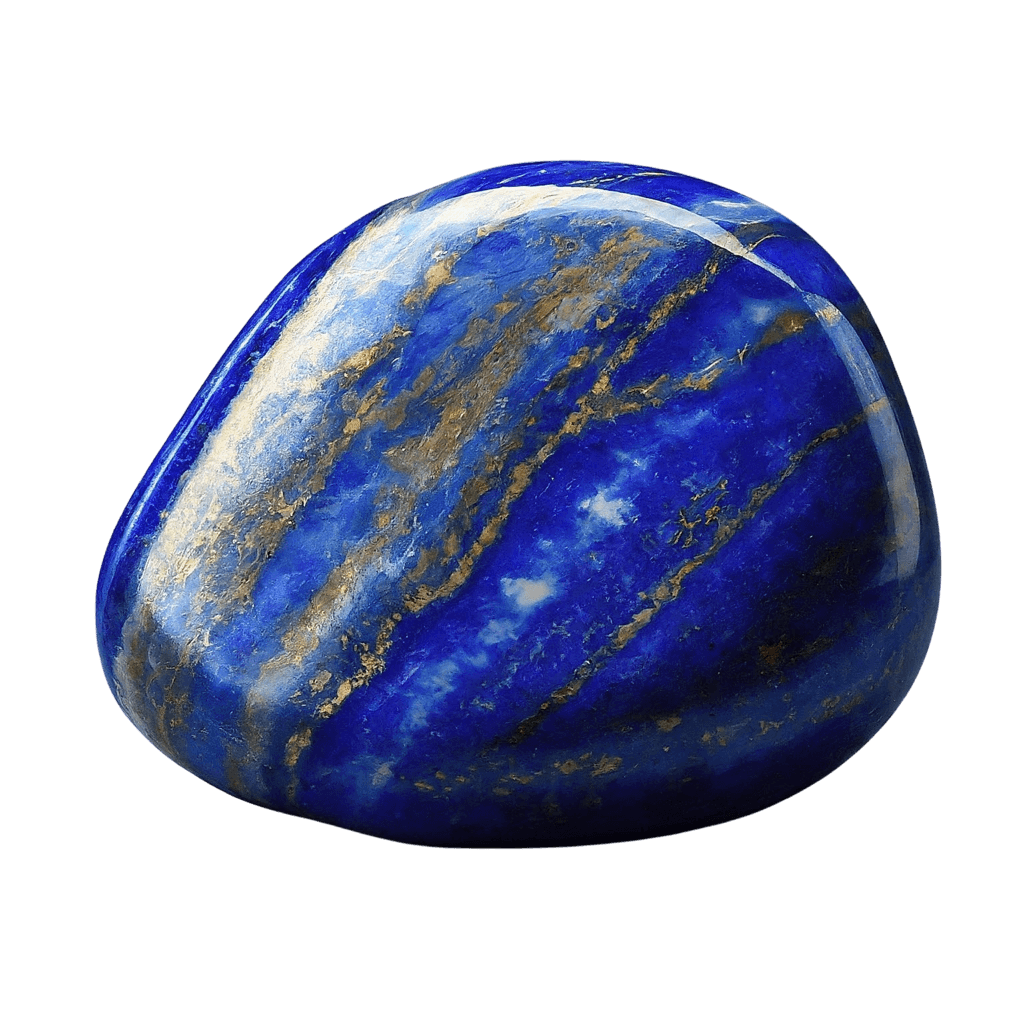
Lapis Lazuli
Supporting amplifier
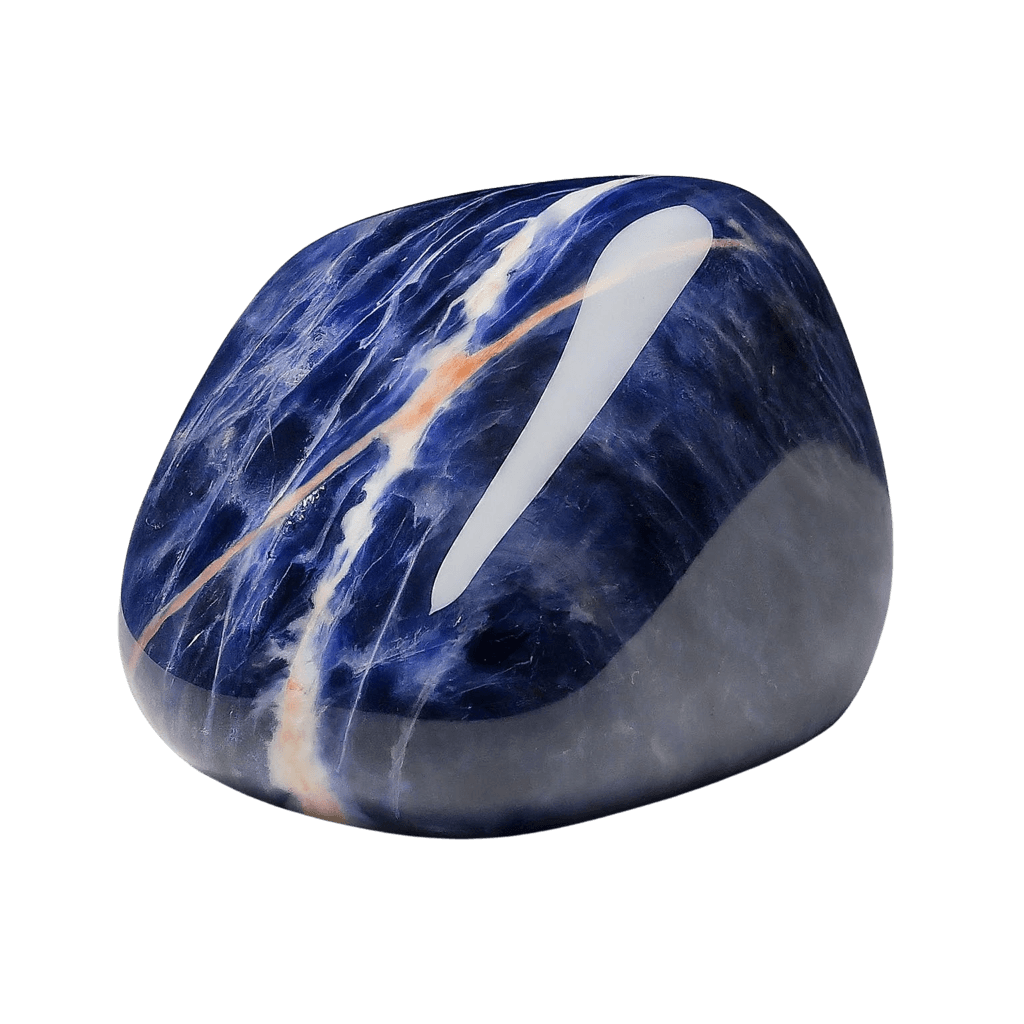
Sodalite
Anchoring stone
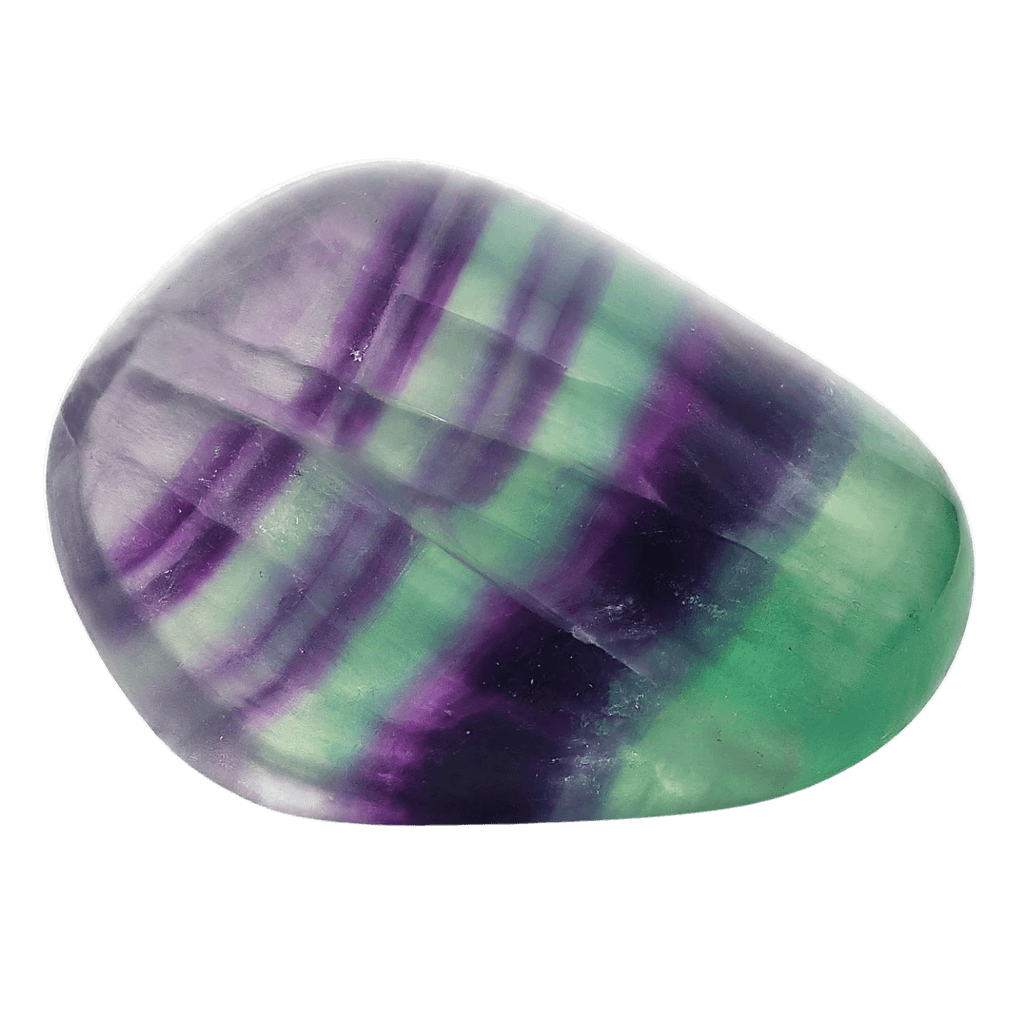
Fluorite
Supporting stone
The CrystalStones.com crystal store is not open yet. These stones are not for sale here.
To work these stones as one arrangement, build a crystal grid for the knowledge and self-cultivation sector, laid out in sacred geometry and set in the northeast corner.
What to Avoid in the Knowledge and Self-Cultivation Sector
Joey Yap describes feng shui mistakes in this sector as more consequential than missed opportunities, the right stones in the wrong corner mostly do nothing, but the wrong objects in the right corner can actively block the sector's qi. Classical sources name these specific avoidances:
By Room
The knowledge and self-cultivation sector behaves differently in different rooms, the classical sources describe each space as having its own qi pattern that interacts with the sector's trigram.
In the bedroom
If the northeast corner of your bedroom is the knowledge sector, a small bookshelf with genuinely valued books and an amethyst piece work well. Avoid making this the room's main TV area, Compass School considers this destabilizing for the contemplative Gen qi.
In the office or workspace
The knowledge sector is the highest-leverage area in any office or study. Place a desk facing the northeast if possible, keep reference books here, and add a piece of lapis lazuli, amethyst, or fluorite. Joey Yap describes this as the single most-impactful sector for students and researchers.
In the living room
A living room's knowledge sector welcomes a reading chair, a small bookshelf, and earth-toned art. Lillian Too recommends this as the corner for quiet morning reading and contemplative practice.
Related Bagua Sectors
The eight Bagua sectors form a unified system, Lillian Too describes the Bagua as a single integrated map where each sector interacts with the others. These are the related sectors most often tended alongside the knowledge and self-cultivation corner:
About Master Wei Lin
Master Wei Lin (魏霖) is a stylized editorial persona representing a composite of classical Chinese metaphysics scholarship, drawn from Yuan Hai Zi Ping, Zi Ping Zhen Quan, the I-Ching, and the modern lineage of Joey Yap, Master Raymond Lo, Lillian Too, and Stephen Skinner. The content is written for educational reflection, with cultural safeguards: Chinese terms are introduced with 漢字 + pinyin + English, school differences are disclosed, and ritual prescriptions are described historically rather than instructed.
Frequently Asked Questions
Which compass direction is the knowledge sector?
In Compass School Feng Shui, the knowledge sector is the Northeast (東北 Dōng Běi). In BTB Feng Shui, the knowledge sector is the near-left corner from the front door entry. Both schools agree the trigram is Gen (艮) and the element is Earth.
Best crystal for studying?
The classical scholar's stone is lapis lazuli, Joey Yap specifically recommends it for students. Amethyst supports broader contemplative work, sodalite supports analytical thinking, and fluorite supports pattern-recognition and integration. Many students keep one of each in the northeast corner of a study area.
Does this sector help with adult learning, not just school?
Yes. The Gen trigram governs lifelong cultivation, Lillian Too describes the northeast as 'the sector for becoming wiser, at any age'. Tend this area for adult education, professional development, or sustained personal-growth work.
Why is the mountain the trigram for knowledge?
Classical Chinese metaphysics associates mountains with the slow accumulation of mass, the capacity to stand still while weather moves around them, and the perspective that comes from height. The Gen trigram embodies these qualities, knowledge is described as patient accumulation rather than quick acquisition.
Should I meditate in the northeast?
If your dwelling allows it, yes, Stephen Skinner emphasizes the northeast as the most natural Compass School location for contemplative practice. The trigram's qi supports stillness, and the Earth element grounds the body for sustained sitting.
Share Your Result
Vertical 9:16 format, perfect for Instagram Stories or TikTok. Opens in a new tab; long-press or right-click to save.
Notes from Master Wei Lin
No newsletter and no schedule. Master Wei Lin writes occasionally on BaZi, the five phases and feng shui, with the classical sources named. One reply removes you.
We respect your inbox. Unsubscribe anytime.
Explore More Tools
Kua Number Calculator
Find your personal feng shui directions and trigram.
Open →Chinese Zodiac Calculator
Find your zodiac animal, Wu Xing element, and crystal.
Open →Chinese Metaphysics Hub
Wu Xing, BaZi, Feng Shui, and the 12 Zodiac introduced.
Open →Love and Relationships Sector
The love and relationships sector, southwest corner.
Open →