


For centuries, malachite has captivated people with its vibrant green swirls and distinctive banding patterns. This copper carbonate mineral has been prized not only for its beauty but also for its purported healing properties and spiritual significance. From ancient Egyptian amulets to modern crystal healing practices, malachite continues to hold a special place in both decorative arts and alternative wellness traditions.
Whether you’re drawn to its striking appearance or curious about its traditional uses in healing, this guide will explore everything you need to know about malachite—from its rich history and symbolic meaning to practical ways you can incorporate it into your daily life.
What Is Malachite?
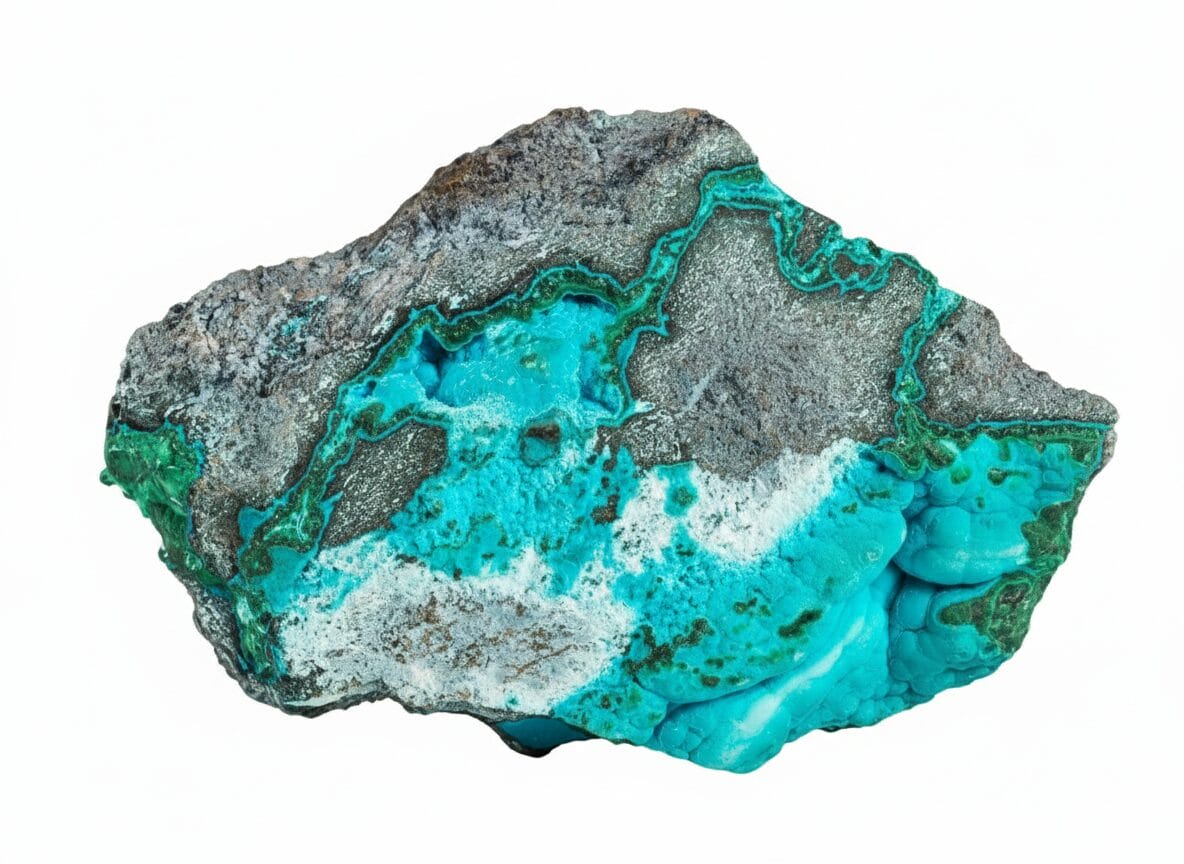
Malachite is a green copper carbonate mineral known for its characteristic banded patterns in shades ranging from light green to deep emerald. These distinctive rings and swirls form as the stone develops in layers, creating a unique fingerprint in each piece.

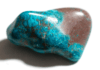
The stone forms in the oxidation zones of copper deposits, often found alongside other copper minerals like azurite and chrysocolla. Major deposits exist in the Democratic Republic of Congo, Russia, Australia, and the southwestern United States.
A Stone Steeped in History
Ancient Egyptians mined malachite as early as 4000 BCE, grinding it into powder for eye makeup and paint pigments. They also carved it into protective amulets and believed it safeguarded children from harm.

The ancient Greeks and Romans used malachite in jewelry, decorative objects, and even as a talisman for travelers. During the Renaissance, powdered malachite served as a green pigment in paintings, though its use declined when more stable synthetic alternatives became available.
Russian tsars famously adorned their palaces with massive malachite columns, vases, and furnishings. The Malachite Room in the Winter Palace of St. Petersburg stands as a testament to this opulent tradition.
The Meaning and Symbolism of Malachite
Malachite has long been associated with transformation, protection, and emotional healing. Its deep green color connects it to nature, growth, and renewal—themes that appear consistently across cultures and time periods.
Many spiritual traditions view malachite as a stone of change. Its layered bands symbolize the cycles and phases we move through in life. Practitioners believe it helps release old patterns and embrace personal transformation.
The stone has also been called the “stone of transformation” and the “midwife stone” because of its purported ability to ease transitions. Some cultures believed malachite could break unwanted ties and outgrown patterns, clearing space for new experiences.
In folklore, malachite appears as a protective stone. Medieval Europeans thought it could warn of impending danger by breaking into pieces. They also believed it protected against the “evil eye” and negative influences.
Healing Powers of Malachite
Malachite holds a prominent place in crystal healing traditions. Practitioners attribute various physical, emotional, and spiritual benefits to this vibrant stone.

Physical Healing Properties
In alternative healing practices, malachite is associated with several physical benefits:
Immune support: Some practitioners believe malachite stimulates the immune system and helps the body resist illness.
Detoxification: The stone is thought to support the liver and aid in removing toxins from the body. Crystal healers sometimes place it over the liver area during sessions.
Pain relief: Malachite has been used traditionally for reducing inflammation and alleviating pain, particularly in joints and muscles.
Circulatory health: The stone’s connection to copper led to beliefs that it supports heart health and improves circulation. Some people place it over the heart area during meditation or healing sessions.
Emotional Healing Properties
Malachite is perhaps best known for its purported emotional healing properties:
Stress and anxiety relief: The stone is believed to absorb negative energies and emotional pollutants from the environment. Many people keep it nearby during stressful situations.
Emotional release: Practitioners suggest malachite helps bring suppressed emotions to the surface for processing and release. This quality makes it popular in therapeutic settings.
Courage and confidence: The stone is thought to encourage risk-taking and positive change by strengthening emotional resolve.
Spiritual Healing Properties
Many spiritual practitioners incorporate malachite into their practices:
Heart chakra alignment: Malachite is strongly associated with the heart chakra. Meditating with the stone over this energy center is believed to clear blockages and restore balance.
Enhanced intuition: Some users report that malachite amplifies inner knowing and psychic abilities.
Protective energy: The stone is thought to create an energetic shield against negative influences and psychic attack.
How to Use Malachite?
There are numerous ways to incorporate malachite into your daily routine and spiritual practices.

In Meditation and Spiritual Practices
Place a piece of malachite on your heart chakra (center of the chest) while lying down. Focus on your breath and visualize green healing light flowing through this area. This practice is believed to clear emotional blockages and restore energetic balance.
You can also hold malachite in your left hand (the receiving hand) during meditation to invite its calming and transformative energies. Some practitioners create crystal grids with malachite as a centerpiece to amplify intentions related to change and growth.
In Jewelry and Everyday Wear
Wearing malachite jewelry keeps the stone’s energy close to your body throughout the day. Pendants worn near the heart are particularly popular, as they align with malachite’s association with the heart chakra.
Bracelets, rings, and earrings offer other ways to incorporate the stone into your wardrobe. Because malachite is relatively soft (3.5-4 on the Mohs hardness scale), handle jewelry pieces with care to prevent scratches and damage.
In Your Home and Workspace
Placing malachite in your living or working environment can help cleanse the energy of a space. Many people position it near the entrance of their home to create a protective barrier against negative energies.
In an office setting, keep malachite on your desk to promote clarity during decision-making and reduce workplace stress. The stone’s vibrant green color also adds a natural aesthetic element to any space.
Caring for Your Malachite
Proper care ensures your malachite maintains its beauty and energetic properties.
Cleaning: Wipe malachite gently with a soft, dry cloth. Avoid water, as prolonged exposure can damage the stone’s surface and dull its polish. Never use harsh chemicals, ultrasonic cleaners, or steam cleaning.
Storage: Store malachite separately from harder stones to prevent scratching. Wrap it in soft cloth or keep it in a padded box.
Avoiding damage: Keep malachite away from heat sources, direct sunlight, and acidic substances. The stone is sensitive to temperature changes and chemicals.
Energetic cleansing: To cleanse malachite energetically, place it on a selenite charging plate, use sound vibrations from a singing bowl, or pass it through sage smoke. Avoid salt water or burying methods, which can physically damage the stone.
Identifying Genuine Malachite
With its popularity, malachite is sometimes imitated or artificially enhanced. Here’s how to spot authentic pieces:
Banding patterns: Real malachite displays natural, irregular banding with variations in color intensity. Patterns should never look perfectly symmetrical or artificially uniform.
Weight: Genuine malachite has substantial weight for its size due to its copper content.
Price: If a large piece is very inexpensive, it may be synthetic or dyed howlite. Quality malachite commands reasonable prices reflecting its value.
Surface texture: Authentic polished malachite has a silky luster. Very glassy surfaces might indicate synthetic material.
Purchase from reputable crystal dealers, gem shows, or established retailers. Ask for certificates of authenticity when buying expensive pieces.
Malachite in Modern Wellness Practices
Beyond traditional uses, malachite has found its way into contemporary holistic practices.
Crystal healers incorporate malachite into energy work sessions, using it to identify and clear blockages in the body’s energy field. Reiki practitioners sometimes place it on specific chakra points during treatments.
Some yoga instructors suggest holding malachite during heart-opening poses like camel or cobra. The stone’s association with emotional release complements practices focused on vulnerability and openness.
Malachite also appears in modern mindfulness routines. Holding the stone during breathing exercises or using it as a focal point for visualization can deepen your practice.
Embrace the Power of Transformation
Malachite’s enduring appeal lies in its striking beauty and rich symbolic associations. Whether you’re drawn to its vibrant green patterns, interested in its historical significance, or curious about its place in healing traditions, this remarkable stone offers many ways to enrich your life.
From meditation practices to decorative accents, malachite invites you to explore transformation, protection, and emotional healing. As with any alternative wellness practice, approach malachite with an open mind and personal discernment. Let your own experience guide how you choose to work with this captivating stone.
Remember that while malachite has been used in healing traditions for millennia, it should complement—not replace—professional medical care. If you’re dealing with serious physical or mental health concerns, always consult qualified healthcare providers.
Ready to welcome malachite into your life? Start with a small piece that resonates with you and discover what this ancient stone might reveal on your personal journey.