By Crystal Cassandra · Updated 2026-10-01
Crystal Healing Expert
What is the November birthstone?
The November birthstone is topaz, joined officially by citrine since 1952. The Jewelry Industry Council added citrine that year as an affordable golden alternative to topaz. In the modern birthstone tradition both stones share November equally, and both carry the warm amber color long associated with the month.
November is amber hour, the month the light goes low and golden before winter switches it off, and both of its stones are bottled versions of that hour. Topaz is the elder, dense and slick in the hand, its sherry and honey shades deepening toward the imperial orange pink that collectors whisper about. Citrine is the younger door into the same warmth, quartz the color of weak sun through whiskey, cheerful where topaz is stately. Hold one in each palm and you can feel the difference in weight; topaz is noticeably heavier for its size, gravity standing in for gravitas. In my practice, November clients usually arrive assuming their stone is yellow, full stop, and leave knowing the family runs from champagne through flame. The month's gift is warmth you can choose your shade of.
Every stone named on this page links to its full profile in the crystal encyclopedia, and if you want your whole birth date read at once, zodiac, birthstone, and life-path number together, the Crystal Birthday Pairing tool does exactly that.
The November Birthstone: Topaz
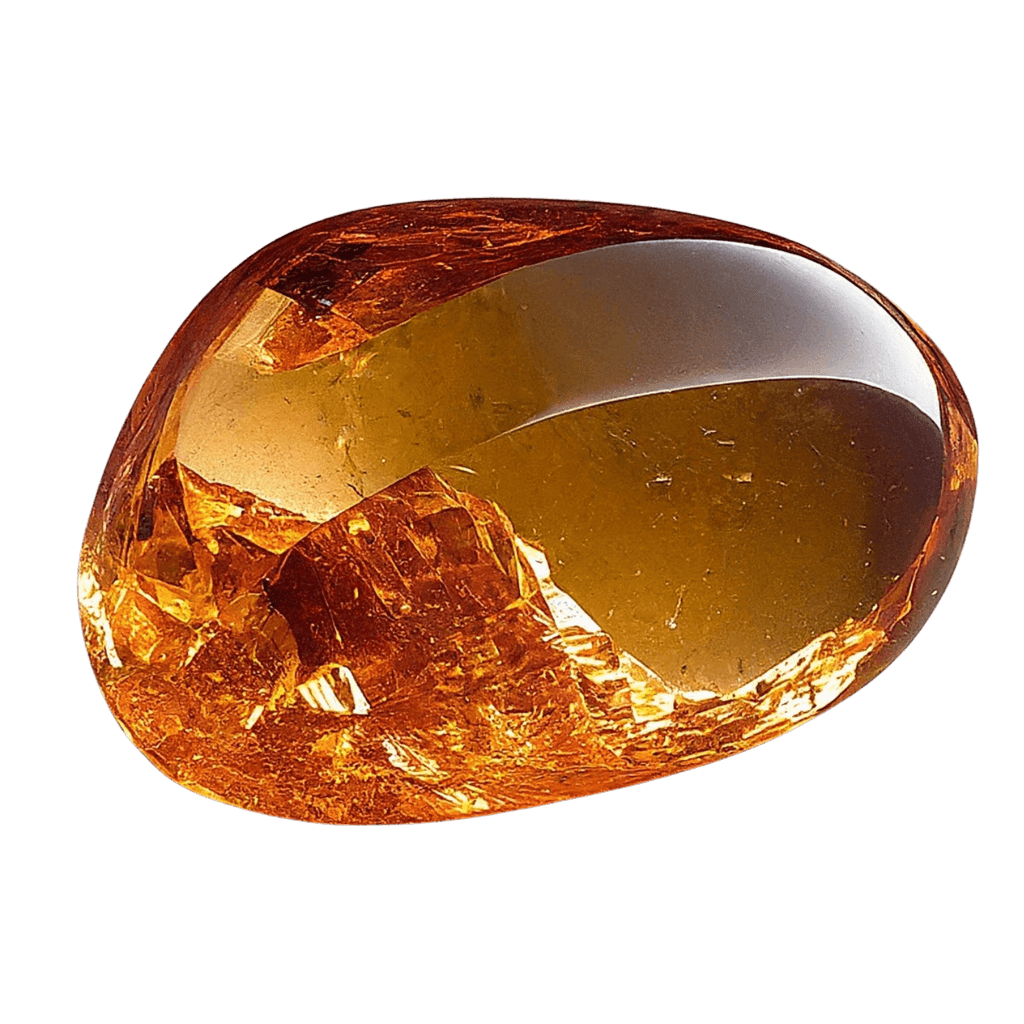
Topaz holds November as the keeper of the year's last warm light. The classic November stone is golden to sherry colored, an 8 on the Mohs scale with a slick, glassy polish that makes the color look poured rather than cut. Imperial topaz, the orange pink apex of the family, remains one of the trade's quiet treasures. November's stone is the fire banked for winter, not the fire blazing.
Citrine officially joined topaz for November in 1952, offering the same warmth at a far gentler price.
Other November Stones Across the Traditions
Citrine, golden quartz, became November's second official stone in the 1952 update. Most commercial citrine is heat treated amethyst, a standard practice an honest seller will confirm.
Kunz's 1913 zodiacal table gives beryl to Scorpio, the sign ruling November 1 to 21, putting a sea toned alternative inside the golden month.
Sagittarius begins November 22, and turquoise is the sign's most cited stone, so the month's final days carry a sky blue claim.
Where the November Birthstone Comes From
November's history is a study in names and substitutions. Topaz held the month across the traditional tables, the 1870 Tiffany poems, and the 1912 Kansas City standardization, but the word itself is slippery: the topazos the ancient world mined from a Red Sea island was almost certainly the stone we now call peridot, so the oldest topaz references describe a different gem entirely. The modern mineral, an aluminum fluorosilicate, took the name for good in the eighteenth century as Brazilian finds, especially the imperial orange pinks of Ouro Preto, defined the November color. The 1952 Jewelry Industry Council revision then added citrine, golden quartz, as the month's official second, acknowledging what shop counters already knew: most buyers wanted November's warmth at quartz prices. Be a label reader here; much commercial citrine is heat treated amethyst, and quartz sold as topaz was the old trade's favorite sleight of hand.
How to Choose Your November Stone
The November birthstone decision is between stateliness and sunshine. Topaz brings heft, an 8 on the Mohs scale, and the deep sherry shades that read formal; imperial topaz from Brazil is the heirloom buy if the budget reaches. Citrine brings the same family of color with daily wear ease and prices that let you own several shades. Ask sellers two honest questions: is this citrine heat treated amethyst, and is this topaz actually topaz rather than golden quartz. Scorpio birthdays through the twenty first can add beryl from the Kunz table; Sagittarius birthdays from the twenty second can reach for turquoise. Then buy the warmth you will wear in February, when you need it.
How the November Birthstone Is Worn
The two November birthstones ask different questions at the jewelry counter. Topaz is hard at 8 on the Mohs scale but carries perfect cleavage, an internal plane along which one sharp knock can split the whole stone, so it wants bezels or low protective settings rather than high exposed claws, and it should never meet an ultrasonic cleaner. The sherry and imperial shades belong in pendants where nothing strikes them. Citrine has no such nerves: golden quartz at 7, it powers the big cheerful cocktail rings that would cost a car in topaz, and twenty carats of it still costs less than dinner out. The label question for citrine is heat, since most commercial stones start as amethyst; the label question for topaz is the reverse, quartz historically sold under topaz's name. Ask both, then buy the glow.
Frequently Asked Questions
What is the birthstone for November?
The birthstone for November is topaz, the traditional holder, with citrine added as the month's second official stone by the Jewelry Industry Council in 1952. Both carry the month's signature golden warmth in different price ranges.
Is citrine just heat treated amethyst?
Citrine sold commercially is very often heat treated amethyst, which produces the same golden quartz color and is a standard, accepted practice. Natural citrine exists but is scarcer, and reputable sellers disclose the treatment.
What was ancient topaz really?
The topazos of ancient writers, mined on a Red Sea island, was almost certainly peridot rather than modern topaz. The name migrated to today's aluminum fluorosilicate mineral in the eighteenth century.
What is imperial topaz?
Imperial topaz is the orange pink to sherry colored apex of the topaz family, classically sourced from Ouro Preto in Brazil. It is November's heirloom grade stone and commands prices far above blue or golden topaz.
Which is better for daily wear, topaz or citrine?
Both November stones handle daily wear, with topaz harder at 8 on the Mohs scale against citrine's 7. Topaz has perfect cleavage, though, so a sharp knock can split it; citrine forgives clumsiness more cheaply.
Share Your Result
Vertical 9:16 format, perfect for Instagram Stories or TikTok. Opens in a new tab; long-press or right-click to save.
The Birthstone Reference
Crystal Cassandra's free guide: all three birthstone lists, modern, traditional, and zodiac, set side by side with the disagreements marked, and how to choose the right list when the stone is a gift.
We respect your inbox. Unsubscribe anytime.