By Crystal Cassandra · Updated October 1, 2026
Crystal Healing Expert
What is a generator crystal?
A crystal generator is a six-sided tower carved so that six equal triangular faces meet at a single apex, echoing the natural growth geometry of quartz. In traditional crystal-healing practice, generators are placed at the center of a grid because their symmetry broadcasts energy evenly along all six axes while still focusing upward through the point.
Key Takeaways
- Generators are six-sided towers with six equal triangular faces meeting at one apex.
- The six-axis symmetry echoes the natural growth geometry of quartz and is the form's signature.
- Judy Hall recommends the generator as the classical center stone of any crystal grid.
- Clear quartz, amethyst, citrine, and smoky quartz are the traditional generator materials.
- The generator both focuses (through the apex) and broadcasts (along the six faces); it is the only form that does both at once.
What is a generator crystal?
A crystal generator is a tower shaped so that six flat faces taper from a hexagonal base to a single apex point at the top. The six faces are equal-sized isoceles triangles, and the apex sits directly above the center of the hexagonal base. In a perfectly cut generator the geometry is symmetrical along all six vertical axes, which is what distinguishes a generator from a more loosely shaped tower or obelisk.
The form is deliberately modeled on the natural growth pattern of single-terminated quartz crystals, which form six-sided prisms with a six-faced apex in their wild state. A natural single-point quartz is, geometrically, a generator that nature made. The carved generator is the lapidary's way of expressing that same geometry in a finished, presentation-ready piece, often from rough that was too internal-fractured to yield a clean natural point.
Because the six-face symmetry is exacting, well-cut generators command a premium over simpler tower shapes. Look for true symmetry: the six faces should be the same width at the base, the apex should sit directly above center, and the six edges should each be the same length from base to apex. A generator that looks slightly leaning is still beautiful but will not behave the same way in a grid center.
Traditional energetic use
Judy Hall in The Crystal Bible (2003) describes the generator as the most powerful focusing form in crystal practice because of its six-axis symmetry. Energy enters and leaves equally along six radial lines while also concentrating upward through the apex. This is the geometry that nature gave to quartz in the first place, which is why a generator carved from clear quartz is the classical center stone of a grid; the form and the material are the same energy in two states.
Robert Simmons and Naisha Ahsian in The Book of Stones (2015) recommend generators for any working that combines focus and broadcast: a single intention that needs to be both aimed and held. Where a regular tower aims, the generator aims and holds. They write of the generator as the form that anchors the working space; everything else in the grid orients around it.
In my practice with clients, I reserve generators for the grids and altar setups that matter most: launching a project, holding a long-term intention, supporting a difficult life passage. A clear-quartz generator at the center, four matched towers at the corners (also clear quartz, or stones chosen for the specific intention), and an intention object beneath the generator: that is the classical Judy Hall four-corner grid, and it is hard to improve on for a serious working.
How to use a generator crystal
The ritual below is the one Cassandra uses in her own practice and recommends to clients new to working with this form. It takes about ten minutes and can be repeated as a weekly or monthly working.
- 1
Choose the grid's intention
A generator works hardest at the center of a grid, so before you place it, name what the grid is for. Write the intention on a small piece of paper, fold it once, and set it beneath where the generator will stand. This becomes the held intention; the generator focuses the entire working around that single phrase. The naming is the foundation; the geometry follows.
- 2
Place at the geographic center
Set the generator upright on the folded intention paper, at the geographic center of the cloth, altar, or grid. The apex points to the ceiling. If you are using four supporting towers at the corners (the classical layout), measure visually so the generator sits equidistant from all four; the symmetry of the grid amplifies the symmetry of the form.
- 3
Activate by tracing the lines
With a clear-quartz wand or your dominant index finger, trace the energetic lines of the grid: from the generator to each of the four corner towers, then back. This is the Judy Hall activation method. Speak the intention aloud once at the start of the tracing. The grid is now charged; the generator at the center will hold the focus.
- 4
Leave the grid for a week or longer
Unlike a quick meditation tool, a generator-centered grid is set up to work over time. Leave it undisturbed for a working cycle (a week, a moon cycle, or until the intention resolves). Re-touch the generator with two fingers once a day to refresh the intention. Avoid moving the corner towers; the geometry depends on their positions.
- 5
Dismantle with gratitude and cleanse
When the working is complete or the cycle ends, dismantle in reverse: lift the generator first, then each corner tower, then the intention paper (which you can burn or keep). Cleanse the generator with sound, breath, or a few hours on a selenite plate. Generators work harder than most forms; they appreciate the rest.
The best crystals to choose in generator form
Not every crystal shines in every form. The stones below are traditionally chosen as generators because the form amplifies the stone's qualities.
Choosing crystal generators
Generator Bundle
Generator Starter Trio
A curated trio of the stones Cassandra most often recommends in generator form. Clear Quartz, Amethyst, and Citrine each suit this form for a distinct reason, so the set covers the most-loved uses of the generator at once.
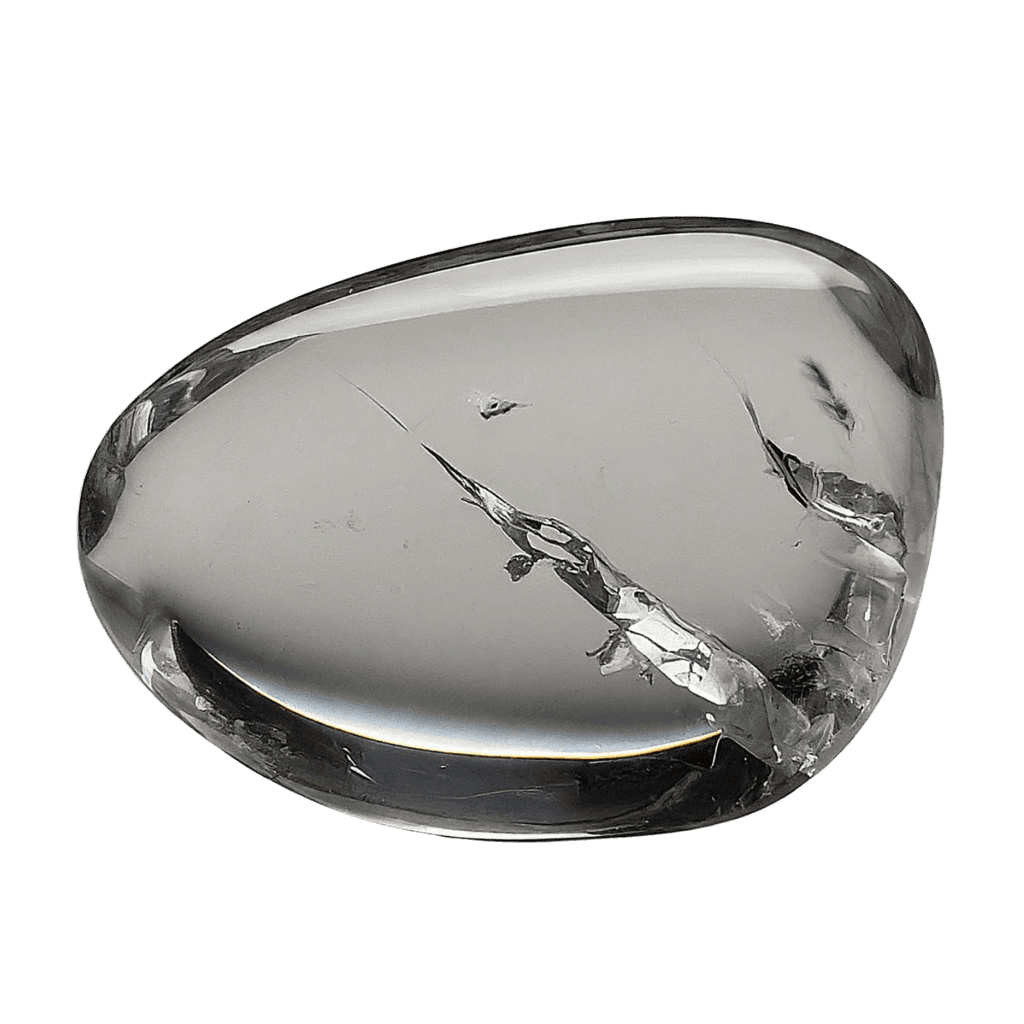
Clear Quartz
Primary stone
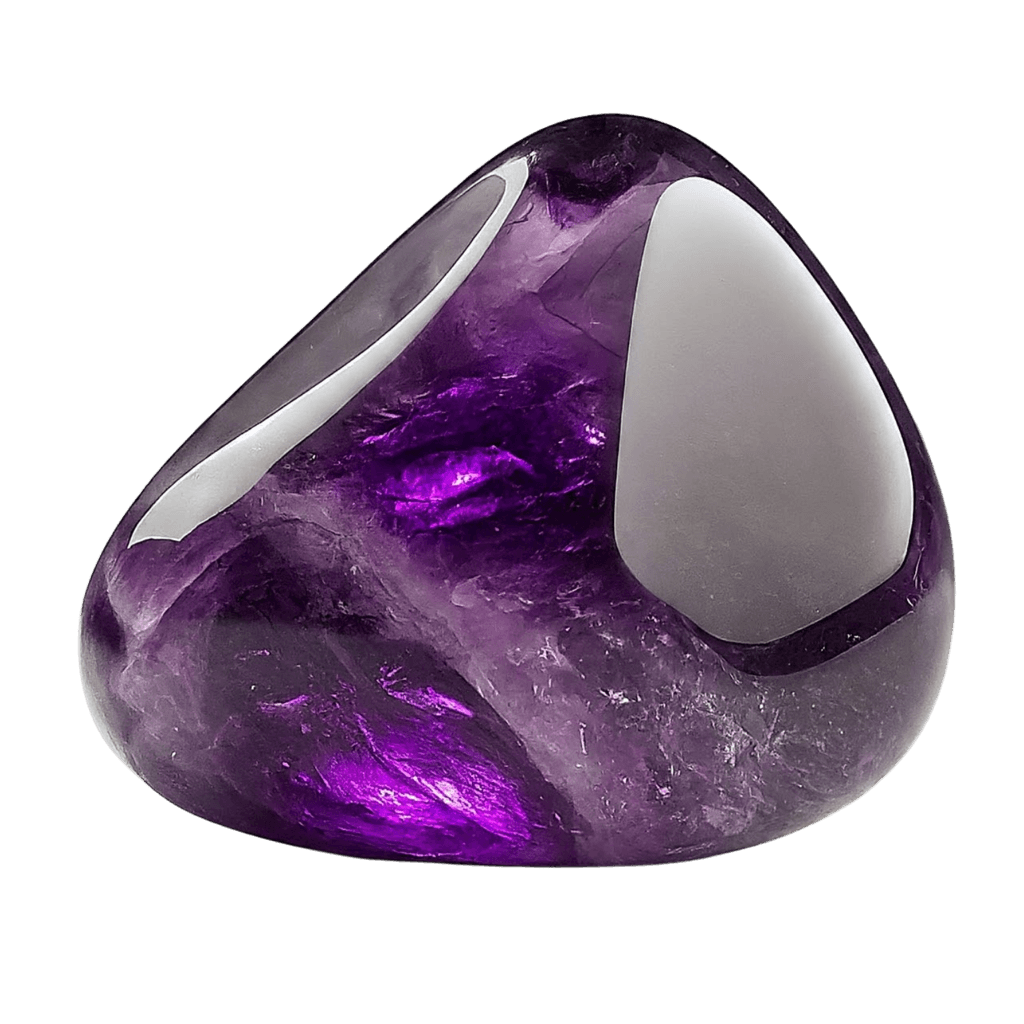
Amethyst
Supporting stone
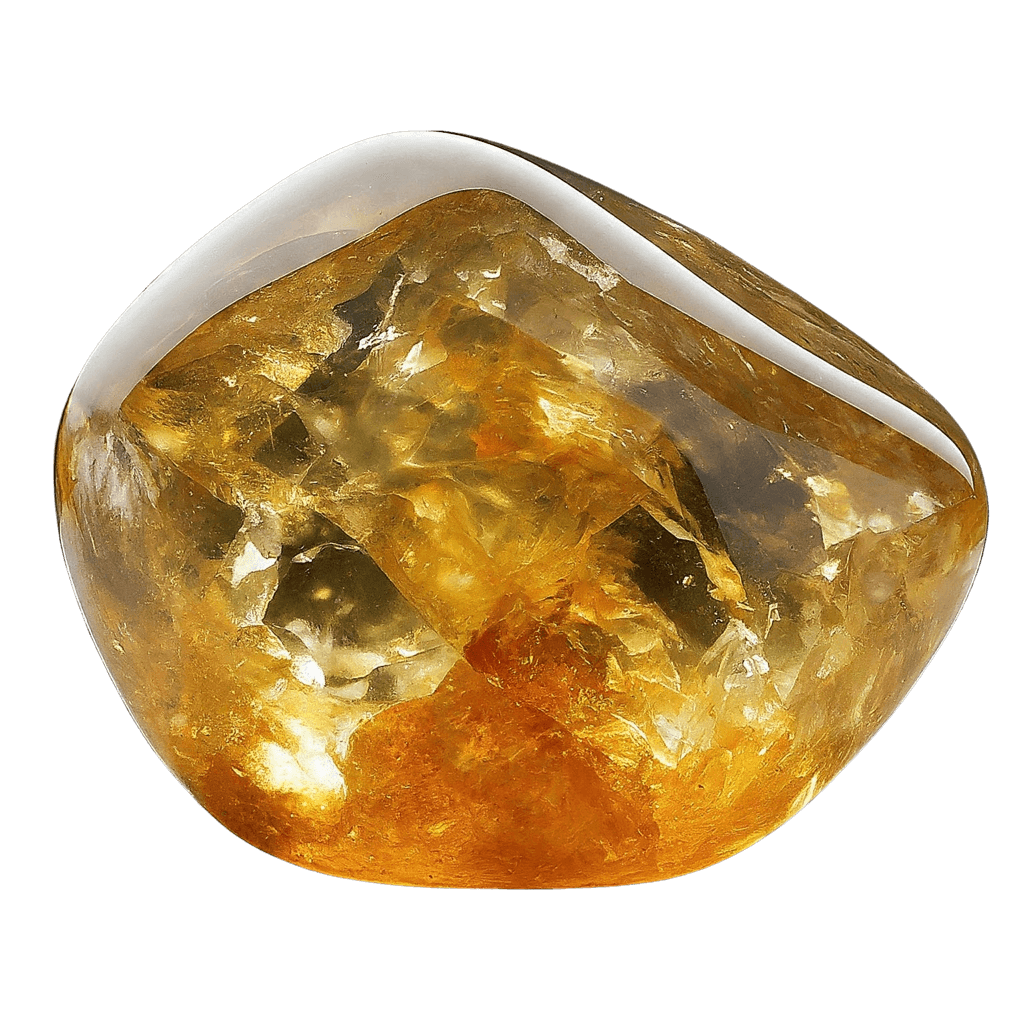
Citrine
Anchoring stone
The CrystalStones.com crystal store is not open yet. These stones are not for sale here.
Pair crystal generators with these intentions
In traditional crystal-healing practice, the form of the stone shapes how the energy moves. Crystal Generators are most commonly paired with the following intentions.
Explore other crystal forms
Frequently asked questions
What makes a generator different from a regular crystal tower?
A generator is specifically a six-sided tower with six equal triangular faces and a single central apex. A regular tower may have four sides, eight sides, or an irregular cross-section. The six-axis symmetry of the generator echoes the natural growth geometry of quartz crystals, which is why Judy Hall and Robert Simmons treat it as the most powerful focusing form. All generators are towers; not all towers are generators.
Do I need a generator to do crystal grid work?
No, but it is the classical center stone in most published grid layouts. A grid can be centered on a sphere, a cluster, or a single point as well. The reason generators are recommended is that their symmetry mirrors and amplifies a symmetrical grid (square or hexagonal). If you are starting out, a clear-quartz sphere at the center will serve a beginner grid well. Upgrade to a generator once you are doing serious or repeated grid workings.
Are natural quartz points the same as generators?
Geometrically, yes; a natural single-terminated quartz point is a generator that grew on its own. In practice, natural points often have more variable apex angles and small native faces. The carved generator is more architecturally precise. Many practitioners prefer natural points for personal altar work (their wild, intact quality) and carved generators for grid centers (their precision). Both are correct.
How big should a generator be?
For most grid work, 60mm to 100mm is the most useful range; tall enough to be a clear focal point at the center of a 30cm to 50cm grid, small enough to handle and cleanse easily. Statement generators of 150mm and up serve as room altars in their own right. For travel grids or pocket workings, 40mm to 50mm pencil generators exist and are surprisingly effective; the geometry is what matters, not the absolute size.
Can I use any crystal as a generator?
In principle, any opaque or semi-transparent crystal can be cut into a generator. In practice, the form is dominated by quartz family members (clear, amethyst, citrine, smoky, rose, ametrine) because the six-axis symmetry of the form matches the natural growth habit of those minerals. Generators carved from fluorite, calcite, or selenite are beautiful but less classical; in Robert Simmons's lineage the most-recommended generator material is always clear quartz.
How do I cleanse a generator?
Generators work hard at the center of grids and benefit from regular cleansing. Sound (a tingsha bell, a tuning fork held near the apex) is the universal safe method. For clear quartz, smoky quartz, and most agates, brief cool water works. Avoid water for selenite, calcite, and any fluorite generator (which can fracture along cleavage planes). A few hours on a selenite plate refreshes any generator. Cleanse weekly with active grid use, or whenever a working cycle ends.
Share Your Result
Vertical 9:16 format, perfect for Instagram Stories or TikTok. Opens in a new tab; long-press or right-click to save.
The Crystal Starter Library, free
Crystal Cassandra on choosing your first stones, keeping them safe, and building a practice around one intention rather than a shelf of good intentions.
We respect your inbox. Unsubscribe anytime.
Explore More Tools
Crystal Quiz
Find the right crystal for your energy.
Open →Crystal Care
How to cleanse and charge each crystal.
Open →Crystal Grid Designer
Build a sacred-geometry crystal grid.
Open →Crystals by Intention
Match crystals to what you need.
Open →Crystal Cleansing Guide
Every cleansing method explained.
Open →