By Crystal Cassandra · Updated October 1, 2026
Crystal Healing Expert
What is a tower crystal?
A crystal tower (sometimes called a point or obelisk) directs energy upward through its apex. In traditional crystal-healing practice, towers are placed at the corners of a grid or on an altar to focus intention in a single direction. The flat base lets the tower stand on its own, the point becomes the antenna.
Key Takeaways
- Towers channel energy upward through the apex, traditionally used to focus and direct intention rather than to broadcast it.
- Judy Hall recommends towers at the four corners of a crystal grid to define and amplify the working space.
- A natural single-terminated point and a polished tower differ in look but serve the same directional purpose.
- Clear quartz, amethyst, smoky quartz, and selenite are the classical tower stones because of their clean directional broadcast.
- The taller and more slender the tower, the more concentrated the column of energy; squat towers anchor, tall towers aim.
What is a tower crystal?
A crystal tower is a stone shaped into a column with a flat base and a tapered point at the top. The classical shape is hexagonal or six-sided to echo the natural crystal-system geometry of quartz, but you will also find square obelisks, slender pencil towers, and chunky generators. The base is sawn flat so the tower stands unaided. The point is hand-shaped and polished until the apex is sharp enough to feel against the skin.
Towers are made from rough that is large enough and clear enough to yield a single uninterrupted column. Because of that, a flawless tower in a clear stone like fluorite or amethyst commands a premium; the rough is rare and the carving is labour-intensive. A more textured stone like labradorite or smoky quartz makes a beautiful tower at gentler cost because the natural inclusions add character rather than detracting from clarity.
Some towers are natural points: a single-terminated crystal that grew in a vug or pocket and was cut at the base. These keep the natural facets of the crystal system on their sides and are prized in classical crystal practice for that wild, intact quality. Other towers are entirely shaped by a lapidary. Both forms work; the natural point reads as more elemental, the polished tower as more architectural.
Traditional energetic use
In The Crystal Bible (2003), Judy Hall describes the single-terminated point as the most directional of all crystal forms: energy moves up the body of the stone and out through the apex in a focused column. This is why towers are the classical choice for the four corners of a crystal grid; each tower aims its energy toward the center, defining and reinforcing the grid's working field.
Robert Simmons in The Book of Stones (2015) writes that the tower acts as an antenna in both directions: it sends intention skyward and draws clarity downward into the practitioner. He recommends pointing a clear-quartz tower toward an area of the body or the room that needs focused attention, then holding the intention for a minute or two. Many people describe the felt-sense as a soft pressure along the line the tower aims.
In my practice with clients, I use towers for any intention that benefits from a single direction: a career goal, a difficult conversation, a creative project that needs to break ground. A black-tourmaline tower near a doorway holds protective focus along the threshold. A citrine tower on the desk aims toward the workspace, drawing in steady, warm attention. The tower asks: what one thing do you want to magnify today?
How to use a tower crystal
The ritual below is the one Cassandra uses in her own practice and recommends to clients new to working with this form. It takes about ten minutes and can be repeated as a weekly or monthly working.
- 1
Choose the direction
Before you place the tower, decide what it will aim at. The apex of a tower has direction in a way a sphere never does. Aim it toward an altar candle, toward an area of the room you want to charge, toward a written intention on paper, or toward the corner of a crystal grid. The aim is the work.
- 2
Stand it on a stable surface
Tower bases are sawn flat but they can still tip on uneven wood grain or a folded cloth. Use a flat slate slab, a wood coaster, or a small piece of felt for stability. Keep towers away from the edge of shelves and out of the reach of pets; the apex is fragile and chips easily.
- 3
Activate with focused breath
Hold the tower upright in cupped hands. Let the inhale be unhurried, pause where the point is, then let the exhale travel down the length of the stone. Stay with that for a few rounds, however many the moment wants. This is the classical way to seat your intention into the column before placing it on the altar.
- 4
Build a four-corner grid
For grid work, place four matched towers at the corners of a square or rectangle, all apexes pointing toward the center where you place your intention object (a written phrase, a photo, a single sphere, a piece of jewellery). The four towers define and reinforce the working field. Judy Hall recommends clear-quartz towers as the all-purpose grid corners.
- 5
Cleanse and rest
Towers work hard because they aim. Cleanse them weekly with sound, breath, or selenite, and rest them flat on their side for a night after intensive use. Avoid prolonged sun for amethyst, rose quartz, fluorite, and kunzite towers, which can fade.
The best crystals to choose in tower form
Not every crystal shines in every form. The stones below are traditionally chosen as towers because the form amplifies the stone's qualities.
Choosing crystal towers
Tower Bundle
Tower Starter Trio
A curated trio of the stones Cassandra most often recommends in tower form. Clear Quartz, Amethyst, and Smoky Quartz each suit this form for a distinct reason, so the set covers the most-loved uses of the tower at once.
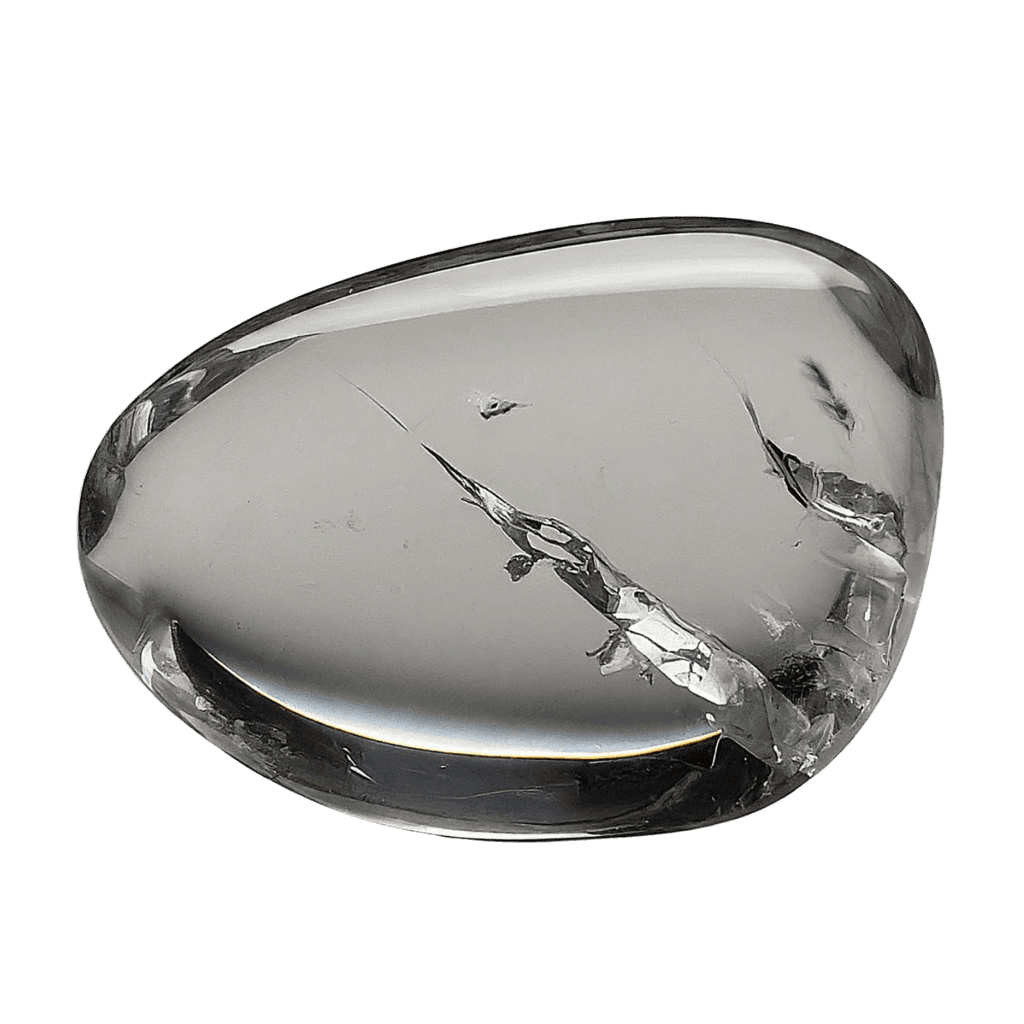
Clear Quartz
Primary stone
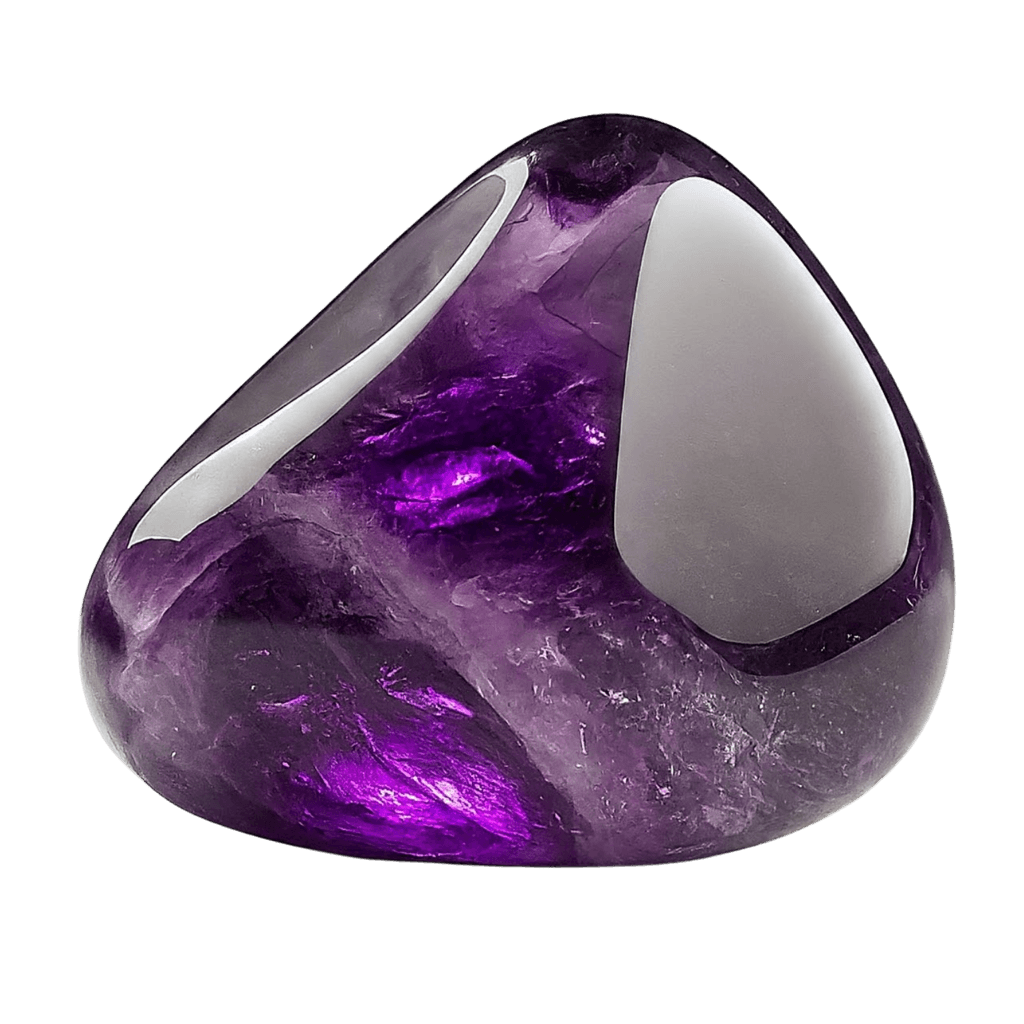
Amethyst
Supporting stone
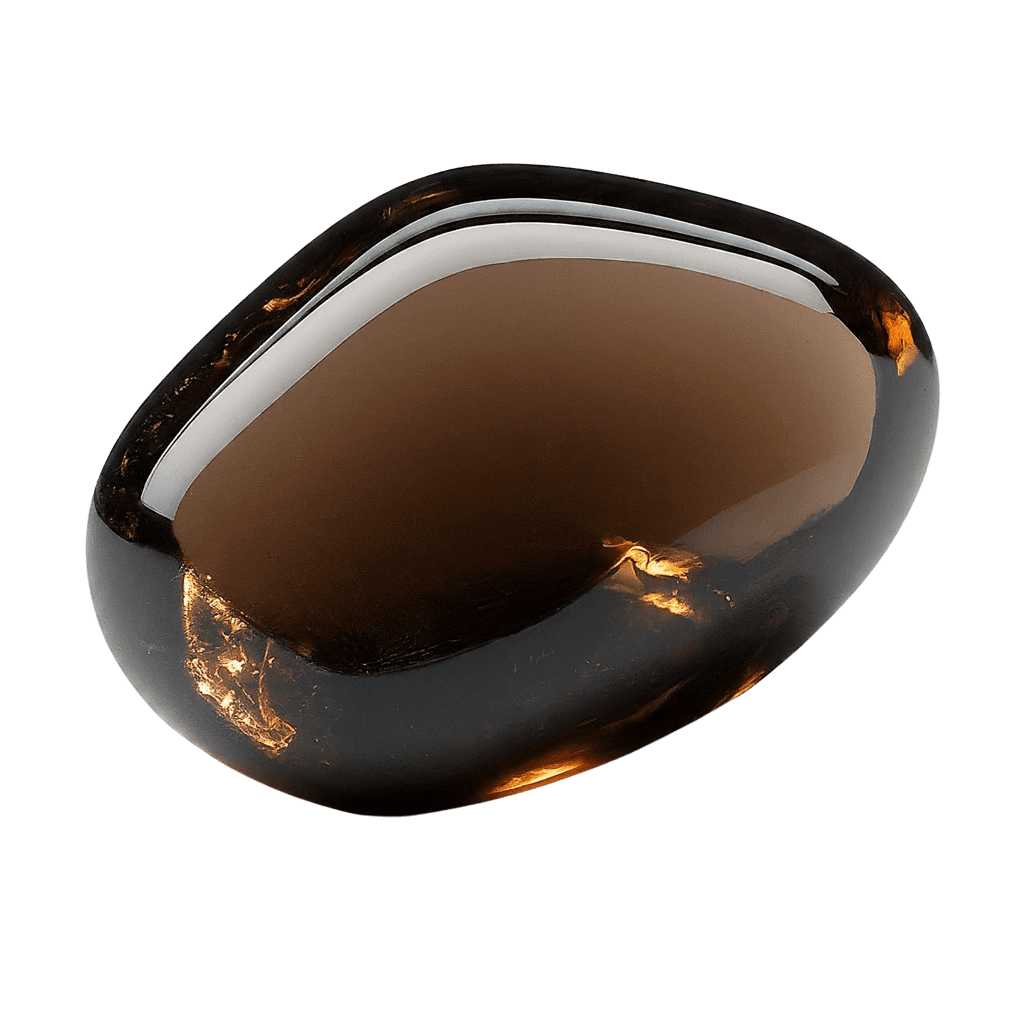
Smoky Quartz
Anchoring stone
The CrystalStones.com crystal store is not open yet. These stones are not for sale here.
Pair crystal towers with these intentions
In traditional crystal-healing practice, the form of the stone shapes how the energy moves. Crystal Towers are most commonly paired with the following intentions.
Explore other crystal forms
Frequently asked questions
What is the difference between a crystal tower and a generator?
A standard tower has a flat base and a single apex, and the cross-section can be round, square, or six-sided. A generator is specifically a six-sided tower with six equal triangular faces meeting at the apex, mimicking the natural geometry of a quartz crystal. Both are directional, but the generator is the most symmetrical and is traditionally used for grid centers because its energy moves evenly along all six axes.
Which way should I point my crystal tower?
Toward what you want to charge or define. For a personal intention, point the apex toward a written phrase, a photo, or a piece of jewellery you wear. For room work, point toward the center of the space or toward a corner you want to fortify. In a four-tower grid, all four apexes point inward toward the central object. There is no spiritually wrong direction, only an unaimed one.
Can I sleep with a crystal tower near my bed?
Yes, with two cautions. First, choose a stone whose energy you find calming at night: amethyst, lepidolite, smoky quartz, and selenite are the classical bedroom towers. Save citrine, carnelian, and clear quartz for daytime workspaces, since some people find them too activating after dark. Second, keep the tower at arm's reach but not directly on the bedside table edge; the apex is fragile and the base is small.
Do natural points work better than polished towers?
They work differently rather than better. Natural single-terminated points keep the crystal's original growth faces and are prized in Robert Simmons's tradition for that elemental, intact quality. Polished towers are more uniform and architectural and are often easier to stand on a grid. In my practice, I keep both: natural points for personal altar work, polished towers for room corners and grids where uniformity matters.
How tall should a crystal tower be?
For desk or altar work, 80mm to 150mm is the most useful range; tall enough to be a clear focal point, small enough to handle and cleanse easily. Pencil towers under 60mm are good for travel and small grids. Tall towers over 200mm are statement pieces and benefit a dedicated room corner. The taller and more slender the tower, the more concentrated the column of energy; the squatter the tower, the more it anchors.
How do I know if a tower is real or dyed?
Look at the base, where saw marks expose the inside of the stone. The colour at the saw line should match the colour on the polished sides. Bright, candy-coloured agate and quartz towers are often dyed, especially in pinks and blues that do not occur naturally in those species. Reputable sellers disclose this. Cassandra's note: a dyed stone still has the form's energetic geometry, but the colour is decorative rather than mineral.
Share Your Result
Vertical 9:16 format, perfect for Instagram Stories or TikTok. Opens in a new tab; long-press or right-click to save.
The Crystal Starter Library, free
Crystal Cassandra on choosing your first stones, keeping them safe, and building a practice around one intention rather than a shelf of good intentions.
We respect your inbox. Unsubscribe anytime.
Explore More Tools
Crystal Quiz
Find the right crystal for your energy.
Open →Crystal Care
How to cleanse and charge each crystal.
Open →Crystal Grid Designer
Build a sacred-geometry crystal grid.
Open →Crystals by Intention
Match crystals to what you need.
Open →Crystal Cleansing Guide
Every cleansing method explained.
Open →