Quick Answer
Chalcopyrite is a iridescent purple crystal used in modern crystal healing for intuition, psychic development, and meditation. It measures 4 on the Mohs hardness scale and typically costs $10 to $25 for a tumbled stone. In the chakra tradition, Chalcopyrite is associated with the Crown and Third Eye chakras.
Worth knowing: Much of the iridescent peacock ore sold in rock shops is ordinary chalcopyrite whose rainbow tarnish was induced with a quick acid treatment, a trade name borrowed from the naturally iridescent copper mineral bornite.
“An iridescent copper-iron sulfide of mystical insight and rainbow energy.”
- Chakra
- Crown (Sahasrara), Third Eye (Ajna)
- Zodiac
- Capricorn ♑
- Element
- Fire 🔥, Earth 🌍
- Planet
- Uranus ♅
- Hardness
- 4 / 10 (Mohs)
- Colors
- Iridescent purple, Blue, Gold, Rainbow
- Origin
- Mexico, Peru, USA
- Availability
- Not sold here yet
Care + Safety
Chalcopyrite at a glance
- Water: avoid, may damage or leach
- Sun: tolerates sunlight charging
- Mohs hardness: 4 (display + meditation only)
What is Chalcopyrite?
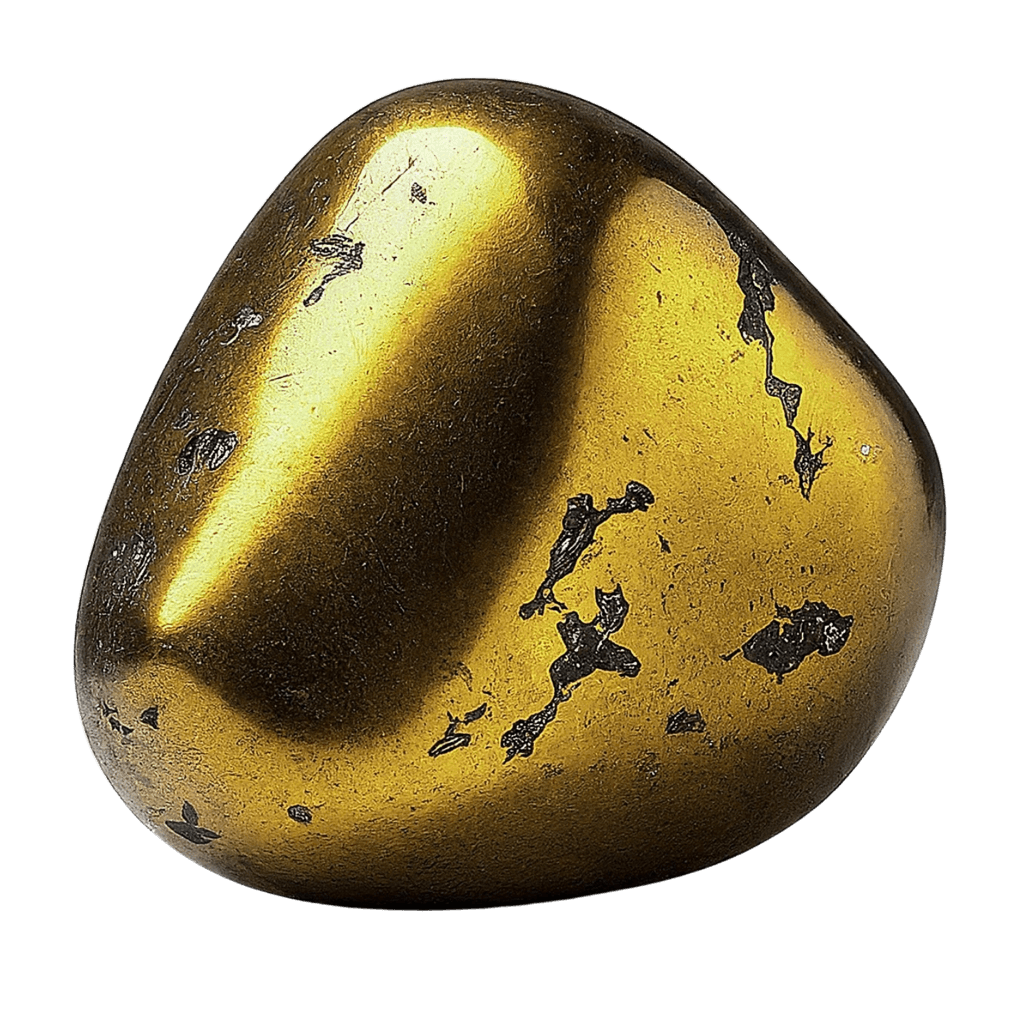
Chalcopyrite is a copper iron sulfide, a brass-yellow tetragonal mineral that serves as the world's principal ore of copper. Fresh surfaces look like a richer, softer pyrite, registering only about 3.5 to 4 on the Mohs scale, and its name simply joins the Greek word for copper to pyrite.
Chalcopyrite measures 4 on the Mohs scale and shows iridescent purple, blue, or gold coloring. In the catalog it stands with the contemplative stones, the ones taken up in stillness when intuition, psychic development, and meditation are the work.
The stone connects primarily to the Crown (Sahasrara) and Third Eye (Ajna) chakras, carrying Fire and Earth energy. Sources include Mexico, Peru, and USA; deposit matters more than beginners expect, and collectors learn to recognize where a piece of Chalcopyrite was mined by its color depth and pattern.
Chalcopyrite flashes with iridescent blues, purples, and golds across its surface, an oxidation effect that earns it the nickname Peacock Ore. Tilt it under a lamp and watch the rainbow play. This stone is traditionally associated with the mystical, the channeled, the in-between states where insight arrives without explanation.
Also catalogued as Peacock Ore and Stone of the Mystic, this is a stone that rewards regular handling more than display. Give Chalcopyrite a week of intuition duty in the pocket before deciding what it is for.
History and Mythology
There is no credible ancient chapter to tell about Chalcopyrite. The species was described by modern science, and its associations with intuition were assigned by contemporary practitioners reading its color, structure, and feel. What the stone lacks in legend it makes up in geology, which asks for no embellishment; deposits worked today lie in Mexico, Peru, and USA.
Astrologically minded practitioners file Chalcopyrite under Capricorn and give Uranus ♅ the rulership. The pairing is a 20th century convention rather than an ancient decree, and it is read as favoring intuition work.
Whatever the age of the name, the geology is patient: every piece of Chalcopyrite took shape over geological timescales, arriving at its Mohs 4 hardness through slow heat, pressure, and chemistry long before any hand reached for it.
Chalcopyrite Meaning and Metaphysical Properties
What the Hand Learns First
Pick up Chalcopyrite and warmth is the first report: at Mohs 4 it is a mid-soft mineral that takes body heat within a minute, and its iridescent purple surface polishes to a satin sheen rather than a hard glitter. Let the eyes rest shut while you make first contact; contemplative stones tend to speak in pictures and half-formed thoughts, and those need stillness to surface.
Primary Properties
Stillness is the condition for everything on the Chalcopyrite list: intuition, psychic development, meditation, and abundance. These qualities belong to the contemplative family and surface where attention is unpressed, the morning sit, the dream journal, the silence before the house wakes. Give the stone a seat in that part of your life, not a place in your rush.
How Crystal Energy Works
Chalcopyrite sits at the Crown in the traditional map, the threshold between your own field and the wider one, where intuition is the standing petition. Handle Crown work lightly, short sits and soft attention, treating intuition, psychic development, and meditation as a long arc instead of a daily quota. Judy Hall classes the contemplative stones with the third eye and crown and gives the whole family one instruction: seated work, short sessions, no forcing.
Amplification Through Intention
Fire-element stones like Chalcopyrite are read as accelerants for an intention such as intuition. The tradition says to give them one clear assignment and to revisit it often rather than setting and forgetting.
Healing Benefits
Emotional Support
Emotionally, Chalcopyrite is associated with intuition, psychic development, and meditation, the states that need quiet to surface. It suits the processing hours, journaling, sitting, walking without headphones, when feelings need room rather than fixing. As with all crystal healing, intuition support from a stone is reflective practice rather than medicine; significant emotional concerns deserve qualified human help.
Spiritual Connection
Tradition reserves Chalcopyrite for the practices built around listening, sitting meditation, the morning dream log, silence held long enough for inner counsel to become audible. Expect no answers from the stone itself; expect it to keep you seated while the forming ones finish.
Physical Presence
Physically, Chalcopyrite is the kind of stone tradition pairs with movement: pocket it for the workout, the cold start, the task that needs momentum toward intuition. What it reliably does is remind the body it has your attention, which is worth more than it sounds and replaces no medical care at all.
Chakra Connection
Chalcopyrite resonates most strongly with the Crown (Sahasrara), the energy center traditionally drawn in violet / white and the traditional seat of this stone's intuition work. When this center runs clear, the classical markers are a felt connection to something larger, quiet wisdom, and the sense of belonging to a whole; intuition, psychic development, and meditation are what Chalcopyrite is most often asked to bring to it.
Lying down, keep Chalcopyrite clear of the head altogether, near hair rather than against skin; crown placements sit at the body's edge, and soft attention rather than any measured stretch of it is the traditional intuition session.
Chalcopyrite also keeps a working line to the Third Eye (Ajna), which widens its range in layouts; let the primary placement lead, and add the second position once the first feels familiar.
Zodiac and Astrological Connection
In the modern correspondence tables Chalcopyrite is assigned to Capricorn ♑ (Dec 22 to Jan 19); a Sun, Moon, or rising placement there is read as a head start with this stone, nothing more.
The gate, though, stands open: you do not need a Capricorn Sun to work with Chalcopyrite, and a genuine pull toward the stone outweighs its paper assignments.
In the planetary layer of the system, Uranus ♅ holds the rulership, and that planet's prominent transits are the traditional windows for deeper intuition work with Chalcopyrite.
How to Use Chalcopyrite
Here are five ways I recommend working with Chalcopyrite. Start with whichever feels most natural, there's no wrong entry point.
- 1
Meditation Hold
Take up Chalcopyrite as you settle in; at Mohs 4 it takes on your warmth within a minute or two, and that slow merge is a useful anchor whenever the mind wanders.
- 2
Body Placement
Above the head, not on it, is where Chalcopyrite belongs in a crown session: lie down, position the stone just clear of the crown of the head, and keep the attention gentle. Nothing about this station rewards effort. The old charts assign it to intuition.
- 3
Sleep Companion
At night, park Chalcopyrite on the nightstand rather than working it; its job is the day's intuition, and ending the day cleanly is how tomorrow's session starts well.
- 4
Carry With You
On decision days, Chalcopyrite rides along as a checkpoint: whenever the inner monologue starts quoting other people, one touch redirects the consultation to your own intuition.
- 5
Crystal Grid Anchor
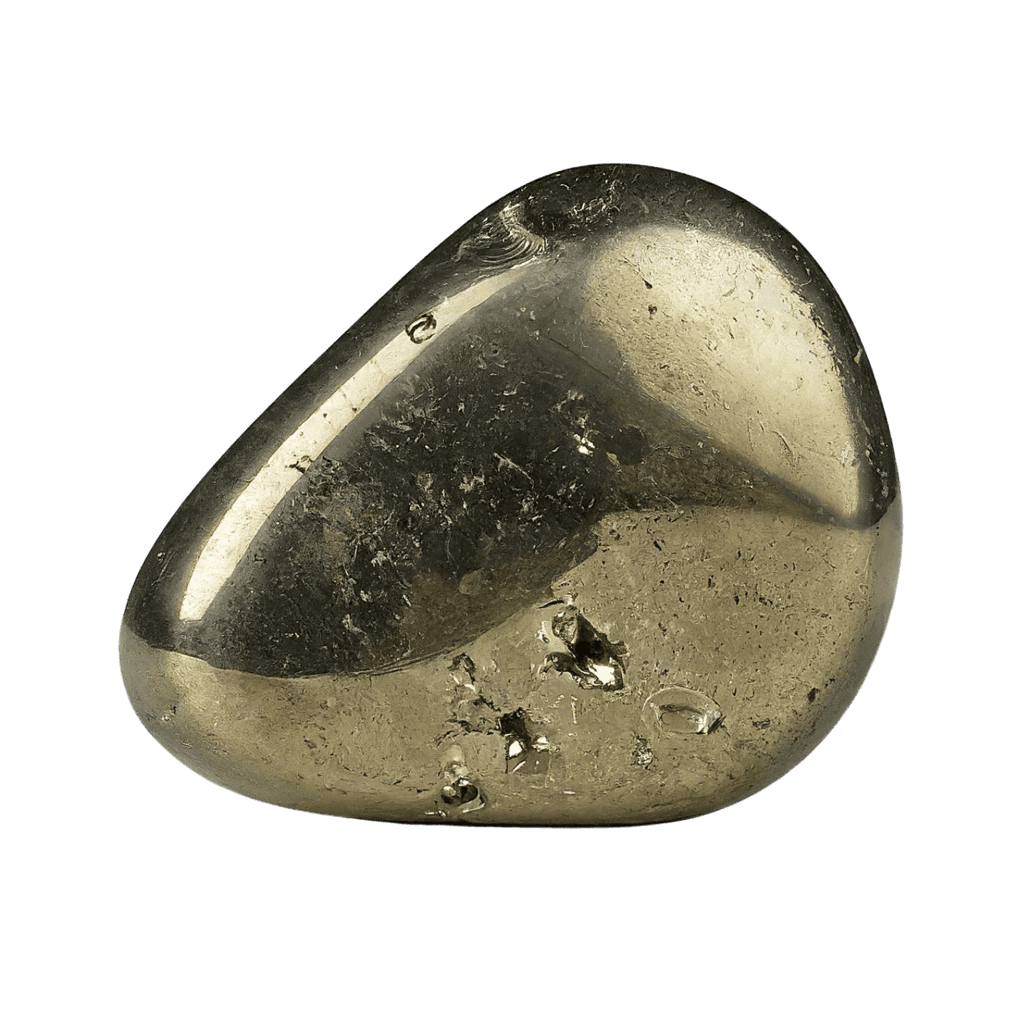
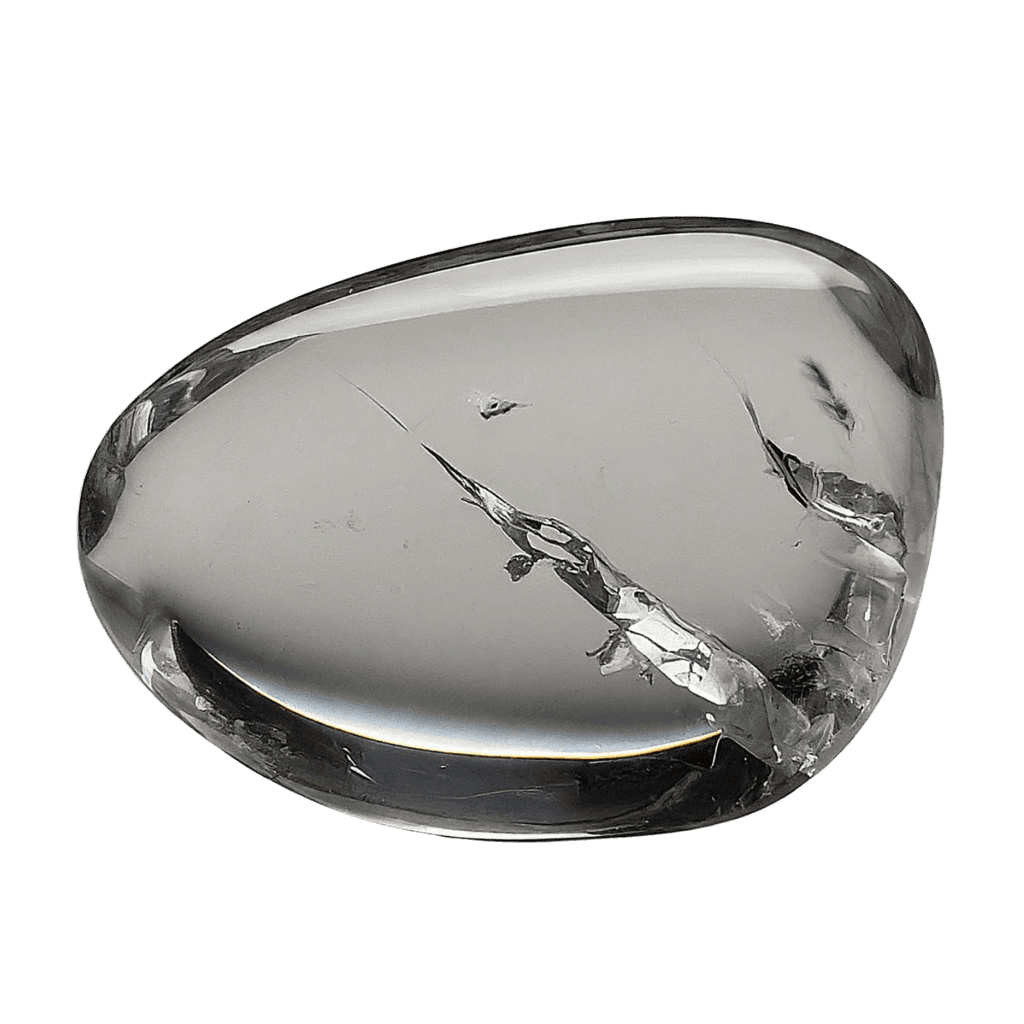
Use Chalcopyrite as the heart of a small grid for intuition, with Pyrite and Clear Quartz alternating on the spokes. Place the stones slowly and set the last one down with the intuition intention named out loud.
How to Cleanse and Charge
A worked stone needs clearing, and Chalcopyrite is no exception; practitioners describe an uncleansed crystal as muffled, present but quieter than it should be. For the full safety profile and the cadence I recommend, see the dedicated Chalcopyrite care guide.
- 1
Sage
Smoke-cleanse Chalcopyrite: light the sage, let it settle to a smolder, and move the stone through the rising smoke until your sense of it lightens, usually under a minute.
- 2
Sound
Sound-cleanse Chalcopyrite by striking a bowl or bell, letting each tone fade completely before the next; the vibration does the clearing, and no contact is needed.
- 3
Moonlight
Once a month, let Chalcopyrite sit overnight in moonlight, on the full moon if you can manage it. Nothing in the cabinet is harmed by this method, which is why it anchors most cleansing routines.
- 4
Selenite
Lay Chalcopyrite on a selenite plate or alongside a selenite wand overnight; selenite is the tradition's self-cleaning shelf, no effort, no risk to the stone.
How often to cleanse
Give Chalcopyrite a clearing at least every month, and sooner after hard weeks or heavy daily use. The stone will teach you its own signal in time; most people describe it as dullness, weight, or a sense the stone has gone quiet.
Charging after cleansing
After cleansing, charge Chalcopyrite by placing it in morning sunlight for 30 minutes. This restores its energetic vitality.
The Crystal Starter Library
A free guide from Crystal Cassandra: the twelve stones that cover almost everything, a one page care matrix for water, sun and salt, and how to build a first intention practice.
We respect your inbox. Unsubscribe anytime.
Crystal Pairings
Chalcopyrite keeps subtle company well; its traditional partners deepen quiet rather than break it. These are meditation-room combinations, built for stillness and intuition. Introduce one at a time, a week apart, and let your sits decide which stays.
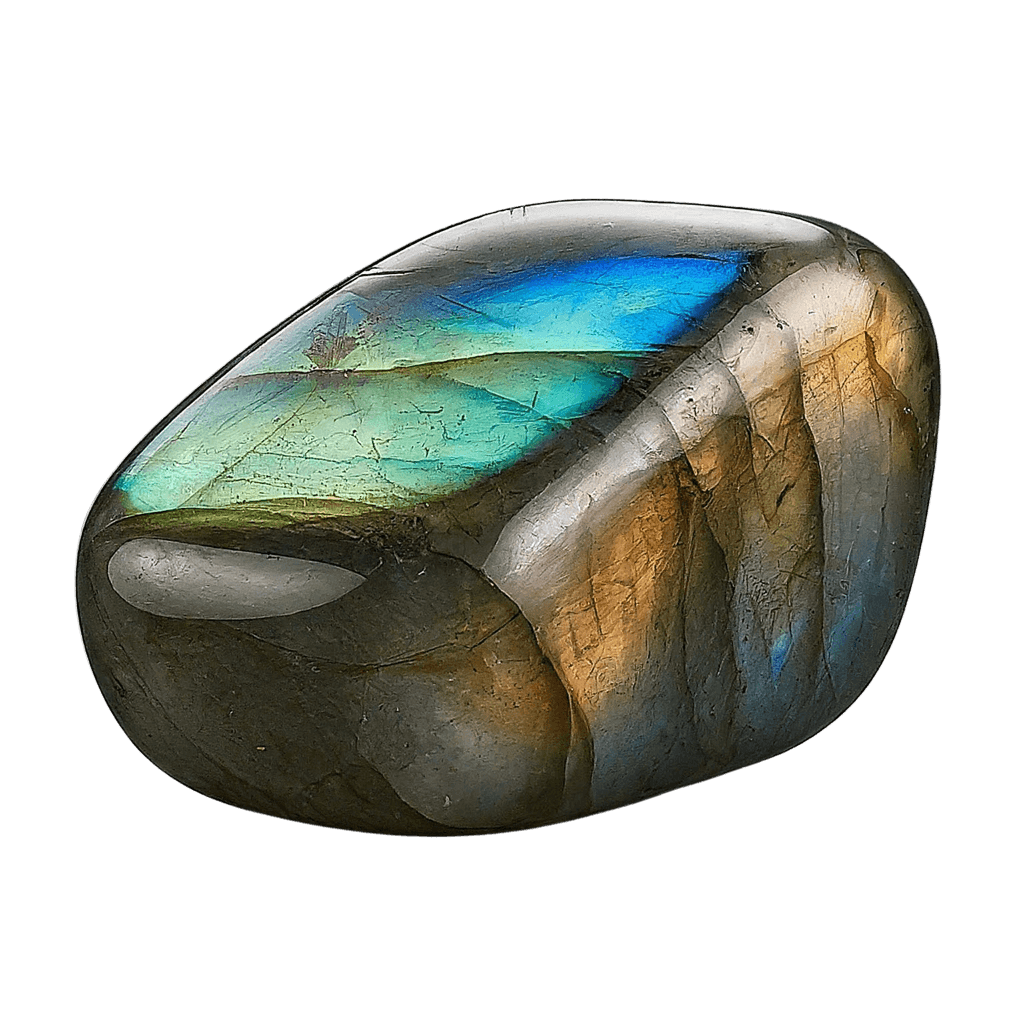
How to Spot Real vs Fake Chalcopyrite
Imitations of Chalcopyrite exist because demand does. A few hands-on checks separate genuine iridescent purple material from glass, resin, and dye:
Temperature: at Mohs 4, genuine Chalcopyrite warms in the hand noticeably faster than glass; an imitation in glass stays cold and slick well past the first minute.
Weight: real Chalcopyrite should feel like stone rather than plastic pretending; if a palm-sized piece feels nearly weightless, walk away from it.
Color and pattern: natural Chalcopyrite runs iridescent purple, blue, or gold, with variation from piece to piece; perfectly uniform color across a whole tray is the classic mark of dye or synthetics.
Price reality: the fair range for Chalcopyrite sits near $10 to $25 at palm size; below that, assume treatment or imitation until the seller proves otherwise.
Trust your source: a seller who knows where a iridescent purple stone like this came from and says so plainly is worth more than every test on this list. Vagueness about origin is itself an answer.
Sourcing
Buying Chalcopyrite well
The CrystalStones.com crystal store is not open yet, so we do not sell Chalcopyrite here. What we can give you is the part that matters most: how to tell a genuine piece from a treated or dyed one, and how to care for it once it is yours.
Frequently Asked Questions
What is Chalcopyrite good for?
Chalcopyrite is traditionally associated with intuition, psychic development, meditation, and abundance. Many people find it supportive for intuition and for working with the Crown and Third Eye chakras.
Can Chalcopyrite go in water?
No. Chalcopyrite should stay dry; cleanse it with Sage, Sound, and Moonlight instead, and keep every wet method off the table.
Can Chalcopyrite be in the sun?
Yes. Chalcopyrite is one of the sun-tolerant stones, so use morning light freely to charge the iridescent purple material; just bring it in rather than leaving it out for whole days at a time.
What chakra is Chalcopyrite?
Chalcopyrite is primarily associated with the Crown (Sahasrara) and Third Eye (Ajna) chakras. Position it clear of the head rather than on the body, seated or lying down; edge placement is the crown convention for intuition work.
What zodiac sign is Chalcopyrite for?
Chalcopyrite is traditionally connected to Capricorn. Astrological correspondence is one tradition among several, and nothing about your chart disqualifies you; people without a Capricorn placement work with Chalcopyrite all the time.
How do I cleanse Chalcopyrite?
The best methods for Chalcopyrite are Sage, Sound, and Moonlight. Contains copper, wash hands after handling. Avoid water (will tarnish iridescence). No salt.
Is Chalcopyrite real or fake, how can I tell?
Genuine Chalcopyrite warms quickly in the hand at Mohs 4, while glass imitations stay cold longer and feel slick rather than satiny. A fair tumbled piece sits near $10 to $25 and shows honest variation across the iridescent purple range; flawless uniformity at a bargain price is the tell worth trusting.
What’s Next?
A few thoughtful next steps if Chalcopyrite is calling to you.
Explore More Tools
Crystal Quiz
Discover which crystal matches your energy right now.
Open →Chakra Test
Find which chakras need attention and the crystals to balance them.
Open →Crystal Cleansing Guide
Learn how to safely cleanse and charge your crystals.
Open →Crystals by Intention
Find the perfect crystal for what you need right now.
Open →