
Quick Answer
Peacock Ore is a iridescent rainbow crystal used in modern crystal healing for energy, creativity, and vitality. It measures 3 on the Mohs hardness scale and typically costs $8 to $20 for a tumbled stone. In the chakra tradition, Peacock Ore is associated with the Root, Sacral, Solar Plexus, Heart, Throat, Third Eye, and Crown chakras.
Worth knowing: The rainbow is thin-film interference, light reflecting off a tarnish layer mere nanometers thick, and much commercial peacock ore is actually chalcopyrite dipped in acid to force the colors bornite develops naturally.
“A multi-iridescent copper sulfide of joy, color-therapy energy, and rainbow chakra alignment.”
- Chakra
- Root (Muladhara), Sacral (Svadhisthana), Solar Plexus (Manipura), Heart (Anahata), Throat (Vishuddha), Third Eye (Ajna), Crown (Sahasrara)
- Zodiac
- Cancer ♋
- Element
- Fire 🔥, Spirit ✨
- Planet
- Venus ♀
- Hardness
- 3 / 10 (Mohs)
- Colors
- Iridescent rainbow, Purple, Blue, Gold
- Origin
- Mexico, USA, Peru
- Availability
- Not sold here yet
Care + Safety
Peacock Ore at a glance
- Water: avoid, may damage or leach
- Sun: fades in prolonged direct sun
- Mohs hardness: 3 (display + meditation only)
What is Peacock Ore?
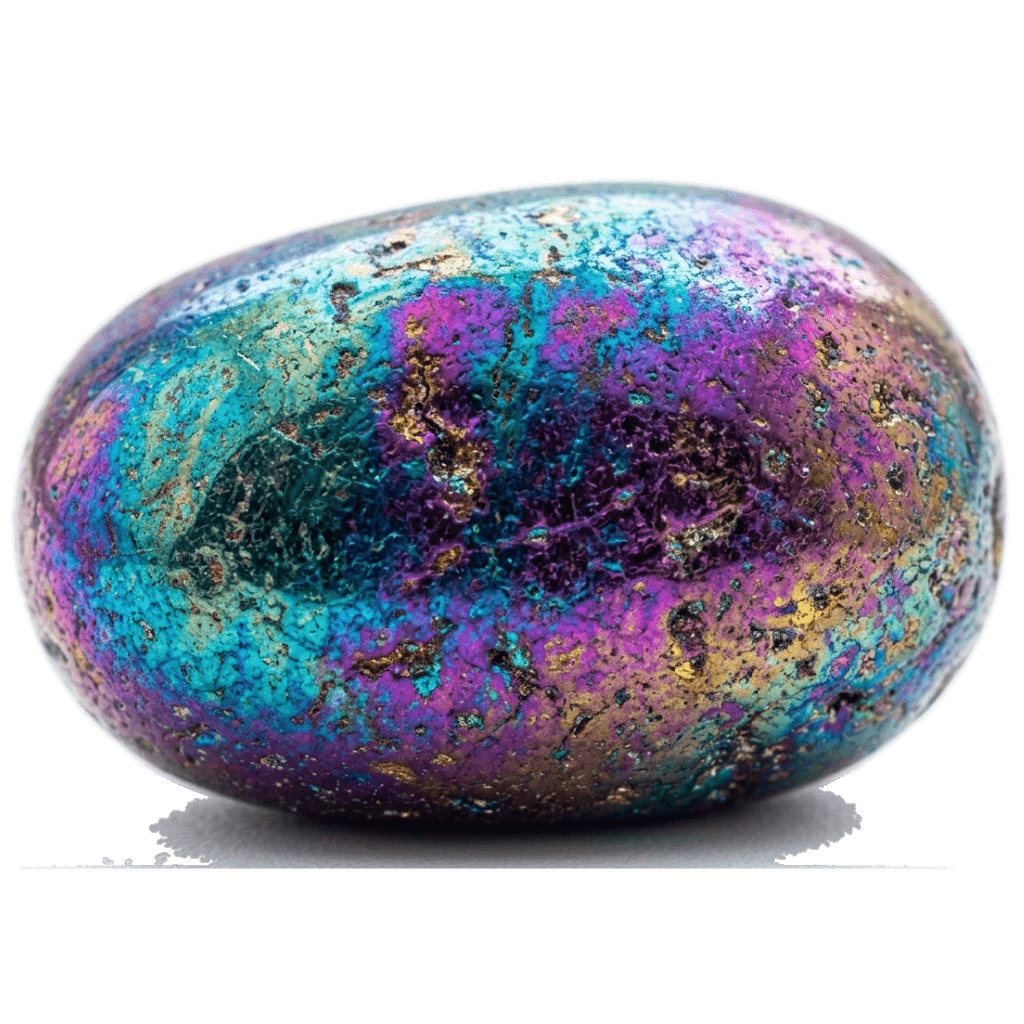
Peacock ore is bornite, a copper iron sulfide and a commercially important copper ore that is bronze-brown on a freshly broken face and tarnishes to purple, blue, and magenta as a thin oxide film grows. The mineral was named in 1845 for the Austrian mineralogist Ignaz von Born.
Peacock Ore measures 3 on the Mohs scale and shows iridescent rainbow, purple, or blue coloring. Collectors class it with the activating stones, the shelf consulted for energy, creativity, and vitality whenever a door needs walking through.
The stone connects primarily to the Root (Muladhara) and Sacral (Svadhisthana) and Solar Plexus (Manipura) and Heart (Anahata) and Throat (Vishuddha) and Third Eye (Ajna) and Crown (Sahasrara) chakras, carrying Fire and Spirit energy. Today the material is drawn from Mexico, USA, and Peru. Hold pieces from two different sources side by side and the differences in the iridescent rainbow material, tone, translucency, pattern, become obvious fast.
Peacock Ore (bornite, distinct from chalcopyrite though often sold under the same nickname) develops a tarnish layer that shimmers in every color of the rainbow, purple, blue, gold, magenta all in one stone. Each color corresponds to a chakra, which makes this a single-stone tool for whole-body energy alignment. Hold it and let your eyes wander across the colors.
Also catalogued as Bornite and Iridescent Copper Stone, this is a stone that rewards regular handling more than display. Give Peacock Ore a week of energy duty in the pocket before deciding what it is for.
History and Mythology
Peacock Ore entered the record through mineralogy rather than mythology: the species was identified and named in the modern era, and its healing use begins with the 20th and 21st century crystal literature rather than any ancient source. That recency is worth stating plainly, because honest provenance is rarer than it should be in this field. The material itself is sourced today from Mexico, USA, and Peru.
Astrologically minded practitioners file Peacock Ore under Cancer and give Venus ♀ the rulership. The pairing is a 20th century convention rather than an ancient decree, and it is read as favoring energy work.
Hold the two timescales side by side, centuries of human use at most against epochs of formation behind every Mohs 3 specimen of Peacock Ore; the deep time is the one part no marketing can inflate.
Peacock Ore Meaning and Metaphysical Properties
What the Hand Learns First
In the hand Peacock Ore reads as gentle before you know anything else about it. Mohs 3 hardness means it gives up its coolness quickly, and the iridescent rainbow polish carries a waxy, candle-like glow. Posture is where the classical guidance points for an activating stone, shoulders and spine and the angle of the chin, so watch there rather than waiting on the hand.
Primary Properties
Momentum is the family business, and the Peacock Ore property list reads accordingly: energy, creativity, vitality, and spiritual awakening. Tradition says to take the stone in hand just before the moments that ask for your full voltage, the audition, the opening day, the empty page. None of it is a guarantee; all of it is a prompt.
How Crystal Energy Works
Ground is the keyword the tradition gives Peacock Ore: a Root-center stone, asked above all for energy. Work it the Root way, seated, slow, soles flat against the floor, holding energy, creativity, and vitality as the quiet agenda. Both of the modern handbooks, Hall's and Melody's, station the activating stones at the lower three centers and describe them in the language of will and creative fire, never luck.
Amplification Through Intention
Fire-element stones like Peacock Ore are read as accelerants for an intention such as energy. The tradition says to give them one clear assignment and to revisit it often rather than setting and forgetting.
Healing Benefits
Emotional Support
Peacock Ore meets emotion at the confidence layer: energy, creativity, and vitality. It is traditionally handled before the moments that ask you to take up space, and the small ritual of pocketing it steadies more than you might expect. Tradition, not treatment: energy work with a stone sits beside professional support, never in place of it.
Spiritual Connection
Peacock Ore attends the spiritual act of beginning. The traditional use is simple, take the stone in hand and say the intention out loud, letting that small rite turn a wish into a promise, and repeat it at the starts, new work, new chapters, new moons.
Physical Presence
Physically, Peacock Ore is the kind of stone tradition pairs with movement: pocket it for the workout, the cold start, the task that needs momentum toward energy. What it reliably does is remind the body it has your attention, which is worth more than it sounds and replaces no medical care at all.
Chakra Connection
Peacock Ore resonates most strongly with the Root (Muladhara), the energy center traditionally drawn in red and the traditional seat of this stone's energy work. When this center runs clear, the classical markers are safety, stability, and groundedness; energy, creativity, and vitality are what Peacock Ore is most often asked to bring to it.
For placement, go low: lie down with Peacock Ore resting at the hip points, or sit on the floor and set it between your feet. Attention on weight and ground, for as long as that stays comfortable, is the classic root session the tradition records for energy.
Peacock Ore also keeps a working line to the Sacral (Svadhisthana) and Solar Plexus (Manipura) and Heart (Anahata) and Throat (Vishuddha) and Third Eye (Ajna) and Crown (Sahasrara), which widens its range in layouts; let the primary placement lead, and add the second position once the first feels familiar.
Zodiac and Astrological Connection
Astrological tradition links Peacock Ore with Cancer ♋ (Jun 21 to Jul 22), and practitioners often suggest the stone meets Cancer placements with the least friction.
None of this is exclusionary. If Peacock Ore keeps catching your eye, that interest counts for more than whether Cancer appears anywhere in your chart.
Venus ♀ rules Peacock Ore in this tradition, so practitioners time their longer sessions to that planet's active periods, especially for energy.
How to Use Peacock Ore
Five practices suit Peacock Ore especially well. Pick the one that fits the day you are actually having rather than the routine you think you should have.
- 1
Meditation Hold
Take up Peacock Ore as you settle in; at Mohs 3 it takes on your warmth within a minute or two, and that slow merge is a useful anchor whenever the mind wanders.
- 2
Body Placement
Floor and hip are the two Root stations in the old placement charts, and Peacock Ore takes either one: by the feet during seated work, at the hips when lying back. In my practice the interesting part is never the position itself but what you catch yourself noticing once you stop expecting anything from it, which is how the tradition's energy work was meant to be entered.
- 3
Sleep Companion
At night, park Peacock Ore on the nightstand rather than working it; its job is the day's energy, and ending the day cleanly is how tomorrow's session starts well.
- 4
Carry With You
Take Peacock Ore along to the thresholds, the interview, the first day, the opening night, and give it one deliberate touch at the door; the gesture cues the stance that energy takes in a body.
- 5
Crystal Grid Anchor
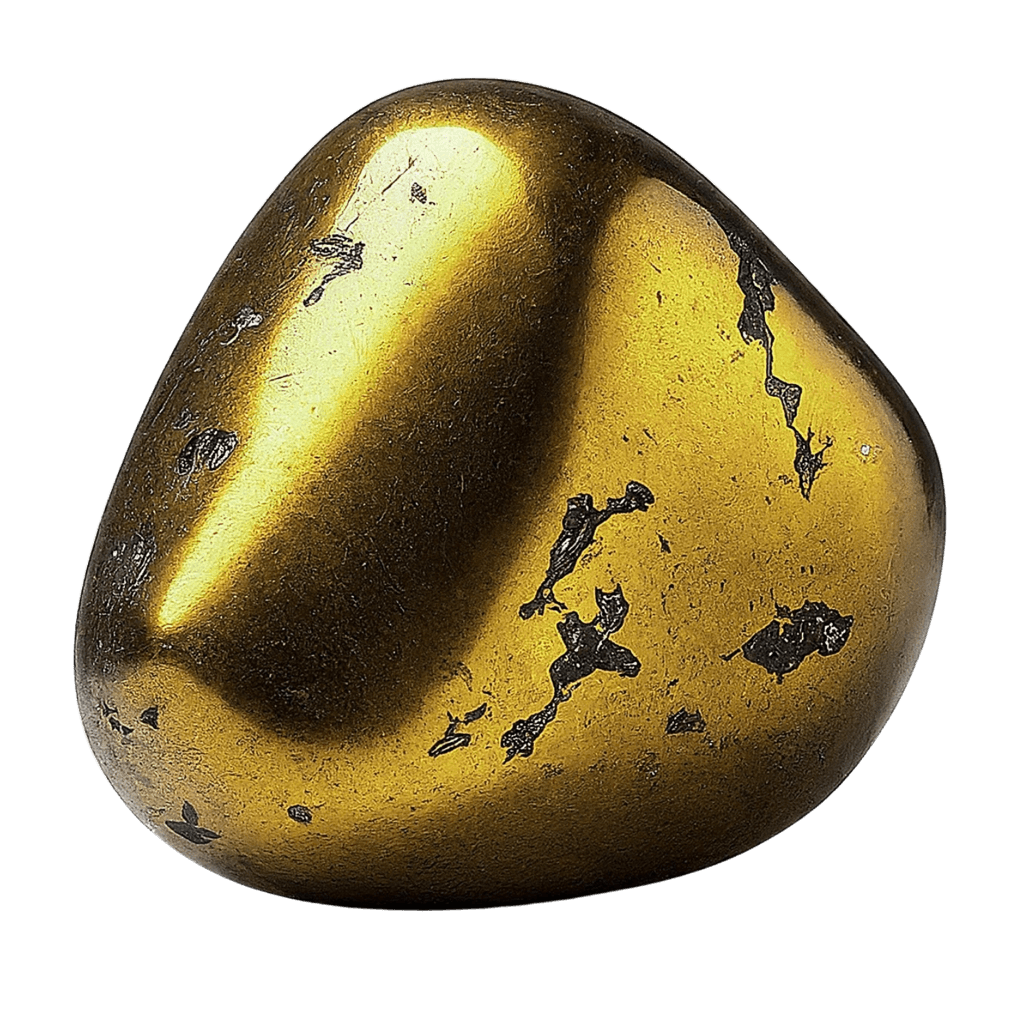
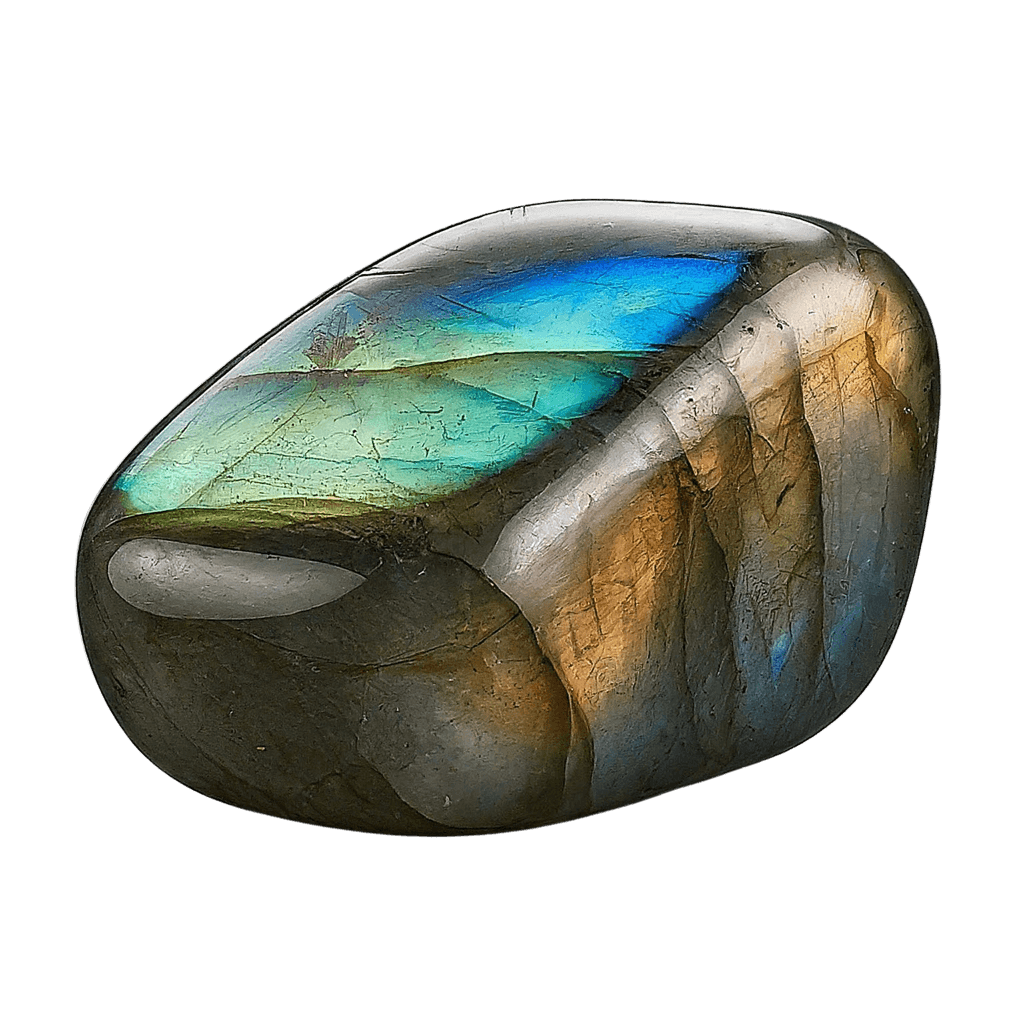
Use Peacock Ore as the heart of a small grid for energy, with Chalcopyrite and Labradorite alternating on the spokes. Place the stones slowly and set the last one down with the energy intention named out loud.
How to Cleanse and Charge
Keeping Peacock Ore energetically clear is essential, a crystal that's holding too much absorbed energy becomes less effective, like a sponge that's full. For the full water-safe / sun-safe / salt-safe profile, the recommended cleansing cadence, and the hands-on storage instructions I give my clients, see the dedicated Peacock Ore care guide.
- 1
Sage
Smoke-cleanse Peacock Ore: light the sage, let it settle to a smolder, and move the stone through the rising smoke until your sense of it lightens, usually under a minute.
- 2
Sound
A minute inside strong, sustained tone, bowl, chime, even a steady hum, resets Peacock Ore without physical risk, which makes sound the safest deep cleanse for fragile stones.
- 3
Moonlight
Once a month, let Peacock Ore sit overnight in moonlight, on the full moon if you can manage it. Nothing in the cabinet is harmed by this method, which is why it anchors most cleansing routines.
- 4
Selenite
Lay Peacock Ore on a selenite plate or alongside a selenite wand overnight; selenite is the tradition's self-cleaning shelf, no effort, no risk to the stone.
How often to cleanse
I recommend cleansing Peacock Ore at least once a month, more frequently if you're using it daily or during emotionally intense periods. You'll also learn to feel when a stone needs cleansing; it may feel heavier, duller, or simply “off.”
Charging after cleansing
After cleansing, charge Peacock Ore by setting it on a selenite plate overnight or bathing it in full moonlight. This restores its energetic vitality.
The Crystal Starter Library
A free guide from Crystal Cassandra: the twelve stones that cover almost everything, a one page care matrix for water, sun and salt, and how to build a first intention practice.
We respect your inbox. Unsubscribe anytime.
Crystal Pairings
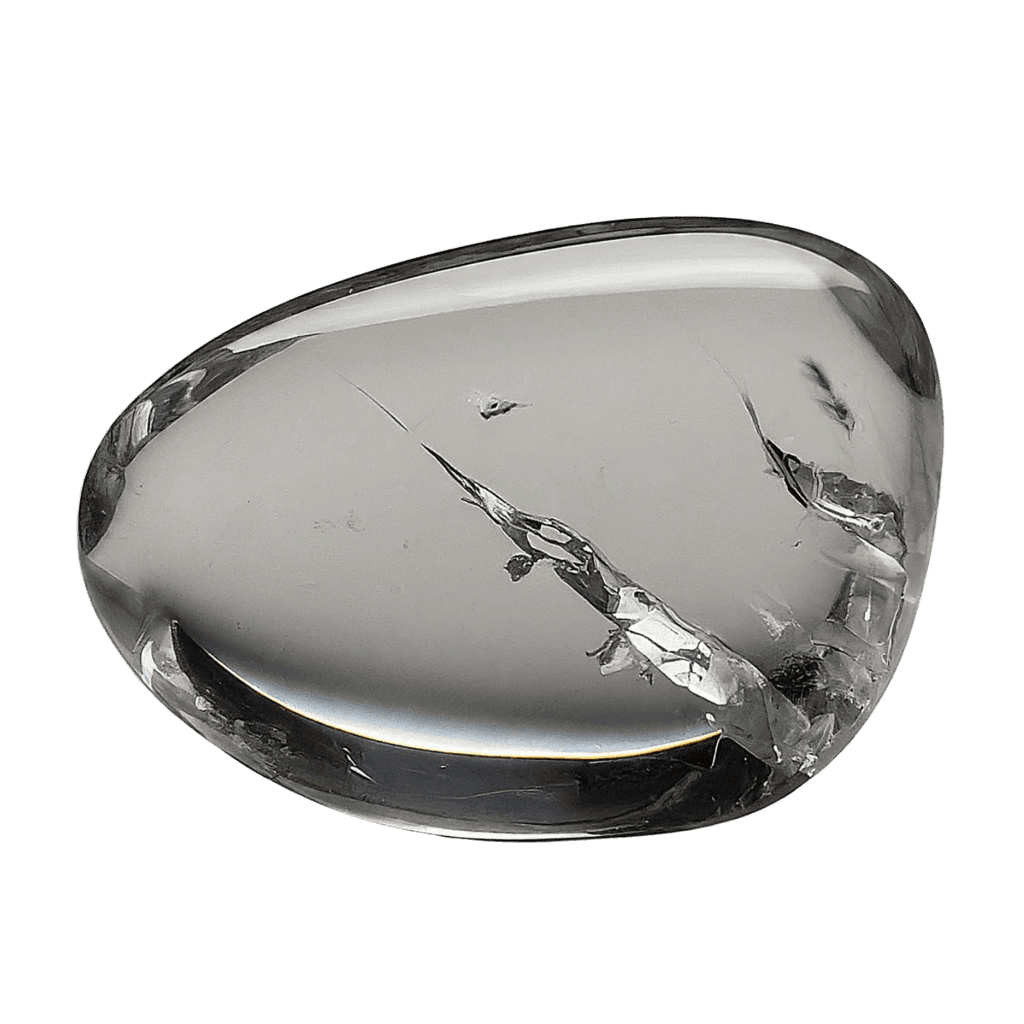
Give Peacock Ore both a spark and a rudder: activators left unpartnered tend to spray energy instead of directing it. Tradition assigns its companions the governor and amplifier roles by turns. Test a fresh combination on one modest energy errand before trusting it with more.
How to Spot Real vs Fake Peacock Ore
Imitations of Peacock Ore exist because demand does. A few hands-on checks separate genuine iridescent rainbow material from glass, resin, and dye:
Temperature: at Mohs 3, genuine Peacock Ore warms in the hand noticeably faster than glass; an imitation in glass stays cold and slick well past the first minute.
Weight: real Peacock Ore should feel like stone rather than plastic pretending; if a palm-sized piece feels nearly weightless, walk away from it.
Color and pattern: natural Peacock Ore runs iridescent rainbow, purple, or blue, with variation from piece to piece; perfectly uniform color across a whole tray is the classic mark of dye or synthetics.
Price: expect $8 to $20 for a decent tumbled or palm piece of Peacock Ore; dramatic discounts mean dye, resin, or mislabeling more often than they mean luck.
Trust your source: a seller who knows where a iridescent rainbow stone like this came from and says so plainly is worth more than every test on this list. Vagueness about origin is itself an answer.
Sourcing
Buying Peacock Ore well
The CrystalStones.com crystal store is not open yet, so we do not sell Peacock Ore here. What we can give you is the part that matters most: how to tell a genuine piece from a treated or dyed one, and how to care for it once it is yours.
Frequently Asked Questions
What is Peacock Ore good for?
Peacock Ore is traditionally associated with energy, creativity, vitality, and spiritual awakening. Many people find it supportive for energy and for working with the Root, Sacral, Solar Plexus, Heart, Throat, Third Eye, and Crown chakras.
Can Peacock Ore go in water?
No. Peacock Ore should stay dry; cleanse it with Sage, Sound, and Moonlight instead, and keep every wet method off the table.
Can Peacock Ore be in the sun?
Not for long. Peacock Ore holds delicate iridescent rainbow color that extended sun exposure can bleach; charge it overnight in moonlight or on selenite instead.
What chakra is Peacock Ore?
Peacock Ore is primarily associated with the Root (Muladhara) and Sacral (Svadhisthana) and Solar Plexus (Manipura) and Heart (Anahata) and Throat (Vishuddha) and Third Eye (Ajna) and Crown (Sahasrara) chakras. Work it low, at the hips or on the floor between the feet while seated, which is the traditional station for energy.
What zodiac sign is Peacock Ore for?
Peacock Ore is traditionally connected to Cancer. If your signs differ, work with Peacock Ore anyway; resonance in the hand outranks resonance on paper in every practical tradition.
How do I cleanse Peacock Ore?
The best methods for Peacock Ore are Sage, Sound, and Moonlight. Iridescent tarnish is fragile, avoid water, salt, prolonged sun. Soft and brittle.
Is Peacock Ore real or fake, how can I tell?
Genuine Peacock Ore warms quickly in the hand at Mohs 3, while glass imitations stay cold longer and feel slick rather than satiny. A fair tumbled piece sits near $8 to $20 and shows honest variation across the iridescent rainbow range; flawless uniformity at a bargain price is the tell worth trusting.
What’s Next?
A few thoughtful next steps if Peacock Ore is calling to you.
Explore More Tools
Crystal Quiz
Discover which crystal matches your energy right now.
Open →Chakra Test
Find which chakras need attention and the crystals to balance them.
Open →Crystal Cleansing Guide
Learn how to safely cleanse and charge your crystals.
Open →Crystals by Intention
Find the perfect crystal for what you need right now.
Open →