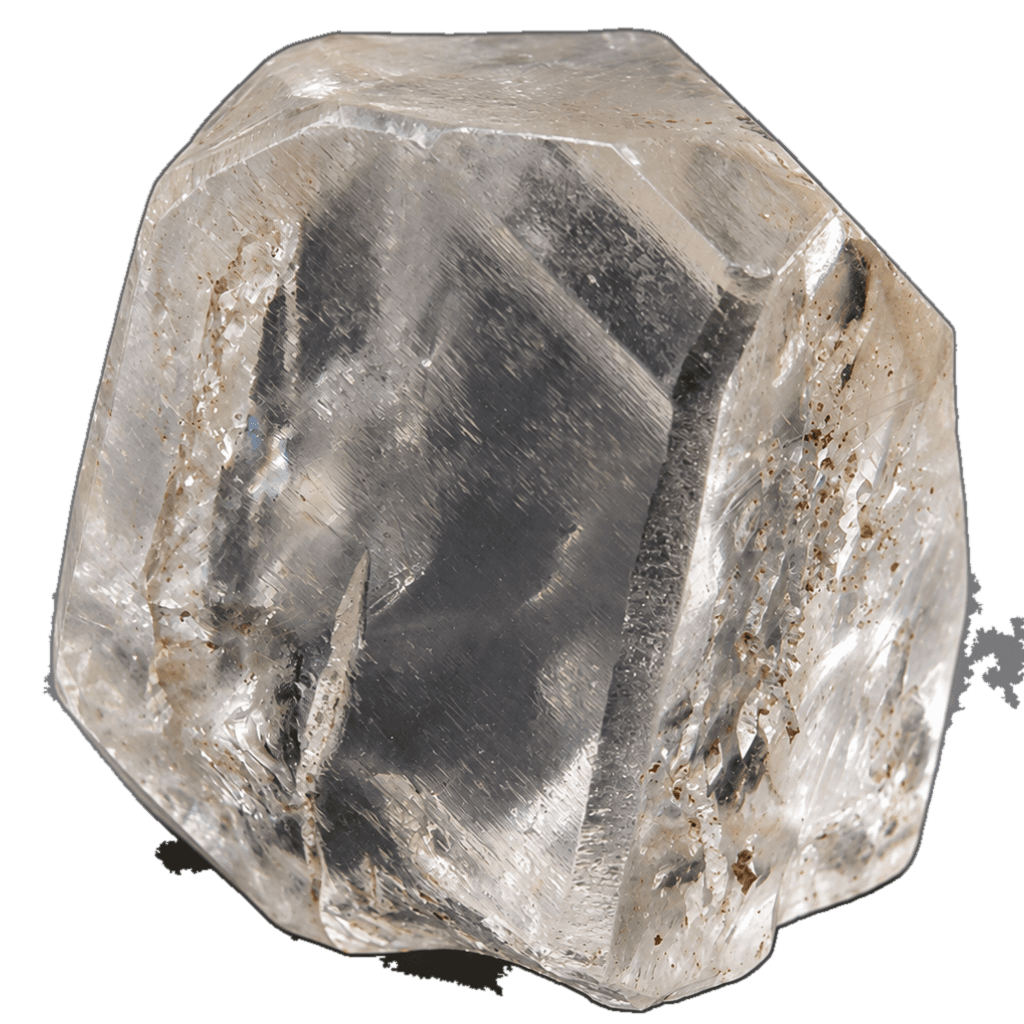

Quick Answer
Sanidine is a colorless crystal used in modern crystal healing for clarity, focus, and confidence. It measures 6 on the Mohs hardness scale and typically costs $8 to $28 for a tumbled stone. In the chakra tradition, Sanidine is associated with the Third Eye and Throat chakras.
Worth knowing: Sanidine is geochronology's favorite stopwatch: argon-argon dating of sanidine from volcanic ash, calibrated against the Fish Canyon Tuff standard, pins down eruption ages and anchors much of the geologic timescale.
“A clear, glassy potassium feldspar of mental clarity and self-assured expression.”
- Chakra
- Third Eye (Ajna), Throat (Vishuddha)
- Zodiac
- Gemini ♊, Aquarius ♒
- Element
- Air 💨
- Planet
- Mercury ☿
- Hardness
- 6 / 10 (Mohs)
- Colors
- Colorless, Pale grey, White, Smoky
- Origin
- Germany, Italy, USA
- Availability
- Not sold here yet
Care + Safety
Sanidine at a glance
- Water: brief rinse safe
- Sun: tolerates sunlight charging
- Mohs hardness: 6 (occasional wear only)
What is Sanidine?
Sanidine is the high-temperature form of potassium feldspar, stable in erupting lavas and preserved when volcanic rock chills too fast for the atoms to reorder into orthoclase or microcline. Its name comes from the Greek sanis, a board or plank, after the thin tabular crystals it forms in rocks like trachyte and rhyolite.
Sanidine measures 6 on the Mohs scale and shows colorless, pale grey, or white coloring. Call it a desk stone: the catalog assigns it clarity, focus, and confidence, the work of lifting fog before words or decisions land.
The stone connects primarily to the Third Eye (Ajna) and Throat (Vishuddha) chakras, carrying Air energy. Sources include Germany, Italy, and USA; deposit matters more than beginners expect, and collectors learn to recognize where a piece of Sanidine was mined by its color depth and pattern.
Sanidine is a high-temperature potassium feldspar, usually colorless to pale grey and noticeably glassy, that crystallizes quickly in volcanic rock. Hold this stone and notice a crisp, transparent clarity of mind. In the crystal-healing tradition Sanidine is treated as a stone of articulate thought and self-trust, helping you organize and voice your ideas. As a feldspar it has good hardness but cleaves along flat planes, so I rinse it only briefly and store it apart from harder stones.
Also catalogued as High-Temperature Feldspar and Glassy Feldspar, this is a stone that rewards regular handling more than display. Give Sanidine a week of clarity duty in the pocket before deciding what it is for.
History and Mythology
Sanidine is a modern entry in the crystal canon. Its mineral identity was established in the scientific era, the healing vocabulary around it dates to recent decades, and any claim of ancient ritual use should be met with a raised eyebrow. The stone itself, formed in deposits now mined in Germany, Italy, and USA, is of course older than every book ever written about it.
Astrologically minded practitioners file Sanidine under Gemini and Aquarius and give Mercury ☿ the rulership. The pairing is a 20th century convention rather than an ancient decree, and it is read as favoring clarity work.
However young or old the human story, the stone outruns it: Sanidine formed over deep time, and the Mohs 6 piece on your shelf is the newest chapter of a very old book.
Sanidine Meaning and Metaphysical Properties
First Touch
Sanidine meets the hand cool and composed: at Mohs 6 it takes a glass-bright polish, and that first chill lingers a while before your warmth wins. A sharpening of the visual field is the classic first report with clarity stones, the room coming into slightly better focus, so watch what your eyes do.
Primary Properties
The property list for Sanidine is a thinking list: clarity, focus, confidence, and communication. This is the family for desk work and hard conversations, anywhere fog needs to lift before words can land. Use the stone as a session marker, same place, same task, and let repetition build the association.
How Crystal Energy Works
The brow center, the Third Eye, is where the tradition seats Sanidine, and the standing request there is clarity. Short sessions serve best, soft gaze, no straining, letting clarity, focus, and confidence drift up in their own time. Judy Hall groups the clarity stones with the throat and brow centers, and her entries for the family read like study aids: focus, articulation, honest speech.
Amplification Through Intention
As an Air-element stone, Sanidine is worked where thinking happens, the desk, the journal, the conversation where clarity is on the line. Keep it in view rather than in a drawer, and let each glance quietly reset the clarity intention.
Healing Benefits
Emotional Support
Composure is the feeling Sanidine is traditionally asked to support: clarity, focus, and confidence. Bring it to the tangled days, the ones where the emotion is unmistakable but the sentence for it will not come. Tradition, not treatment: clarity work with a stone sits beside professional support, never in place of it.
Spiritual Connection
Truth-telling is the spiritual lane Sanidine runs in: the unflinching journal, the conversation that finally happens. Tradition assigns it to the practices of honest seeing and honest saying, worked at the Third Eye center.
Physical Presence
Physically, Sanidine suits the desk-bound body: a cool object for the hand during screen hours, a cue to unclench the jaw and drop the shoulders on the way to clarity. Awareness, not treatment, is the honest claim.
Chakra Connection
Sanidine resonates most strongly with the Third Eye (Ajna), the energy center traditionally drawn in indigo and the traditional seat of this stone's clarity work. When this center runs clear, the classical markers are a quiet knowing, sharp inner sight, and perception that trusts itself; clarity, focus, and confidence are what Sanidine is most often asked to bring to it.
Lie back and rest Sanidine at the brow point with the focus soft; third-eye sessions are kept short by tradition, ended while they are still easy rather than at any mark, and clarity is their usual aim.
Sanidine also keeps a working line to the Throat (Vishuddha), which widens its range in layouts; let the primary placement lead, and add the second position once the first feels familiar.
Zodiac and Astrological Connection
In the modern correspondence tables Sanidine is assigned to Gemini ♊ (May 21 to Jun 20) and Aquarius ♒ (Jan 20 to Feb 18); a Sun, Moon, or rising placement there is read as a head start with this stone, nothing more.
The gate, though, stands open: you do not need a Gemini Sun to work with Sanidine, and a genuine pull toward the stone outweighs its paper assignments.
Mercury ☿ rules Sanidine in this tradition, so practitioners time their longer sessions to that planet's active periods, especially for clarity.
How to Use Sanidine
These are the five ways of working with Sanidine I suggest most often. Begin wherever your attention goes first; the sequence matters far less than starting.
- 1
Meditation Hold
Take up Sanidine and register the first cool touch; a glassy stone at Mohs 6 warms slowly, and tracking that gradual change is a meditation in itself.
- 2
Body Placement
The brow is the seat the charts give Sanidine: lie back, close the eyes, hold the focus loose. Brief and unforced is the whole rule for brow work, and no count improves it. In the old language, the aim of the station is clarity.
- 3
Sleep Companion
At night, park Sanidine on the nightstand rather than working it; its job is the day's clarity, and ending the day cleanly is how tomorrow's session starts well.
- 4
Carry With You
Take Sanidine into the marathon meetings and the stubborn drafts, and touch it deliberately whenever the thread knots; the two-second reset compounds, and in a few weeks it has become a working clarity habit.
- 5
Crystal Grid Anchor
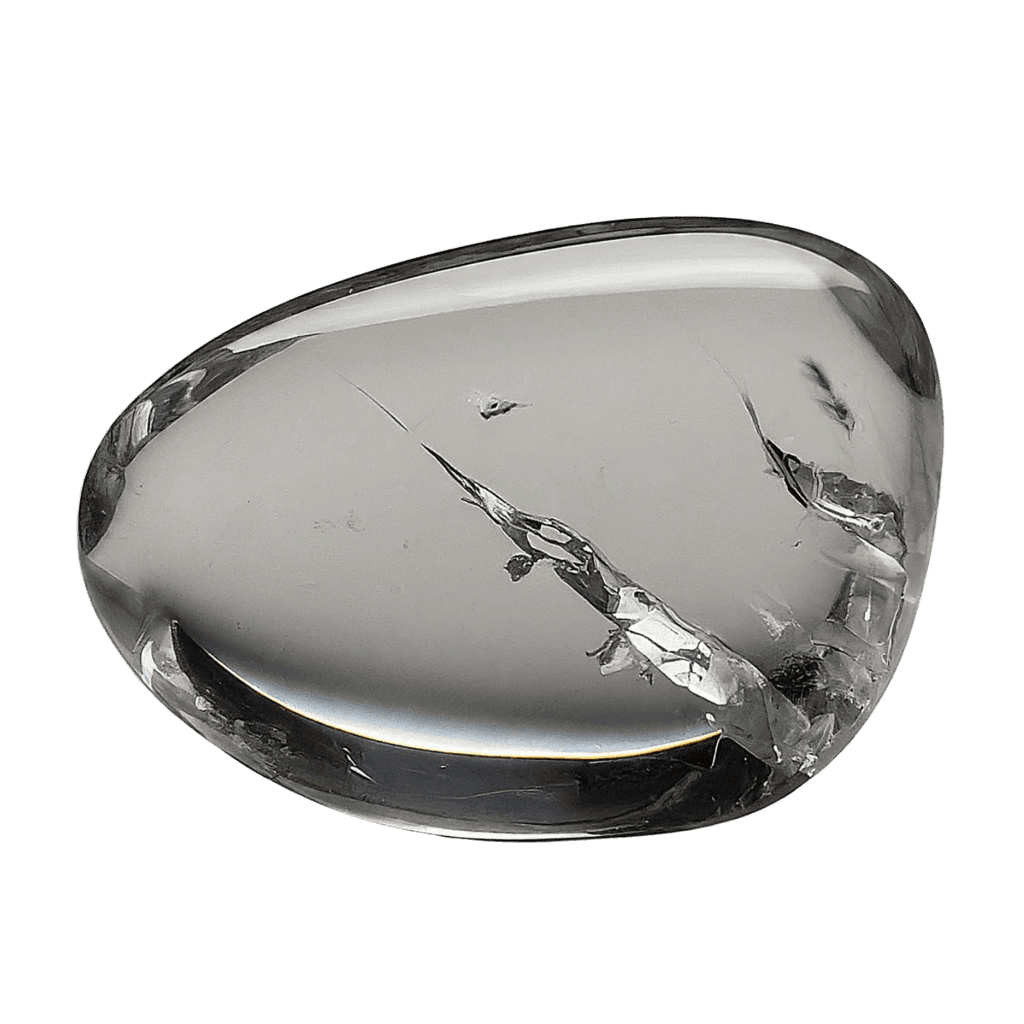
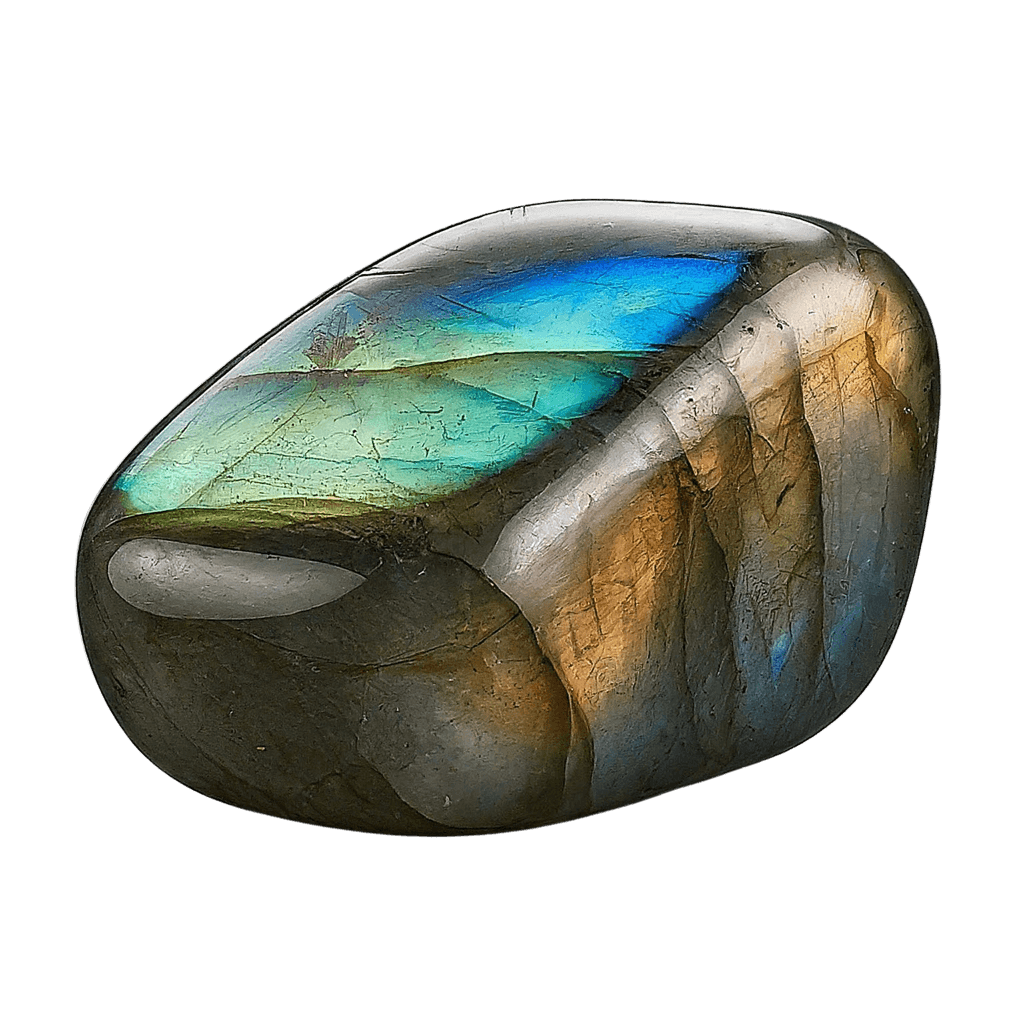
Set Sanidine at the center of a grid built for clarity and ring it with Clear Quartz and Labradorite at the points. Speak the intention once as you place each stone; a grid is a sentence written in minerals, and saying the clarity aloud is the punctuation.
How to Cleanse and Charge
Sanidine works best when it is cleansed on a rhythm; tradition pictures a stone absorbing what it meets, and a saturated stone has nothing left to give. The complete water, sun, and salt safety profile, plus the storage instructions I give my clients, lives in the dedicated Sanidine care guide.
- 1
Moonlight
Once a month, let Sanidine sit overnight in moonlight, on the full moon if you can manage it. Nothing in the cabinet is harmed by this method, which is why it anchors most cleansing routines.
- 2
Selenite
Keep a selenite dish where you empty your pockets and drop Sanidine there at day's end; the resting place does the cleansing while you sleep.
- 3
Sage
For a deeper reset, hold Sanidine in sage smoke and name out loud what the stone has been carrying; the naming is half the cleanse.
- 4
Sound
Sound-cleanse Sanidine by striking a bowl or bell, letting each tone fade completely before the next; the vibration does the clearing, and no contact is needed.
How often to cleanse
Give Sanidine a clearing at least every month, and sooner after hard weeks or heavy daily use. The stone will teach you its own signal in time; most people describe it as dullness, weight, or a sense the stone has gone quiet.
Charging after cleansing
Once it is cleansed, recharge Sanidine by placing it in morning sunlight for 30 minutes; cleansing empties the stone, charging refills it.
The Crystal Starter Library
A free guide from Crystal Cassandra: the twelve stones that cover almost everything, a one page care matrix for water, sun and salt, and how to build a first intention practice.
We respect your inbox. Unsubscribe anytime.
Crystal Pairings
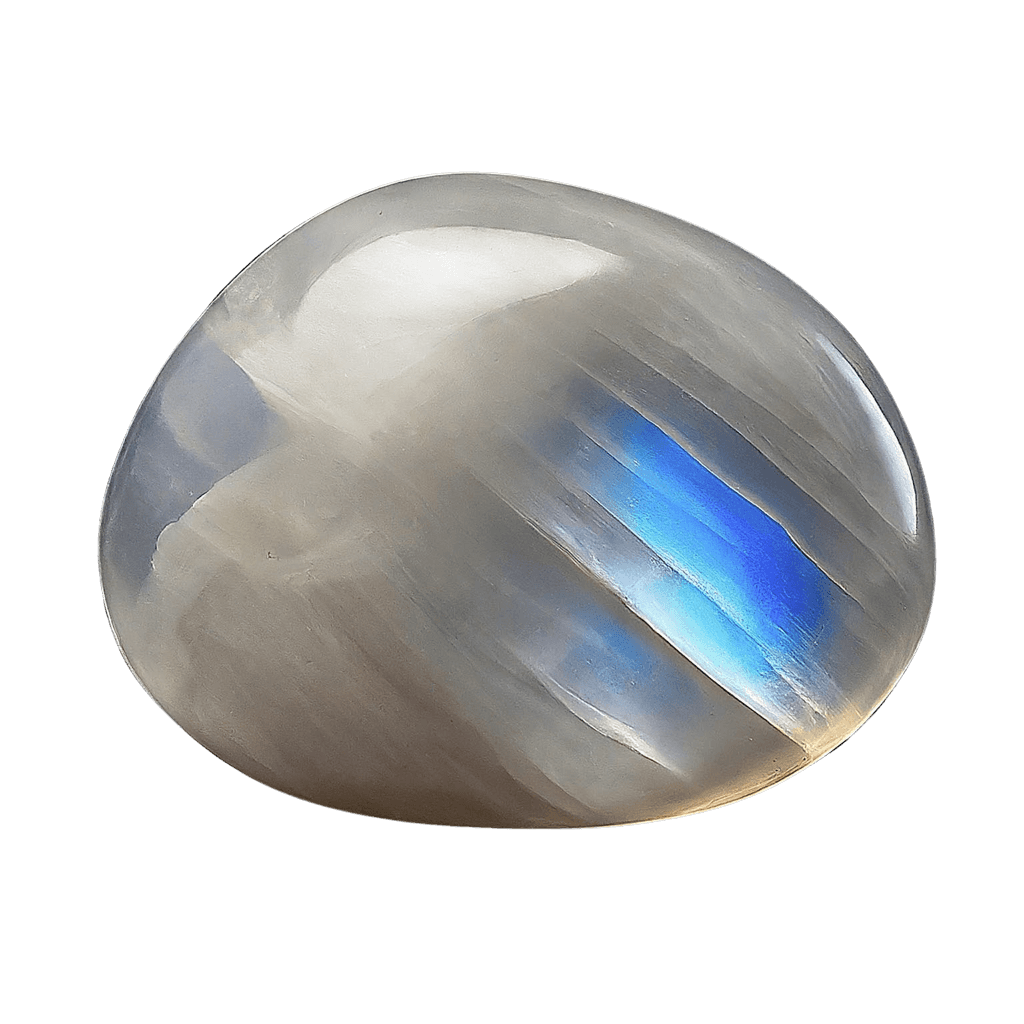
Treat pairing Sanidine as outfitting a workbench, not dressing a display. Each traditional partner is a tool with a job, focus, voice, or nerve, and the working limit is two stones per clarity task; clutter is the one enemy clarity cannot negotiate with.
How to Spot Real vs Fake Sanidine
Before buying Sanidine, run the piece through these checks; nothing here needs equipment, just your hands, the colorless stone in question, and a healthy skepticism:
Temperature: genuine Sanidine feels distinctly cool at first touch and gives that coolness up slowly; resin copies feel warm almost immediately, which is the quickest tell there is.
Weight: real Sanidine should feel like stone rather than plastic pretending; if a palm-sized piece feels nearly weightless, walk away from it.
Color and pattern: natural Sanidine runs colorless, pale grey, or white, with variation from piece to piece; perfectly uniform color across a whole tray is the classic mark of dye or synthetics.
Price: expect $8 to $28 for a decent tumbled or palm piece of Sanidine; dramatic discounts mean dye, resin, or mislabeling more often than they mean luck.
Trust your source: a seller who knows where a colorless stone like this came from and says so plainly is worth more than every test on this list. Vagueness about origin is itself an answer.
Sourcing
Buying Sanidine well
The CrystalStones.com crystal store is not open yet, so we do not sell Sanidine here. What we can give you is the part that matters most: how to tell a genuine piece from a treated or dyed one, and how to care for it once it is yours.
Frequently Asked Questions
What is Sanidine good for?
Sanidine is traditionally associated with clarity, focus, confidence, and communication. Many people find it supportive for clarity and for working with the Third Eye and Throat chakras.
Can Sanidine go in water?
Yes, Sanidine tolerates water; at Mohs 6, a one to two minute rinse is fine. Pat it dry when you finish and avoid leaving it submerged overnight.
Can Sanidine be in the sun?
Yes, Sanidine can sit in sunlight safely; its colorless coloring holds up, and thirty minutes of morning sun is the traditional charge.
What chakra is Sanidine?
Sanidine is primarily associated with the Third Eye (Ajna) and Throat (Vishuddha) chakras. Lying back, rest it at the brow with the focus soft and end the sit while it is still easy; brief brow sessions are the tradition's preference for clarity.
What zodiac sign is Sanidine for?
Sanidine is traditionally connected to Gemini and Aquarius. Astrological correspondence is one tradition among several, and nothing about your chart disqualifies you; people without a Gemini placement work with Sanidine all the time.
How do I cleanse Sanidine?
The best methods for Sanidine are Moonlight, Selenite, and Sage. Feldspar (Mohs 6) with flat cleavage. Brief rinse is fine; avoid salt and hard knocks. Store separately.
Is Sanidine real or fake, how can I tell?
Genuine Sanidine feels cool at first touch and warms slowly; at Mohs 6 it also resists the pocket scratches that mark softer fakes. Expect natural variation in its colorless coloring and a price near $8 to $28 for tumbled pieces; uniform color at a bargain price is the classic warning sign.
What’s Next?
A few thoughtful next steps if Sanidine is calling to you.
Explore More Tools
Crystal Quiz
Discover which crystal matches your energy right now.
Open →Chakra Test
Find which chakras need attention and the crystals to balance them.
Open →Crystal Cleansing Guide
Learn how to safely cleanse and charge your crystals.
Open →Crystals by Intention
Find the perfect crystal for what you need right now.
Open →