By Crystal Cassandra · Updated October 1, 2026
Crystal Healing Expert
What is a geode crystal?
A crystal geode is a hollow stone formation in which the inside cavity is lined with crystal points growing inward toward the center. In traditional crystal-healing practice, geodes are placed in shared spaces to circulate gentle, contained energy; the curved inner cluster diffuses the broadcast in a way no exposed cluster can match.
Key Takeaways
- Geodes are hollow stones with crystal points growing on the inside walls of the cavity.
- The closed outer shell contains and softens the broadcast of the inner cluster.
- Judy Hall associates geodes with the inner life: hidden depth, contained sanctuary, sheltered creativity.
- Often sold as half-geodes (one side cut and polished) or as cathedral pairs (one geode cut into two matching halves).
- Amethyst, agate, and quartz geodes are the most common and most-loved in the classical literature.
What is a geode crystal?
A crystal geode is a hollow stone formed when a gas bubble or void in volcanic rock slowly filled with mineral-rich water over millions of years. As the water evaporated, crystals formed on the inner walls of the void, growing inward toward the center. The result is a stone that looks unremarkable on the outside (often grey, brown, or chalky) and reveals an inner garden of crystal points when cut or cracked open.
Most geodes you see for sale have been cut and polished on at least one face so the interior cluster is visible. A half-geode is sliced down the middle, polished on the cut face, and presented as a single half-sphere of inner cluster. A cathedral pair is a single geode cut into two matching halves, the two halves mirroring each other; these are usually sold together. Smaller geodes are sometimes sold whole and unopened, which keeps the mystery (and you can have them cut later if you choose).
Geodes appear most commonly as amethyst (Brazilian and Uruguayan amethyst geodes are the classical form, often sold as standing cathedrals or wall pieces), agate (often with a clear-quartz center and an agate-banded outer rim), and clear-quartz (occasionally pink or smoky as well). Sizes range from small thunder-eggs of 50mm to enormous cathedral geodes of a meter or more. The classical Brazilian amethyst cathedral is the iconic form.
Traditional energetic use
Judy Hall in The Crystal Bible (2003) describes geodes as the form most associated with the inner life: the hidden depth that a person carries unseen. Where a cluster broadcasts openly, a geode broadcasts from a sheltered space, which makes its presence gentler and more containing. Hall recommends amethyst geodes in particular for meditation rooms, creative studios, and bedrooms where a softer, held energy is wanted.
Robert Simmons in The Book of Stones (2015) writes that the geode form combines containment and expansion in one object. The outer shell contains; the inner cluster expands. This is why geodes are the classical placement for spaces where you want presence without intrusion: a child's room, a healing room, a small meditation nook, a creative studio. The energy is gathered rather than projected.
In my practice with clients, I recommend geodes for spaces that need to feel held rather than activated. A small amethyst geode on a child's bookshelf; a half-geode on a yoga or meditation cushion shelf; a cathedral pair flanking the door of a healing room. Many people find the geode form softens a space in a way no other form does. The classical Cassandra reading is that the geode reminds us we carry our own inner cluster, sheltered and beautiful.
How to use a geode crystal
The ritual below is the one Cassandra uses in her own practice and recommends to clients new to working with this form. It takes about ten minutes and can be repeated as a weekly or monthly working.
- 1
Choose the right inner geometry
When choosing a geode, look at the inner cluster as you would a free-standing cluster: many well-formed points, minimal damage, an intact matrix. The colour of the inner cluster matters more than the shape of the outer shell; the outer is the wrapper, the inner is the gift. Run a fingertip lightly across the interior points to feel the geometry; the right one tends to invite the hand back.
- 2
Place where containment is wanted
Set the geode in a space that needs gentle, held presence rather than active broadcast: a bedroom, meditation nook, child's room, creative studio, or therapy room. The classical placement is open-side facing into the room (so the inner cluster broadcasts toward the people in the space) and the outer shell facing the wall.
- 3
Use cathedral pairs as a doorway
If you have a cathedral pair (two matched halves of the same geode), the classical placement is one half on each side of a doorway or threshold. This creates a softened, contained welcome at the entry to a room. Many people use cathedral pairs at the doorway of a meditation room, treatment room, or office; the doorway becomes a small ritual passage.
- 4
Tuck small stones inside the cavity
The inner cavity of a geode is the classical place to rest small stones for cleansing and charging. Tumbled stones, palm stones, jewellery, or a single intention object placed inside the geode overnight are refreshed by morning. The geode's containment makes this gentler than placing the same stone on an exposed cluster.
- 5
Cleanse infrequently and gently
Geodes are the form that needs least cleansing because the outer shell contains and protects the inner cluster. Cleanse twice yearly with sound (a tingsha bell or singing bowl held near the open face for thirty seconds) or with moonlight on a windowsill. Avoid water for amethyst geodes; the matrix can absorb water and crack along bedding planes.
The best crystals to choose in geode form
Not every crystal shines in every form. The stones below are traditionally chosen as geodes because the form amplifies the stone's qualities.
Choosing crystal geodes
Geode Bundle
Geode Starter Trio
A curated trio of the stones Cassandra most often recommends in geode form. Amethyst, Clear Quartz, and Citrine each suit this form for a distinct reason, so the set covers the most-loved uses of the geode at once.
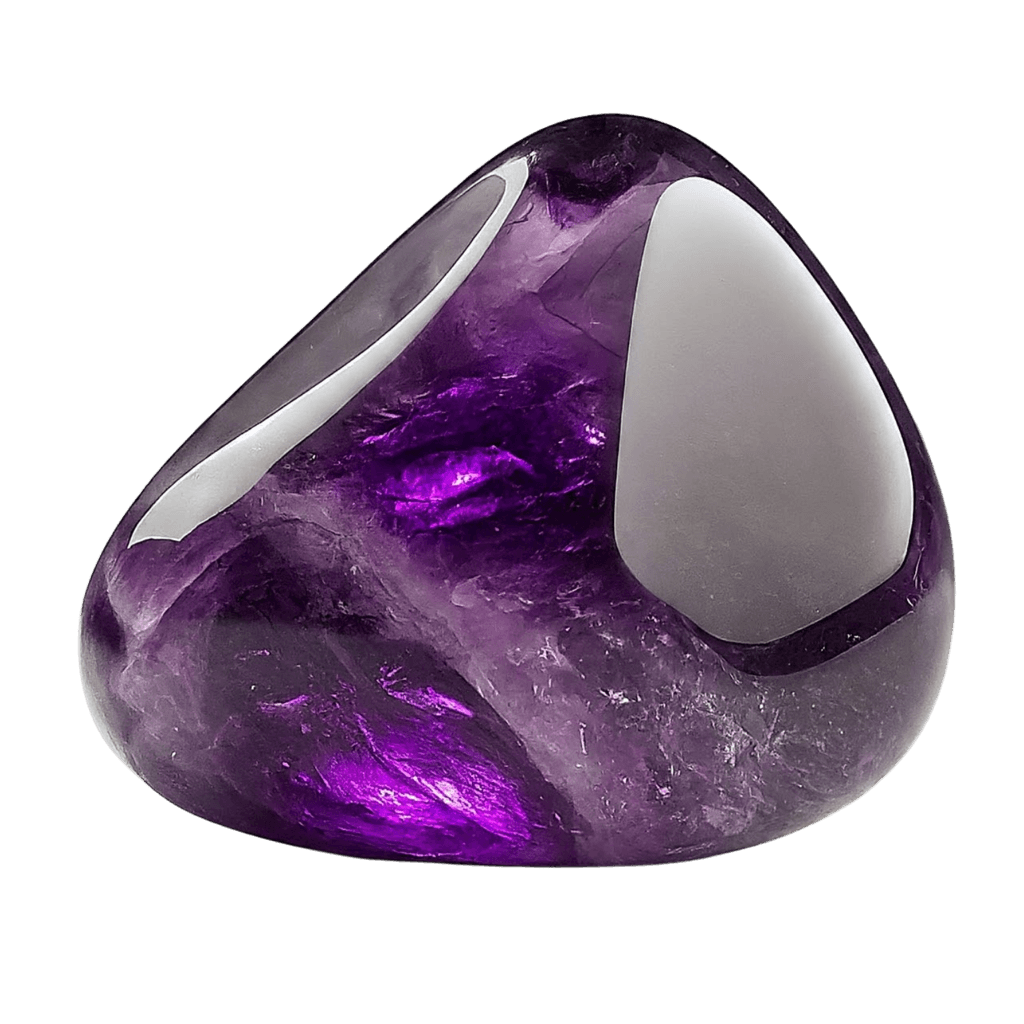
Amethyst
Primary stone
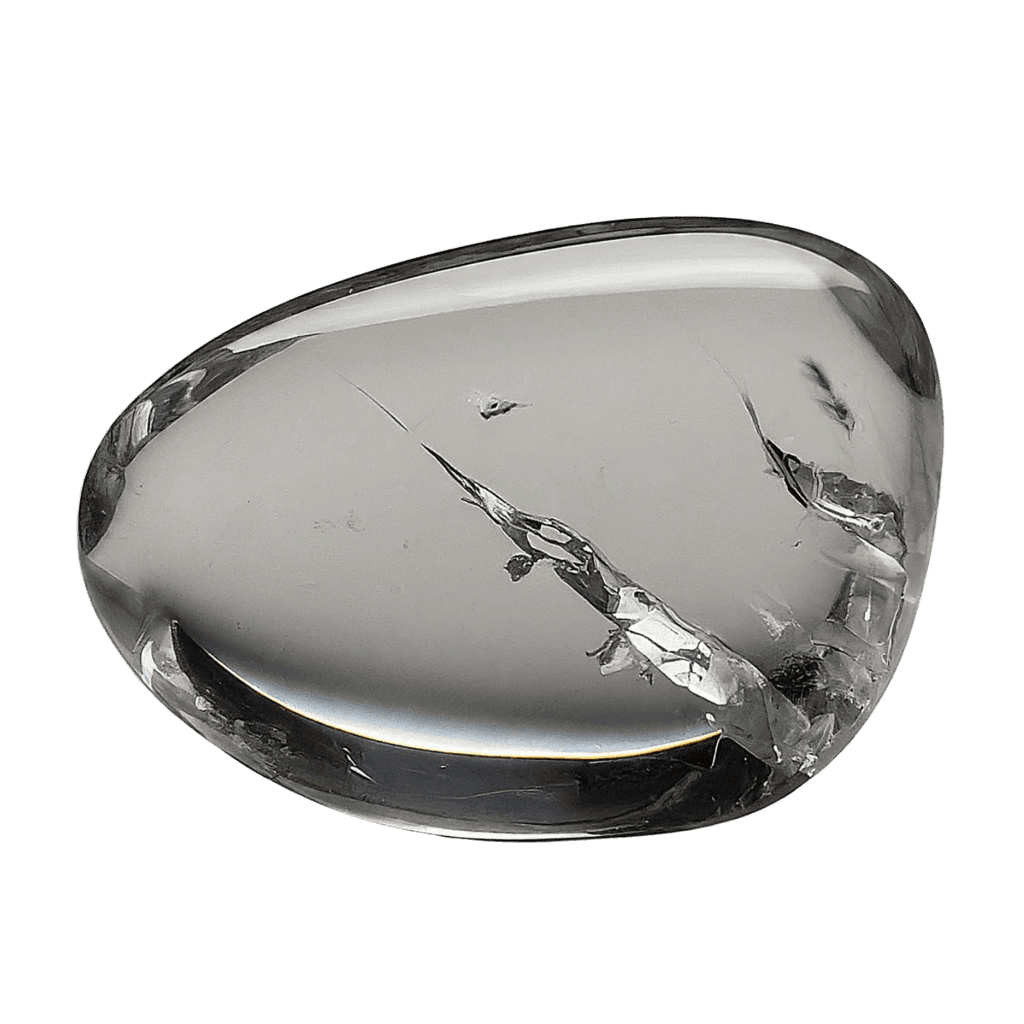
Clear Quartz
Supporting stone
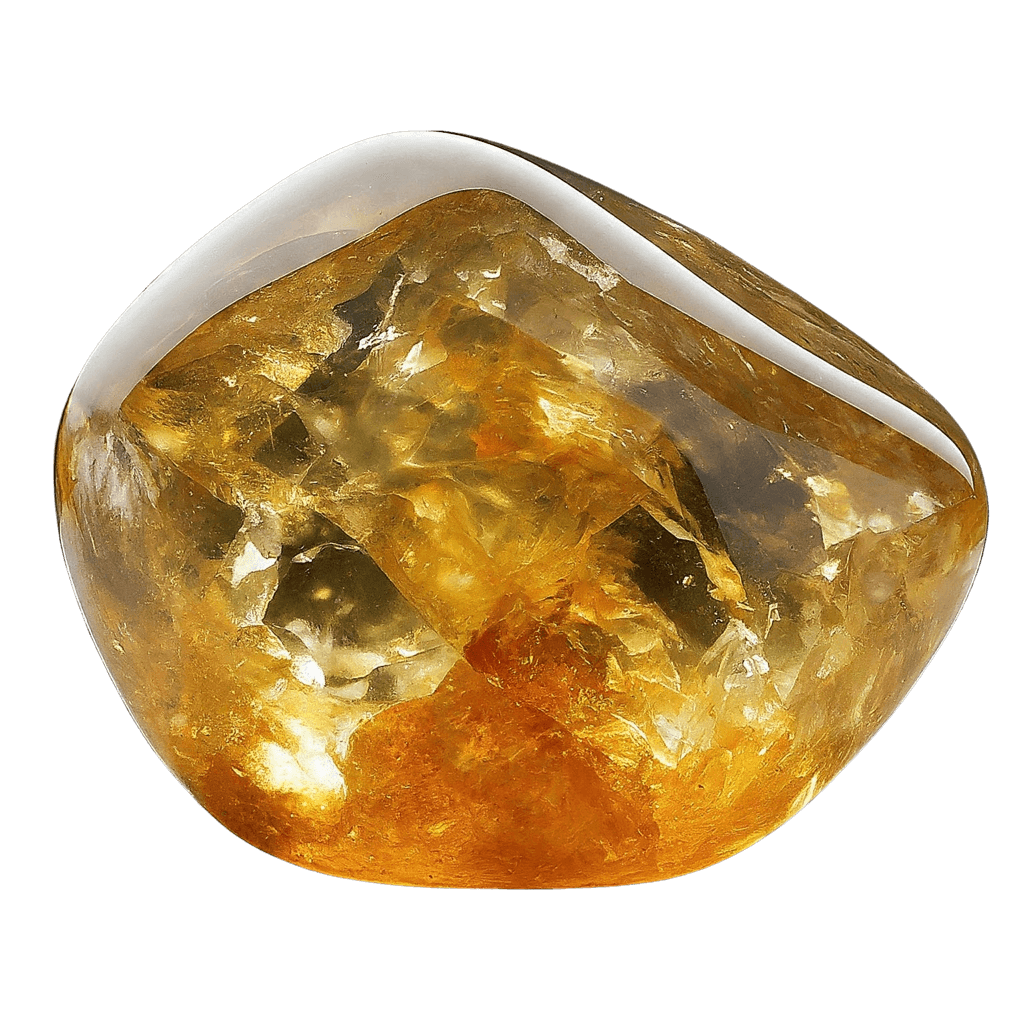
Citrine
Anchoring stone
The CrystalStones.com crystal store is not open yet. These stones are not for sale here.
Pair crystal geodes with these intentions
In traditional crystal-healing practice, the form of the stone shapes how the energy moves. Crystal Geodes are most commonly paired with the following intentions.
Explore other crystal forms
Frequently asked questions
What is the difference between a geode and a cluster?
A geode is a hollow stone with crystals growing inward on the inside of a closed shell; a cluster is exposed crystal points on a flat or open matrix. Every geode contains a cluster (on its inner surface), but not every cluster was a geode. The geode's outer shell contains and softens the broadcast; the cluster broadcasts more openly. Choose a geode for sheltered, held spaces; choose a cluster for open, circulating broadcast.
Are amethyst geodes natural?
Yes, almost all amethyst geodes on the market are natural; the colour comes from iron impurities and natural irradiation over millions of years. The most common sources are Brazil (Rio Grande do Sul) and Uruguay (Artigas). Uruguayan amethyst is generally deeper purple and more prized; Brazilian amethyst is lighter purple and more abundant. Some pale Brazilian amethyst is heated to deepen the colour, and some citrine cathedrals are heat-treated amethyst (which sellers should disclose).
How big should my first geode be?
For a starter geode, 80mm to 150mm across the open face is the most useful range; large enough to be a clear visual focal point, small enough to lift and reposition easily. Cathedral geodes of 300mm and up are powerful but heavy and expensive, and benefit a permanent home. For desk or bedside use, a small 50mm to 80mm geode is plenty. Cassandra's note: geode size matters less than inner-cluster quality; a smaller geode with deep colour reads stronger than a larger pale one.
Can I put smaller crystals inside a geode to cleanse them?
Yes; this is one of the most-recommended practical uses of a geode in Cassandra's lineage. Place tumbled stones, palm stones, jewellery, or a single intention object inside the inner cavity overnight, and they are refreshed by morning. The geode's containment makes this gentler than placing the same stone on an exposed cluster. Many people maintain a small amethyst geode specifically as a nightly cleansing station for their daytime-carry stones.
Is a half-geode less powerful than a full one?
Not in classical crystal-healing practice. A half-geode (one half of a geode cut and polished) is the most common form sold; it is more stable, displays beautifully, and broadcasts the inner cluster directly into the room. A cathedral pair (two halves of one geode) carries the same energy as one whole geode would, divided into two pieces that work in conversation. The whole, uncut geode keeps the mystery but does not broadcast its inner light. All three forms are valid choices.
How do I clean and care for a crystal geode?
Geodes need very little active care because the outer shell is robust. Dust the outer matrix with a soft dry brush every few months. Avoid water for amethyst and most other geodes; water can be absorbed by the matrix and cause cracking along bedding planes. For cleansing, use sound (a tingsha bell or singing bowl) or a few hours of moonlight twice a year. Geodes do not need to be cleansed often because the outer shell already contains and protects the inner cluster.
Share Your Result
Vertical 9:16 format, perfect for Instagram Stories or TikTok. Opens in a new tab; long-press or right-click to save.
The Crystal Starter Library, free
Crystal Cassandra on choosing your first stones, keeping them safe, and building a practice around one intention rather than a shelf of good intentions.
We respect your inbox. Unsubscribe anytime.
Explore More Tools
Crystal Quiz
Find the right crystal for your energy.
Open →Crystal Care
How to cleanse and charge each crystal.
Open →Crystal Grid Designer
Build a sacred-geometry crystal grid.
Open →Crystals by Intention
Match crystals to what you need.
Open →Crystal Cleansing Guide
Every cleansing method explained.
Open →