



Ever wonder if your crystal is real? The crystal market is booming, but so are convincing fakes made from glass, resin, or dyed synthetics. Whether for healing, decor, or jewelry, authentic crystals offer the value and energetic benefits you seek.
No need to guess anymore. This guide shares seven simple, effective methods to tell real from fake. From quick visual checks to easy at-home tests, you’ll become a more informed buyer.
Let’s start with the first easy way to check your crystal’s authenticity.
Understanding Crystals and the Market
Crystals are naturally occurring solids with atoms arranged in unique, repeating patterns. This structure gives each crystal its distinct properties, like hardness, color, and how it interacts with light. Throughout history, people have valued crystals for spiritual healing, meditation, jewelry, and decoration.

However, the rising popularity of crystals has led to many sellers prioritizing profit over authenticity. Fake crystals are often made from dyed glass, colored resin, molded plastic, or even concrete, and can look very similar to real stones.

Fakes are prevalent because genuine crystals require long natural processes and costly mining. Synthetic alternatives are mass-produced quickly and cheaply, allowing sellers to offer attractive prices with high profit margins.
Recognizing Real vs. Fake Crystal
Authentic crystals possess unique characteristics shaped over millions of years, while fake ones are mass-produced. Understanding key differences helps ensure informed purchasing and genuine connections with crystals.
Real crystals show characteristics from their natural formation. They often have inclusions—tiny minerals or air bubbles trapped inside—which are authenticity markers, not flaws. Natural crystals also display subtle color variations and unique patterns reflecting their geological history.
Fake crystals, however, often look too perfect. Glass fakes might have unnatural air bubbles, and plastic ones may show mold lines or feel too light. Dyed crystals often have oversaturated colors not found in nature, or color concentrated in cracks.
The 7 Easy Ways to Check Crystal Authenticity
Crystals captivate with their beauty and energy, but differentiating genuine stones from imitations is vital. Here’s a quick guide to identify authentic crystals effortlessly.
1. Visual Inspection
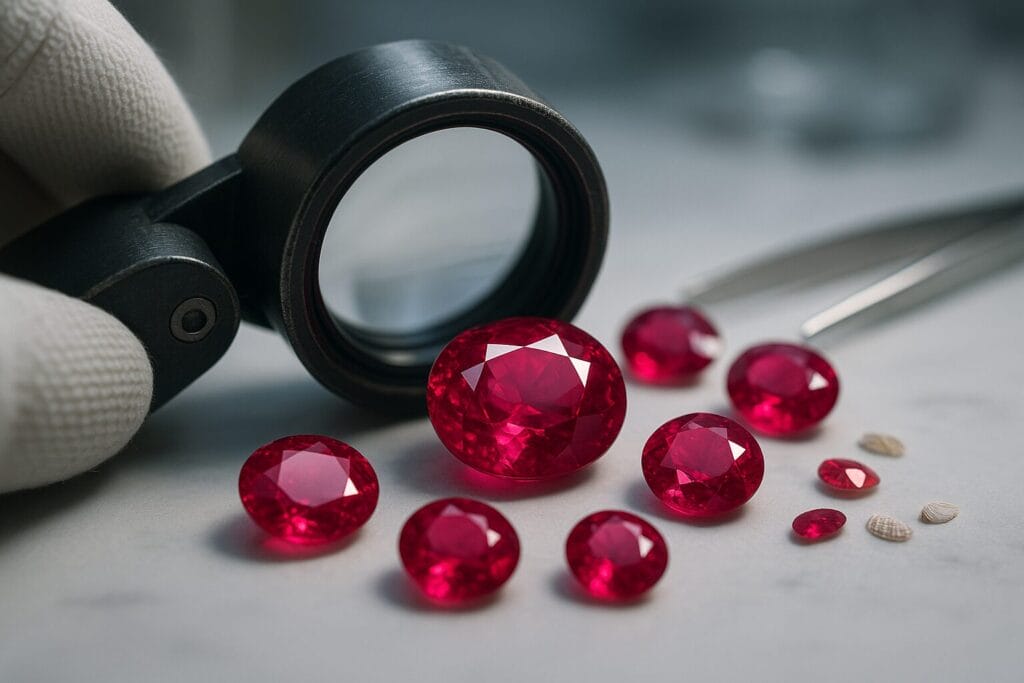
Start with a thorough visual examination. Real crystals typically display natural imperfections such as tiny cracks, mineral inclusions, or slight color variations. These characteristics tell the story of the crystal’s formation over thousands of years.
Look closely at the color distribution. Natural crystals rarely have perfectly uniform coloring. Instead, you might notice subtle gradations or areas where the color appears more concentrated. Be particularly suspicious of crystals with extremely vibrant, artificial-looking colors that seem too perfect or uniform.
2. Weight Test
Natural crystals are generally denser and heavier than their synthetic counterparts. Pick up the crystal and assess its weight relative to its size. A genuine stone should feel substantial in your hand. Glass imitations may feel heavy, but they often lack the specific density of natural minerals. Plastic or resin fakes will feel noticeably lighter than expected.
This test works particularly well when you can compare similar-sized pieces side by side, as the weight difference between real and fake crystals becomes more apparent through direct comparison.
3. Temperature Test
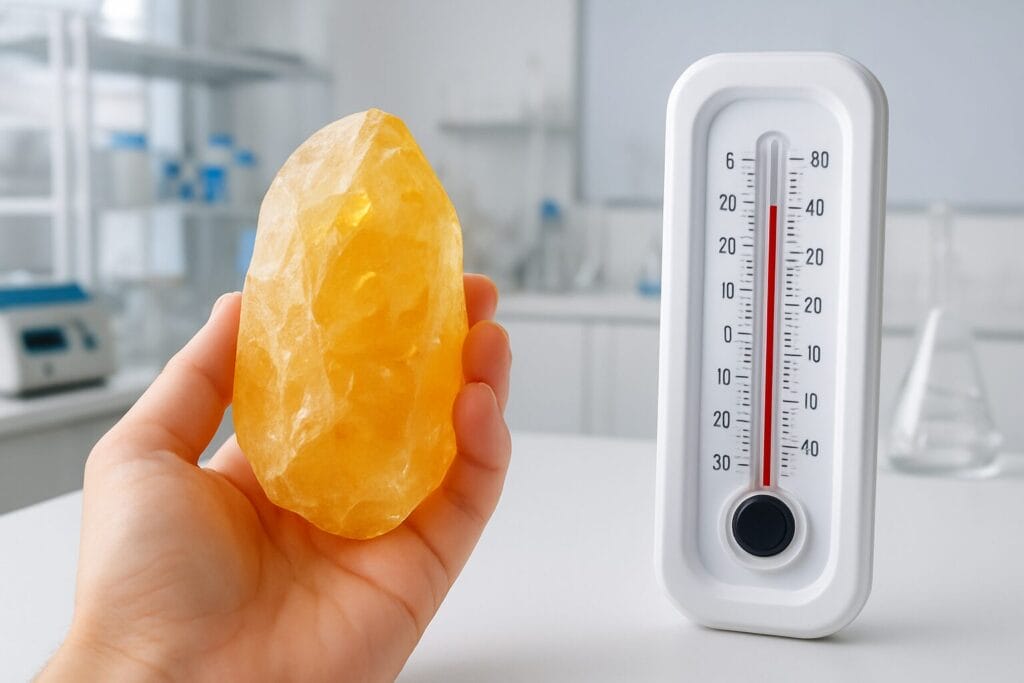
Real crystals conduct heat differently than synthetic materials. When you first touch a genuine crystal, it should feel cool against your skin, even at room temperature. This coolness results from the crystal’s ability to conduct heat away from your body quickly.
Hold the crystal in your palm for about 30 seconds. A real crystal will gradually warm up but should initially feel noticeably cooler than glass or plastic alternatives, which tend to match ambient temperature more closely.
4. Scratch Test
The scratch test utilizes the Mohs hardness scale, which ranks minerals from 1 (softest) to 10 (hardest). Most genuine crystals have specific hardness ratings that you can test carefully with common items.
For example, real quartz (hardness 7) should scratch glass (hardness 5.5) but be scratched by steel (hardness 7.5). Use this test sparingly and on inconspicuous areas, as it can damage the crystal. Common testing tools include your fingernail (2.5), a copper coin (3.5), steel knife (5.5), and glass (5.5).
5. Light Test
Natural crystals interact with light in specific ways based on their internal structure. Hold your crystal up to a light source and observe how light passes through it. Real crystals may show interesting optical effects, refraction patterns, or specific transparency characteristics.
Some crystals are naturally opaque, while others are translucent or transparent. Research your specific crystal type to understand its expected light transmission properties. Glass fakes often have a different kind of transparency that appears more uniform and less complex than natural stones.
6. UV Light Test
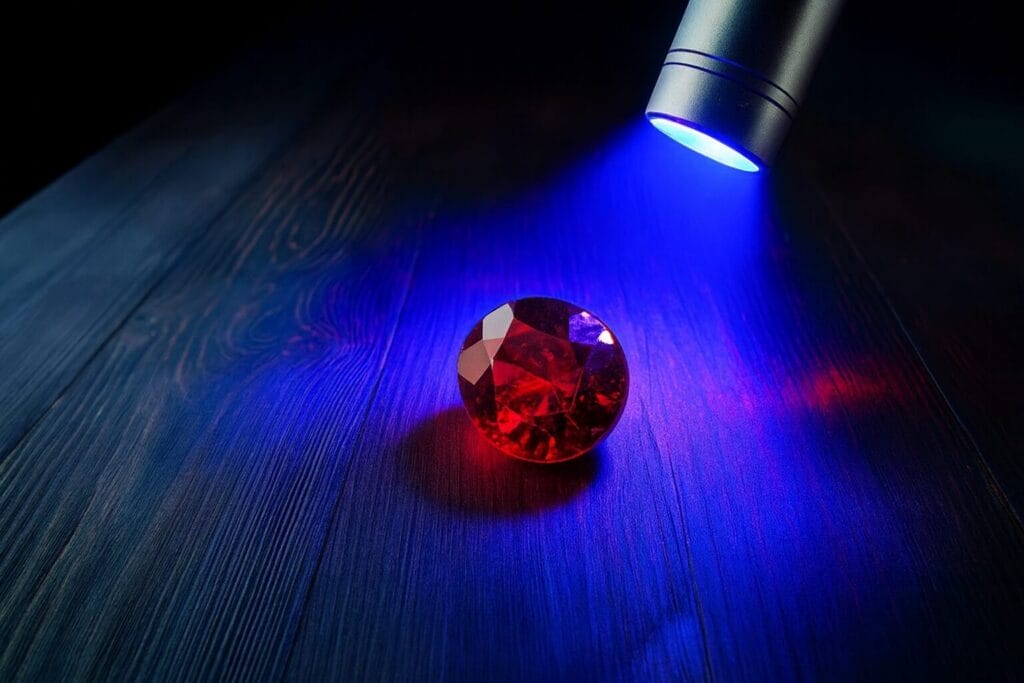
Certain crystals exhibit fluorescence under ultraviolet light, glowing in colors different from their appearance under normal lighting. While not all real crystals fluoresce, this test can help identify specific types like some fluorites, which may glow blue or green under UV light.
Purchase an inexpensive UV flashlight to test crystals that should exhibit fluorescence. However, remember that lack of fluorescence doesn’t necessarily indicate a fake, as many genuine crystals don’t fluoresce at all.
7. Expert Verification
When dealing with expensive crystals or when other tests prove inconclusive, consulting a professional gemologist provides the most reliable verification. Many gemologists offer identification services for a reasonable fee, using specialized equipment to determine authenticity definitively.
Local rock and mineral clubs often have knowledgeable members who can help identify crystals. University geology departments may also offer identification services or can direct you to qualified professionals in your area.
Common Crystals and Their Fakes
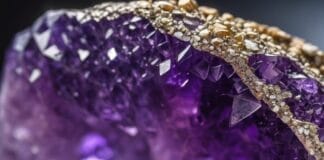
Amethyst: Real amethyst shows natural color variations and may have white or clear zones. Fake amethyst often displays unnaturally uniform purple coloring throughout.
Clear Quartz: Authentic clear quartz may contain small inclusions or natural fractures. Glass imitations tend to be too perfect and may contain round air bubbles.
Citrine: Natural citrine is relatively rare and typically shows pale to moderate yellow coloring. Many “citrine” crystals are actually heat-treated amethyst with an artificial orange tint.
Rose Quartz: Genuine rose quartz has a soft, subtle pink color that may vary throughout the stone. Fake versions often show overly vibrant pink coloring.
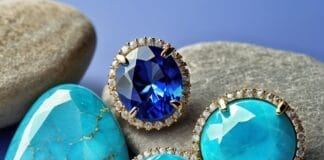
Turquoise: Real turquoise often has natural matrix patterns (host rock) running through it. Synthetic versions may lack these patterns or show artificial-looking color distribution.
Red Flags When Shopping for Crystals
Be cautious of prices that seem too good to be true, especially for typically expensive crystals. Research market values for the crystals you’re interested in to develop realistic price expectations.
Extremely vibrant or neon colors often indicate synthetic or treated stones. While some natural crystals do display intense colors, most exhibit more subtle, earthy tones.
Purchase from reputable dealers who provide detailed information about their crystals’ origins and any treatments applied. Avoid sellers who make exaggerated claims about healing properties or refuse to provide information about their sourcing practices.
Building Your Crystal Knowledge
Learning to identify authentic crystals takes practice and patience. Start by handling genuine specimens to familiarize yourself with how real crystals look, feel, and behave. Visit reputable crystal shops, museums, or rock and mineral shows to examine authentic pieces.
Consider investing in basic testing tools like a magnifying glass, UV light, and hardness testing materials. These inexpensive tools will be valuable as you build your collection.
Remember, crystal identification is an ongoing journey. Each crystal type has unique characteristics, and hands-on experience with various specimens will improve your ability to spot fakes. The effort you put into learning proper techniques will help you build a genuine collection that offers the beauty, value, and energetic properties you seek. Take your time, ask questions, and seek expert advice when needed.