

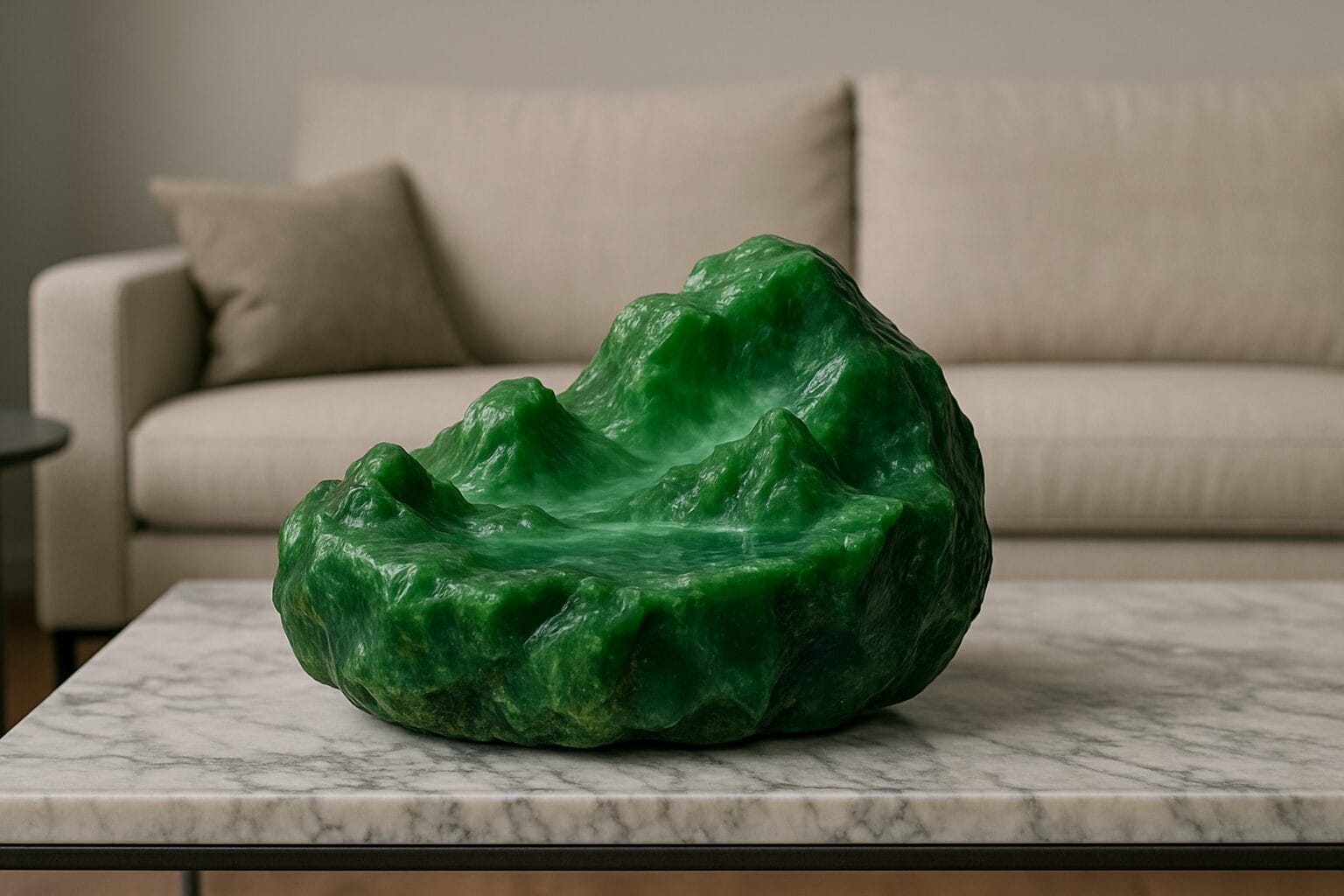

For centuries, “jade” has conjured images of stunning green gemstones, rich in history and mystique. However, not all jade is the same. The stone we admire is one of two distinct minerals: Nephrite or Jadeite. Nephrite jade, with deep cultural roots and revered properties, holds a special place in history, from ancient Chinese carvings to Māori treasures.
This article explores Nephrite jade. We’ll delve into its symbolism, reputed benefits for mind and body, and the key differences from its more famous cousin, Jadeite. Discover the true story of this fascinating gem.
What is Nephrite Jade?
Nephrite jade is a calcium magnesium silicate mineral from the amphibole group. Unlike jadeite (a pyroxene mineral), nephrite forms through metamorphic processes involving intense heat and pressure over millions of years. This process creates its dense, tough, and carvable structure.
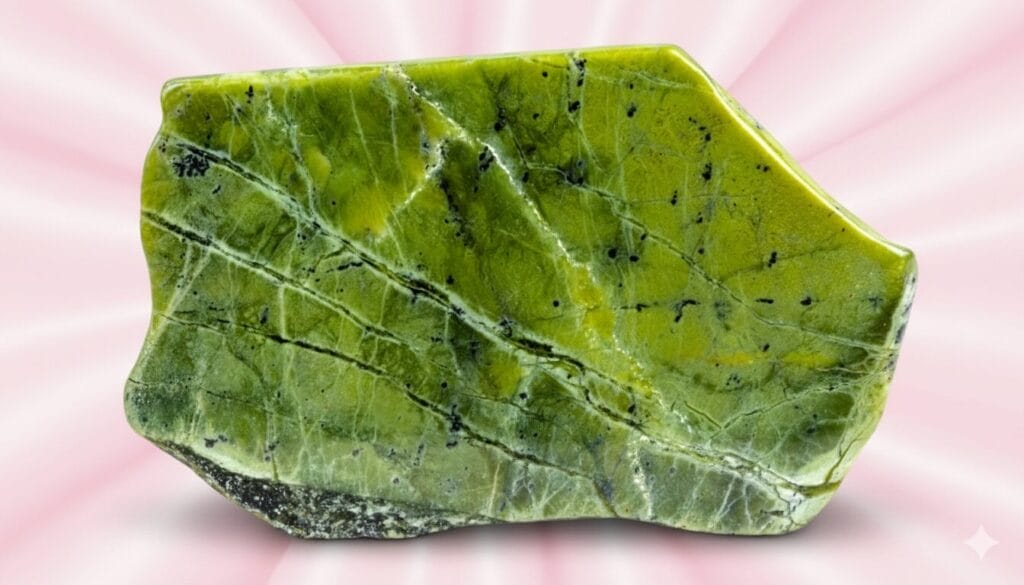
Named from the Greek ‘nephros’ (kidney) due to ancient beliefs it could cure kidney ailments, nephrite typically forms in metamorphic environments where serpentine rocks interact with other minerals. This creates its characteristic fibrous crystal structure, giving it remarkable toughness.
Major sources include China (Xinjiang region, treasured for over 8,000 years), New Zealand (pounamu, culturally significant to Māori), Canada (British Columbia, recognized for its quality), Russia (Siberia), and parts of the United States (Alaska and Wyoming).

The Meaning and Symbolism of Nephrite Jade
Nephrite jade holds deep cultural and spiritual significance in many civilizations. In Chinese culture, it symbolizes virtue, wisdom, and immortality. Ancient philosophers linked it to five virtues: charity, modesty, courage, justice, and wisdom. Chinese emperors were even buried in jade suits, believing it would preserve their bodies and ensure a safe journey to the afterlife.
For the Māori of New Zealand, pounamu (nephrite jade) is a treasured connection to ancestors and the land. Its forms carry specific meanings—like the fishhook-shaped hei matau for strength and safe travel, or the twist (pikorua) for the bond between people.
In metaphysical practices, nephrite jade is said to promote emotional balance, attract abundance, and protect against negativity. It’s often used in meditation to encourage inner peace and clarity, and is associated with the heart chakra, promoting love, compassion, and forgiveness.
Benefits of Nephrite Jade
Nephrite jade offers a range of benefits, from fostering emotional well-being and spiritual harmony to symbolizing strength and connections, making it cherished across cultures and practices.
Physical Benefits
For centuries, Traditional Chinese Medicine has revered nephrite jade for its healing properties. Modern skincare often uses nephrite jade rollers and gua sha tools, with users reporting reduced puffiness, improved circulation, and lymphatic drainage.

While scientific evidence is limited, many find its natural coolness soothing. Some traditional practices also believe it regulates body temperature and supports kidney function, though these claims lack scientific validation.
Emotional and Mental Benefits
Nephrite jade is often sought for emotional stability and stress relief. Its smooth texture and weight offer a calming tactile experience, acting as a grounding tool during anxiety or stress.
Holding or wearing jade jewelry can help individuals stay centered. Mindfully caring for jade objects can also promote mental well-being and mindfulness.
Spiritual Benefits
In spiritual practices, nephrite jade is valued for enhancing wisdom and spiritual growth. Many meditators use jade malas or stones to deepen their connection to higher consciousness.
It’s also believed to improve dream recall and encourage lucid dreaming, appealing to those in dream work and spiritual exploration.
Aesthetic Benefits
Beyond its metaphysical aspects, nephrite jade holds significant aesthetic value. Its diverse colors, from deep green to pale celadon, make it ideal for jewelry and decor.
It polishes beautifully, creating lustrous, gracefully aging pieces. Its durability also allows for intricate carvings and sculptures, often becoming cherished family heirlooms.
How Nephrite Jade Differs from Jadeite?
Nephrite jade and jadeite are often confused, but they are distinct minerals with unique compositions, appearances, and cultural significances. Understanding these differences highlights their individual appeal.
Physical Differences
The key difference between nephrite and jadeite is their mineral composition. Nephrite is an amphibole mineral (calcium magnesium silicate), while jadeite is a pyroxene mineral (sodium aluminum silicate). This affects their physical properties.
Jadeite is harder, scoring 6.5-7 on the Mohs scale, compared to nephrite’s 6-6.5. However, nephrite is tougher due to its fibrous crystal structure, making it more resistant to breaking and ideal for intricate carvings.
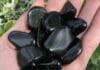
Color also sets them apart. Both can be green, but jadeite offers a wider palette, including prized “imperial green,” lavender, red, and yellow. Nephrite’s colors are more limited, usually green, white, yellow, or black.
Cultural and Historical Differences
Nephrite jade dominated Asian markets for millennia until jadeite was introduced from Myanmar in the 18th century. Chinese artisans initially worked exclusively with nephrite, but jadeite’s vibrant colors and rarity quickly made it popular among the elite, surpassing nephrite in value.
Despite this, nephrite retained cultural importance, being used for ceremonial objects and traditional carvings.
Market Value and Rarity
High-quality jadeite, especially the rare “imperial green,” is more valuable than nephrite, sometimes selling for millions per carat. However, exceptional nephrite, particularly from locations like China’s Hetian region or Canada, can also command high prices.
Jadeite’s rarity significantly boosts its market value, while nephrite, though more common, can be highly sought after depending on quality and provenance.
Common Misconceptions
Not all jade is green—both nephrite and jadeite come in various colors. While jadeite often commands higher prices, nephrite has advantages like superior toughness and affordability.
Sellers sometimes use misleading terms like “new jade” or “Korean jade” for other green stones, underscoring the need for proper identification.
How to Identify Authentic Nephrite Jade?
Identifying authentic nephrite jade requires careful observation. Genuine nephrite feels cool initially but warms when held, possessing substantial weight and a smooth, slightly greasy feel when polished.
Visually, authentic nephrite often shows subtle translucency against light, with natural, consistent color and typical inclusions, unlike artificial brightness.
A scratch test can differentiate it from softer fakes; nephrite scratches glass and steel, but do this cautiously to avoid damage. For definitive identification, professional tests like specific gravity or spectroscopic analysis are best.
Be cautious of prices that seem too low. Common imitations, such as serpentine or chrysoprase, lack true jade’s properties.
Caring for Nephrite Jade
To maintain nephrite jade’s beauty for generations, clean it regularly with lukewarm water, mild soap, and a soft brush for intricate details. Avoid harsh chemicals, ultrasonic cleaners, and steam, as these can damage the stone or any treatments.
Store nephrite jade separately from harder gemstones to prevent scratches. Wrap pieces in soft cloth or use padded jewelry boxes. Avoid extreme temperature changes, which can cause thermal shock and cracking.
Handle jade objects carefully, despite their toughness. Though nephrite resists breaking better than many gemstones, dropping or striking hard surfaces can still cause damage. Always remove jade jewelry before sports, heavy work, or high-impact activities.
Regular wearing actually benefits jade, as skin oils help maintain its luster and prevent drying.
Popular Uses of Nephrite Jade
Nephrite jade is highly versatile. Jewelry remains its most popular use, appearing in necklaces, bracelets, rings, and earrings. Its durability allows for intricate carving and stunning wearable art.
Decorative objects also showcase nephrite’s beauty in homes, with carved sculptures, vases, bowls, and figurines demonstrating its artistic potential. Antique nephrite pieces are highly prized by collectors for their historical significance and craftsmanship.
Modern wellness applications include jade rollers, gua sha tools, and massage stones for skincare and therapeutic practices. Though scientific evidence for health benefits is limited, many users value their cooling properties and the relaxation they provide.
Religious and ceremonial objects, such as prayer beads, ritual vessels, and ceremonial weapons, continue traditional uses, maintaining cultural significance in various traditions worldwide.
Embracing the Timeless Appeal of Nephrite Jade
Nephrite jade is more than a gemstone—it embodies centuries of cultural heritage, spiritual significance, and artistic achievement. Understanding its unique properties, symbolism, and uses helps you appreciate its enduring appeal across cultures and time.
Whether you’re drawn to nephrite jade for its beauty, cultural importance, or metaphysical properties, knowing its characteristics and how to identify it is essential. The distinction between nephrite and jadeite matters not just for collectors but for anyone seeking to truly appreciate these remarkable stones.
Each piece of nephrite jade tells a story—from the geological processes that formed it millions of years ago to the craftsmanship that shaped it into objects of beauty and meaning. Explore the traditions and artistry of nephrite jade from different regions, and connect with reputable dealers to guide your journey into this fascinating world.