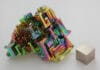




Have you ever wondered if you could create electricity just by walking? It sounds like science fiction, but a special class of materials makes it possible. Meet piezoelectric crystals—unique structures that can turn simple mechanical pressure into electrical energy. From the watch on your wrist to the sensors in a car, these remarkable crystals are quietly powering parts of our world.
So, how do these tiny powerhouses work, and what makes them so special? Let’s explore the science behind this fascinating phenomenon.
What Are Piezoelectric Crystals?
The term “piezoelectric” comes from the Greek word piezein, which means “to squeeze” or “to press.” In simple terms, piezoelectricity is the electric charge that accumulates in certain solid materials when you apply mechanical stress. Materials that exhibit this property include natural crystals like quartz and tourmaline, as well as some man-made ceramics.

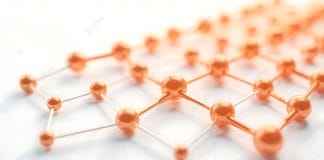
The secret lies in their unique atomic structure. In a normal state, the positive and negative charges within the crystal’s lattice are perfectly balanced, resulting in a neutral charge. However, these crystals lack a symmetrical center.
When you apply pressure by squeezing or stretching them, you deform the structure. This distortion pushes the positive and negative charges out of balance, creating a small but usable voltage. It’s a direct conversion of mechanical energy into electrical energy.

How Pressure Becomes Power?
Think of it like squeezing a water-filled sponge. When you apply pressure, water comes out. With a piezoelectric crystal, applying pressure forces an electric charge to the surface. When you release the pressure, the charge disappears as the atoms return to their original positions.
This effect also works in reverse. If you apply an electric voltage to a piezoelectric crystal, it will physically change shape by expanding or contracting slightly. This is known as the inverse piezoelectric effect, and it’s just as useful as the primary effect. This two-way capability makes these crystals incredibly versatile for a wide range of technologies.
Everyday Applications of Piezoelectric Technology
You might be surprised by how often you encounter piezoelectricity in your daily life. It’s a key component in many devices we rely on.

- Lighters and Gas Grills: The clicking sound you hear when you push the button on a grill lighter is the sound of a spring-loaded hammer striking a piezoelectric crystal. This sudden, sharp pressure generates a high-voltage spark that ignites the gas.
- Quartz Watches: The exceptional timekeeping ability of a quartz watch comes from a tiny, tuning-fork-shaped piece of quartz crystal. The watch battery sends electricity to the crystal, causing it to vibrate at a precise frequency—exactly 32,768 times per second. A microchip counts these vibrations and uses them to advance the second hand with near-perfect accuracy.
- Speakers and Microphones: In some speakers and buzzers, the inverse piezoelectric effect is used. An electrical signal causes the crystal to vibrate, producing sound waves. In microphones, the opposite happens: sound waves create pressure on the crystal, which generates an electrical signal that can be recorded or amplified.
- Medical and Industrial Sensors: Piezoelectric sensors are used in medical ultrasound equipment to create images of the body. They are also used in cars as knock sensors to detect engine vibrations and in industrial settings to monitor machinery for signs of wear.
The Future of Piezoelectric Energy
While the power generated by a single crystal is small, the potential for this technology is huge. Researchers are exploring new ways to harness piezoelectric energy on a larger scale. Imagine “energy-harvesting” floors in busy train stations or sidewalks that capture the energy from footsteps to power lighting. Scientists are also developing flexible piezoelectric materials that could be woven into clothing to power wearable devices from your own movement.
As we continue to seek out clean and sustainable energy sources, piezoelectric technology offers a creative way to capture the mechanical energy that is all around us—from vibrations in a building to the pressure of passing cars—and turn it into useful electricity.
Conclusion
Piezoelectric crystals are a perfect example of how extraordinary properties can be found in the most ordinary-seeming materials. By converting simple pressure into electricity, these crystals have already become essential to modern life.
As innovation continues, they may play an even bigger role in creating a more sustainable and efficiently powered future. The next time you click a lighter or check your watch, remember the tiny crystal inside, silently turning pressure into power.