By Crystal Cassandra · Updated October 1, 2026
Crystal Healing Expert
What is a raw crystal crystal?
A raw crystal (also called a rough crystal) is a stone in its natural, unpolished state. In traditional crystal-healing practice, raw crystals are valued for keeping the stone's original growth faces, fractures, and matrix exactly as they formed, which many practitioners describe as the most elemental and unaltered form of crystal energy.
Key Takeaways
- Raw crystals are unpolished stones kept exactly as they came out of the earth.
- The natural growth faces, fractures, and matrix carry the stone's full geological history visibly.
- Judy Hall describes raw crystals as the most elemental form; nothing has been removed or added.
- Best for altar centerpieces, grid corner stones, and practitioners who prefer wild over polished.
- Citrine points, raw amethyst, kyanite blades, and selenite logs are the classical raw forms.
What is a raw crystal crystal?
A raw crystal is a stone that has not been shaped, polished, or finished beyond the minimum needed to remove it from the host rock. The natural growth faces of the crystal remain intact; you see the actual surfaces on which the mineral grew, sometimes over millions of years. Raw crystals may include some of the host matrix still attached, native fractures, dust, and the small inclusions that record the geological history of the piece.
Almost every crystal can be sold raw, but some species are more often kept raw than others. Citrine points (especially natural citrine from Africa), kyanite blades, selenite logs and wands, raw quartz clusters and single points, and chunks of pyrite, calcite, and tourmaline are commonly sold rough. Stones that hide their colour and inclusions inside (rose quartz, jade, certain agates) are usually polished, because the colour is not visible without finishing.
Raw crystals span the full range of size: from small thumb-sized rough pieces sold in bulk by weight, to substantial altar pieces of a kilo or more. The price of raw crystal is usually lower per gram than the same material in carved form, because no lapidary labour has been added; you are buying the mineral, not the craftsmanship. This makes raw crystal an excellent way to build a working collection.
Traditional energetic use
Judy Hall in The Crystal Bible (2003) writes that raw crystals carry the full felt-quality of the earth they grew in. Nothing has been removed; nothing has been added. For practitioners who want to work with the stone in its most elemental state, raw is the classical choice. Hall recommends raw forms particularly for grid corner stones and altar centerpieces where the natural, unaltered presence of the stone is the point.
Robert Simmons in The Book of Stones (2015) describes raw crystal as the form closest to the moment of geological origin. The growth faces still show where the crystal met its parent solution; the matrix still carries fragments of the host rock. In his lineage, raw stones are recommended for grounding work, for connection with the earth element, and for any practice where the stone's geological story matters as much as its colour or shape.
In my practice with clients, I recommend raw forms for two specific situations: when someone wants a powerful altar centerpiece (a large raw amethyst cluster or raw citrine point holds an altar like nothing polished can), and when someone is drawn to the wildness of the stone rather than its display polish. Raw crystals are not for every taste, but for those who love them, no polished form quite replaces them. They are stones that look like stones.
How to use a raw crystal crystal
The ritual below is the one Cassandra uses in her own practice and recommends to clients new to working with this form. It takes about ten minutes and can be repeated as a weekly or monthly working.
- 1
Inspect for stability and safety
Before bringing a raw crystal into the home, inspect it carefully. Run a finger lightly over the surface; sharp edges are common in raw form. Check that any matrix is firmly attached (no loose pieces that could break off). Some raw stones (selenite, halite, certain calcites) are very soft and need careful handling. A few minutes of inspection saves later breakage.
- 2
Place on a stable surface
Raw crystals can have uneven bases; many people place them on a small piece of felt, a wooden coaster, or a slate slab for stability. Avoid balancing a raw crystal precariously; if it falls, raw crystals chip much more easily than polished ones because the natural growth faces are along native cleavage planes. Choose the most stable orientation, even if it is not the most visually striking.
- 3
Use as an altar centerpiece
Raw crystals are the classical altar centerpiece in Judy Hall's tradition because their unaltered presence carries the stone's full felt-quality. A large raw amethyst point or natural citrine cluster anchors an altar visually and energetically in a way no polished form quite matches. Many people build their entire altar around a single raw piece they feel drawn to.
- 4
Place at grid corners for wild geometry
For crystal grid work, raw single-terminated points (natural quartz, citrine, smoky quartz) can be used at the four corners in place of polished towers. The natural angles of the points add a wild, organic quality to the grid; Robert Simmons recommends this for grids associated with nature, growth, or earth-element work.
- 5
Cleanse gently and infrequently
Raw crystals can be more delicate than polished ones because the natural fractures and cleavage planes are intact. Cleanse with sound (a tingsha bell, a tuning fork) or a few hours of moonlight; avoid water for raw selenite, halite, calcite, malachite, pyrite, and any raw stone with visible matrix that could absorb water and crack. Brief sun is fine for raw quartz, smoky quartz, and most jaspers.
The best crystals to choose in raw crystal form
Not every crystal shines in every form. The stones below are traditionally chosen as raw crystals because the form amplifies the stone's qualities.
Choosing raw crystals
Raw Crystal Bundle
Raw Crystal Starter Trio
A curated trio of the stones Cassandra most often recommends in raw crystal form. Amethyst, Citrine, and Clear Quartz each suit this form for a distinct reason, so the set covers the most-loved uses of the raw crystal at once.
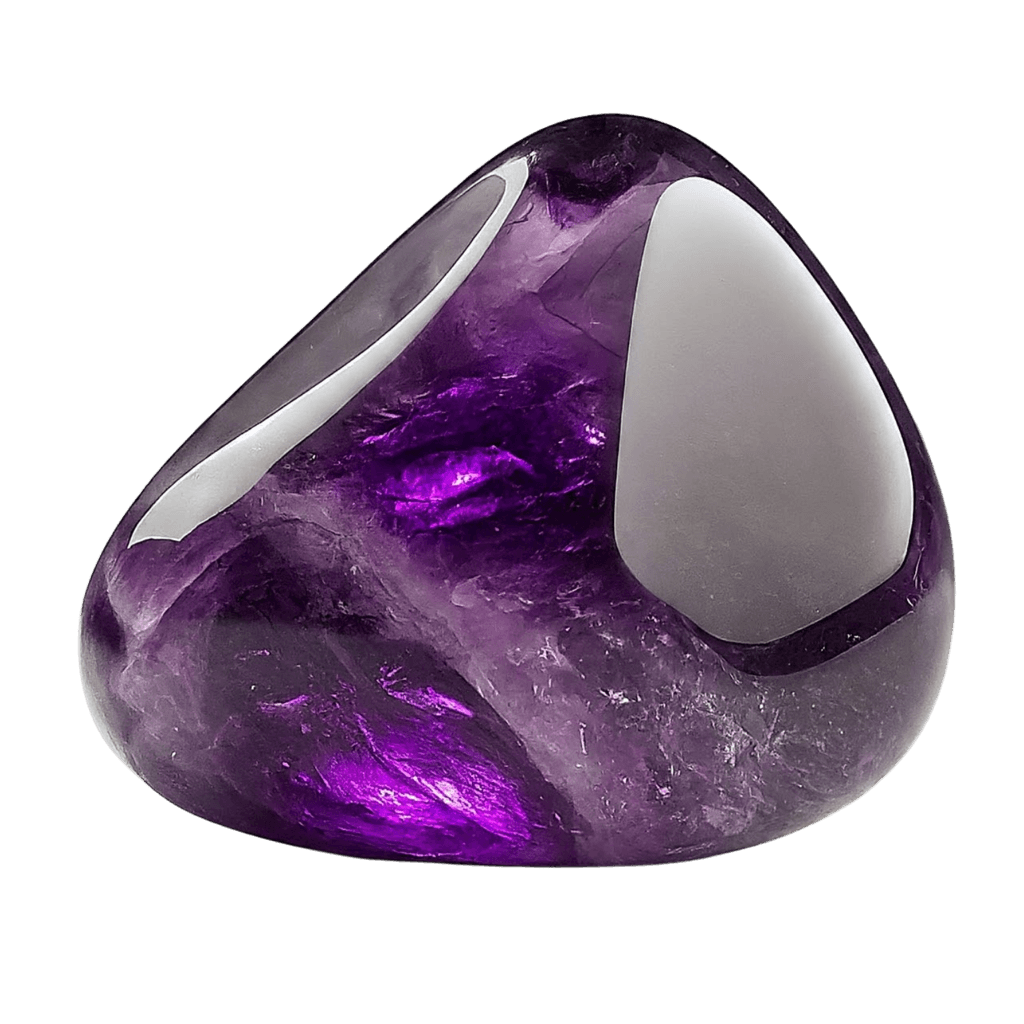
Amethyst
Primary stone
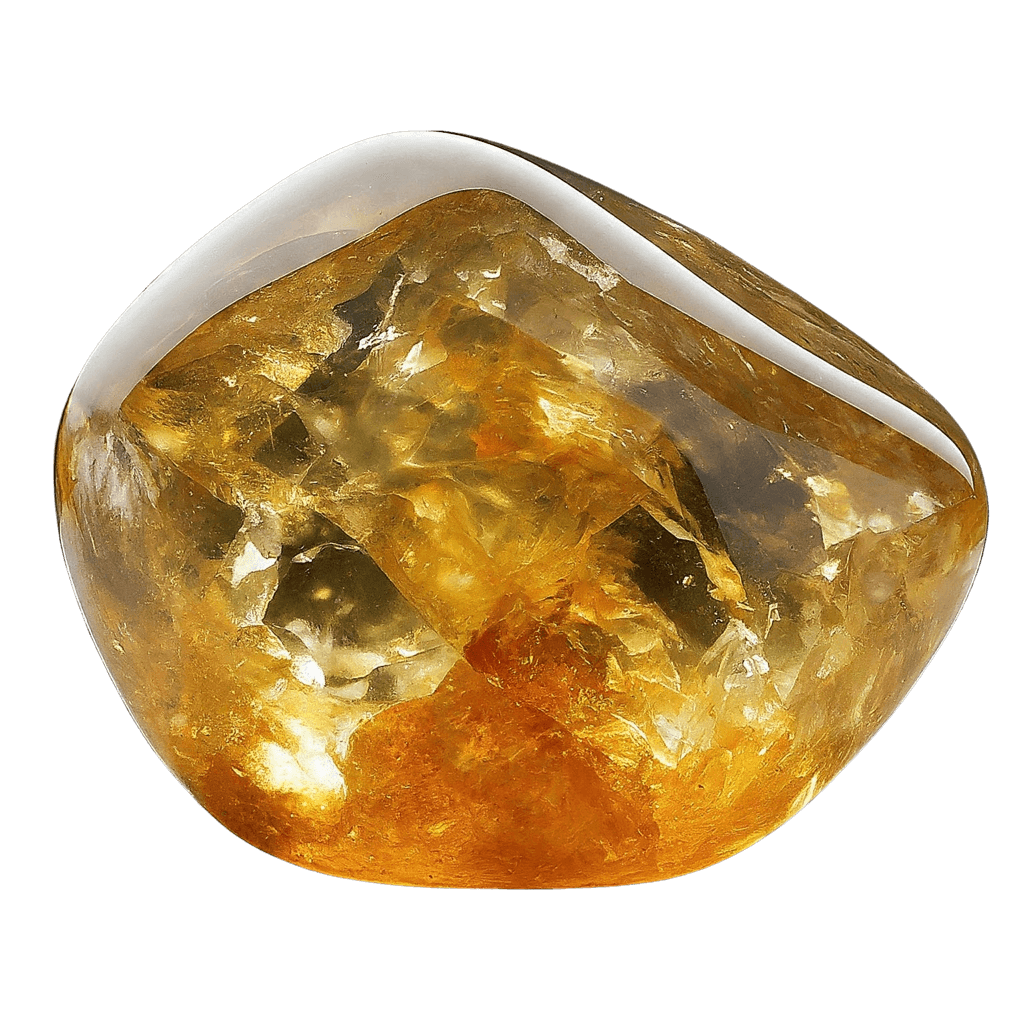
Citrine
Supporting stone
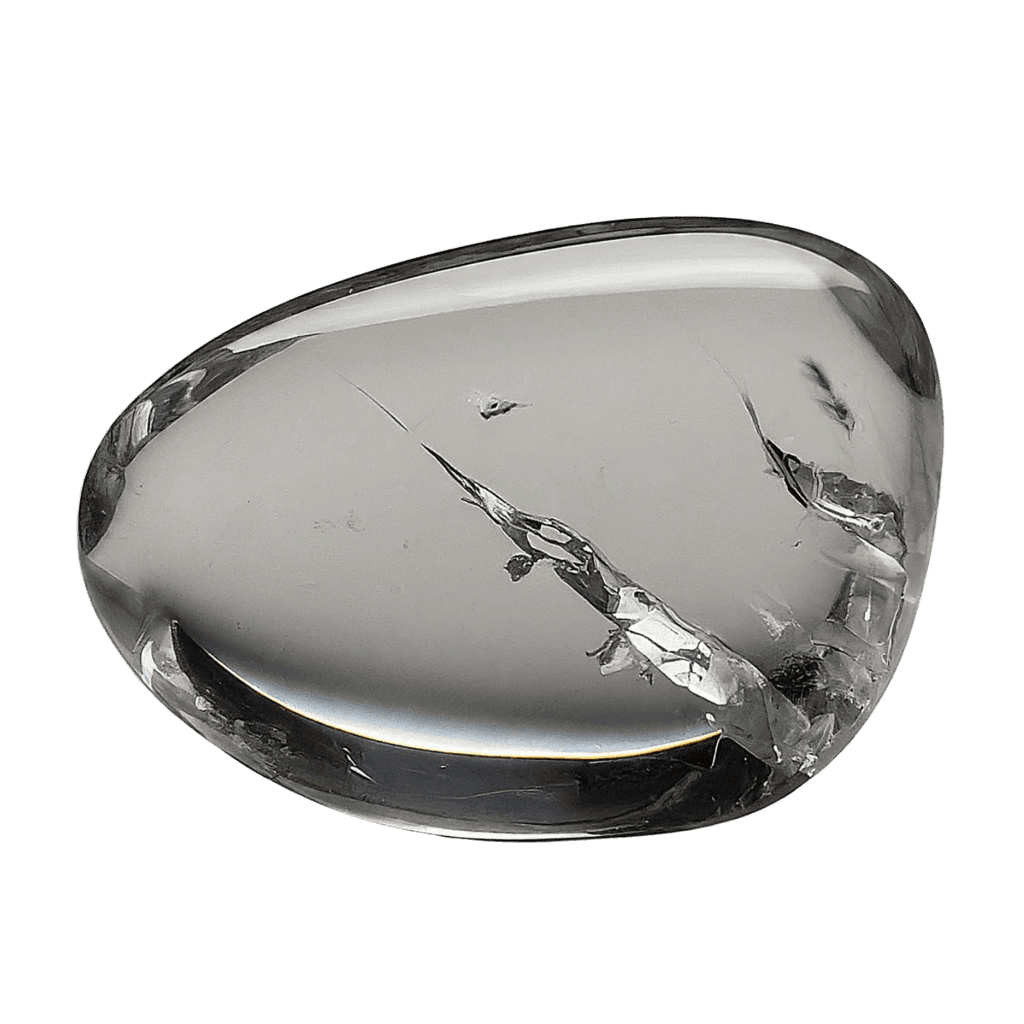
Clear Quartz
Anchoring stone
The CrystalStones.com crystal store is not open yet. These stones are not for sale here.
Pair raw crystals with these intentions
In traditional crystal-healing practice, the form of the stone shapes how the energy moves. Raw Crystals are most commonly paired with the following intentions.
Explore other crystal forms
Frequently asked questions
Is a raw crystal more powerful than a polished one?
Not in classical crystal-healing practice; both forms carry the same mineral identity. The difference is felt-quality and presentation. Raw crystals read as more elemental, wild, and earth-connected; polished crystals read as more architectural, refined, and intentional. Judy Hall and Robert Simmons both describe the choice as a matter of fit, not hierarchy. Many practitioners keep both: raw for altar centerpieces, polished for body-contact and grid work.
Should I polish my raw crystals?
Almost never; the value of a raw crystal is precisely its unaltered state. Polishing a raw stone removes the natural growth faces and replaces them with a manufactured surface; in Cassandra's lineage, this is read as removing the stone's geological story. If you want a polished version, buy the polished form separately. If a raw stone has rough edges that cut, you can have a lapidary smooth those specific edges; but full polishing changes the stone's character.
How do I clean dust off a raw crystal?
Use a soft dry brush (a clean makeup brush or watercolour brush works well) to remove dust from the surface and from between matrix crystals. Avoid water for raw selenite, halite, calcite, malachite, pyrite, and any raw stone with visible host matrix. For raw quartz, smoky quartz, and most jaspers, brief cool water on a soft cloth is fine; dry immediately with a clean towel. Never use detergent or cleaning chemicals.
Are raw crystals safe to handle?
Most raw crystals are perfectly safe to handle, with a few exceptions. Raw pyrite and chrysocolla can leave a slight metallic residue on hands (wash after handling). Raw malachite dust is mildly toxic if inhaled (handle gently, do not grind or sand). Raw lead-bearing minerals (galena, for example) should be handled minimally and never kept where children might mouth them. For the 368 crystals in our catalog, the standard rough forms are all hand-safe.
How do I know if a raw crystal is real or fake?
True raw crystals have natural growth faces, native inclusions, and matrix that records geological history; fakes are usually too uniform in colour, too clean of matrix, and may show mould lines if the piece was cast from resin. Weight is a reliable test: raw stone is heavier than resin or plastic of the same size. Check the colour at any broken or weathered surface; it should match the colour on the growth faces. Reputable sellers disclose treatments and synthetic origins.
Can I use raw crystals for body-contact healing?
With caution. Raw crystals can have sharp edges that scratch skin; for body-contact work (placing on the body during meditation, carrying in a pocket), polished forms are usually safer and more comfortable. Some raw forms are body-safe (raw selenite logs, smooth raw rose quartz, raw amethyst with rounded growth faces). When in doubt, choose polished for body-contact and reserve raw for altar and grid work.
Share Your Result
Vertical 9:16 format, perfect for Instagram Stories or TikTok. Opens in a new tab; long-press or right-click to save.
The Crystal Starter Library, free
Crystal Cassandra on choosing your first stones, keeping them safe, and building a practice around one intention rather than a shelf of good intentions.
We respect your inbox. Unsubscribe anytime.
Explore More Tools
Crystal Quiz
Find the right crystal for your energy.
Open →Crystal Care
How to cleanse and charge each crystal.
Open →Crystal Grid Designer
Build a sacred-geometry crystal grid.
Open →Crystals by Intention
Match crystals to what you need.
Open →Crystal Cleansing Guide
Every cleansing method explained.
Open →